
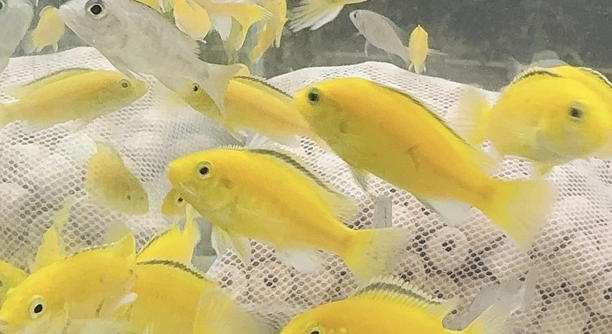
Electric Yellow Cichlids are striking freshwater fish admired for their vibrant color and active nature. Many aquarists enjoy keeping them, but they are known to react strongly to water quality, especially changes in nitrate levels.
Electric Yellow Cichlids are particularly sensitive to nitrate because their physiology is adapted to low-nutrient environments. Elevated nitrate concentrations can stress their gills, impair respiration, and weaken immune function, making them more prone to disease and affecting overall health.
Maintaining stable nitrate levels is essential for their well-being. Understanding how these fish respond to water conditions helps ensure they remain healthy and vibrant.
Understanding Nitrate in Aquariums
Nitrate is a common compound in aquarium water, forming naturally from the breakdown of fish waste, uneaten food, and decaying plants. While some level of nitrate is unavoidable, higher concentrations can be harmful to sensitive species like Electric Yellow Cichlids. These fish thrive in carefully maintained water with minimal nitrate buildup. Regular water changes, proper filtration, and avoiding overfeeding are key practices to manage nitrate levels effectively. Monitoring water parameters allows for early detection of rising nitrates before they cause stress or illness. Additionally, plants can help absorb some nitrates, contributing to a more stable environment. Keeping the tank clean and ensuring good water circulation reduces the chances of localized nitrate spikes. Many hobbyists overlook the subtle effects of slightly elevated nitrates, which can still impact fish behavior, coloration, and appetite. Awareness and consistent maintenance make a significant difference in keeping Electric Yellow Cichlids healthy over time.
Maintaining nitrate below recommended levels prevents stress, supports immune function, and promotes vibrant coloration in these delicate fish.
Regular monitoring, combined with water changes, filtration, and live plants, forms a comprehensive approach to controlling nitrates effectively.
Signs of Nitrate Stress in Electric Yellow Cichlids
Behavioral changes are among the first indicators of nitrate stress in these cichlids. They may become less active, hide more frequently, or show decreased interest in food. Physical signs include faded coloration, frayed fins, and rapid gill movement. Recognizing these changes early allows for prompt intervention.
High nitrate levels can compromise immune responses, making fish more vulnerable to infections and parasites. Prolonged exposure may stunt growth, reduce breeding success, and cause chronic stress. Even moderate increases in nitrate can subtly affect their overall well-being, impacting behavior, energy levels, and interactions within the tank. Testing water regularly and responding quickly to elevated readings is essential. Adjusting feeding routines, performing partial water changes, and ensuring filtration is working efficiently are effective strategies. Plants and bio-media in the filter can further help reduce nitrates. Consistency in monitoring and maintenance creates a stable environment where Electric Yellow Cichlids can thrive, maintain bright coloration, and display their natural behaviors without the hidden stress of poor water quality.
Preventing Nitrate Buildup
Regular water changes are essential to keep nitrate levels low in an Electric Yellow Cichlid tank. Removing a portion of the old water and replacing it with fresh, conditioned water helps maintain stable water quality and prevents harmful accumulation of nitrogen compounds over time.
Overfeeding is a common contributor to elevated nitrates. Uneaten food decomposes and releases nitrogen, increasing nitrate levels. Feeding only what the fish can consume within a few minutes reduces waste. Combining proper feeding with consistent water changes creates a healthier environment. Using a reliable filtration system and adding live plants can further absorb excess nutrients, keeping the tank balanced and minimizing stress for the fish. Monitoring nitrate levels weekly helps track progress and adjust care routines.
Filtration maintenance is equally important. Cleaning or replacing filter media prevents clogging and ensures efficient removal of organic waste. Filters with biological media support beneficial bacteria that convert harmful ammonia and nitrite into less toxic nitrate. Combining water changes, controlled feeding, and proper filtration forms a strong strategy to prevent nitrate buildup. Live plants, like Anubias or Vallisneria, absorb some nitrates directly, supporting cleaner water. Over time, these practices maintain a stable, healthy environment, reducing stress and enhancing the cichlids’ vibrant coloration and active behavior.
Tools and Techniques for Nitrate Management
Test kits provide a quick and accurate way to monitor nitrate levels in your aquarium. Regular testing allows you to identify rising nitrate trends and take timely action.
Using a combination of mechanical, chemical, and biological filtration helps manage nitrates effectively. Mechanical filters remove debris, chemical media like activated carbon can absorb some compounds, and biological filtration encourages bacteria that process waste into less harmful substances. Integrating live plants enhances nitrate absorption naturally. Consistent monitoring and gradual adjustments maintain a stable environment, protecting the health of Electric Yellow Cichlids. Water changes remain essential, ideally replacing 20-30 percent weekly. Automated dosing systems or water conditioners can assist in larger setups. These techniques work together to maintain balanced nitrate levels, ensuring the fish remain stress-free, active, and brightly colored.
Choosing the Right Tank Setup
A properly sized tank helps control nitrate levels by diluting waste. Overcrowding increases stress and accelerates nitrate buildup, making water maintenance more challenging for Electric Yellow Cichlids.
Using substrate that is easy to clean prevents leftover food and debris from decomposing. Sand or fine gravel works well and supports regular vacuuming routines.
Importance of Water Circulation
Good water circulation ensures nitrates do not concentrate in certain areas. Proper flow distributes oxygen and nutrients evenly, supporting healthier fish. Filtration and circulation together prevent stagnant zones, which can stress cichlids and encourage nitrate accumulation. Consistent circulation is key to maintaining stable water quality.
Selecting Beneficial Plants
Live plants help absorb excess nitrates naturally. Fast-growing species like hornwort or water sprite are particularly effective. They not only improve water quality but also provide hiding spaces, creating a more comfortable environment for Electric Yellow Cichlids.
Regular Observation
Monitoring fish behavior daily helps detect early signs of stress. Changes in activity, color, or appetite can indicate rising nitrate levels or other water quality issues that need attention.
FAQ
What nitrate level is safe for Electric Yellow Cichlids?
Electric Yellow Cichlids thrive in tanks with low nitrate levels. Ideally, nitrates should remain below 20 ppm to avoid stress. Levels between 20 and 40 ppm may be tolerated temporarily, but prolonged exposure can weaken the fish’s immune system, cause coloration to fade, and increase susceptibility to disease. Maintaining consistent water quality is essential.
How often should I test nitrate levels?
Testing nitrate levels weekly is recommended, especially in smaller tanks or heavily stocked setups. Frequent testing helps catch rising nitrate trends early, allowing timely intervention. Using reliable liquid test kits provides accurate readings and helps maintain stable conditions for Electric Yellow Cichlids.
Do water changes reduce nitrate levels effectively?
Yes, partial water changes are one of the most effective ways to manage nitrate. Replacing 20-30 percent of the tank water weekly dilutes nitrates and removes accumulated organic waste. Combining water changes with proper filtration and controlled feeding ensures long-term stability.
Can live plants help control nitrates?
Live plants absorb nitrates naturally during growth. Fast-growing species like hornwort, water sprite, and Anubias are particularly effective. Plants also provide shelter and reduce stress for cichlids. A combination of water changes, filtration, and live plants creates a balanced environment with lower nitrate levels.
What role does filtration play in nitrate control?
Filtration removes debris and supports beneficial bacteria that convert toxic ammonia and nitrite into nitrate. Mechanical, chemical, and biological filtration work together to maintain water quality. Regular maintenance of filter media prevents clogs and ensures the system functions efficiently, supporting healthier Electric Yellow Cichlids.
How does overfeeding affect nitrate levels?
Overfeeding contributes to nitrate buildup as uneaten food decomposes and releases nitrogen compounds. Feeding only what the fish can consume in a few minutes reduces waste and supports lower nitrate levels. Proper feeding routines, combined with water changes, prevent long-term water quality issues.
What are the signs of nitrate stress in these cichlids?
Stress from high nitrate levels can manifest as faded coloration, frayed fins, rapid gill movement, and lethargy. Behavior changes, such as hiding or reduced appetite, are common. Observing these signs early allows for quick corrective measures, such as partial water changes or improved filtration.
Can substrate choice affect nitrate buildup?
Yes, substrates that trap debris, like coarse gravel or poorly maintained sand, can increase nitrate accumulation. Choosing fine gravel or sand that is easy to vacuum helps remove waste efficiently and supports cleaner water, reducing stress for Electric Yellow Cichlids.
Are nitrate reducers or chemical treatments necessary?
Chemical nitrate removers can help in emergencies, but they should not replace proper maintenance. Overreliance on chemical treatments may mask underlying issues. Consistent water changes, filtration, and plant integration are safer and more sustainable solutions for managing nitrate levels long-term.
How does tank size influence nitrate sensitivity?
Smaller tanks concentrate waste faster, making nitrate spikes more likely. Larger tanks dilute nitrogen compounds and offer more stable conditions. Adequate tank size, combined with proper stocking and maintenance, reduces stress and supports healthier Electric Yellow Cichlids.
Is it safe to mix species if nitrate levels rise?
Mixing species increases bioload, which can accelerate nitrate accumulation. Keeping compatible fish and avoiding overcrowding helps maintain lower nitrate levels and prevents additional stress on Electric Yellow Cichlids. Monitoring water quality becomes even more critical in multi-species tanks.
How quickly should nitrate levels be lowered if they rise?
Nitrate reduction should be gradual to avoid shocking the fish. Partial water changes over a few hours or days, combined with improved filtration and reduced feeding, stabilize water quality safely. Rapid swings in water chemistry can stress sensitive Electric Yellow Cichlids.
Can temperature or pH affect nitrate sensitivity?
Temperature and pH do not directly create nitrates but can influence how fish respond to elevated levels. Extreme temperatures or pH fluctuations can increase stress, making cichlids more vulnerable to nitrate effects. Stable conditions enhance their resilience and overall health.
Are young cichlids more sensitive to nitrates?
Yes, juvenile Electric Yellow Cichlids are more vulnerable because their immune systems are still developing. Maintaining low nitrate levels is particularly important during growth stages to support proper development, strong coloration, and reduced risk of disease.
What long-term effects occur from chronic nitrate exposure?
Chronic exposure to elevated nitrate weakens immune function, reduces growth, and diminishes coloration. It can also interfere with breeding and behavior, making fish more prone to stress-related illnesses. Consistent maintenance prevents these long-term impacts and ensures a healthier, more vibrant tank environment.
How do I balance filtration, plants, and water changes for best results?
Use filtration to remove debris and support beneficial bacteria, plants to naturally absorb nitrates, and regular water changes to dilute accumulated waste. Combining these methods creates a stable environment, reduces stress, and keeps Electric Yellow Cichlids healthy and colorful over time.
Can dietary adjustments help control nitrate levels?
Feeding high-quality, easily digestible food in measured amounts reduces waste production and nitrate accumulation. Avoid overfeeding and remove uneaten food promptly. Proper diet management complements water changes, filtration, and plant integration for effective nitrate control.
How can I prevent sudden nitrate spikes after cleaning or tank changes?
Gradual cleaning and water changes prevent sudden shifts in water chemistry. Avoid disturbing beneficial bacteria excessively. Partial changes and careful handling of substrate and decorations maintain stability and reduce stress for Electric Yellow Cichlids.
Are tap water conditioners necessary for nitrate management?
Conditioners neutralize chlorine and chloramine in tap water but do not remove nitrates. They make water safe for fish, allowing safe partial water changes that help lower nitrate levels naturally. Conditioning water is an essential step in maintaining a healthy environment.
What is the most effective routine for keeping nitrates low long-term?
A weekly routine of testing, partial water changes, controlled feeding, filter maintenance, and live plants ensures stable nitrate levels. Consistency prevents stress, supports vibrant coloration, and enhances the overall health of Electric Yellow Cichlids, making long-term care manageable and reliable.
Final Thoughts
Electric Yellow Cichlids are striking and lively fish that thrive in carefully maintained aquariums. Their sensitivity to nitrate levels makes proper water management essential. High nitrate concentrations can quietly stress the fish, affecting their coloration, behavior, and overall health. Even levels that seem only moderately elevated can accumulate over time, subtly impacting their well-being. Maintaining low nitrate levels requires consistent care, including water changes, proper feeding, and regular monitoring. Each of these practices contributes to a stable environment that supports the fish’s natural behaviors and reduces stress. Recognizing the signs of nitrate stress early is important. Changes in activity, appetite, or fin condition may indicate rising nitrate levels or other water quality issues. By observing the fish daily and testing water parameters regularly, it is possible to prevent long-term harm and maintain a healthy tank environment. Stability in water quality directly influences the longevity, energy, and vibrancy of Electric Yellow Cichlids, highlighting the importance of consistent care and attention to detail.
Using filtration effectively is a key component of nitrate management. Mechanical, chemical, and biological filtration work together to remove debris, support beneficial bacteria, and process waste into less harmful compounds. Proper maintenance of filter media ensures the system functions efficiently, preventing stagnation and nitrate buildup. Adding live plants complements filtration by naturally absorbing nutrients and providing additional shelter for the fish. Plants also help stabilize the water environment and reduce the likelihood of sudden nitrate spikes. Tank size, stocking levels, and substrate choices further affect nitrate accumulation. Overcrowding or poorly maintained substrates can increase stress on the fish and accelerate nitrate buildup. A combination of careful tank setup, consistent maintenance, and attentive monitoring allows Electric Yellow Cichlids to thrive in an environment that supports both their physical health and vibrant appearance.
Maintaining the right routines and strategies is essential for long-term success with these sensitive cichlids. Weekly water testing, controlled feeding, partial water changes, and the use of live plants form the foundation of effective nitrate management. Paying attention to subtle behavioral and physical signs ensures early intervention before stress becomes a serious problem. By balancing all aspects of tank care, it is possible to create a stable, healthy environment that allows Electric Yellow Cichlids to display their natural beauty and energy. Over time, consistent care reduces disease risk, encourages natural behavior, and enhances coloration. These fish respond well to attentive, steady maintenance, making them rewarding to keep in the home aquarium. Following these practices provides a predictable and safe environment, giving Electric Yellow Cichlids the best chance to live long, healthy, and vibrant lives.

Hello,
If you enjoy the content that we create, please consider saying a "Thank You!" by leaving a tip.
Every little bit helps us continue crafting quality advice that supports the health, happiness, and well-being of pets around the world, for pets of all shapes, sizes, and species.
We really appreciate the kindness and support that you show us!