
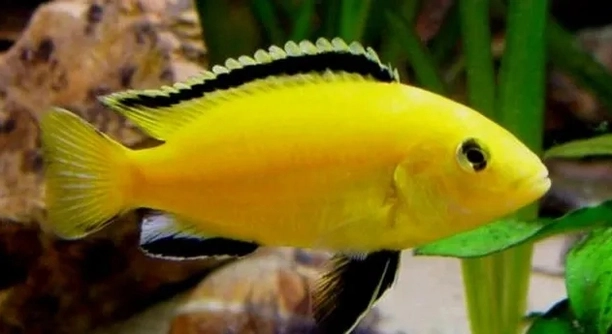
Are you keeping a mixed cichlid tank and noticing subtle changes in behavior among your fish? Watching their interactions closely can help maintain a balanced and healthy environment for all species in your aquarium.
Monitoring behaviors in mixed cichlid communities is essential to prevent aggression, stress, and territorial disputes. Key behaviors include chasing, hiding, color changes, feeding patterns, fin displays, breeding actions, and compatibility with other tank mates, all of which indicate social dynamics.
Observing these behaviors regularly will help maintain harmony and support the long-term health of your cichlids in a shared aquatic environment.
Chasing and Aggression
Chasing is a common behavior in mixed cichlid tanks. Some species are naturally more dominant and may pursue others aggressively. This can happen during feeding, when defending territory, or even during general social interactions. Over time, constant chasing can stress less dominant fish, leading to poor health or injury. Observing which fish initiate and receive these chases helps identify potential issues before they escalate. Providing hiding spaces, rearranging tank decorations, or separating overly aggressive individuals can reduce tension. Aggression levels can also vary depending on tank size, water parameters, and the ratio of males to females. Regularly watching these interactions allows you to make adjustments quickly. Chasing is not always harmful if brief and occasional, but persistent targeting of specific fish should be addressed. By understanding these patterns, you can maintain a more stable and peaceful environment for all cichlids in the tank.
Even minor aggression can cause stress, so monitoring and intervening early keeps the tank healthy.
Creating multiple hiding spots and visual barriers helps reduce chasing, letting fish coexist without constant conflict and supporting overall well-being.
Hiding and Shelter Seeking
Some cichlids prefer hiding when they feel threatened or stressed.
Fish retreat to caves, plants, or decorations to escape aggression or overexposure. This behavior helps them regain confidence, reduce stress, and avoid injuries. Observing which species hide more often can indicate underlying social tensions. Hiding also occurs naturally during breeding, when certain species protect eggs or fry. It is important to balance open swimming areas with sufficient shelters so all fish can feel secure. A lack of hiding spots can increase aggression, while too many can fragment territories, making monitoring interactions harder. Noticing changes in hiding patterns can signal illness or stress. For example, a normally active fish that suddenly hides may need water parameter adjustments or medical attention. Watching and responding to these behaviors ensures that shy or subordinate fish are protected, maintaining a healthier and more balanced aquarium. Regular assessment helps keep both dominant and timid fish comfortable and thriving.
Color Changes
Color changes often reflect mood, health, or stress levels in cichlids. Bright colors usually indicate confidence, while dull or faded tones can signal fear, illness, or submission.
Shifts in coloration can happen rapidly when fish are stressed or facing aggression. For example, a dominant male may darken during territorial displays, while a subordinate fish may pale when chased. Color changes also occur during breeding, signaling readiness or guarding behavior. Observing these shifts helps track social dynamics and overall health. Sudden or prolonged color loss may indicate poor water conditions, disease, or persistent bullying, requiring prompt attention. Recording these changes over time allows for better management and adjustments in the tank environment. By noting which fish change colors in which situations, you can better predict interactions and prevent serious stress-related issues.
Certain species naturally fluctuate in color depending on light, diet, or age. Understanding these patterns helps differentiate normal changes from warning signs, maintaining a balanced tank.
Feeding Behavior
Feeding patterns reveal much about hierarchy and well-being. Fish that consistently eat first are usually dominant, while slower eaters may be stressed or intimidated.
Observing how each cichlid approaches food provides insight into social structure and potential aggression. Aggressive feeders may chase others away or monopolize spots near food sources. Timid fish may struggle to get enough nutrition if competition is high. Feeding behavior also reflects health; a fish that refuses food or eats very little may be ill. Timing, frequency, and type of food can influence these behaviors. Providing multiple feeding points or spreading food throughout the tank helps reduce stress and ensures all fish receive adequate nutrition. Tracking feeding behavior over time allows adjustments that support both social balance and physical health. Maintaining consistent feeding routines helps reduce anxiety and minimizes conflict during meals.
Fin Displays
Fin displays are common among cichlids when establishing dominance or defending territory. Spread fins signal confidence, while clamped fins often indicate stress or submission.
Observing which fish display fins and under what circumstances helps identify social hierarchies. Frequent displays can suggest tension, while balanced interactions indicate a stable community.
Breeding Behavior
Breeding behavior can drastically affect dynamics in a mixed cichlid tank. Courtship often includes chasing, color changes, and nest building. Territorial aggression rises as fish protect eggs or fry. Some species may become highly protective, attacking intruders or rival fish near their breeding site. Fry survival depends on tank layout, hiding spaces, and compatibility. Monitoring breeding actions helps anticipate potential conflicts and allows for timely interventions. Adjusting tank decor or temporarily separating highly aggressive breeders can reduce stress on other fish. Understanding breeding signals ensures the community remains stable while supporting successful reproduction and the overall health of the population.
Compatibility Signals
Observing how different species interact provides insight into compatibility and stress levels. Subtle cues like following, avoiding, or mutual tolerance show whether fish coexist peacefully.
How can I tell if my cichlids are stressed?
Stress in cichlids often shows through changes in behavior or appearance. Fish may hide more frequently, display clamped fins, or lose color. Aggression patterns may shift, with previously calm fish becoming defensive or unusually aggressive. Appetite changes are also a common signal. Stressed fish might eat less, ignore food, or compete excessively. Observing your tank regularly and noting sudden changes helps identify stress early. Water parameters, tank size, and overcrowding often contribute. By maintaining stable conditions and monitoring interactions, you can reduce stress and keep fish healthy.
What should I do if one cichlid is overly aggressive?
Separating aggressive individuals is often necessary to prevent injuries. Rearranging tank decorations or adding visual barriers can help diffuse tension. Adjusting the ratio of males to females may reduce dominance disputes. Providing multiple feeding spots ensures that less dominant fish get adequate nutrition. In some cases, creating a temporary quarantine area allows the aggressive fish to calm down. Monitoring their behavior after adjustments ensures the tank regains stability. Sometimes, selecting species with compatible temperaments from the start can prevent ongoing aggression and promote a more peaceful environment.
How many hiding spots should I provide?
The number of hiding spots depends on tank size and species count. A general guideline is to provide at least one shelter per fish. Overcrowding shelters can fragment territories, but too few increases stress. Hiding places help timid fish avoid constant chasing and give breeders safe areas for eggs and fry. Rocks, caves, and dense plants all serve as effective shelters. Observing which areas are frequently used can guide future arrangements. Consistent access to hiding spots supports balanced social interactions and helps all fish feel secure in their environment.
How do I know if my fish are eating enough?
Feeding behavior reveals both health and social status. Dominant fish usually eat first, while timid individuals may need extra attention. If a fish consistently refuses food, appears thin, or misses meals, it may be stressed or ill. Distributing food across multiple points in the tank ensures everyone has a chance to eat. Using sinking pellets or feeding at different levels can help less aggressive fish. Regular monitoring and weighing portions carefully prevents overfeeding dominant individuals while supporting proper nutrition for the entire community.
Why do some cichlids suddenly change color?
Color changes reflect mood, stress, or health. Bright, vivid colors usually indicate confidence or readiness to breed. Dull or faded colors often signal fear, illness, or submission. Rapid color shifts can happen during aggression or when defending territory. Breeding behavior also affects coloration, with males often showing intensified hues. Observing these changes over time helps differentiate normal variations from potential problems. Maintaining good water quality, a balanced diet, and a stress-free environment supports natural coloration and overall fish health.
When should I intervene in breeding behavior?
Intervention may be necessary if aggression during breeding harms other fish or fry. Highly protective parents may chase or injure tank mates. Providing extra hiding spots or temporarily separating other fish can reduce conflicts. Monitoring the nest and observing fry development ensures they are safe. Intervening too early may disrupt natural breeding, so careful observation is key. Adjusting tank layout and maintaining adequate space for territories helps balance breeding activities with the overall harmony of the community.
Can multiple cichlid species coexist long-term?
Yes, with proper planning and monitoring. Compatibility depends on species temperament, size, and territorial needs. Providing enough space, hiding spots, and evenly distributed food helps reduce aggression. Observing social interactions and being ready to make adjustments maintains balance. Understanding each species’ behavior patterns is essential to prevent chronic stress or injuries. With careful management, mixed cichlid communities can thrive for years, allowing each fish to exhibit natural behaviors while maintaining a stable environment.
Managing a mixed cichlid tank requires patience, attention, and consistency. Observing fish behavior daily is essential for maintaining a healthy and balanced community. Each species has its own temperament and territorial needs, and even subtle signs can indicate stress or potential aggression. Noticing chasing, hiding, color changes, or unusual feeding patterns early allows for timely adjustments. Small interventions, such as rearranging decorations, adding hiding spots, or adjusting tank mates, can prevent problems from escalating. Consistent water quality and proper tank conditions also play a major role in keeping fish healthy. Stable parameters, such as temperature, pH, and cleanliness, reduce stress and support natural behaviors. By combining careful observation with environmental management, you create a setting where all cichlids can coexist more peacefully and thrive.
Providing adequate space and resources is another critical factor in a mixed cichlid community. Overcrowding often increases aggression and stress, while sufficient room reduces territorial disputes. Multiple hiding spots and shelters allow timid or subordinate fish to retreat safely, promoting overall harmony. Feeding practices should account for social hierarchies, ensuring all fish receive proper nutrition. Dominant fish may need their access moderated while less assertive individuals are given a chance to eat. Monitoring interactions during feeding times can reveal subtle conflicts that may otherwise go unnoticed. Understanding species-specific needs, such as breeding behaviors or territorial tendencies, allows for better planning and tank organization. Even small changes, like adding a cave or rearranging rocks, can make a noticeable difference in reducing tension and promoting a more stable environment.
Long-term success in a mixed cichlid tank comes from observation, intervention, and understanding. Watching behaviors over time helps identify patterns and predict potential conflicts before they escalate. Adapting the tank layout, adjusting feeding strategies, and maintaining water quality all contribute to a harmonious community. Even minor signs of stress or aggression should be addressed promptly to prevent injury or long-term health issues. Recognizing normal behaviors versus warning signs is key to managing the tank effectively. By remaining attentive and proactive, you can create an environment where cichlids display natural behaviors, coexist peacefully, and enjoy a healthier, more balanced life. Regular observation and thoughtful management make the difference between a chaotic tank and a thriving, stable community.

Hello,
If you enjoy the content that we create, please consider saying a "Thank You!" by leaving a tip.
Every little bit helps us continue crafting quality advice that supports the health, happiness, and well-being of pets around the world, for pets of all shapes, sizes, and species.
We really appreciate the kindness and support that you show us!