
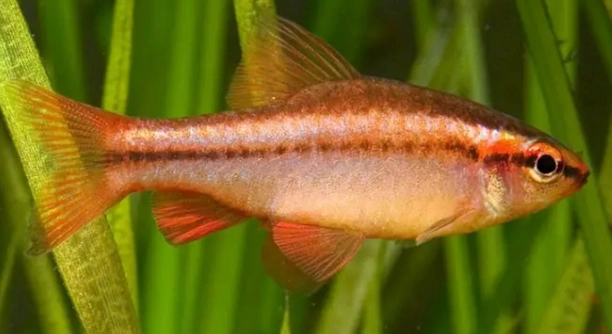
Cherry barbs are popular among aquarium enthusiasts due to their vibrant colors and active nature. However, some aquarium owners find that these fish tend to ignore the floating plants in their tanks. Understanding why this happens can help improve the aquarium environment for these fish.
Cherry barbs may ignore floating plants due to several factors, such as water flow, plant type, or environmental conditions. If the water current is too strong, the barbs may avoid floating plants as they can disrupt their movement or feeding.
Exploring the reasons behind this behavior can help you create a more suitable habitat for your cherry barbs. By adjusting their environment, you can enhance their comfort and make your aquarium more enjoyable.
Why Cherry Barbs May Avoid Floating Plants
When you introduce floating plants to your aquarium, it’s natural to expect your cherry barbs to explore them. However, many owners notice that their fish simply ignore the plants, swimming around them without interacting. The first thing to consider is the environment in your tank. Cherry barbs are active swimmers and prefer areas with plenty of space to move freely. If the floating plants take up too much room or block their swimming path, the fish might avoid them. Additionally, cherry barbs are often more interested in other parts of the tank, such as plants closer to the substrate or decorations that offer hiding spots. This means floating plants might not be their first choice when looking for shelter or food.
Water flow also plays a role in how cherry barbs interact with their surroundings. If the water current is too strong, the plants may move too much, creating an uncomfortable environment for the fish. They might avoid these areas altogether. The type of plant also matters. Some floating plants, like duckweed or water lettuce, can block light from reaching other plants in the tank, causing an imbalance in the aquarium.
Factors Affecting Plant Interaction
The size and shape of the plants can influence how the fish engage with them. Large, dense plants can make it difficult for cherry barbs to swim around comfortably.
Cherry barbs also tend to be surface feeders, often looking for smaller food particles or algae on the water surface. They might avoid floating plants if they feel these plants don’t provide the food they need. Instead, they may focus on areas of the tank where food is more abundant. Additionally, cherry barbs are social fish, and they often prefer to stick together. If one of them is avoiding the floating plants, the others might follow suit, creating a pattern of avoidance.
Adjusting Your Tank for Cherry Barbs
If you want your cherry barbs to take an interest in the floating plants, consider modifying their environment. Reduce the water flow to make the plants more stable, and ensure they don’t take up too much space. You can try smaller floating plants, like small ferns or moss balls, that won’t overwhelm the barbs’ swimming area. Keep in mind that cherry barbs enjoy a well-balanced tank, so providing a variety of plants at different levels (from the bottom to the surface) could encourage them to explore all areas. Placing some food near the floating plants may also help attract them to this part of the tank. Finally, make sure your water conditions, like temperature and pH, are ideal for the health of the fish. By maintaining the right balance, you can help your cherry barbs feel comfortable enough to check out their floating plant neighbors.
Water Flow and Current
Strong water currents can make floating plants less appealing to cherry barbs. If the water is too fast, the plants move excessively, which can disturb the fish. Cherry barbs prefer calm or slightly moving waters. In tanks with strong currents, fish may seek out more stable areas where they feel more secure.
Reducing the water flow can encourage the barbs to interact with their environment more. If you notice the plants drifting wildly, it might be time to adjust the filter or consider a sponge filter. This can create calmer water that gives your cherry barbs the chance to explore the plants. Additionally, check the positioning of your plants. If the water flow moves them around too much, relocating the plants may help.
In tanks with more gentle currents, cherry barbs are more likely to take an interest in their surroundings. They tend to move freely and explore, so providing a calm environment can help them feel comfortable enough to engage with the floating plants.
Plant Type and Density
The type of floating plant can significantly impact how cherry barbs interact with them. Plants like duckweed or water lettuce can cover the surface quickly, blocking light from other plants. Cherry barbs may avoid dense floating plants because they prefer areas with more space to swim freely.
If you use floating plants in your tank, try lighter options like frogbit or small water sprites. These plants don’t cover the surface as much and allow light to filter through, helping both your barbs and other plants thrive. When there is enough space and light, cherry barbs may feel more inclined to explore the floating plants.
Keep in mind that cherry barbs like a variety of plant life to swim through, but they don’t want to feel crowded or trapped. Choose floating plants that won’t take up too much space, leaving plenty of room for swimming. If your tank feels too cramped, your fish may just avoid the plants altogether.
Light Levels
Floating plants can block out light from reaching the bottom of the tank, which can affect the behavior of cherry barbs. These fish enjoy swimming in well-lit environments, and if the floating plants cover too much of the surface, they may feel less active.
Ensure that the plants you choose allow light to filter through. A lack of light can cause your cherry barbs to be less active or avoid certain areas of the tank. If the tank feels too dark or shadowed, the fish may stay away from the floating plants.
Tank Decorations and Hiding Spots
Cherry barbs like to have a variety of hiding spots in their tank. If your floating plants block their path to other hiding places, they might ignore them. Providing multiple options for shelter encourages the fish to feel more comfortable in their space.
Cherry barbs are curious and social, but they also appreciate the opportunity to hide when needed. If your tank has decorations like rocks, caves, or plants near the substrate, they might prefer these over floating plants. The key is offering a mix of plant types and decorations for the barbs to explore.
FAQ
Why do cherry barbs avoid floating plants?
Cherry barbs might avoid floating plants due to a few key reasons. One possibility is that the plants block their movement or take up too much space. Cherry barbs are active swimmers and need room to move freely. If the plants occupy too much of the tank, they may avoid those areas altogether. Additionally, the water flow around floating plants can affect how comfortable the fish feel. Strong currents created by moving plants might push them away, as cherry barbs prefer calm areas. Another reason could be that floating plants don’t provide the shelter or food they need compared to other plants or decorations in the tank.
Can the water current affect my cherry barbs’ behavior?
Yes, water current plays a significant role in how cherry barbs interact with their environment. Cherry barbs are more likely to avoid floating plants if the water current is too strong. The constant movement of the plants can be unsettling for them, causing them to stay away from those areas. In tanks with gentle water flow, the fish are more likely to explore the plants and interact with their surroundings. Reducing the water flow or using a sponge filter can help create a calmer environment, allowing the barbs to feel more comfortable and explore the floating plants.
Do all floating plants affect cherry barbs the same way?
No, not all floating plants affect cherry barbs in the same way. Plants like duckweed or water lettuce tend to spread quickly and cover a large portion of the water surface. This can block light from reaching the tank’s bottom and make the environment feel cramped for the fish. On the other hand, smaller floating plants like frogbit or small water sprite allow light to filter through and don’t take up as much space. These plants are less likely to make the cherry barbs feel restricted and are more likely to encourage them to explore. Plant selection plays an important role in ensuring the comfort of your fish.
What is the best water temperature for cherry barbs?
Cherry barbs thrive in water temperatures between 72°F and 80°F (22°C – 27°C). Maintaining this temperature range will help them stay active and healthy, making it easier for them to interact with their environment, including floating plants. If the temperature drops too low, the fish might become sluggish or stressed, and if it rises too high, it could lead to health problems. A stable temperature is important for their overall well-being, and it may also impact their behavior around floating plants.
Can cherry barbs eat the floating plants?
While cherry barbs are omnivores, they typically don’t eat floating plants in large quantities. Instead, they will nibble on algae, small microorganisms, or decaying plant matter that may grow on the plants. Some floating plants, like duckweed, may even become a food source for them if the fish are hungry. However, they prefer to graze on more nutritious options, such as algae or specialized fish food. Providing a variety of food sources will ensure your cherry barbs remain healthy and may reduce their tendency to focus on the plants.
How can I encourage my cherry barbs to interact with the floating plants?
To encourage your cherry barbs to engage with floating plants, you can create a more comfortable environment by adjusting the water flow and choosing appropriate plants. Reducing strong currents will make the tank more inviting for the fish. Additionally, you can try smaller floating plants, like frogbit or water sprite, that don’t overwhelm the tank. Placing food near the floating plants can also draw the cherry barbs’ attention to these areas. Offering a variety of plants and decorations will give them plenty of options, encouraging curiosity and interaction.
Are floating plants beneficial for cherry barbs?
Yes, floating plants can be beneficial to cherry barbs, but only if their environment is balanced. Floating plants provide hiding spots and help maintain water quality by absorbing excess nutrients and providing oxygen. They can also help reduce the amount of light in the tank, mimicking natural conditions where fish can hide in shaded areas. However, if the plants cover the entire surface and block light from other plants, they may create an imbalance. A few floating plants can be great for the fish, but it’s important not to overcrowd the surface.
What other plants do cherry barbs prefer?
In addition to floating plants, cherry barbs enjoy plants that provide plenty of swimming space, such as Java fern, Anubias, and Amazon sword. These plants don’t spread across the surface as floating plants do but provide shelter and grazing opportunities. Cherry barbs appreciate the diversity of plant life in their tank, especially plants with broad leaves or low-growing options that allow them to move freely without feeling crowded. Providing a combination of different plant types will keep your cherry barbs active and content.
Can cherry barbs live with other fish?
Yes, cherry barbs are peaceful fish and can live harmoniously with many other species. They are social creatures and prefer being in groups of at least six, which can also help reduce stress. They get along with other peaceful fish like tetras, rasboras, and guppies. However, it’s important to avoid keeping them with overly aggressive fish that may stress them out or outcompete them for food. With the right tank mates, your cherry barbs will feel comfortable and more likely to interact with their environment, including floating plants.
How often should I change the water for my cherry barbs?
Water changes are essential for maintaining a healthy tank for your cherry barbs. It’s recommended to change about 25-30% of the water every two weeks. Regular water changes help remove excess nutrients, waste, and toxins that can build up and cause stress for your fish. Clean, fresh water supports better overall health and can encourage your cherry barbs to be more active. If you have a heavily planted tank, more frequent changes may be needed to prevent algae blooms or other issues. Regular maintenance will keep both the fish and plants thriving.
Final Thoughts
Cherry barbs are generally easygoing and adaptable, but their interaction with floating plants can depend on a variety of factors. While these fish might initially ignore the floating plants in their tank, it’s often due to specific environmental conditions. Water flow, plant type, and the overall balance of the tank play significant roles in how the fish behave. By observing your fish and adjusting their environment, you can encourage more positive interaction with the plants. It’s all about finding the right balance between space, lighting, and water flow.
Floating plants can be a great addition to your aquarium, but they aren’t always the right fit for every tank. They provide shelter, reduce light intensity, and help keep the water clean. However, when they take up too much space or block the light, they may not be ideal for cherry barbs. Smaller, less dense plants tend to work better for these fish. You may also need to make adjustments to the water current to ensure it doesn’t interfere with their comfort. Keeping the tank clean and ensuring the fish have plenty of other areas to explore can also encourage the cherry barbs to engage with their floating plants.
Ultimately, every tank is unique, and the behavior of your cherry barbs may vary depending on their environment. The key is understanding what makes them feel secure and allowing them to swim and explore freely. Whether you’re new to keeping cherry barbs or have experience with them, the main focus should always be on creating a comfortable and balanced environment. By making small adjustments to water flow, plant types, and tank decorations, you can create a space where both your fish and plants can thrive.

Hello,
If you enjoy the content that we create, please consider saying a "Thank You!" by leaving a tip.
Every little bit helps us continue crafting quality advice that supports the health, happiness, and well-being of pets around the world, for pets of all shapes, sizes, and species.
We really appreciate the kindness and support that you show us!