
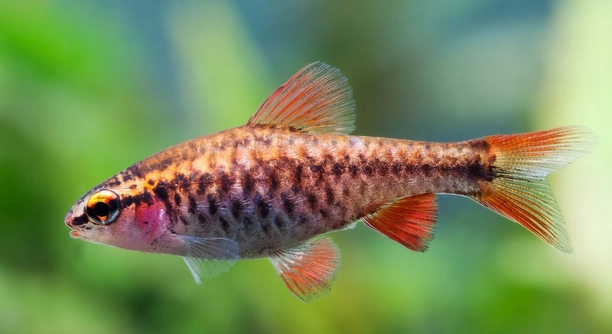
Are your cherry barbs looking dull or swimming less than usual? Small changes in their tank setup could be the reason why. Their behavior and color often reflect how happy and healthy they really feel.
Making small adjustments such as adding more plants, improving water quality, and providing a consistent feeding schedule can significantly boost the happiness and activity levels of cherry barbs in home aquariums.
Even minor improvements to their environment can bring out brighter colors, playful behavior, and better overall health.
Add More Plants to Their Tank
Live plants create hiding spots and reduce stress for cherry barbs. They feel safer when they can dart behind leaves or rest under soft foliage. Plants also improve water quality by absorbing waste and releasing oxygen. Popular choices like java fern, hornwort, and anubias are hardy and easy to care for. These plants don’t need special lighting or high maintenance. Once added, cherry barbs become more active, display brighter colors, and tend to explore more. A well-planted tank mimics their natural habitat, encouraging natural behaviors like schooling and gentle chasing. For small tanks, even a few floating plants can help.
Plants make the tank look better while also making the fish feel better. You don’t need to overdo it. Just a few plants placed thoughtfully can bring noticeable changes.
Choose a mix of tall background plants and short ones for the front. Keep some open space for swimming. Plant roots in gravel or tie them to rocks if needed. Rinse plants before adding them to remove any residue. Avoid overcrowding the tank as this can reduce swimming space. Maintain your plants with occasional trimming to prevent them from taking over. Healthy plants help keep your cherry barbs calm, playful, and more comfortable.
Improve Water Quality
Clean, stable water is key to healthy cherry barbs. Even small changes in parameters can affect their mood and behavior.
Start by testing the water regularly with an aquarium test kit. Cherry barbs do best in water with a temperature of 74–80°F, pH between 6.0–7.5, and low ammonia and nitrate levels. Weekly partial water changes—about 20–30%—help keep toxins low. Use a good filter and rinse it in tank water to avoid killing helpful bacteria. Dechlorinate any new water before adding it to the tank. Avoid overfeeding, as uneaten food quickly breaks down and affects water quality. Gravel vacuums remove debris that builds up over time. These steps prevent sudden spikes that can stress or harm your fish. Watch for cloudy water or sluggish behavior—these are signs the water might need attention. A consistent cleaning routine supports a healthy environment. Balanced water conditions will bring out your cherry barbs’ best colors and help them stay active and happy.
Keep a Consistent Feeding Schedule
Feeding your cherry barbs at the same times each day helps lower stress and creates a sense of routine. They learn when to expect food, which keeps them calm and active. Avoid skipping or changing feeding times too often.
Offer food once or twice daily, at set times. Use small amounts that they can finish within two minutes to avoid leftovers polluting the tank. A mix of high-quality flakes, micro-pellets, and occasional frozen or live treats like daphnia or brine shrimp works well. Variety supports their health and keeps meals interesting. Watch how much they eat—overeating can cause health problems and dirty the water quickly. If you need to be away, consider using an automatic feeder. These little habits add up and make a noticeable difference in their behavior. Regular feeding keeps them bright, alert, and eager to swim around the tank.
Cherry barbs feel more secure when their environment is predictable. A feeding routine builds trust and gives them energy to stay active. When food arrives at the same time each day, it reduces begging behavior and supports a healthy metabolism. This consistency can also help you monitor their health—if one stops eating, it’s easier to spot and handle quickly.
Reduce Loud Noises and Vibrations
Cherry barbs are sensitive to sound and movement outside their tank. Loud music, slamming doors, or constant tapping on the glass can startle them and cause stress. Stress weakens their immune system and changes their behavior.
Place the tank in a quiet part of the house, away from high-traffic areas. Avoid setting it near speakers, TVs, or washing machines. If kids or guests tap the glass often, consider using a note to remind them not to. These small vibrations may not seem like much, but to a small fish, they can feel like sudden shocks. When barbs feel safe, they swim smoothly, eat well, and show better color. Reducing noise also encourages schooling behavior, where they swim calmly together. For extra comfort, place a background behind the tank to block movement from behind. A peaceful tank keeps cherry barbs calm and confident.
Give Them Room to Swim
Cherry barbs are active swimmers and need open space. A tank that’s too crowded with decorations or other fish can make them feel trapped. Leave clear areas for free swimming, especially in the middle and upper parts of the tank.
Avoid placing too many objects or bulky ornaments. While hiding spots are important, balance is key. Keeping plants and décor near the edges creates a more open center, which cherry barbs enjoy. A spacious layout makes them more playful and relaxed.
Keep a Stable Group Size
Cherry barbs are social and thrive in groups. Keeping them in schools of at least six helps reduce stress and encourages natural behaviors like gentle chasing and schooling. Smaller groups can lead to bullying or timid behavior. Make sure your tank is big enough to support a proper group.
Avoid Sudden Lighting Changes
Cherry barbs don’t respond well to lights turning on or off too quickly. Sudden brightness can startle them and lead to frantic swimming or hiding. Use a timer or dim the room lights first to ease the transition.
FAQ
How do I know if my cherry barbs are happy?
Happy cherry barbs are active, swim freely, and interact with each other. They’ll often swim in small groups and show off their colors. Their fins will be open and smooth, not clamped against their bodies. You’ll also see them exploring the tank, darting around plants, or gently chasing each other. They’ll eat eagerly at feeding time and rest calmly when not active. A lack of movement, dull color, or hiding for long periods may be signs something is off in the tank. Regular observation helps you spot changes early and adjust as needed.
Do cherry barbs need a heater?
Yes, cherry barbs are tropical fish and need warm water. A heater helps keep the temperature stable between 74–80°F. Fluctuating temperatures can cause stress, making your fish more prone to illness. Even if your home stays warm during the day, temperatures can drop at night, especially in cooler months. A reliable heater with a built-in thermostat is the best way to maintain proper conditions. Always check the temperature regularly with a thermometer. For larger tanks, placing the heater near the filter helps distribute heat evenly.
Can cherry barbs live with other fish?
Cherry barbs are peaceful and get along well with other calm community fish. Good tank mates include harlequin rasboras, corydoras, neon tetras, and small gouramis. Avoid aggressive or fin-nipping species like tiger barbs or certain types of cichlids. Overcrowding should also be avoided, as it raises stress levels and reduces swimming space. Before adding new fish, research their needs to ensure compatibility with cherry barbs in terms of water conditions and behavior. A peaceful tank makes all fish more relaxed and active.
How often should I clean the tank?
A light cleaning once a week is ideal. Remove about 20–30% of the water and replace it with clean, dechlorinated water. Vacuum the gravel to remove waste and uneaten food. Rinse filter sponges in tank water—never tap water, which can kill beneficial bacteria. Every month or two, check decorations and plants for algae or buildup. Avoid cleaning everything at once, which can disturb the tank’s balance. A consistent routine keeps the water clean and helps prevent stress-related illness.
What do cherry barbs eat?
Cherry barbs are not picky and eat a wide range of foods. A good base is high-quality flakes or micro-pellets. Supplement with frozen or live foods like brine shrimp, daphnia, or bloodworms once or twice a week. These treats help boost color and energy. You can also give them blanched veggies like zucchini or spinach in small amounts. Feed only what they can eat in 1–2 minutes to avoid leftover food rotting in the tank. Overfeeding can lead to health issues and dirty water.
Do cherry barbs breed easily?
Yes, if the conditions are right, cherry barbs can breed in a home tank. Males become brighter red during spawning. To encourage breeding, use a separate breeding tank with plants or a spawning mop. The female will scatter eggs, which the male fertilizes. Remove the adults after spawning, as they may eat the eggs. Keep the breeding tank clean and gently aerated. The eggs hatch in 24–48 hours, and fry can be fed infusoria or powdered fry food.
Why are my cherry barbs hiding a lot?
Frequent hiding can be a sign of stress. Common causes include poor water quality, sudden lighting changes, loud noises, aggressive tank mates, or not enough cover in the tank. Start by testing the water and checking if parameters are within range. Make sure they’re in a proper group size, ideally six or more. Add live plants or decorations that offer shelter. Limit loud sounds or movement near the tank. If the fish are new, give them time to adjust to their new surroundings.
How long do cherry barbs live?
With proper care, cherry barbs can live up to 5–6 years. Good water quality, a balanced diet, low stress, and a stable environment all contribute to a longer life. Regular tank maintenance and observing them for early signs of illness can also make a big difference. Fish that are kept in poor conditions may only live a couple of years. A little attention to their needs helps them thrive and stay active over time.
Final Thoughts
Cherry barbs are small, peaceful fish that can bring a lot of movement and color to your aquarium. They are not difficult to care for, but like all fish, they do best when their needs are met. Small changes—like adding live plants, keeping water clean, and feeding them at the same time each day—can make a big difference in how they behave and feel. These fish enjoy swimming in groups, exploring their surroundings, and showing off their natural colors. When the tank is set up well, they are active, curious, and fun to watch.
Keeping cherry barbs happy doesn’t require anything fancy. Most of the changes mentioned in this article are simple and affordable. A little extra attention to noise, lighting, and space can help lower their stress and bring out their natural habits. Adding a few more plants or checking the water once a week only takes a few minutes but supports their health in the long run. If you’re new to keeping fish or looking to improve your tank, starting with small adjustments is a smart way to go. Cherry barbs respond quickly to better care, so you may notice improvements within a few days.
Watching your cherry barbs become more active and colorful is rewarding. It’s a sign that they feel safe and comfortable in their environment. Even though they are tiny, they rely on you to keep things stable and clean. By understanding their needs and being consistent with care, you’re helping them live longer, healthier lives. These changes don’t just benefit your fish—they also make the tank more enjoyable to look at and easier to manage. Whether you’ve had cherry barbs for years or just added them to your tank, small improvements can make a big difference over time.

Hello,
If you enjoy the content that we create, please consider saying a "Thank You!" by leaving a tip.
Every little bit helps us continue crafting quality advice that supports the health, happiness, and well-being of pets around the world, for pets of all shapes, sizes, and species.
We really appreciate the kindness and support that you show us!