
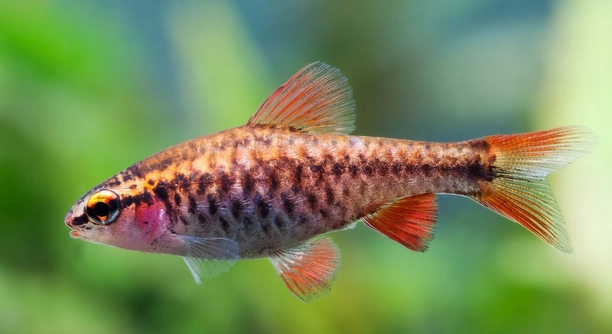
Do your cherry barbs tend to stick to the edges of the tank, leaving the center area looking oddly empty and still?
Cherry barbs often avoid the center of the tank due to stress, poor tank layout, or lack of proper hiding spots. Inadequate environmental conditions and the presence of dominant or aggressive tankmates can also influence their behavior.
Understanding their behavior can help create a more comfortable tank environment and improve their overall activity and health.
Common Reasons Cherry Barbs Stay Near the Tank Edges
Cherry barbs often avoid the center of the tank due to environmental stress. Bright lighting, strong water flow, and limited cover can make the center feel exposed. These fish are naturally timid and prefer areas where they can retreat or hide. If the tank has open space in the middle with plants or decorations only along the edges, the fish will instinctively stay near the sides. Overcrowding or incompatible tankmates can also make them feel unsafe in more visible areas. Another factor is water quality. Poor conditions may lead them to remain near filter outputs or zones with better circulation. Even sudden changes in temperature or pH can make them uneasy. A tank layout that doesn’t feel secure will discourage them from exploring freely. If they used to swim more openly and suddenly stopped, something in their setup may have changed or is affecting their comfort.
A lack of visual cover and hiding areas in the center can contribute to their hesitation to swim there.
To encourage center exploration, create visual barriers using plants and decorations. These help fish feel safe enough to leave the edges. Monitor lighting, reduce current, and make sure water conditions stay consistent.
Improving the Tank Environment for Better Behavior
Making a few changes can support better movement throughout the tank.
Start by checking lighting levels. Strong overhead light can make fish feel exposed, especially in the middle. Use floating plants to create dappled lighting and reduce harsh brightness. Next, add mid-height plants, rocks, or driftwood in the center. These structures offer cover and break up open space, making it more inviting. Check your water parameters and keep them within ideal range. Cherry barbs prefer stable, clean water, with pH around 6.5 to 7.5 and temperatures between 73°F and 81°F. Avoid placing aggressive or fast-swimming species in the same tank, as they may intimidate the cherry barbs. If space allows, increase the school size. These fish feel more confident in larger groups, which can encourage more movement away from the edges. Also, reduce water flow if it’s too strong. Slower water promotes more natural, relaxed swimming patterns. Observing their response after these changes will show you what adjustments work best.
Behavioral Factors That Influence Swimming Patterns
Cherry barbs are naturally shy, especially when first introduced to a new environment. Even in a well-maintained tank, they may take time to adjust before feeling secure enough to use all areas, including the center.
Group dynamics play a strong role in their comfort levels. If the group is too small, cherry barbs may feel unsafe, sticking to edges for security. Increasing the school size to at least six can ease this. Also, if there’s a more dominant fish within the group or tank, others may avoid central zones to stay out of sight. Sudden movements outside the tank, such as people walking past frequently, can also contribute to their cautious behavior. Fish remember patterns, so if they’ve had past experiences with stress or sudden changes, they tend to stay closer to structures. Their swimming patterns are directly linked to how safe and stable their surroundings feel.
Changes in lighting, tank layout, or even nearby noise can shift behavior. If the center of the tank remains unused despite good water quality, look at routine disruptions or subtle environmental cues. Reducing human traffic near the tank and minimizing sudden changes can help build trust over time. Small habits matter to these fish.
Signs of Stress to Watch For
Frequent hiding, sudden darting, pale coloration, and a loss of appetite can all point to stress. These signs are often tied to environmental discomfort, poor water quality, or tankmate issues.
If you notice cherry barbs avoiding the center while also showing these signs, take a closer look at what has changed in the tank. Check if lighting has become brighter, if there are aggressive tankmates, or if a new piece of décor has altered their comfort zone. Sometimes, even background noise or sudden temperature shifts can cause fish to become nervous. These signs should not be ignored. Observing them consistently means it’s time to reassess tank conditions. Look at everything from filtration flow to how often you’re feeding and whether other species are chasing or nipping. Stress affects their health, and avoiding the center is just one of the many ways they try to cope. Address the cause to help them feel at ease.
Importance of School Size and Social Comfort
Keeping cherry barbs in groups of fewer than six can cause them to become anxious and stay near the edges. They rely on group behavior for confidence, and a small school may lead to timid, withdrawn actions.
A larger group helps reduce stress and encourages more open swimming. When they feel supported by numbers, they begin exploring all parts of the tank, including the center.
Tank Layout Tips That Work
A tank that supports natural behavior should have plants and structures throughout, not just at the edges. Place tall and bushy plants in the middle to create safety zones and break up visibility. Use smooth rocks, driftwood, or caves to form gentle barriers that block direct sightlines across the tank. This gives fish a sense of security while moving around. Avoid placing decorations only against the back or sides, as that keeps them hiding. Arrange items in layers, so there’s space to explore in all directions. When they feel hidden but not trapped, cherry barbs gain confidence. A balanced layout encourages natural swimming without needing to hug the tank walls.
Why Lighting Placement Matters
Overhead lighting that’s too strong can cause cherry barbs to avoid the center. Softer, indirect lighting or floating plants can help ease that discomfort.
FAQ
Why do cherry barbs hide even when the tank seems fine?
Cherry barbs can hide even in a well-maintained tank if they feel exposed or unsettled. Their behavior is often tied to lighting, tank layout, or group size. Even loud noise or movement outside the tank can startle them. If your setup lacks mid-level plants or hiding spots, they may feel too vulnerable to swim freely. The tank may look fine to you, but small details like flow direction, sudden lighting shifts, or a small school size may create discomfort for the fish.
How many cherry barbs should I keep together to make them feel safe?
A group of at least six is recommended. Cherry barbs are schooling fish and feel safer when they have others to swim with. Small groups can make them nervous and less active. Larger groups encourage natural swimming behavior and increase confidence. If they’re kept in pairs or trios, you’ll likely see more hiding and less use of the tank’s central space. More barbs can also reduce bullying by spreading out social tension across the group.
What types of tankmates are best for cherry barbs?
Choose calm, peaceful fish that don’t outcompete or intimidate them. Good options include neon tetras, harlequin rasboras, and small Corydoras. Avoid aggressive species or those that nip fins. Fast swimmers like danios might stress cherry barbs if there’s limited space. Cherry barbs do well with other non-aggressive species that stay in different parts of the tank. A peaceful community will support their calm behavior and help them feel more secure.
Does temperature or pH cause cherry barbs to avoid the tank center?
Yes, unstable temperature or pH levels can cause stress and affect their swimming patterns. Cherry barbs thrive in temperatures between 73°F and 81°F, and a pH range of 6.5 to 7.5. Sudden drops or spikes outside these ranges can cause them to stay near filter outputs or the bottom, avoiding the center. Even small fluctuations are enough to affect their comfort. Consistent water conditions help them feel stable and safe in all areas of the tank.
How do I know if my lighting is too bright for cherry barbs?
If your cherry barbs are always in the corners or under decorations and rarely explore the tank openly, your lighting may be too harsh. Overhead LED lights without shade or cover can make them feel exposed. You can reduce light intensity with floating plants or adjustable light settings. Observing their behavior before and after dimming the light can help confirm if brightness is affecting them. They do better in soft, indirect lighting.
What’s the best way to adjust water flow to help them explore more?
Strong water flow can push cherry barbs away from the center of the tank. Try angling the filter output toward the back or adding a sponge over the outlet to reduce current. You can also break up the flow with plants or décor placed in front of the outlet. Watch how they respond—if they start swimming in areas they previously avoided, the adjustment likely helped. A gentle flow is better suited to their calm swimming style.
Can rearranging the tank help change their behavior?
Yes, small layout changes can have a big effect. Rearranging plants and decorations in the middle of the tank can encourage exploration. Create natural paths and hiding spots throughout the tank to help them feel protected. Don’t leave large open areas with no cover. If they feel they can move without being fully exposed, they’ll use the space more freely. Rearranging also helps if one fish has claimed a section and is keeping others away.
Why are they acting differently after a water change?
Water changes can temporarily stress cherry barbs, especially if the new water’s temperature or chemistry is different from the tank. Even gentle changes in pH or hardness can affect behavior. If they start hiding more after a water change, double-check that the new water matches existing tank conditions. Use a thermometer and water test kit to confirm. Pour water in slowly, and avoid splashing to reduce stress during the process.
Is it normal for them to swim mostly near plants?
Yes, cherry barbs naturally gravitate toward plants for shelter and comfort. They feel safer among vegetation and are more likely to swim in planted areas. A heavily planted tank helps mimic their natural habitat. As long as they’re active and not showing signs of stress, this behavior is normal. To encourage center movement, place some plants mid-tank or use floating ones to create shade. This gives them coverage while allowing movement beyond the edges.
Final Thoughts
Cherry barbs are peaceful, active fish that enjoy a calm and stable environment. When they avoid the center of the tank, it’s usually because they feel unsafe or uncomfortable. This behavior is often linked to factors such as tank layout, lighting, group size, or stress from sudden changes. In many cases, small adjustments can make a big difference in how comfortable they feel in their space. Providing a planted environment with plenty of hiding spots and calm tankmates helps create the right conditions for them to swim freely.
Maintaining stable water conditions is also important. Regular water testing, consistent temperatures, and avoiding sudden changes during water changes will help them stay relaxed and active. Cherry barbs are sensitive to shifts in pH, temperature, and flow, and any imbalances can lead them to hide more often. A proper filter setup with a gentle flow also supports a calm environment. When conditions are right, cherry barbs tend to use the entire tank more evenly, including the center area.
Observing your fish regularly can help you spot signs of discomfort early. If you notice new behavior, like staying hidden or avoiding specific areas, take time to review the tank setup and water parameters. Adding more plants, improving the layout, or increasing the group size often helps. Every small change contributes to their overall comfort and behavior. With the right care and attention, your cherry barbs can feel safe enough to explore their tank fully and show their natural, active behavior.

Hello,
If you enjoy the content that we create, please consider saying a "Thank You!" by leaving a tip.
Every little bit helps us continue crafting quality advice that supports the health, happiness, and well-being of pets around the world, for pets of all shapes, sizes, and species.
We really appreciate the kindness and support that you show us!