
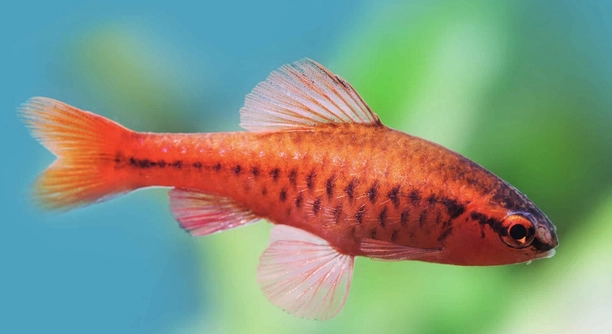
Dominant male cherry barbs exhibit several distinctive behaviors that set them apart in their environment. These behaviors contribute to their dominance in their group, making them stand out among other fish in the tank.
The seven most common habits of dominant cherry barb males include displaying territorial behaviors, guarding breeding sites, aggressive posturing, chasing rivals, engaging in courtship rituals, maintaining strong body coloration, and defending resources from other males.
Understanding these habits can help you maintain a balanced and thriving aquarium, ensuring the health and well-being of all your fish.
Territorial Behaviors of Dominant Cherry Barb Males
Dominant male cherry barbs often establish and defend territories within the tank. These areas are typically marked by the males’ bright coloration and aggressive posturing. The males fiercely guard their space from other fish, especially rival males, to maintain their position as the dominant figure. This behavior is essential for their breeding success, as the males aim to create a safe environment for courtship and spawning. Territorial disputes may arise, with the dominant male chasing off intruders or engaging in aggressive displays to assert his authority.
These territorial habits help cherry barbs maintain a hierarchy within their groups. By staking claim to a particular area, the dominant male secures the best spot for attracting females and breeding. This territorial instinct is not only vital for reproduction but also plays a role in ensuring the health of the group by reducing conflicts over resources.
The bright coloration displayed by dominant males serves as a visual cue to other fish, signaling both strength and readiness to defend their space. It is a clear indicator of dominance and a tool in mate selection.
Guarding Breeding Sites
Dominant males will vigorously protect breeding sites. They often choose secluded, well-vegetated areas to create nests and attract females. Once a female is interested, the male will go to great lengths to defend this space against other males. This protection ensures a safe environment for the eggs, allowing the male to increase his chances of reproductive success. Guarding the breeding site also minimizes the risk of predators, ensuring the safety of the eggs until they hatch.
By safeguarding their nests, dominant males improve the likelihood that their offspring will survive and thrive. This behavior is a direct result of their instinct to ensure the continuation of their lineage.
Aggressive Posturing
Dominant cherry barb males use aggressive posturing to assert their dominance. They display their vibrant colors and expand their fins to appear larger. This display helps deter other males from challenging their position. The more aggressive the posture, the stronger the male’s hold over the territory becomes.
When a rival approaches, the dominant male will engage in a series of aggressive postures. These include flaring fins, puffing up their bodies, and performing fast, erratic swimming movements. This behavior is a clear sign of confidence, warning other males not to approach. The display serves as both a visual and behavioral cue, emphasizing strength and territorial control.
In some cases, the dominant male may follow up the posturing with chasing or quick strikes if the rival does not retreat. This ensures that the territory remains firmly under the male’s control, allowing him to secure resources, mates, and breeding opportunities without interference.
Chasing Rivals
Chasing rivals is a common tactic used by dominant male cherry barbs. Once they’ve established a territory, any intruder or challenge to their position is met with swift pursuit. These chases are not just about aggression; they are a show of authority, reinforcing the male’s role in the tank.
The chasing behavior is vital to maintaining order within the group. When rival males approach or enter the dominant male’s territory, the chase begins. This helps prevent any serious conflicts and maintains a clear hierarchy. The speed and intensity of these chases can vary depending on the rival’s aggression and size, but the dominant male rarely backs down.
The chase continues until the intruder either retreats or is forced to leave the area. This ensures the dominant male maintains control over his territory, reinforcing his status as the leader of the group.
Engaging in Courtship Rituals
Courtship rituals are vital for dominant cherry barb males to attract females. These males often engage in specific movements, such as swimming in circles and performing quick, erratic motions. These displays showcase their energy, health, and readiness to breed.
The courtship ritual typically begins with the male showcasing his bright coloration to the female. This visual display helps signal his health and dominance. He may also swim in intricate patterns, demonstrating his agility. The more elaborate the courtship, the more likely the female will be attracted to him. This ritual is crucial for successful mating.
Maintaining Strong Body Coloration
Maintaining strong body coloration is essential for dominant cherry barb males. Their vivid reds and oranges signal their fitness and readiness to mate. This coloration is a visual cue to both rival males and females, helping them stand out in the tank.
The intensity of their colors fluctuates depending on their mood, health, and level of dominance. The brighter the coloration, the more dominant the male appears. This is crucial for both attracting mates and defending territory. Dominant males often use this to intimidate other fish, ensuring their control over the environment.
Defending Resources from Other Males
Defending resources, such as food and space, is another key behavior of dominant males. They will fiercely protect any valuable resources within their territory. This behavior helps ensure they have access to the best spots for breeding and feeding, giving them an advantage over other males.
FAQ
How can I tell if a cherry barb male is dominant?
A dominant cherry barb male typically has bright, vivid colors, especially when compared to the other males in the tank. His body will be more intensely red or orange, and he will often display these colors through various postures, including expanding his fins and puffing up his body. You may also notice that he tends to stay in one area, guarding it, and chasing other males away from his territory.
Why do dominant cherry barb males chase other males?
Chasing other males is a method of asserting dominance and defending territory. When a rival enters his space, the dominant male will often chase them away to ensure no one threatens his position in the tank. This behavior helps him maintain access to the best resources, breeding sites, and mates.
Do cherry barb males fight with each other?
Yes, male cherry barbs do engage in aggressive behaviors, especially during breeding season. They will fight for dominance, often displaying aggressive postures, such as fin flaring and chasing. However, these fights rarely result in serious injury. Instead, they are a way for males to establish a hierarchy and maintain control over resources and mates.
How do dominant cherry barb males attract females?
Dominant males attract females by displaying their bright colors and engaging in courtship rituals. They swim in specific patterns, showcasing their health and fitness. A dominant male’s vibrant colors and bold behavior signal to females that he is the best mate. This courtship process increases the likelihood of successful breeding.
Do dominant cherry barbs need a lot of space?
Yes, dominant cherry barbs thrive in tanks with plenty of space. Their territorial nature means they need room to establish and defend their area. A larger tank allows for better social dynamics, where the dominant males can claim their space without constant interference from others. Crowded tanks may lead to more aggression and stress among the males.
Can a single dominant male cherry barb live alone?
A single dominant male cherry barb can live alone in a tank, but this isn’t ideal for their well-being. Cherry barbs are social fish, and they often benefit from the presence of other fish, especially females. However, if a male is kept alone, he may display less aggression, as there will be no rivals to challenge him.
What is the role of color in a dominant cherry barb male’s behavior?
Color plays a significant role in the behavior of dominant cherry barbs. Brighter colors signal health, dominance, and readiness to breed. These colors are used both to attract females and to intimidate other males. The more intense the coloration, the more likely the male is to be dominant in the tank.
How do I encourage a dominant cherry barb male to breed?
To encourage breeding, provide a tank environment that mimics their natural habitat. This includes having plants, rocks, and a varied water flow for the males to establish territories. Adding females to the tank will trigger courtship behaviors, where the dominant male will display his best colors and engage in elaborate swimming patterns. Ensure that water conditions, such as temperature and pH, are ideal for breeding.
Do dominant cherry barb males interact with other fish species?
While dominant cherry barb males focus on asserting control over their territory and breeding areas, they can coexist with other peaceful fish species in the tank. However, they may display aggression towards other males of their own kind or other fish that enter their territory. As long as the other fish do not invade their space, dominant cherry barbs generally interact peacefully with other species.
What happens if there are multiple dominant male cherry barbs in one tank?
Multiple dominant males in the same tank will likely result in more aggressive behaviors. They will constantly challenge each other for control of space, food, and mates. This can lead to constant chasing and territorial disputes. It’s best to maintain a balance by keeping one dominant male with several females and other peaceful fish to avoid excessive aggression.
Final Thoughts
Dominant cherry barb males exhibit fascinating behaviors that revolve around territory and reproduction. Their vibrant colors and aggressive postures are key indicators of their dominance. These males thrive in environments where they can assert their control over resources and space. Their behavior is not just about defending their territory but also about attracting mates and maintaining a place within the group hierarchy. The intensity of their colors and the aggressiveness they show during posturing or chasing rivals help to establish their dominance within the tank.
Understanding the behaviors of these dominant males helps aquarium owners create environments that promote their well-being. By ensuring there is enough space and appropriate hiding spots, fishkeepers can prevent excessive aggression and stress among the fish. Additionally, maintaining proper water conditions, such as temperature and pH, is crucial for the health and breeding success of the cherry barbs. Providing a balanced tank setup with multiple hiding places and enough room for all fish to establish their territories can result in a peaceful and thriving aquarium.
While cherry barb males are territorial and can display aggression, their behaviors also serve as a way to maintain order and ensure the strongest males reproduce. Watching their displays of dominance, courtship rituals, and interactions with other fish is part of what makes owning cherry barbs rewarding. By respecting their natural instincts and providing a suitable environment, aquarium owners can enjoy watching these active and colorful fish thrive in their tanks.

Hello,
If you enjoy the content that we create, please consider saying a "Thank You!" by leaving a tip.
Every little bit helps us continue crafting quality advice that supports the health, happiness, and well-being of pets around the world, for pets of all shapes, sizes, and species.
We really appreciate the kindness and support that you show us!