
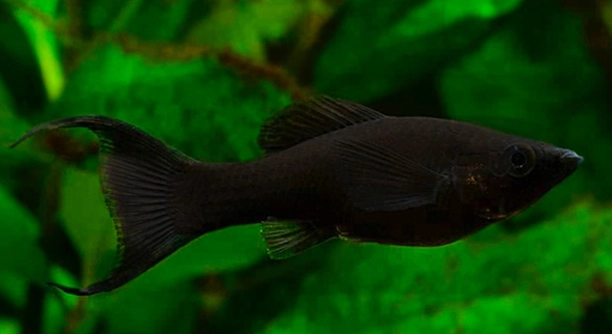
Do you ever find yourself watching your black molly fry grow and wondering when it might be time to move them to a new tank? Caring for young fish can feel rewarding but also challenging to manage.
The optimal time to move black molly fry to a new tank is typically when they reach approximately one inch in length or display healthy, active growth. Transferring them earlier can increase stress and risk of mortality, while delaying can lead to overcrowding and stunted development.
Understanding the signs and timing of a safe move will help ensure your fry develop properly and maintain their health as they grow.
Signs Your Black Molly Fry Are Ready for a New Tank
When my black molly fry reached about an inch in length, I noticed several clear signs that moving them would be necessary. They began swimming more confidently and exploring the tank independently. Their fins looked strong and fully formed, which indicated readiness to handle new surroundings. The fry started eating larger portions of food and showing less dependence on hiding spots. Overcrowding became noticeable as the fry increased in number, and the tank’s filtration struggled to maintain water quality. A new tank with adequate space can prevent stress, reduce competition for food, and support steady growth. Watching them interact with each other revealed subtle behaviors, like territorial displays and chasing, which also suggested it was time to separate them. Ensuring the new environment is stable, clean, and properly heated helps make the transition smoother and supports overall health.
Recognizing these behaviors early prevents stress and ensures fry grow strong and healthy in their new environment.
Providing a larger tank allows the fry to explore freely, reduces competition, and maintains water quality. Observing them daily helps identify the right moment to move them, ensuring a smooth transition. By adjusting the tank size and environment, their development remains consistent.
Preparing the New Tank
The first step in preparing a new tank is making sure it is fully cycled and stable. A tank with proper filtration, consistent temperature, and clean water is critical. Adding hiding spaces and gentle decorations helps the fry adjust. It is essential to monitor water parameters closely, as sudden changes can stress the fry and impact their health. Gradually acclimating them by floating their current water container in the new tank allows them to adjust to temperature differences. Feeding small amounts initially helps them settle in and reduces aggressive behavior. Maintaining consistent light and avoiding sudden disturbances also supports their adaptation. By taking these steps, the move becomes smoother, and the fry have a better chance of thriving in their new space.
A well-prepared tank minimizes stress and supports the fry’s growth while keeping water conditions stable for long-term health.
Proper preparation involves cycling the tank, checking water conditions, and arranging safe hiding spots. Gradual acclimation and careful feeding help fry adjust without shock. Consistent monitoring ensures water parameters remain ideal, and spacing prevents overcrowding. Following these steps reduces mortality risk and allows the fry to grow into strong, healthy fish.
Moving the Fry Safely
Handling fry requires care to prevent injury and stress. I use a small, soft net to gently transfer them, making sure not to overcrowd the net or drop them suddenly. Quick, calm movements reduce panic during the process.
Before transferring, I gradually mix the new tank water with their current water to prevent shock. Slowly adjusting temperature and water chemistry allows the fry to adapt without stress. Moving them in small groups rather than all at once ensures they settle quickly and reduces competition. Observing their behavior during this process helps identify any signs of distress early, allowing intervention if needed.
After the move, I watch the fry closely for the first few hours. Ensuring they swim normally, eat, and explore their new environment indicates they are adjusting well. Any hesitation or unusual behavior signals a need to check water quality and tank conditions immediately. Keeping feeding consistent and monitoring interactions prevents early stress and supports healthy adaptation in the new tank.
Adjusting Feeding and Care
Feeding habits often need adjustment after the move. I start with smaller, more frequent meals to prevent overfeeding and water pollution.
The new tank may alter how fry compete for food. I make sure every fry gets access by spreading food throughout the tank and using fine, appropriate-sized food. Observing eating patterns helps me identify shy or weaker fry that might need supplemental feeding. Water quality can deteriorate quickly with leftover food, so frequent partial water changes and careful monitoring are essential. Maintaining consistent feeding times and amounts encourages stability and helps fry grow without stress.
In addition to feeding, daily observation is crucial. I monitor water temperature, pH levels, and tank cleanliness to prevent sudden changes that could harm the fry. Adjusting light duration, adding gentle aeration, and keeping decorations safe and stable also contribute to a smooth transition. Paying attention to behavior, fin condition, and appetite ensures any issues are addressed early, supporting overall health. Consistent care during this period strengthens their growth and helps them thrive in the new tank environment.
Monitoring Growth and Health
Watching the fry grow is important after moving them. I check their size, color, and activity daily. Healthy fry are active, eat well, and display vibrant coloration.
Any signs of stunted growth or lethargy indicate the need for water checks or dietary adjustments. Quick intervention helps prevent long-term problems.
Common Problems After Moving
Some fry may struggle with stress, leading to reduced appetite or hiding behavior. I address these issues by checking water parameters, adjusting feeding, and ensuring the tank environment is calm. Overcrowding or aggressive tankmates can also impact their health, so monitoring interactions is key.
Tank Maintenance Post-Move
Maintaining water quality is critical. I perform partial water changes regularly, clean the filter, and remove uneaten food. This prevents ammonia spikes, reduces stress, and keeps fry growing healthy. Consistent monitoring ensures the new tank remains a safe environment.
Observing Behavior Patterns
Behavior indicates health and adaptation. I watch swimming, feeding, and interactions to detect stress or illness early. Observing these patterns helps guide care adjustments and maintain a stable environment.
FAQ
How do I know if my black molly fry are ready to move?
You can tell by observing their size, swimming ability, and behavior. When fry reach about an inch, swim confidently, and start exploring, they are usually ready. Fully formed fins and consistent eating habits are also strong indicators. Overcrowding in the current tank is another sign that a move is necessary.
What is the safest way to transfer fry to a new tank?
Using a small, soft net or cup works best. Move them gently in small groups, avoiding overcrowding or sudden drops. Gradually acclimate them by mixing water from the new tank with the old tank water to prevent shock. Calm movements and short transfer times reduce stress.
How should I feed fry after moving them?
Start with small, frequent meals. Fine powdered or crushed fry food works well. Spread food throughout the tank to ensure all fry get access. Monitor eating behavior closely and adjust portions to prevent leftover food, which can pollute the water.
How often should I check water conditions?
Daily checks are recommended during the first week. Monitor temperature, pH, ammonia, nitrites, and nitrates. Any sudden change can stress fry. Partial water changes help maintain stable conditions. Observing their behavior provides additional clues about water quality.
Can I move fry with other fish in the tank?
It is best to keep them separate until they are larger and stronger. Aggressive or larger tankmates can harm fry. If separation isn’t possible, adding hiding spots and dense plants can reduce risks and allow fry to avoid constant stress.
What signs indicate stress in fry?
Lethargy, hiding excessively, loss of appetite, or erratic swimming are common stress indicators. Immediate action, like checking water parameters, reducing disturbances, or adjusting feeding, helps prevent long-term health problems.
How much space do fry need in a new tank?
A larger tank with enough swimming room is important. At least 10 gallons is ideal for a small group, with extra space for each additional fry. Adequate space reduces competition for food and prevents stunted growth.
Is it necessary to add decorations or plants?
Yes, providing plants or hiding spots reduces stress. Fry feel safer and can explore without constant competition. Smooth decorations without sharp edges prevent injuries. Observing their use of hiding spaces also helps monitor adaptation.
How long does it take fry to adjust to a new tank?
Adjustment usually takes a few hours to a couple of days. Initial stress may cause hesitation or reduced activity. Gradual acclimation, careful monitoring, and stable water conditions help them settle faster.
What should I do if fry stop eating after moving?
Check water quality first. Ensure temperature, pH, and cleanliness are appropriate. Offer smaller, more frequent meals and watch for signs of illness. Stress or sudden changes are often the cause, and maintaining a calm, stable environment usually restores appetite.
Can overcrowding in the new tank affect growth?
Yes, overcrowding can lead to competition, stunted growth, and poor water quality. Ensure the new tank has enough space, and consider separating fry into groups if necessary. Adequate space supports healthy development and reduces stress.
Do fry need special lighting after moving?
Standard aquarium lighting is usually sufficient. Avoid sudden changes in light intensity. Consistent light cycles help regulate behavior, feeding patterns, and activity levels while reducing stress during adaptation.
How do I prevent disease in the new tank?
Maintain clean water, avoid overfeeding, and quarantine any new fish. Observe fry daily for signs of illness, such as spots, clamped fins, or unusual swimming. Early detection and proper care prevent outbreaks and protect the entire tank.
When can fry be introduced to community tanks?
Wait until fry are larger, around 1.5–2 inches, and show strong swimming and eating habits. Gradual introduction, along with plenty of hiding spaces, helps them adapt safely without being bullied or injured by larger fish.
How do I track growth and health effectively?
Daily observation is key. Note size, behavior, color, and appetite. Keep a simple log if needed. This helps identify issues early, monitor development, and ensures timely interventions to maintain optimal health and growth.
What are common mistakes to avoid when moving fry?
Rushing the transfer, overfeeding, sudden water changes, or introducing aggressive tankmates too soon are common errors. Each can stress fry, lead to illness, or stunt growth. Taking time, monitoring closely, and maintaining stable conditions prevents these problems and supports healthy development.
How often should I clean the new tank?
Partial water changes every few days initially help maintain water quality. Remove uneaten food and debris regularly. Avoid deep cleaning that disrupts beneficial bacteria, as this can stress fry and destabilize the tank environment.
Can fry be moved during extreme temperatures?
Avoid moving fry if water temperature fluctuates widely. Sudden heat or cold changes can shock them. Ensure both the old and new tanks are at stable temperatures before transfer. Gradual acclimation reduces stress and improves survival rates.
What equipment is essential for a smooth transfer?
A small net, a cup or container for water transfer, thermometer, water testing kit, and gentle filtration are important. Plants or hiding spots add security. Having these ready in advance makes the process safer and less stressful for the fry.
How do I know if the move was successful?
Fry that swim normally, eat consistently, and explore their new tank without excessive hiding indicate a successful transfer. Monitoring daily ensures they continue adapting and thriving, allowing for timely adjustments if needed.
Can moving fry too early harm them?
Yes, transferring fry before they are strong enough increases stress and mortality. Waiting until they reach proper size, show strong swimming, and can feed independently reduces risks and supports healthy development.
How do I maintain long-term health after moving?
Consistent water quality, appropriate tank size, proper feeding, and monitoring behavior are essential. Gradually introducing additional fish or changes ensures fry remain healthy and continue growing steadily in their new environment.
Final Thoughts
Moving black molly fry to a new tank is an important step in ensuring their healthy growth. Timing the move correctly is crucial because premature transfer can cause stress, while delaying it can lead to overcrowding and stunted development. I have found that paying close attention to their size, swimming ability, and behavior gives a reliable indication of when they are ready. Healthy fry will actively explore, feed consistently, and interact with their surroundings. Observing these factors daily helps prevent mistakes and ensures that the fry have the best chance to thrive. Preparing the new tank properly also plays a significant role in a smooth transition.
A well-prepared tank should have stable water parameters, proper filtration, and adequate space for the fry to swim freely. Adding plants or safe hiding spots reduces stress and gives the fry security as they adjust. Gradually acclimating the fry by mixing water from the new tank with their old environment prevents sudden changes in temperature or chemistry, which can shock them. During the first few days after the transfer, careful monitoring of behavior, appetite, and swimming patterns is necessary. Adjusting feeding practices, maintaining water quality, and observing their interactions help them settle comfortably while minimizing health risks.
Consistent care after moving the fry supports long-term growth and wellbeing. Regular water changes, monitoring for signs of stress or illness, and providing balanced nutrition are essential practices. Observing fry closely allows early detection of problems, and addressing issues promptly improves survival rates. Providing enough space and reducing competition for food supports healthy development and prevents stunted growth. Over time, careful management and attention to their environment help the fry grow into strong, active adult fish. Maintaining these practices ensures that the black molly fry remain healthy and thrive in their new tank for years to come.

Hello,
If you enjoy the content that we create, please consider saying a "Thank You!" by leaving a tip.
Every little bit helps us continue crafting quality advice that supports the health, happiness, and well-being of pets around the world, for pets of all shapes, sizes, and species.
We really appreciate the kindness and support that you show us!