
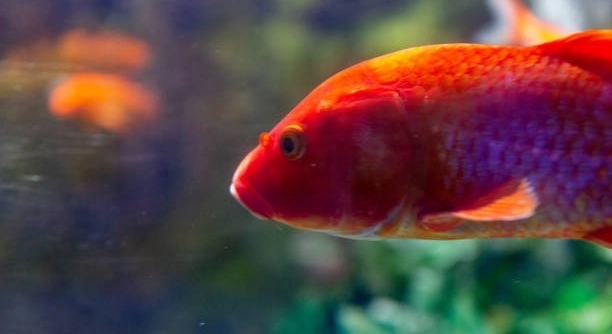
African cichlids are popular freshwater fish known for their bright colors and lively behavior. Many fish lovers enjoy keeping them in home aquariums because they bring energy and beauty to the tank. Knowing how long they live is important for proper care.
African cichlids typically live between 5 to 10 years, depending on species, diet, water quality, and tank conditions. Providing a stable environment and balanced nutrition helps maximize their lifespan. Proper care reduces stress and common health issues that may shorten their life.
Learning about their lifespan can help you make better choices for your aquarium setup. Understanding how to care for these fish ensures they remain healthy and vibrant for years.
Factors Affecting the Lifespan of African Cichlids
Many things influence how long African cichlids live in an aquarium. Water quality is one of the most important. Clean water with the right pH and temperature keeps fish healthy. Poor water conditions can cause stress and disease. Diet also plays a big role. A balanced diet with proper nutrients helps support their immune system. Overfeeding or feeding the wrong food can lead to health problems. Tank size matters too. Cichlids need space to swim and hide. Overcrowding causes stress and aggressive behavior. Stress weakens their defenses against illness, shortening their lifespan. Finally, the species of cichlid impacts lifespan. Some live longer naturally, while others have shorter lives even with care.
Good water maintenance, proper feeding, and enough space create a healthy environment. These factors combined help African cichlids reach their full lifespan potential.
By managing these areas carefully, you can reduce the risks that harm your fish and keep them thriving longer.
Common Health Issues in African Cichlids
Stress and poor water quality can cause common diseases in African cichlids. Regular monitoring helps prevent problems.
Many diseases affect African cichlids, such as ich, fin rot, and swim bladder disorder. Ich appears as white spots and causes itching. Fin rot damages fins and is often linked to bacteria from poor water. Swim bladder disorder affects buoyancy, making it hard for fish to swim properly. These illnesses often arise from stress, dirty water, or injury. To avoid these, maintain clean water with proper filtration and perform regular water changes. Watch your fish daily for unusual signs like clamped fins, loss of appetite, or erratic swimming. Early detection allows faster treatment. Providing a balanced diet strengthens their immune system, making them less likely to get sick. Preventing overcrowding also reduces stress and fights aggressive behavior that can cause injury and infection. Taking simple care steps protects your fish from many common health issues, improving their lifespan.
Proper Tank Setup for African Cichlids
A suitable tank setup is key to a healthy life for African cichlids. The tank size should be large enough to give them space to swim freely.
Choosing the right tank size depends on the species, but generally, a minimum of 30 gallons is recommended for smaller groups. Larger species or groups require more space to prevent aggression and stress. Adding rocks, caves, and hiding spots mimics their natural habitat and helps reduce conflicts. Proper filtration keeps water clean and oxygen-rich, essential for their well-being. The temperature should stay between 74-82°F, and the pH level around 7.8 to 8.6 to match their native environment. Keeping these conditions steady helps cichlids stay healthy and live longer.
Lighting should be moderate and simulate a natural day-night cycle. Bright lighting can stress some species, so dim or adjustable lights are better. Regular maintenance, like water changes and gravel cleaning, prevents waste buildup. A well-set tank supports their health and behavior, encouraging a longer lifespan.
Feeding African Cichlids
Feeding African cichlids a balanced diet is critical. They need a mix of protein and plant matter to stay healthy and active.
Most African cichlids are omnivores, so their diet should include quality flakes or pellets designed for cichlids. Supplementing with fresh or frozen foods like brine shrimp, bloodworms, or vegetables such as spinach and peas provides necessary vitamins and minerals. Overfeeding can cause obesity and water quality problems, so feeding small amounts 2-3 times daily is best. Remove any leftover food to avoid pollution. Feeding variety prevents nutritional deficiencies and keeps your fish interested in their meals.
Different species have varying dietary needs, so it’s helpful to research the specific type of cichlid you keep. Some species eat mostly algae and plant matter, while others require more protein. Adjusting their diet based on these needs supports growth, coloration, and immunity. Proper feeding habits reduce stress and disease risks, helping your fish live their full lifespan.
Water Quality and Maintenance
Keeping water clean is essential for African cichlids’ health. Regular water changes help remove toxins that build up over time.
Using a good filter and testing water parameters often prevents harmful conditions. Stable pH and temperature reduce stress and disease risk.
Tank Mates for African Cichlids
Choosing compatible tank mates helps avoid fights and stress. African cichlids can be aggressive, so select fish that tolerate similar water conditions and temperaments. Avoid small or slow fish that may become targets. Other cichlids or robust species like catfish often work well.
Breeding and Lifespan Impact
Breeding African cichlids requires extra care and space. Stress from overcrowding or constant breeding can reduce lifespan. Providing separate breeding tanks or plenty of hiding spots helps lessen stress and supports healthier fish.
Signs of Aging in African Cichlids
Older cichlids may become less active and show faded colors. Watching for these changes helps adjust care as they age to keep them comfortable.
How long do African cichlids usually live?
African cichlids generally live between 5 and 10 years in captivity. The exact lifespan depends on the species, care quality, and tank conditions. Some species may live longer with excellent care, while others have naturally shorter lives. Good water quality and nutrition are key to helping them reach their full lifespan.
What is the best tank size for African cichlids?
A minimum of 30 gallons is recommended for a small group of African cichlids. Larger tanks are better, especially for bigger species or larger groups, to reduce aggression and provide enough swimming space. Adding rocks and hiding spots helps them feel secure and lowers stress.
How often should I change the water?
Changing 20-30% of the tank water every week is ideal. This keeps the water clean and reduces harmful waste buildup. Regular water changes, combined with a good filtration system, maintain stable water conditions and keep fish healthy.
What temperature is best for African cichlids?
Most African cichlids thrive between 74°F and 82°F (23°C to 28°C). Keeping the temperature steady within this range helps prevent stress and disease. Sudden changes in temperature should be avoided to protect their health.
Can African cichlids live with other fish?
Yes, but tank mates must be chosen carefully. African cichlids are territorial and can be aggressive, especially in small tanks. Suitable tank mates include other robust cichlid species or bottom dwellers like catfish that can tolerate similar water conditions and behavior.
What do African cichlids eat?
They are mostly omnivores, needing a balanced diet of protein and plant matter. Good options include quality cichlid pellets, flakes, frozen foods like brine shrimp, and some vegetables like peas or spinach. Variety in diet supports their health and color.
How can I tell if my cichlid is stressed?
Signs of stress include hiding often, loss of appetite, faded colors, and unusual swimming patterns. Stress can result from poor water quality, overcrowding, or aggressive tank mates. Addressing these issues quickly improves their well-being.
What are common diseases for African cichlids?
Common issues include ich (white spots), fin rot, and swim bladder problems. These often happen because of poor water conditions or stress. Early detection and treatment are important for recovery. Maintaining good water quality helps prevent many diseases.
Is breeding African cichlids difficult?
Breeding can be challenging but rewarding. They need plenty of space and hiding places. Some species care for their young, which adds complexity. Overcrowding during breeding increases stress, so separate breeding tanks are often recommended.
How can I help my cichlid live longer?
Keep the water clean and stable, provide a balanced diet, avoid overcrowding, and watch for signs of illness. Regular tank maintenance and careful monitoring are essential. The better their environment and care, the longer they can live happily.
African cichlids are fascinating fish that bring a lot of color and life to home aquariums. Understanding their lifespan helps provide better care and enjoy their company for many years. These fish typically live between 5 and 10 years, but their actual lifespan depends on several important factors. Water quality, diet, tank size, and social environment all play key roles in keeping African cichlids healthy. When these needs are met well, they can live longer and thrive in your aquarium.
Taking care of African cichlids means paying attention to their environment every day. Clean water is essential because dirty water can quickly cause illness and stress. Changing the water regularly and using a good filtration system will help keep conditions stable. Feeding them the right food, in the right amounts, also supports their health. A varied diet of pellets, frozen foods, and some vegetables will give them necessary nutrients. Providing enough space and places to hide reduces aggression, which is common among cichlids, and lowers stress. When you watch your fish closely, you can spot signs of problems early and take action.
By following these basic care tips, you create a safe and healthy home for your African cichlids. While they need some effort and attention, the reward is watching their beautiful colors and interesting behaviors over time. Knowing their lifespan and what affects it helps you plan for their long-term care. This way, your cichlids can live a full and healthy life, making your aquarium a lively and enjoyable part of your home.

Hello,
If you enjoy the content that we create, please consider saying a "Thank You!" by leaving a tip.
Every little bit helps us continue crafting quality advice that supports the health, happiness, and well-being of pets around the world, for pets of all shapes, sizes, and species.
We really appreciate the kindness and support that you show us!