
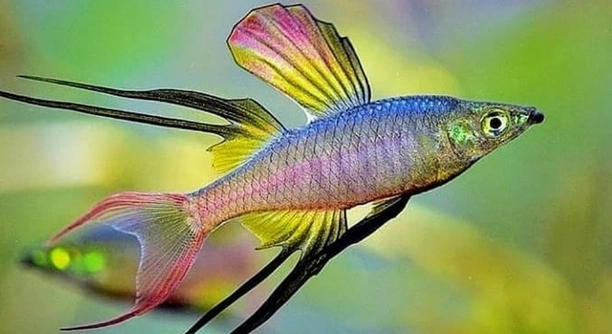
Do your threadfins often seem uneasy or hesitant when swimming around their tank? Their subtle behavior might be telling you something important about their comfort and trust.
Threadfins may show signs of distrust in their environment through avoidance, erratic movements, and limited interaction. These behaviors often stem from stress, unsuitable tank conditions, or the presence of aggressive tankmates, disrupting their sense of safety and balance.
Recognizing these signs early can help you create a calmer, more trusting space where your threadfins can thrive peacefully and confidently.
1. Sudden Hiding and Avoidance
When threadfins stop exploring and start hiding often, it’s a quiet signal that something feels off. They may tuck themselves behind plants, decor, or corners of the tank instead of swimming freely. This shift in behavior can appear sudden and may continue even during feeding times. Environmental stress, bright lighting, or sudden movements around the aquarium often cause them to seek safety. Threadfins are sensitive fish, and feeling exposed or startled can quickly shake their confidence. Keeping their surroundings calm and consistent helps them regain trust and feel secure in their space.
A comfortable environment encourages threadfins to come out of hiding gradually. When they begin to explore again and interact normally, it’s a good sign that they feel safe and are rebuilding their sense of comfort within the tank.
Watching their movements closely helps identify whether their hiding is normal rest behavior or linked to ongoing unease.
2. Skittish Reactions to Movement
If your threadfins dart away or panic when you approach, it often means they feel unsafe. Sudden shadows, tank tapping, or rapid hand motions can easily startle them, causing repeated stress responses.
To help reduce this behavior, approach their tank slowly and keep movements gentle. Threadfins respond best to steady routines and quiet surroundings. Over time, their fear of sudden motion decreases as they recognize predictable patterns. When the environment remains stable, they start associating your presence with safety rather than threat. Gradual trust-building may take weeks, but it’s worth it. Avoid overcrowding and keep lighting soft to prevent overstimulation. Regular feeding at consistent times also supports calm behavior. Patience is key here—forcing interaction only reinforces fear. Observing your threadfins from a distance helps you notice progress and gives them time to adapt without pressure. Eventually, they begin swimming normally again, showing they trust their space and your presence.
3. Loss of Appetite
When threadfins lose interest in food, it often points to stress or discomfort. Ignoring meals, spitting out food, or approaching it cautiously are subtle ways they show something in their environment feels wrong.
Poor water quality, strong currents, or tank aggression can quickly affect feeding behavior. Threadfins are sensitive eaters, and even slight disruptions make them lose their appetite. It’s helpful to test water parameters regularly and ensure calm feeding times without sudden movement. Offering smaller, more frequent meals can encourage them to eat again once they feel secure. Keep portions light and avoid overfeeding, as leftover food worsens tank conditions.
When threadfins begin eating confidently and come forward during feeding, it shows their comfort is returning. This simple change reveals a lot about their trust in the tank and how relaxed they feel. Patience and consistency make all the difference in their recovery.
4. Faded Colors and Dull Appearance
Color fading in threadfins can be an early sign of emotional distress or environmental stress. Their natural hues dull when they no longer feel secure, especially in noisy or unstable tanks. Stress hormones influence their coloration, often making them appear pale and lifeless.
Maintaining stable water temperature, proper lighting, and peaceful tank conditions helps them regain their bright tones. Threadfins rely on a calm atmosphere to stay vibrant. Avoid placing their tank in areas with constant motion or loud noise. A quiet environment allows them to relax and display their true colors again. Gentle tankmates are also essential to prevent tension. When the tank feels balanced, their energy returns, and colors start glowing again. Consistent care not only improves their physical appearance but also signals restored trust. Their renewed brightness reflects their emotional well-being, showing they finally feel comfortable and safe where they are.
5. Erratic Swimming Patterns
When threadfins swim frantically or dart around without direction, it often reflects anxiety. They may bump into decorations or avoid open spaces, showing their lack of confidence in their surroundings. Sudden tank changes can easily cause this behavior to appear.
Ensuring consistent lighting, gentle filtration, and a stable layout helps them feel secure. Avoid rearranging decorations too often, as threadfins depend on familiar spaces for comfort. With steady care and predictable routines, they usually regain calm swimming patterns and start moving smoothly again.
6. Clamped Fins
Clamped fins, where threadfins hold their fins tightly against their bodies, indicate stress or discomfort. This behavior often accompanies poor water conditions, temperature fluctuations, or bullying from other fish. It’s a quiet yet serious signal that they feel unsafe or unwell.
Testing water quality should be the first step when you notice this. High ammonia or nitrate levels can quickly affect their health. Reducing noise and movement around the tank also helps ease tension. Providing hiding spots like plants or caves gives them places to retreat and recover. Once the environment feels calm again, their fins will open naturally, showing relief and renewed trust. Careful attention to these small details helps prevent long-term stress from taking hold.
7. Refusal to Interact
When threadfins ignore their tankmates or stay motionless, they’re expressing deep unease. This lack of engagement often shows emotional withdrawal, a response to repeated stress or environmental instability. Restoring gentle balance and calm surroundings helps them reconnect and behave normally again.
FAQ
Why do threadfins suddenly act scared even in a peaceful tank?
Threadfins are highly sensitive to their surroundings, so even small changes can cause fear or discomfort. Adjustments in lighting, temperature, or decor might seem harmless to us but can feel drastic to them. Vibrations, noise, or new tankmates can also create unease. When startled, threadfins often retreat or swim erratically until they feel secure again. To help them adjust, keep their environment stable and avoid unnecessary rearranging. Gentle movements and consistent feeding routines reassure them that the space is safe. Over time, their confidence returns as they begin recognizing familiar patterns in their daily environment.
How long does it take for threadfins to rebuild trust in their tank?
The time it takes depends on the level of stress and the consistency of care. Some threadfins may start behaving normally within days, while others may take weeks. Establishing a calm and predictable setting is key. Avoid making frequent changes, and maintain steady water parameters. Feeding at regular times and keeping lighting soft can encourage them to relax faster. The goal is to make them feel there’s nothing unpredictable about their surroundings. Once they sense consistency, their stress responses reduce, and trust naturally grows again. Patience and observation are essential through the process.
Can other fish affect threadfins’ trust in their tank?
Yes, aggressive or overly active tankmates can make threadfins feel unsafe. They prefer calm company that doesn’t chase or invade their space. Fish that nip at fins or compete too aggressively for food increase their anxiety. Over time, this tension can lead to hiding, loss of color, or even poor health. If this happens, consider separating the species or adjusting the tank layout with more hiding spots. A balanced community with peaceful tankmates helps threadfins feel more confident. Their behavior improves when they sense they can swim without constant threat or disturbance.
Do threadfins show trust toward their owners?
They do, though in subtle ways. When threadfins start swimming toward you during feeding or linger calmly at the front of the tank, it’s a sign of trust. They associate your presence with safety and nourishment. Over time, they may even stay visible when you move nearby, showing they’re no longer afraid. Consistent, calm interactions help build this trust. Avoid tapping on the glass or making sudden gestures, as it can set back progress. Respecting their space while maintaining gentle familiarity strengthens the bond between you and your threadfins.
What should I do if my threadfins stop eating completely?
First, test water parameters to rule out poor quality, which is a common cause. High ammonia, nitrite, or nitrate levels often suppress appetite. Next, check for signs of aggression or illness. Stress or fear can make threadfins refuse food. Try offering smaller, high-quality meals at consistent times. Keep lighting dim during feeding to make them feel safer. Avoid overfeeding or leaving food to decay. Once they start feeling comfortable, their appetite usually returns gradually. If the problem continues beyond several days, it’s wise to inspect for disease or consult an aquarium specialist.
How can I tell if their stress is from water quality or emotional triggers?
Physical and behavioral clues often overlap, but there are differences. Poor water quality tends to cause visible signs like clamped fins, heavy breathing, or dull coloration. Emotional stress, on the other hand, shows through avoidance, erratic swimming, or hiding. Testing the water is the fastest way to identify the cause. If parameters are fine, look for social or environmental triggers such as aggressive tankmates or sudden movements. Both types of stress are harmful, so quick action is important. Keeping a regular care routine prevents these problems from overlapping and worsening.
Do threadfins recover easily once the environment improves?
Yes, threadfins are resilient when given the right care. Once their environment stabilizes, they often return to normal behavior and regain color within days. The key is maintaining consistent conditions. Avoid loud noises, limit traffic around the tank, and ensure smooth lighting transitions. Threadfins thrive when they know what to expect each day. If they feel secure, their stress levels drop, allowing their natural beauty and calm behavior to return. Gradual improvement is normal, so stay patient. Over time, they’ll reward your care with relaxed movement and healthy interaction again.
Final Thoughts
Creating a comfortable environment for threadfins requires more than just clean water and proper feeding. These fish are sensitive and respond strongly to changes in their surroundings. When they stop trusting their tank, they show it in quiet, easily overlooked ways—through their swimming, colors, appetite, and reactions to movement. Paying attention to these details helps you understand how they feel about their space. It’s not always about major problems; sometimes, small adjustments like reducing noise, softening the lighting, or maintaining steady temperatures can make a big difference. Threadfins rely on stability to feel safe, and that sense of safety is built through consistent care. The more you observe them calmly, the easier it becomes to notice what makes them uncomfortable or relaxed.
Trust in fish is not the same as trust in people, but it follows similar patterns of familiarity and consistency. Threadfins begin to relax when they realize their environment is predictable and calm. Routines help them understand what to expect each day—feeding at the same times, lights turning on and off gradually, and gentle maintenance without sudden disruptions. They learn that nothing unpredictable will harm them. This awareness allows them to swim freely, interact normally, and even approach you without fear. It takes patience to reach that point, especially if the fish have been stressed for a long time. The process is slow but rewarding because it reveals how deeply environment influences their emotional well-being. Threadfins may be delicate, but when they trust their surroundings, they show a peaceful and graceful behavior that reflects balance.
In the end, keeping threadfins happy comes down to mindfulness and consistency. Small efforts to reduce stress add up over time. Maintaining clean water, offering the right diet, and ensuring calm tankmates form the foundation of a trusting environment. Observing their reactions regularly allows you to spot changes early before stress turns into illness or long-term behavioral problems. Every small improvement you make helps them feel safer and more stable. When your threadfins swim with ease, display bright colors, and eat without hesitation, it’s a clear sign they feel secure. Their calm presence becomes a reflection of your careful attention and understanding. By respecting their sensitivity and giving them a stable, peaceful space, you build trust that allows them to thrive naturally and live comfortably in their aquatic home.

Hello,
If you enjoy the content that we create, please consider saying a "Thank You!" by leaving a tip.
Every little bit helps us continue crafting quality advice that supports the health, happiness, and well-being of pets around the world, for pets of all shapes, sizes, and species.
We really appreciate the kindness and support that you show us!