
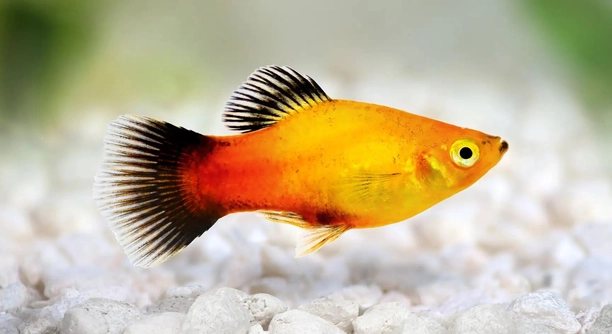
Are your platies always hiding or swimming alone, even when you try to create a friendly tank environment for them?
The easiest way to make platies more social is by adjusting their environment and care routine. Adding more hiding spots, maintaining stable water conditions, and keeping them in small groups encourages comfort and natural interaction.
Small adjustments can lead to big changes in their behavior and help your platies feel safe, active, and more connected.
Add More Hiding Spaces
Platies often stay hidden or act nervous when they don’t feel secure. Adding more hiding spots in the tank can help them feel safe enough to explore and interact with others. Use live plants, driftwood, or small decorations that offer shelter without overcrowding the tank. When fish feel protected, they are less stressed and more likely to come out into the open. These spaces also allow them to rest peacefully without feeling threatened by other fish or changes in the environment. A comfortable tank setup can shift their behavior from shy to social in just a few days.
If your tank looks too open, even confident platies might avoid swimming freely.
Make sure each section of the tank has some form of shelter. This way, no area feels too exposed. Avoid sharp decorations or plastic plants that could harm their fins. Arrange the tank in layers—foreground plants, mid-level cover, and background growth—to create depth and safety. Floating plants can also provide overhead cover, which makes platies feel less vulnerable. Keep the layout natural and allow plenty of swimming space between hiding spots. With the right setup, your fish will explore more, interact with tank mates, and display their full range of behaviors without fear or stress.
Keep Them in Small Groups
Platies are social by nature and feel more confident in small groups.
When kept alone or in pairs, platies may act shy or inactive. Having at least four to six of them encourages natural behavior like schooling, chasing, and playful interactions. They recognize each other and develop a stable social dynamic, which reduces stress and builds confidence. A group also helps divide any aggressive attention between multiple fish, preventing one from being singled out or overwhelmed. Be mindful of the male-to-female ratio. Too many males can lead to harassment and stress. A good balance is one male for every two or three females. This setup keeps the tank calmer and more balanced. The added movement and activity from group living often brings out brighter colors and healthier feeding habits too. With the right number of platies, you’ll notice more synchronized swimming and open interaction throughout the tank.
Keep the Water Conditions Stable
Platies are sensitive to sudden changes in water conditions, which can affect their behavior. A stable environment helps reduce stress and keeps them active and social. Consistent temperature, pH, and water quality make a big difference in how safe they feel.
Check water parameters regularly and perform partial water changes every week to maintain balance. Keep the temperature between 72–78°F and the pH around 7.0–8.0. Use a heater and thermometer to avoid temperature swings. Ammonia, nitrite, and nitrate levels should be monitored closely. When the water is clean and steady, platies feel safer and are more likely to swim openly and interact with each other. Stress from unstable water can lead to hiding, aggression, or illness. A peaceful tank environment depends on consistent care and keeping everything within safe levels. Make small, gradual changes instead of sudden adjustments to avoid disturbing the balance they rely on.
Stress caused by poor water quality can make platies isolate themselves or show signs of illness. A cloudy tank, erratic swimming, or hiding may be signs that something is off. Even if the water looks clean, toxins can still be present. Use a reliable test kit weekly and track any shifts. Always dechlorinate tap water before adding it to the tank. Add live plants if possible, since they help absorb excess waste and improve oxygen. Don’t overfeed, as leftover food can spike ammonia. A well-maintained tank encourages platies to be curious, explore, and stay active. Their overall health and social behavior depend on the stability you create.
Feed Them a Balanced Diet
A varied and balanced diet helps platies stay active and social. Poor nutrition can make them sluggish or hide more often, while healthy food boosts energy and brightens their colors. Feed small portions once or twice daily.
Platies need a mix of flakes, vegetables, and occasional protein. Look for high-quality flake food as a base, then add in blanched vegetables like zucchini or spinach. Once or twice a week, include protein like bloodworms or brine shrimp for variety. Overfeeding can pollute the water and lead to stress, so only give what they can eat in a couple of minutes. Rotate their meals to keep them interested and to support their health. When they feel good physically, they’re more likely to swim freely, interact with tank mates, and show brighter colors. Healthy eating habits create a positive environment, and the effects often show in their more confident and social behavior.
Avoid Aggressive Tank Mates
Aggressive fish can intimidate platies and cause them to hide. They thrive best with peaceful species like mollies, guppies, or cory catfish. Choose tank mates carefully to avoid stress, injuries, or constant chasing that discourages natural interaction.
If platies feel threatened, they won’t engage with others or explore the tank. Monitor their behavior after adding new fish and separate any that cause tension. A calm tank brings out their social side and helps maintain a stress-free environment.
Provide Enough Space
An overcrowded tank makes platies feel anxious and withdrawn. Each fish needs room to swim freely without bumping into others. A minimum of 10 gallons is recommended for a small group of platies, but more space is better. Use a long tank rather than a tall one, and avoid clutter. Swimming space is just as important as hiding spots. When platies have enough room, they are less territorial and more likely to swim together peacefully. Proper tank size reduces competition and makes it easier for them to feel safe, settle into routines, and show natural group behaviors.
Limit Loud Noises and Vibrations
Sudden sounds or strong vibrations can scare platies and cause them to retreat. Keep their tank in a quiet spot away from speakers, slamming doors, or constant foot traffic. A calm environment helps them stay relaxed and social.
FAQ
Why are my platies always hiding?
Platies usually hide when they feel unsafe or stressed. This can be caused by poor water quality, aggressive tank mates, sudden changes in their environment, or a lack of hiding spots. They need areas where they can rest and feel protected. If their tank is too open or noisy, they’ll stay hidden most of the time. Adding live plants, caves, or decorations can make them feel more secure. Also, check your water parameters and tank setup to make sure nothing is causing them discomfort. A stable, quiet space helps them feel safe enough to come out.
How many platies should I keep together?
Platies are social and feel more secure in small groups. It’s best to keep at least four to six together. A group helps them interact naturally and reduces stress. When alone or in pairs, they may become shy or inactive. Keeping a balanced mix of males and females also helps. Too many males can lead to constant chasing and stress for females, so a 1:2 or 1:3 male-to-female ratio works well. A peaceful, well-sized group brings out their best behavior, making them more social and relaxed in the tank.
Can platies live with other fish?
Yes, platies can live with many peaceful fish. Good tank mates include guppies, mollies, tetras, danios, and cory catfish. Avoid aggressive or fin-nipping species like tiger barbs or larger cichlids. These can intimidate or injure platies. Always observe how new fish behave when added to the tank. If your platies seem nervous or start hiding more, the new additions may not be a good fit. Keeping a calm, balanced community tank helps platies stay active and friendly. It’s also important to ensure the tank is large enough to give each species enough space.
What do I feed platies to keep them healthy and active?
Feed platies a variety of food to support their energy and health. A high-quality flake food should be their main diet, but supplement it with fresh vegetables like spinach, peas, or zucchini. Once or twice a week, offer frozen or live protein foods such as brine shrimp or bloodworms. Avoid overfeeding—they only need as much as they can eat in a couple of minutes. Too much food can pollute the water and cause stress. A healthy diet supports their immune system, keeps their colors bright, and encourages more social behavior.
Why do my platies chase each other?
Chasing can be a sign of play, courtship, or dominance. Males often chase females when trying to mate. If there are too many males in the tank, this behavior can become stressful for the females. Keep a proper male-to-female ratio to reduce this. Sometimes, platies also chase to establish a pecking order, especially when new fish are introduced. Occasional chasing is normal, but if it becomes aggressive or one fish is always being targeted, consider separating them or adjusting the tank setup to reduce stress.
Do platies get bored?
Yes, platies can become inactive if they lack stimulation. A tank with the same setup every day can make them feel unengaged. Adding new plants, decorations, or changing the layout slightly from time to time can help. They also enjoy exploring their environment, so offering places to hide and swim through can keep them busy. Feeding them in different spots or rotating food types adds more interest too. Bored platies often hide or stay still, while active ones swim, explore, and interact more with tank mates.
How do I know if my platies are happy?
Happy platies are active, swim around the tank, and interact with each other. They show interest in food, have bright colors, and don’t hide all the time. If they’re constantly hiding, showing faded colors, or not eating, something may be wrong. Check water quality, look for signs of illness, and observe how other fish behave around them. When the environment is right, platies will be curious, social, and even come up to the glass when they see you. A calm, clean tank with good care makes all the difference.
Final Thoughts
Helping platies become more social starts with understanding what makes them feel safe and comfortable. These small, peaceful fish thrive in clean tanks with stable water conditions, enough space to swim, and places to hide when needed. Even small changes, like adding more plants or checking your water regularly, can improve their confidence and activity levels. When they feel secure, they’re more likely to come out, explore their surroundings, and interact with other fish. A quiet space with calm tank mates also helps reduce stress and supports their natural behavior.
Watching platies interact in a group can be rewarding. They often swim together, playfully chase each other, and show brighter colors when they feel good. A healthy diet, proper group size, and balanced male-to-female ratio help them stay active and social. Keep a close eye on their behavior to notice changes. If they start hiding more or stop eating, it may be a sign that something is off in the tank. Staying consistent with your care routine makes a big difference in their behavior and overall health.
Creating the right environment takes some time, but the results are worth it. Once your platies feel at ease, you’ll see them showing more of their natural habits. They’ll swim with ease, interact with each other, and explore every part of the tank. A calm and balanced setup allows them to thrive, not just survive. By focusing on their comfort, nutrition, and surroundings, you can enjoy a peaceful and lively tank filled with happy, social platies. Keeping things simple, consistent, and calm is the best way to support their well-being.

Hello,
If you enjoy the content that we create, please consider saying a "Thank You!" by leaving a tip.
Every little bit helps us continue crafting quality advice that supports the health, happiness, and well-being of pets around the world, for pets of all shapes, sizes, and species.
We really appreciate the kindness and support that you show us!