
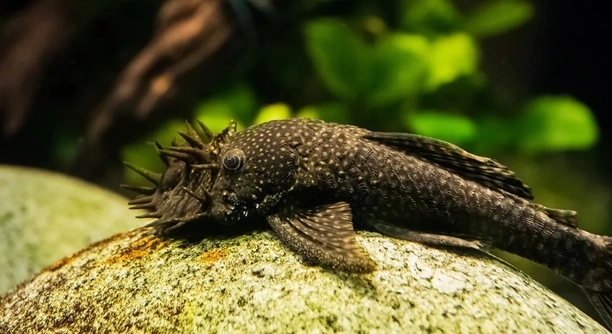
Caring for a bristlenose can be rewarding, yet feeding them requires careful attention. Not all foods are safe, and some common items in aquariums or home kitchens can cause serious harm over time.
Certain foods can negatively impact bristlenose health by causing digestive issues, poor growth, or even death. Avoiding harmful items like high-fat treats, processed human foods, and certain vegetables ensures their diet remains safe, balanced, and supportive of proper development.
Knowing which foods to skip can protect your bristlenose and maintain a healthy environment in your tank for long-term well-being.
High-Fat Foods
High-fat foods can seriously affect bristlenose health. Items like fried snacks, fatty meats, and rich human foods are difficult for their small digestive systems to process. Over time, these foods can lead to bloating, poor digestion, and even organ strain. Bristlenose catfish thrive on a diet low in fat and high in plant matter. Providing the right balance of vegetables, algae wafers, and occasional protein sources helps keep them healthy. Even small amounts of fatty foods can cause issues, so it’s best to avoid them entirely. Watching their behavior after feeding can indicate if they are struggling with certain foods. Healthy bristlenose display active swimming, consistent feeding, and clear eyes. Poor diet often results in lethargy, bloating, or strange fecal matter. Keeping their tank clean and monitoring dietary intake ensures that problems are caught early. Feeding with care and consistency promotes longevity and overall vitality for your fish.
High-fat foods are best avoided entirely to ensure proper digestion and long-term health in bristlenose catfish.
Consistent diet management prevents bloating and organ strain. Offering mainly plant-based foods and algae wafers supports natural behavior. Occasional protein can be provided, but fatty items should never become a regular part of their meals. Observing activity and appetite helps catch dietary issues early.
Processed Human Foods
Processed human foods, such as bread, chips, or packaged snacks, may seem harmless but are dangerous for bristlenose. They contain additives, preservatives, and salt that fish cannot handle. Even small portions can cause digestive problems, stress, or long-term health issues. Feeding these foods can disrupt gut flora, leading to decreased nutrient absorption. Bristlenose thrive on fresh or commercially prepared aquatic diets tailored to their needs. Plant matter, algae wafers, and occasional protein supplements are far better for them. Introducing human foods can also teach your fish to avoid natural feeding behavior. Over time, this may result in picky eating habits and decreased activity. Maintaining a consistent diet suited to bristlenose needs ensures they grow properly and stay energetic. Avoiding processed human items protects both their physical health and natural behaviors in the tank.
Even small amounts of processed human foods can harm digestion and natural feeding patterns.
Monitoring your tank and avoiding processed items keeps your bristlenose healthy. Focus on algae wafers, vegetables, and safe proteins. Repeated exposure to human foods can cause long-term digestive and behavioral issues. Fresh, low-fat, and plant-rich diets prevent bloating, maintain organ health, and encourage normal activity. Observing your fish’s appetite and fecal matter helps track their health, allowing adjustments before serious problems occur. Avoiding processed foods entirely is the most reliable way to safeguard well-being. A consistent feeding routine also ensures they receive adequate nutrition without stress.
Citrus and Acidic Fruits
Citrus fruits and other acidic foods can upset a bristlenose’s digestive system. High acidity may cause irritation, stress, and difficulty processing nutrients. Even small amounts should be avoided to maintain a balanced and safe diet for your fish.
Acidic fruits, like oranges, lemons, or grapefruits, are not suitable for bristlenose. Their digestive tracts are designed for plant matter, algae, and occasional protein, not the high acid levels found in these fruits. Feeding citrus can lead to bloating, irregular digestion, and reduced nutrient absorption. Over time, exposure may weaken the immune system, making your fish more prone to illness. Stick to algae wafers, blanched vegetables, and fish-safe proteins. Avoiding acidic foods protects the natural balance in their gut and supports long-term health, ensuring active behavior and proper growth.
Even small amounts of acidic fruits can cause stress and digestive discomfort. Maintaining a diet free of citrus supports consistent feeding and tank harmony.
Nightshade Vegetables
Nightshade vegetables, such as tomatoes, potatoes, and peppers, contain compounds that are toxic to bristlenose. These foods can affect their internal organs and lead to serious health complications if consumed. Avoid including them in their diet to ensure safety.
Solanine and other naturally occurring chemicals in nightshade vegetables pose risks to bristlenose catfish. These compounds can cause digestive issues, lethargy, and in severe cases, organ damage. Even small amounts may trigger negative reactions. Their digestive systems are optimized for soft plant matter, algae, and safe proteins, not complex compounds found in these vegetables. Feeding nightshades interrupts nutrient absorption and can create long-term health problems, including slow growth and weakened immunity. Maintaining a diet based on algae wafers, leafy greens, and occasional protein ensures your fish remain energetic and healthy.
Avoiding nightshade vegetables is essential to prevent toxicity, digestive upset, and long-term health complications. Carefully choosing safe vegetables promotes optimal growth and vitality.
Iceberg Lettuce
Iceberg lettuce offers little nutritional value for bristlenose and can disrupt digestion. Its high water content may cause bloating and nutrient imbalance. Bristlenose benefit more from nutrient-dense greens like spinach or zucchini.
Feeding iceberg lettuce regularly can lead to reduced growth and digestive stress. Opt for blanched vegetables that provide fiber and vitamins essential for healthy development.
Onions and Garlic
Onions and garlic contain compounds that are harmful to bristlenose. These vegetables can irritate the digestive system and may lead to organ stress or failure if ingested. Avoid using them in any form, fresh or cooked, to protect your fish’s health.
Raw Beans
Raw beans are dangerous for bristlenose because they contain lectins, which are toxic. Even small portions can cause serious digestive upset and internal stress. Cooking beans neutralizes lectins, but it’s safer to avoid beans altogether in their diet.
FAQ
What should I feed my bristlenose if I avoid these harmful foods?
Bristlenose thrive on a diet focused on plant matter, algae, and occasional protein. Algae wafers are a staple and provide essential nutrients. Blanched vegetables such as zucchini, cucumber, and spinach offer fiber and vitamins. Occasional protein, like bloodworms or small shrimp, can be added sparingly. Avoid overfeeding to prevent digestive issues and maintain water quality. Consistency is key, and rotating safe vegetables ensures a varied and balanced diet that supports growth and natural behavior.
Can a bristlenose survive if it eats some harmful foods occasionally?
Small, rare exposure to certain foods may not cause immediate death, but repeated or significant intake can lead to serious health problems. Even occasional consumption of high-fat snacks, acidic fruits, or nightshade vegetables can upset digestion, weaken immunity, and affect growth. Observing your fish’s behavior and physical condition is important. Lethargy, bloating, or irregular fecal matter are warning signs. Maintaining a diet with safe, nutritious options reduces long-term risks and supports vitality, ensuring your bristlenose remains active and healthy.
Why are human snacks so dangerous for bristlenose?
Processed human foods often contain salt, preservatives, and artificial ingredients that fish cannot process. Even small amounts can irritate the digestive system and interfere with nutrient absorption. Regular feeding of human snacks increases the risk of bloating, organ stress, and abnormal behavior. These foods also discourage natural feeding habits, making your bristlenose less likely to eat safe, nutritious options. By sticking to algae wafers, blanched vegetables, and occasional safe proteins, you provide a diet suited to their needs, supporting proper growth, immunity, and overall well-being in the tank environment.
Are all vegetables safe for bristlenose?
Not all vegetables are suitable. Avoid nightshade vegetables like tomatoes, potatoes, and peppers, as well as raw beans. Safe options include zucchini, spinach, cucumber, and peas. Vegetables should be blanched to soften them and improve digestibility. Proper preparation ensures your fish receives nutrients without risking digestive upset. Rotating safe vegetables helps provide a variety of nutrients, supporting healthy growth and behavior. Regular monitoring of appetite and activity confirms that the vegetables are being well tolerated and that your bristlenose remains energetic and healthy.
How do I know if my bristlenose has eaten something harmful?
Watch for signs such as bloating, lethargy, or changes in swimming behavior. Irregular fecal matter or loss of appetite can also indicate digestive issues. Quick intervention can prevent serious complications. Remove any uneaten harmful food immediately and maintain consistent feeding of safe options. Observing tank conditions and fish behavior helps detect problems early. Prompt action and dietary adjustments can restore health and prevent lasting damage. Regular tank maintenance combined with a proper diet ensures your bristlenose remains in good condition, avoiding the negative effects of accidental exposure to harmful foods.
Can I give my bristlenose fruit or occasional treats?
Most fruits are too acidic and high in sugar for bristlenose. Citrus fruits, in particular, can irritate their digestive systems. If you want to offer treats, stick to safe, mild vegetables like blanched peas or zucchini. These options are nutritious and less likely to cause digestive issues. Treats should remain occasional, never replacing the main diet of algae wafers and plant matter. Controlled, safe treats support enrichment and variety without compromising health. Regularly observing your fish’s reaction ensures the treats are well tolerated and do not negatively impact digestion or behavior.
What are the long-term effects of feeding harmful foods?
Consistent exposure to unsuitable foods can result in stunted growth, weakened immunity, and digestive disorders. Over time, organ damage may occur, reducing lifespan and vitality. Behavioral changes, such as decreased activity or selective eating habits, can also develop. Preventing these outcomes requires vigilance in diet selection, focusing on safe, nutritious foods. A stable, appropriate diet ensures proper development, energy levels, and overall health. Regular monitoring, tank maintenance, and observation of feeding behavior help catch potential problems early. Avoiding harmful foods entirely is the most reliable way to safeguard your bristlenose’s long-term well-being and quality of life.
Can bristlenose recover after eating something harmful?
Recovery is possible if harmful foods are identified and removed quickly. Providing a proper diet and maintaining clean water conditions supports healing. In some cases, symptoms may resolve within days, but severe exposure can cause lasting damage. Early intervention, observation, and proper care are critical to restoring health. Offering high-quality algae wafers, blanched vegetables, and occasional safe protein ensures nutrients are absorbed efficiently. Monitoring behavior and digestive output during recovery helps track progress. Consistency and prevention are key to avoiding repeated issues and maintaining a healthy, active bristlenose over the long term.
How can I prevent accidental feeding of harmful foods?
Keep human snacks and unsuitable vegetables separate from fish food. Store safe foods in clearly labeled containers. Introduce new foods gradually, observing how your bristlenose reacts. Educate anyone who has access to the tank about safe feeding practices. Routine checks of leftovers in the tank prevent harmful items from being ingested. A structured feeding schedule ensures your fish receives balanced nutrition while avoiding dangerous foods. By maintaining awareness and organization, you minimize risks and protect your bristlenose from accidental exposure. Prevention is the most effective way to maintain health, vitality, and consistent behavior.
Is it safe to feed cooked beans or potatoes occasionally?
Even cooked beans or potatoes should be avoided. While cooking reduces toxins in some cases, these foods still contain compounds difficult for bristlenose to digest. Their digestive systems are not designed to handle starch-heavy or lectin-containing foods. Stick to vegetables that are low in starch and fiber-rich. Safe options include zucchini, spinach, cucumber, and peas, all of which are well tolerated. Avoiding beans and potatoes entirely reduces the risk of bloating, irregular digestion, and long-term organ stress. Consistently offering plant-based foods suited to bristlenose ensures proper nutrient absorption, active behavior, and overall well-being in the tank environment.
What is the best way to introduce new foods safely?
Introduce new foods in small amounts and observe reactions for a few days. Blanch vegetables to improve digestibility and remove harmful compounds. Avoid high-fat, processed, or acidic foods. Rotate safe options to provide variety and essential nutrients. Monitor appetite, behavior, and fecal matter. Gradual introduction prevents stress, digestive upset, and long-term health issues. By taking these precautions, you ensure new foods are safe, support proper growth, and maintain active behavior. Consistency in safe feeding practices establishes a stable routine and reduces the risk of accidental exposure to harmful items.
How often should I feed my bristlenose?
Feed small portions once or twice daily, depending on tank size and fish population. Avoid overfeeding, as leftover food can spoil water and harm digestion. Use algae wafers, blanched vegetables, and occasional safe proteins. Regular, measured feedings maintain energy levels, support healthy growth, and prevent bloating. Observing appetite and behavior helps determine if adjustments are needed. Consistent feeding ensures your bristlenose receives balanced nutrition while keeping the tank clean and safe. Proper frequency and portion control are key to long-term health and vitality.
Are store-bought algae wafers safe for bristlenose?
High-quality algae wafers are safe and ideal for bristlenose. They provide essential nutrients and fiber. Select products free from artificial additives or high-fat ingredients. Combining wafers with blanched vegetables and occasional protein ensures a complete diet. Observing consumption patterns helps avoid overfeeding. Regular feeding of safe, nutritionally balanced wafers promotes growth, activity, and overall well-being. They should form the foundation of your bristlenose’s diet, supplemented with vegetables to provide variety and additional nutrients. Proper selection ensures your fish thrive while avoiding the risks associated with unsuitable foods.
Can bristlenose eat frozen or dried foods?
Frozen or dried foods like bloodworms or shrimp are safe when offered occasionally. They provide protein without harmful additives. Soaking dried foods before feeding prevents digestive stress. Use these items sparingly, complementing a primarily plant-based diet. Rotating these options ensures nutritional balance and maintains interest in feeding. Observation ensures your fish tolerates these foods well. Providing frozen or dried protein enhances diet variety while keeping bristlenose healthy and active. Avoid over-reliance on protein to prevent digestive issues and maintain natural behavior in the tank.
How important is monitoring tank water quality for diet health?
Water quality directly affects digestion and nutrient absorption. Uneaten food can pollute the tank, causing ammonia spikes and stressing fish. Clean water supports healthy digestion and reduces the impact of accidental exposure to harmful foods. Regular water changes, filtration checks, and monitoring ensure a stable environment. Maintaining proper temperature and pH supports metabolism and overall health. Consistent observation of water conditions combined with a safe diet maximizes growth, immunity, and activity. Poor water quality can exacerbate issues from dietary mistakes, making monitoring a critical part of bristlenose care.
What are safe occasional treat options?
Safe treats include blanched peas, zucchini, cucumber, or spinach. These options provide variety without causing digestive upset. Offer sparingly to prevent overfeeding and maintain balance. Avoid high-fat, processed, or acidic foods, and never substitute treats for core diet staples. Observation ensures tolerance and supports healthy behavior. Controlled treats enhance interest in feeding while maintaining overall health and vitality. Regular rotation of vegetables keeps nutrition balanced and encourages natural foraging behaviors. Safe treats complement a plant-based diet, supporting growth, immunity, and energy without introducing risk.
How do I encourage picky bristlenose to eat safe foods?
Offer small portions of fresh, blanched vegetables alongside algae wafers. Remove uneaten food after a few hours. Gradually rotate vegetables to spark interest. Avoid introducing harmful or processed foods, as they can encourage selective eating. Consistency and patience reinforce natural feeding habits. Positive reinforcement comes from a stable feeding schedule and monitoring appetite. Ensuring variety while sticking to safe options prevents boredom and encourages regular consumption of nutritious foods. Observing their preferences helps adjust portions and rotation to maintain a balanced, healthy diet. Proper encouragement fosters active behavior and overall well-being.
Can baby bristlenose eat the same foods as adults?
Baby bristlenose can eat the same foods but in smaller, softer portions. Blanched vegetables and finely crushed algae wafers are easier to digest. Protein should be minimal and appropriately sized. Overfeeding or providing adult-sized portions can cause digestive issues. Gradual introduction ensures proper nutrient absorption and healthy growth. Monitoring growth and behavior ensures babies thrive while transitioning to adult diets. Maintaining consistent, safe feeding routines encourages strong development and supports immunity. Adapting portions to size and age prevents health problems and fosters natural feeding habits.
Is it okay to feed live plants from the tank?
Some live plants are safe, but others may contain toxins. Stick to commonly accepted plants like spinach or zucchini leaves. Avoid plants with pesticides or unknown compounds. Introduce only after verifying safety. Monitoring consumption ensures no digestive upset occurs. Live plants can supplement nutrition and encourage natural grazing. Observing behavior confirms tolerance. Safe live plants support fiber intake, enrichment, and natural feeding without risking toxicity. Consistency in plant selection prevents health issues while providing variety. Using verified safe plants enhances overall diet quality and activity.
How do I handle accidental ingestion of harmful foods?
Immediately remove any remaining harmful food and observe the fish closely. Monitor behavior, bloating, and fecal output. Increase water changes to reduce stress and maintain cleanliness. Provide only safe foods while tracking recovery. If symptoms persist, consult a veterinarian experienced with fish. Quick intervention minimizes damage and supports recovery. Maintaining a calm tank environment reduces stress, helping digestion and healing. Documenting the incident helps prevent future mistakes. Consistent observation ensures your bristlenose recovers safely. Acting quickly is key to avoiding long-term health effects from accidental ingestion.
Are bristlenose sensitive to changes in diet?
Yes, sudden changes can cause stress and digestive upset. Introduce new foods gradually and observe reactions. Maintaining a consistent core diet with occasional safe additions ensures stability. Avoid harmful or processed foods. Gradual adjustments promote appetite, energy, and overall well-being. Abrupt changes may result in bloating, lethargy, or refusal to eat. Careful introduction supports healthy digestion, nutrient absorption, and normal behavior. Observing feeding patterns ensures smooth adaptation. Consistency in diet prevents long-term stress and maintains vitality while allowing variety in a safe, controlled manner.
What are signs of a balanced diet in bristlenose?
Active swimming, regular feeding, clear eyes, and firm, consistent fecal matter indicate a balanced diet. Healthy growth and vibrant coloration are additional signs. Lack of bloating or lethargy confirms digestive well-being. Observing these factors regularly ensures proper nutrition. Consistent feeding of algae wafers, blanched vegetables, and occasional protein maintains these indicators. Tracking behavior and appetite helps detect early signs of imbalance. Providing a stable, nutrient-rich diet supports long-term health, immunity, and energy. Clear signs of well-being reflect successful management of feeding practices. Maintaining consistency reinforces these positive outcomes over time.
How do I rotate safe foods effectively?
Rotate vegetables and occasional protein sources every few days. Blanched zucchini, spinach, cucumber, peas, and small portions of protein provide variety. Avoid introducing new items too frequently. Observe reactions and adjust portions accordingly. Effective rotation prevents boredom, ensures nutrient variety, and maintains interest in feeding. By keeping the core diet consistent while alternating safe options, you provide balanced nutrition and support healthy digestion. Monitoring consumption ensures all foods are well tolerated. Controlled rotation fosters long-term health, encourages natural grazing, and prevents selective eating habits. Proper rotation contributes to overall vitality.
Can bristlenose eat algae from the tank naturally?
Yes, natural algae is a key part of their diet. It provides essential nutrients and fiber. Ensure algae is free from pesticides or harmful chemicals. Encourage grazing by maintaining accessible surfaces. Observing consumption ensures it complements the diet without replacing essential vegetables or protein. Natural algae supports digestion, growth, and activity. Regular monitoring ensures the tank remains clean and algae is safe. Providing this natural food source alongside prepared foods creates a balanced, enriching environment. Safe algae grazing promotes healthy behavior and long-term vitality.
Is overfeeding harmful even with safe foods?
Yes, overfeeding can cause bloating, poor water quality, and digestive stress. Even algae wafers and vegetables must be offered in controlled portions. Remove uneaten food promptly. Maintain consistent feeding schedules. Overfeeding undermines health despite the quality of foods. Observing appetite and behavior ensures proper portioning. Controlled feeding prevents nutrient imbalance, organ strain, and stress. Proper management promotes growth, energy, and overall well-being. Adhering to portion guidelines maximizes health benefits while avoiding risks associated with excessive feeding. Monitoring consumption is critical to maintaining a healthy, active bristlenose population.
How do I clean the tank to prevent dietary problems?
Remove uneaten food daily to prevent decay and ammonia buildup. Conduct regular water changes and monitor pH and temperature. Clean substrate and decorations to remove debris. A clean tank supports digestion, reduces stress, and maintains a stable environment. Consistent maintenance ensures your bristlenose can safely consume the intended diet without interference from spoiled or harmful materials. Observation and timely cleaning prevent health issues related to accidental ingestion. Proper hygiene complements safe feeding, supporting growth, immunity, and natural behavior in the tank.
What is the safest approach to feeding bristlenose long-term?
Focus on algae wafers, blanched vegetables, and occasional safe proteins. Avoid processed human foods, high-fat items, acidic fruits, nightshade vegetables, and raw beans entirely. Introduce new foods gradually, monitor behavior, and maintain consistent portions. Ensure clean water and a stable tank environment. Rotate vegetables to provide variety and nutrients. Observe appetite, activity, and digestion to confirm tolerance. Quick intervention when problems arise protects health. Combining consistent feeding practices, safe food selection, and tank maintenance provides the best long-term outcome for bristlenose vitality, growth, and natural behavior.
How can I make feeding time enriching?
Vary the presentation of vegetables, scatter algae wafers, and provide live or floating plants for grazing. This encourages natural behavior while maintaining safe nutrition. Avoid harmful foods. Controlled enrichment reduces stress, supports activity, and promotes healthy digestion. Observation ensures all fish consume the intended portions. Introducing small challenges or hiding food in safe locations stimulates foraging instincts. Enrichment enhances mental and physical well-being. Maintaining this balance creates a more engaging feeding routine without compromising diet safety. Consistent enrichment supports growth, energy, and natural behavior patterns.
Final Thoughts
Caring for a bristlenose requires careful attention to their diet. These fish are sensitive to certain foods, and feeding them inappropriate items can lead to serious health problems. High-fat snacks, processed human foods, acidic fruits, nightshade vegetables, and raw beans are all dangerous for their small digestive systems. Even occasional exposure can create digestive upset, bloating, or long-term organ stress. Choosing safe options like algae wafers, blanched vegetables, and occasional protein ensures they receive the nutrients they need without unnecessary risks. Observing their behavior, appetite, and fecal matter can help detect potential issues early. Proper diet management is essential for maintaining their energy, growth, and overall well-being.
Consistency is a key factor in keeping bristlenose healthy. A structured feeding schedule using safe foods helps them thrive and reduces stress. Rotating vegetables like zucchini, cucumber, peas, and spinach provides variety while ensuring essential vitamins and fiber. Algae wafers form the base of their diet, supporting digestion and supplying nutrients they cannot get from vegetables alone. Occasional protein supplements, like small portions of shrimp or bloodworms, can enhance their diet without overwhelming their digestive system. Avoid introducing harmful foods at any point, as repeated exposure can create long-term complications. Tank cleanliness and water quality also play a major role in their health. Uneaten food should be removed promptly to prevent contamination and stress. Monitoring water parameters and performing regular maintenance helps ensure that your fish remain active and healthy.
Feeding bristlenose properly is about understanding their needs and maintaining a safe, balanced diet over time. Avoiding harmful foods and sticking to recommended items supports their natural feeding habits and encourages normal behavior. Providing enrichment, such as scattering algae wafers or offering safe vegetables in different ways, can make feeding more engaging and mentally stimulating. Small, consistent steps in diet management make a significant difference in their longevity and vitality. By observing reactions to new foods, maintaining proper portions, and prioritizing water quality, you create an environment where bristlenose can flourish. Careful attention, combined with knowledge of what to feed and what to avoid, ensures that your bristlenose live a healthy, energetic, and stress-free life. This approach provides peace of mind while allowing your fish to display their natural behaviors and enjoy a thriving tank environment.

Hello,
If you enjoy the content that we create, please consider saying a "Thank You!" by leaving a tip.
Every little bit helps us continue crafting quality advice that supports the health, happiness, and well-being of pets around the world, for pets of all shapes, sizes, and species.
We really appreciate the kindness and support that you show us!