
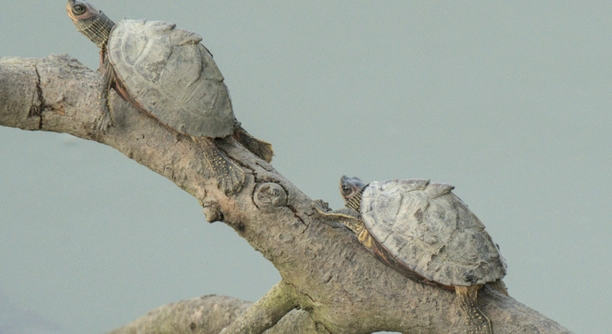
Do you ever find yourself wondering what vegetables are safe for your Indian Roofed Tortoise? Providing a balanced diet is essential to keeping them healthy, and knowing which vegetables are suitable can help ensure their long-term well-being.
Indian Roofed Tortoises can safely eat a variety of vegetables, including leafy greens like kale and collard greens, as well as vegetables like carrots, bell peppers, and squash. Avoid feeding them onions, garlic, and iceberg lettuce, as these can be harmful.
A well-planned diet supports their growth and prevents health issues. Learning about the best vegetables for them can make mealtime nutritious and enjoyable.
Safe Vegetables for Indian Roofed Tortoises
A healthy diet for an Indian Roofed Tortoise includes a mix of leafy greens and other vegetables. Dark, leafy greens like kale, collard greens, and mustard greens provide essential nutrients. Vegetables such as bell peppers, carrots, zucchini, and squash add variety and help maintain a balanced diet. Leafy greens should make up most of their vegetable intake, as they contain fiber and calcium. Other safe options include green beans, cucumbers, and okra. Offering a mix of vegetables ensures they get different nutrients. It’s best to feed them fresh vegetables and avoid anything processed or seasoned.
Vegetables should always be washed thoroughly before feeding. Pesticides and chemicals can be harmful, so organic options are preferable. Chop the vegetables into small pieces to make eating easier.
Including different vegetables in their diet keeps them healthy and prevents boredom. Providing a variety of textures and flavors can also encourage them to eat well.
Vegetables to Avoid
Certain vegetables can be harmful to Indian Roofed Tortoises. Iceberg lettuce lacks nutrients and can cause digestive issues. Onions, garlic, and leeks contain compounds that are toxic to tortoises.
Tomatoes, potatoes, and rhubarb should also be avoided. Tomatoes contain high acidity, which can upset digestion. Potatoes have solanine, a compound that is toxic to tortoises. Rhubarb leaves contain oxalates, which can interfere with calcium absorption and lead to health problems. Some vegetables, like spinach and beet greens, contain high levels of oxalates and should only be fed in small amounts. While some tortoises may be attracted to these vegetables, it’s important to limit or completely exclude them from their diet. Sticking to safe vegetables will help avoid health problems.
Best Ways to Prepare Vegetables
Vegetables should be fresh and free from pesticides. Washing them thoroughly removes dirt and chemicals. Chopping them into small, bite-sized pieces makes them easier for your tortoise to eat. Avoid cooking vegetables, as raw ones retain more nutrients.
A mix of leafy greens and other vegetables keeps their diet balanced. Rotate different vegetables to provide a variety of vitamins and minerals. Some vegetables, like carrots and bell peppers, can be shredded to make them easier to eat. Leafy greens should be torn into smaller pieces to prevent choking. Mixing different vegetables in a bowl encourages your tortoise to eat a well-rounded meal. Freshness matters, so always remove any uneaten vegetables before they spoil.
Soaking vegetables in water can help keep your tortoise hydrated. However, do not soak them for too long, as this can remove some nutrients. Always provide fresh water alongside their meals.
How Often to Feed Vegetables
Vegetables should be a staple in their diet. They should be fed daily, with a mix of different types to ensure balanced nutrition. Leafy greens should make up the majority, while other vegetables can be offered in moderation. Avoid overfeeding to prevent digestive problems.
A feeding schedule helps maintain their health. Young tortoises need daily feedings, while adults can eat every other day. Portion size depends on their size and activity level. A good rule is to provide a portion roughly the size of their shell. Too much food can lead to obesity, while too little may cause nutritional deficiencies. If your tortoise leaves food uneaten regularly, adjust portion sizes accordingly.
Observing their eating habits helps ensure they are getting the right nutrition. If they refuse food, check for signs of illness or stress. Providing variety and fresh food encourages healthy eating habits.
Signs of a Healthy Diet
A tortoise with a balanced diet will have clear eyes, smooth skin, and a strong shell. Their energy levels should be steady, and they should show interest in food. Regular, firm droppings indicate good digestion and proper nutrient absorption.
Weight should remain stable over time. Sudden weight loss or gain can signal dietary issues. A well-fed tortoise will also have strong limbs and an active lifestyle. If they seem lethargic or refuse food, their diet may need adjustments.
Adjusting Their Diet If Needed
If a tortoise refuses to eat certain vegetables, try offering a wider variety. Mixing new vegetables with familiar ones can encourage them to try different foods. Some tortoises may need time to adjust to a new diet. Be patient and make small changes gradually. If digestion issues arise, reduce vegetables that cause gas or bloating.
Final Thoughts
Providing fresh, safe vegetables daily helps maintain a tortoise’s health. A varied diet ensures they receive essential nutrients, supporting their growth and well-being.
FAQ
Can Indian Roofed Tortoises eat cabbage?
Yes, but only in small amounts. Cabbage contains goitrogens, which can interfere with thyroid function if fed too often. It’s best to offer it occasionally and mix it with other leafy greens to avoid any health issues.
Is spinach safe for Indian Roofed Tortoises?
Spinach should be given in very small amounts or avoided altogether. It contains high levels of oxalates, which can block calcium absorption and lead to health problems. If fed, it should be an occasional treat rather than a regular part of their diet.
Can they eat carrots every day?
Carrots are safe but should not be fed daily. They contain a lot of vitamin A, which can be beneficial in moderation. However, too much can cause imbalances. Feeding carrots once or twice a week is a good way to add variety.
Are bell peppers good for them?
Yes, bell peppers are a good source of vitamins and hydration. They provide vitamin C and antioxidants, which support their immune system. Red, yellow, and green bell peppers are all safe, but they should be chopped into small pieces to make eating easier.
Should tortoises eat raw or cooked vegetables?
Raw vegetables are best. Cooking can remove important nutrients that tortoises need. Feeding fresh, raw vegetables ensures they get the most nutritional benefits. Always wash them thoroughly to remove any chemicals or pesticides.
Can they eat tomatoes?
Tomatoes should be avoided. They are highly acidic and can cause digestive problems. While a small piece on rare occasions is unlikely to cause harm, it is better to choose other, more nutritious vegetables for their diet.
What vegetables help with hydration?
Cucumbers, zucchini, and bell peppers have high water content and can help keep tortoises hydrated. These vegetables should not replace fresh drinking water but can be a great addition to their meals, especially in warm weather.
Can tortoises eat onions or garlic?
No, onions and garlic are toxic to tortoises. They contain compounds that can damage red blood cells and cause serious health issues. Even in small amounts, they should be completely avoided.
How can I get my tortoise to eat more vegetables?
Mixing different vegetables together can encourage them to eat a balanced diet. If they are picky, try offering new vegetables alongside their favorites. Shredding or chopping vegetables into smaller pieces can also make them easier to eat.
Is iceberg lettuce safe?
No, iceberg lettuce has little nutritional value and can cause digestive issues. It contains mostly water and lacks the vitamins and minerals tortoises need. Instead, choose dark leafy greens like kale, mustard greens, or collard greens.
How often should I change their vegetables?
Fresh vegetables should be provided daily. Any uneaten food should be removed within a few hours to prevent spoilage. Rotating different vegetables throughout the week helps provide a variety of nutrients and keeps meals interesting.
Can they eat vegetable peels?
Some vegetable peels are safe, but others may contain pesticides or tough fibers that are hard to digest. Organic peels from cucumbers, zucchini, and carrots are fine in small amounts, but always wash them thoroughly before feeding.
What vegetables should never be fed?
Avoid onions, garlic, rhubarb, potatoes, and iceberg lettuce. These can be toxic or have little nutritional value. It’s best to stick with fresh, leafy greens and nutrient-rich vegetables for a healthy diet.
Final Thoughts
Feeding an Indian Roofed Tortoise a well-balanced diet is essential for its overall health. Vegetables provide important nutrients, hydration, and fiber to support digestion and growth. Leafy greens should make up most of their diet, while other vegetables can be given in moderation. Avoiding harmful foods like onions, garlic, and iceberg lettuce helps prevent health issues. Offering a variety of safe vegetables ensures they receive the right balance of vitamins and minerals. Consistency in feeding habits also plays a big role in their well-being. A stable diet helps them maintain a strong shell, good energy levels, and proper digestion.
Understanding their dietary needs can prevent health problems in the future. If they refuse food or show signs of poor nutrition, adjustments may be necessary. Providing fresh, clean vegetables daily and removing any uneaten portions helps maintain good hygiene. Watching their eating habits and making small changes when needed can encourage healthy feeding behavior. Hydration is also important, and vegetables with high water content, like cucumbers and zucchini, can help. However, fresh drinking water should always be available. A simple feeding routine with fresh, nutrient-rich vegetables helps tortoises stay active and healthy.
Caring for a tortoise involves more than just feeding the right vegetables. Their diet should be part of a well-rounded care routine that includes proper lighting, temperature, and habitat setup. A healthy diet supports their immune system, making them more resistant to illness. Regularly offering different vegetables keeps them interested in their food and prevents them from becoming too picky. Each tortoise may have its own preferences, so observing what they enjoy can make feeding easier. Providing a nutritious diet not only helps them thrive but also strengthens the bond between the tortoise and its owner.

Hello,
If you enjoy the content that we create, please consider saying a "Thank You!" by leaving a tip.
Every little bit helps us continue crafting quality advice that supports the health, happiness, and well-being of pets around the world, for pets of all shapes, sizes, and species.
We really appreciate the kindness and support that you show us!