
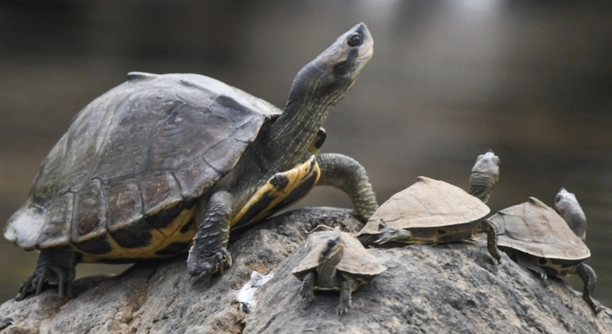
Do you ever find yourself fascinated by the mating habits of Indian roofed tortoises but unsure when they actually breed? Understanding their reproductive cycle can help pet owners and wildlife enthusiasts learn more about these unique reptiles.
Indian roofed tortoises typically mate during the monsoon season, from June to September. The increased humidity and abundant food supply create ideal conditions for reproduction. Males display courtship behavior by bobbing their heads and gently nudging females before mating occurs.
Mating is just the beginning of their fascinating reproductive journey. Learning about their nesting habits, egg incubation, and hatchling care can offer deeper insights into their survival and growth in the wild and captivity.
Mating Behavior of Indian Roofed Tortoises
Indian roofed tortoises show specific behaviors when they are ready to mate. Males become more active, often approaching females with head bobbing and gentle nudging. This courtship behavior helps them communicate interest. If the female is receptive, she allows the male to mount. The process can last several minutes, and males may produce soft vocalizations. Mating usually happens in or near water, providing a safe and comfortable environment. Once mating is complete, females start preparing to lay eggs. They seek suitable nesting spots with moist soil to ensure proper incubation conditions.
These tortoises rely on environmental changes to trigger mating. Increased humidity, rainfall, and temperature shifts signal the right time for reproduction. Access to fresh vegetation also plays a role, as a well-fed female is more likely to produce healthy eggs.
Understanding their mating behavior can help with proper care in captivity. Providing a naturalistic habitat with seasonal variations encourages breeding.
Egg Laying and Incubation
After mating, female Indian roofed tortoises search for a safe nesting site. They prefer damp soil where they can dig a shallow hole to deposit their eggs. This process typically occurs a few weeks after mating, depending on environmental conditions.
A female may lay between two to six eggs per clutch. Once the eggs are buried, she leaves them unattended. The incubation period lasts around 60 to 90 days, influenced by temperature and humidity. Higher temperatures tend to produce more females, while cooler temperatures lead to more males.
In captivity, maintaining proper incubation conditions is crucial for successful hatching. Keeping the eggs at a stable temperature between 82-86°F ensures proper development. Moisture levels should be monitored to prevent dehydration. If conditions are ideal, hatchlings emerge with soft shells and remain vulnerable for the first few weeks. They instinctively search for food and water, relying on their environment for survival.
Factors Affecting Mating Success
Environmental conditions play a big role in successful mating. Indian roofed tortoises need warm temperatures, high humidity, and a steady food supply. If these factors are missing, mating activity may decrease, and females might not produce eggs.
Male tortoises must be in good health to display courtship behaviors. A weak or malnourished male may struggle to attract a mate. Females also need to be well-fed before they can lay eggs. A proper diet with leafy greens, fruits, and calcium-rich foods helps with egg production. In captivity, replicating natural seasonal changes, such as adjusting light cycles and humidity levels, can improve breeding success.
Social dynamics also influence mating. If multiple males are present, they may compete for a female’s attention. This can lead to aggressive behaviors like chasing and biting. Keeping a balanced ratio of males to females in captivity reduces stress and increases the chances of mating.
Caring for Hatchlings
Newly hatched Indian roofed tortoises are small and fragile. They need a warm and humid environment to stay healthy. A shallow water dish allows them to hydrate, while a soft substrate helps prevent injury. Hatchlings often hide to avoid predators, so providing shelter is essential.
Feeding hatchlings a varied diet supports growth. Small pieces of leafy greens, vegetables, and calcium supplements are necessary for strong shell development. Protein sources like worms or small insects can be offered occasionally. Clean water should always be available to prevent dehydration. In captivity, maintaining a temperature between 80-85°F and ensuring proper UVB lighting helps with bone and shell formation.
Hatchlings grow slowly and require consistent care. Regular health checks help spot any issues early. As they mature, they become more active and independent. Proper care from the start ensures they develop into strong, healthy adults capable of thriving in their environment.
Common Challenges in Breeding
Captive breeding can be difficult without the right conditions. If the habitat lacks proper temperature, humidity, or lighting, mating may not occur. Stress from overcrowding or frequent disturbances can also reduce reproductive success. Ensuring a calm and natural environment encourages healthy breeding behavior.
Egg infertility is another issue. If a male is not present or is unable to fertilize the eggs, they will not hatch. Poor diet and inadequate calcium levels in females can also lead to weak eggshells. Providing a nutritious diet and a stress-free habitat helps improve fertility rates.
Importance of Seasonal Changes
Indian roofed tortoises rely on seasonal cues to regulate their reproductive cycle. Rainfall, temperature shifts, and food availability signal when it is time to mate. In captivity, simulating these natural changes with controlled lighting, misting, and dietary adjustments can improve breeding success. Creating a stable and natural environment ensures healthy reproduction.
Final Thoughts
Proper care and attention make a big difference in breeding success. Providing the right conditions, diet, and space helps support natural behaviors. Paying close attention to environmental factors and health needs ensures a smooth breeding process and strong hatchlings.
FAQ
When do Indian roofed tortoises start mating?
Indian roofed tortoises typically start mating when they are about 5 to 7 years old, although this can vary depending on their environment and health. In captivity, they may begin to mate earlier if the conditions are right, such as a proper diet and temperature. Mating generally happens during the monsoon season when humidity and temperatures are higher, usually between June and September.
How long does it take for Indian roofed tortoises to lay eggs after mating?
After mating, it usually takes about 2 to 4 weeks for the female Indian roofed tortoise to lay eggs. The process can vary depending on environmental factors like temperature and food availability. The female will search for a suitable nesting site where she can dig a shallow hole to lay her eggs. This timing allows her body to prepare and produce healthy eggs.
How many eggs do Indian roofed tortoises lay?
Indian roofed tortoises typically lay between 2 to 6 eggs per clutch. However, the number can vary depending on the female’s health, age, and environmental conditions. In the wild, the availability of food and the season also influence egg production. In captivity, proper nutrition and a stable environment may result in more consistent egg-laying patterns.
Do Indian roofed tortoises care for their eggs?
Indian roofed tortoises do not provide care for their eggs after laying them. Once the female has laid her eggs and buried them, she leaves them behind. The eggs are incubated naturally by the surrounding temperature and humidity levels. The female may never return to check on the eggs, as she relies on the natural process for the eggs to hatch.
What temperature is best for incubating Indian roofed tortoise eggs?
The ideal temperature for incubating Indian roofed tortoise eggs is between 82°F and 86°F (28°C to 30°C). Keeping the eggs in this temperature range will ensure proper development. Temperatures outside of this range can lead to unsuccessful hatching, with either no eggs hatching or hatchlings emerging deformed.
How long does it take for Indian roofed tortoise eggs to hatch?
Indian roofed tortoise eggs typically hatch in 60 to 90 days, depending on temperature and humidity. Higher temperatures often speed up the incubation process, while cooler conditions may lengthen the time it takes for the eggs to hatch. Monitoring humidity is also essential to ensure that the eggs do not dry out.
What do Indian roofed tortoise hatchlings eat?
Hatchlings need a varied diet to grow strong and healthy. They primarily eat soft, leafy greens like dandelion leaves, romaine lettuce, and collard greens. It’s important to provide them with calcium-rich foods, such as calcium powder sprinkled on their food, to support proper shell development. They may also eat small amounts of fruits, but their diet should be mostly vegetables.
How do I care for Indian roofed tortoises in captivity?
Caring for Indian roofed tortoises in captivity requires providing a warm, humid environment with plenty of space for roaming. A basking spot should be set up with temperatures around 90°F (32°C) to mimic the warmth of the sun. Ensure a variety of fresh vegetables and occasional fruits are offered. UVB lighting is also essential for proper calcium absorption and shell growth.
Can I keep more than one male Indian roofed tortoise together?
It is not recommended to keep multiple males together unless there is plenty of space. Male Indian roofed tortoises can become territorial and may fight over access to females. If you want to house multiple males, ensure that each tortoise has enough space and hiding spots to reduce stress and prevent aggression.
Do Indian roofed tortoises need a lot of space?
Yes, Indian roofed tortoises require plenty of space to roam and explore. In captivity, a large enclosure with both a basking area and shaded zones is essential. A minimum enclosure size of 4 feet by 6 feet is recommended for one adult tortoise. Providing them with areas to hide and access to water is also important for their well-being.
Can I breed Indian roofed tortoises in captivity?
Yes, breeding Indian roofed tortoises in captivity is possible if you provide the proper conditions. To encourage successful breeding, you need to maintain a natural environment with fluctuating temperatures and humidity levels. Adequate space, a balanced diet, and careful monitoring of their health are essential for successful breeding. Additionally, it’s important to avoid overcrowding, as this can lead to stress and reduce the chances of successful mating.
How can I tell if my Indian roofed tortoise is pregnant?
A female Indian roofed tortoise may show signs of pregnancy, such as a rounder belly and increased food intake. However, there is no clear external indicator until she begins to seek out a nesting site. If the tortoise starts digging or seems restless, this could be a sign that she is preparing to lay eggs.
Understanding the breeding habits of Indian roofed tortoises is essential for anyone interested in keeping them or observing them in the wild. These tortoises follow specific seasonal patterns when it comes to mating, usually during the monsoon season. The right environmental conditions, such as increased humidity and temperature, play a key role in encouraging successful reproduction. In captivity, it’s important to mimic these conditions to support breeding. This includes adjusting lighting, temperature, and humidity to align with natural cycles. A balanced diet is also crucial, as it affects the health of the tortoises and their ability to reproduce effectively.
The egg-laying and incubation process is another important aspect of their reproduction. Once the female tortoise has mated, she will find a suitable spot to lay her eggs. It’s essential to provide a safe, quiet space for the female to do so, as she will leave the eggs after laying them. The incubation process can take up to 90 days, and keeping the eggs in the proper temperature range is crucial for the hatchlings’ survival. Both in the wild and in captivity, environmental factors like temperature and humidity can impact the success of egg development and hatching.
Proper care of hatchlings is equally important. Once the eggs hatch, the young tortoises require a safe, warm, and humid environment to thrive. Hatchlings should be provided with the right diet and care to support their growth. Monitoring their health and well-being in the early stages is key to ensuring they grow into healthy, strong adults. By replicating the natural conditions of their environment, breeders and owners can help ensure the survival of Indian roofed tortoises. With the right care, these tortoises can thrive and continue to reproduce, contributing to their population both in captivity and in the wild.

Hello,
If you enjoy the content that we create, please consider saying a "Thank You!" by leaving a tip.
Every little bit helps us continue crafting quality advice that supports the health, happiness, and well-being of pets around the world, for pets of all shapes, sizes, and species.
We really appreciate the kindness and support that you show us!