
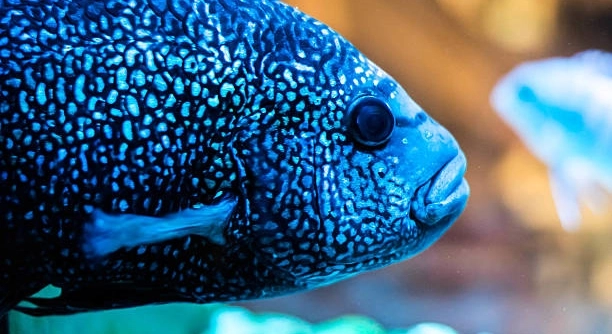
Jack Dempsey fish are known for their vibrant colors and striking behavior. These freshwater fish often flare their fins, showing off their bold appearance. Observing this display can be both fascinating and informative for any aquarium owner.
Jack Dempsey fish flare their fins primarily in response to perceived threats, territorial disputes, or social interactions. This behavior is a defensive and communicative mechanism, signaling dominance, stress, or readiness to protect their space from intruders.
Understanding what triggers these reactions can help maintain a calmer aquarium environment and improve the overall well-being of your fish.
Understanding Territorial Behavior
Jack Dempsey fish are naturally territorial. When they feel another fish is entering their space, they flare their fins to show dominance. This display is common among males, especially during breeding or when they feel crowded. A tank that is too small can increase this behavior, as the fish has less space to claim as its own. Decorations, rocks, and hiding spots can help reduce tension by allowing the fish to establish boundaries. Watching a Dempsey flare its fins is a clear sign it is trying to assert control. These behaviors are instinctive, and even if the tank seems calm, sudden movements or new tankmates can trigger a display. Feeding time is another moment when this behavior can appear, as the fish may compete for food. Understanding their need for space is essential to keep aggression at a manageable level and ensure harmony among your aquarium inhabitants.
Maintaining proper space and tank structure significantly lowers stress and aggressive displays.
Proper tank planning, including hiding spots and sufficient room, ensures your Jack Dempsey can feel secure. This setup reduces unnecessary fin flaring while still allowing natural behavior. Giving the fish its own territory within the tank not only keeps it calmer but also allows you to observe its personality and interactions without constant conflict. Decorations such as rocks, plants, and caves act as visual barriers, helping separate aggressive individuals. Spacing feeding times and providing multiple feeding spots can also prevent flare-ups. Over time, these measures help the fish settle into a routine and reduce tension. A well-planned tank respects the fish’s territorial instincts while creating a healthier, calmer environment. Observing their behavior in this structured space can reveal patterns and preferences unique to each fish, making aquarium care more manageable.
Responses to External Stimuli
Sudden movements or changes outside the tank often cause Dempsey fish to flare their fins.
Bright lights, tapping on the glass, or shadows can trigger this reaction. These external stimuli create stress or alert the fish to potential threats. Flared fins are a visual warning to others and a defense mechanism. Reducing disturbances near the tank helps keep the fish calm. Consistent routines and a stable environment decrease unnecessary stress responses. Some fish may flare more often than others depending on temperament. Over time, the fish can become accustomed to minor movements if not threatened. Providing plants or background covers can minimize perceived threats. Observing how the fish reacts to different stimuli can help adjust the tank environment. A calm environment encourages natural behavior and supports overall health, reducing frequent fin displays caused by stress.
External stimuli such as shadows, movement, or new objects provoke fin-flaring in Jack Dempsey fish. These fish are alert and sensitive to changes in their surroundings. Even subtle changes in lighting or reflections can trigger a defensive response. Maintaining a stable environment with minimal disturbances is crucial for their well-being. Covering the back and sides of the tank, avoiding sudden movements nearby, and keeping lights consistent can help reduce stress. Over time, fish can acclimate to minor environmental changes without excessive fin displays. Understanding these triggers allows you to manage their responses effectively. A calm, predictable setting supports natural behavior, keeping your Jack Dempsey healthier and less reactive. Observation and small adjustments in tank setup can prevent repeated stress responses.
Social Interactions with Tankmates
Jack Dempsey fish flare their fins when interacting with other fish. This behavior is often a way to establish hierarchy or defend resources. Aggressive displays can appear even among non-aggressive species if the tank is crowded or space is limited.
When introducing new fish, flare-ups are common as the Dempsey asserts dominance. Males are particularly prone to showing off their fins, especially during feeding or near hiding spots. Even peaceful tankmates can trigger flaring if the Dempsey feels its territory is challenged. Observing these interactions helps identify which fish coexist well. Adjusting tank layout or separating aggressive individuals can reduce constant stress. Providing multiple hiding spaces and visual barriers allows each fish to claim a safe area. Over time, some fish learn to tolerate each other, though occasional flaring is natural. Understanding social triggers is key to keeping harmony in a mixed-species tank.
Tank size and layout directly affect social behavior. A well-structured environment minimizes unnecessary stress and prevents excessive fin displays. Proper spacing between decorations and multiple feeding points allow the fish to interact safely.
Breeding and Reproductive Behavior
During breeding, Jack Dempsey fish flare their fins as part of courtship or territorial defense. This behavior signals readiness and establishes dominance over rivals. Flaring is common in both males and females in the presence of mates or eggs.
Males intensify fin displays when guarding a nest or attracting a female. Flared fins signal strength and deter other males from approaching. Females may also flare to show interest or warn males to maintain distance. Aggression can rise during this period, and other tankmates may be intimidated or stressed. Managing breeding behavior often involves monitoring interactions closely and providing separate breeding tanks if necessary. Providing flat rocks or caves gives the fish a secure spot to guard eggs. Water quality and stable conditions further support successful breeding while keeping stress levels low. Observation and preparation ensure fin-flaring is part of natural reproductive behavior rather than constant aggression.
Stress and Environmental Changes
Jack Dempsey fish flare their fins when stressed by sudden changes in their environment. New decorations, water temperature shifts, or rearranged plants can trigger this instinctive display.
Even small disruptions, like tapping on the tank or nearby movement, can cause repeated fin flaring. A calm and stable tank environment helps minimize these stress responses and keeps the fish more relaxed.
Feeding Time Aggression
During feeding, Jack Dempsey fish often flare their fins to assert dominance and secure food. Competition can be intense, especially in crowded tanks.
Providing multiple feeding spots and distributing food evenly reduces aggressive displays. Feeding smaller amounts more frequently helps prevent fights and ensures all fish receive adequate nutrition.
Influence of Lighting
Bright or fluctuating lighting can provoke fin flaring in Jack Dempsey fish. Sudden changes in light levels may be perceived as threats.
Adjusting light gradually and maintaining consistent lighting schedules keeps the fish calm and reduces unnecessary displays of aggression.
FAQ
Why does my Jack Dempsey flare its fins at other fish?
Flared fins are a natural response to establish dominance or defend territory. Even peaceful tankmates can trigger this display if the fish feels its space is threatened. Observing interactions and providing hiding spots or visual barriers can reduce constant flaring.
Is fin flaring a sign of illness?
Not usually. Fin flaring is often a behavioral response rather than a symptom of sickness. However, if flaring is accompanied by clamped fins, lethargy, or loss of appetite, it may indicate stress or disease, and water quality and tank conditions should be checked.
Do male and female Jack Dempseys flare differently?
Yes. Males flare more frequently, especially during breeding or when defending territory. Females may flare to signal interest or assert themselves when eggs are present. Both genders use flaring to communicate dominance and maintain social order.
Can a small tank increase flaring?
Absolutely. Limited space restricts the fish’s ability to establish separate territories. Overcrowding often leads to more frequent fin displays and stress. Ensuring enough room and adding hiding spots helps reduce tension and aggressive behavior.
How does feeding affect fin flaring?
During feeding, Jack Dempseys flare their fins to secure food and show dominance. Providing multiple feeding points and distributing food evenly prevents fights and reduces stress for all tankmates. Smaller, more frequent meals can also help manage aggression.
Do environmental changes trigger flaring?
Yes. Rearranging plants, adding decorations, or sudden changes in water temperature can provoke fin displays. Consistent tank conditions and gradual adjustments minimize stress-related flaring. The fish adapts better when it feels a stable and predictable environment.
Can light intensity cause fin flaring?
Bright or fluctuating lighting can trigger defensive displays. Sudden changes may be interpreted as threats. Gradual lighting adjustments and maintaining a consistent schedule help keep the fish calm and reduce unnecessary fin flaring.
Should I separate flaring fish from others?
Separation may be necessary if flaring escalates into constant aggression or injures other fish. Using dividers or moving aggressive individuals to another tank can restore balance. Observing the fish carefully helps determine if intervention is needed.
Do hiding spots reduce flaring?
Yes. Rocks, caves, and plants give Jack Dempseys a sense of security. Fish can retreat when they feel threatened, reducing stress and the frequency of aggressive fin displays. Well-placed decorations allow multiple fish to claim safe areas simultaneously.
How long does fin flaring last?
Fin flaring can last a few seconds to several minutes, depending on the trigger. Territorial disputes, feeding, or stress can prolong the display. Over time, the fish may flare less frequently if the environment is calm and their needs are met.
Can flaring damage fins?
Normal flaring does not harm fins. However, repeated fights or aggressive encounters can cause tears or injury. Monitoring social behavior and providing adequate space helps prevent physical damage while allowing natural displays.
Does temperature affect fin flaring?
Yes. Sudden drops or spikes in water temperature can stress Jack Dempseys and trigger defensive displays. Maintaining stable temperatures appropriate for the species keeps them calmer and reduces excessive fin flaring.
Are some Jack Dempseys more prone to flaring?
Individual temperament matters. Some fish are naturally more aggressive or territorial and will flare more often. Observing each fish helps anticipate behavior and manage tank dynamics effectively.
What is the best way to calm a flaring Jack Dempsey?
Reducing stress, providing hiding spaces, maintaining proper tank size, and keeping consistent lighting and temperature are key. Avoid tapping the glass or sudden movements. These steps help the fish feel secure and minimize unnecessary flaring.
Can flaring indicate readiness to breed?
Yes. During breeding, both males and females flare their fins as part of courtship or nest defense. Observing fin displays alongside other behaviors, like guarding eggs or cleaning a flat rock, signals reproductive activity.
How do tankmates influence fin flaring?
Aggressive or larger tankmates can increase flaring frequency. Peaceful and similarly sized fish are less likely to trigger repeated displays. Proper tank planning and monitoring interactions help maintain harmony and reduce stress.
Does diet impact flaring behavior?
A proper diet supports overall health and can indirectly reduce stress-related flaring. Undernourished or overfed fish may become more aggressive during feeding, so balanced meals distributed evenly help maintain calmer behavior.
Can music or vibration affect Jack Dempseys?
Strong vibrations or loud sounds near the tank may startle the fish, leading to fin flaring. While not all fish react the same, minimizing sudden disturbances helps maintain a calm environment.
How often should I expect flaring in a calm tank?
Even in a well-maintained tank, occasional flaring is normal. Triggers include minor territorial adjustments, brief interactions, or momentary stress. Occasional displays are natural and indicate healthy communication rather than a problem.
Is flaring different from aggression?
Flaring is a visual signal and not always aggressive. Aggression involves chasing, biting, or sustained attacks. Understanding the difference helps manage tank dynamics and ensures the fish can communicate without harm.
Do Jack Dempseys flare more in the presence of mirrors?
Yes. Mirrors create the illusion of another fish invading territory, prompting repeated fin displays. Avoid prolonged mirror exposure, as it can increase stress and unnecessary energy expenditure.
Can fin flaring affect other fish’s behavior?
Yes. Other fish may become intimidated, stressed, or reactive. Providing space and hiding spots allows them to escape visual threats and reduces tension in the tank overall.
What long-term effects does constant flaring have?
Frequent, unresolved stress from constant flaring can weaken the immune system and increase susceptibility to disease. Ensuring proper tank conditions, space, and compatible tankmates helps prevent negative health outcomes.
Is it possible to train a Jack Dempsey to flare less?
While temperament cannot be changed, consistent routines, calm environments, and minimized disturbances can reduce unnecessary flaring. Observing triggers and adjusting tank conditions over time helps the fish remain calmer.
How do I know if flaring is excessive?
Excessive flaring occurs when displays are constant, aggressive, or accompanied by injury. Monitoring patterns and addressing environmental or social stressors can prevent escalation and maintain a healthy tank dynamic.
Can flaring indicate happiness or contentment?
Not directly. Flaring is primarily a defensive or communicative behavior. However, occasional displays in a stable environment are normal and reflect natural instincts rather than distress.
Does age affect fin-flaring behavior?
Younger fish may flare less as they are still establishing hierarchy, while adults are more territorial and display dominance more frequently. Observing growth and social development helps predict behavior patterns.
Can tank decorations influence flaring?
Yes. Visual barriers, caves, and plants allow fish to claim territory and reduce confrontations. A well-decorated tank supports natural behavior and minimizes unnecessary stress-induced fin displays.
How do I monitor flaring without stressing the fish?
Observe quietly from a distance or behind a barrier. Avoid tapping glass or sudden movements, and take notes over time to identify patterns and triggers without adding stress.
Are certain Jack Dempsey strains more aggressive?
Some color variants or selectively bred strains may show higher aggression levels. Understanding your fish’s temperament helps in choosing suitable tankmates and managing fin-flaring behavior.
Does water quality impact fin flaring?
Poor water quality increases stress and can trigger more frequent flaring. Regular water changes, proper filtration, and monitoring pH, ammonia, and nitrate levels keep the fish calm and healthy.
Can stress from overcrowding increase flaring?
Yes. Overcrowding limits territory and causes constant competition. Ensuring adequate tank size and spacing reduces tension and lowers the frequency of aggressive fin displays.
How does fin flaring relate to mating success?
Males use flaring to impress females and establish dominance over rivals. Strong displays can increase breeding success, signaling strength and fitness, which females may prefer.
Can fin flaring be harmful to the fish over time?
Normal flaring is harmless. However, repeated aggressive encounters or stress-related displays without resolution can lead to fatigue, injury, or weakened health. Proper tank management mitigates long-term risks.
Does changing tankmates affect flaring frequency?
Yes. Introducing compatible tankmates or removing aggressive individuals can significantly reduce flaring. Observing interactions and adjusting the community composition supports a calmer, more balanced tank.
How do I tell if fin flaring is natural or stress-induced?
Natural flaring occurs during feeding, breeding, or territory defense. Stress-induced flaring is frequent, prolonged, and may be paired with hiding, loss of appetite, or clamped fins. Identifying the context helps address the cause appropriately.
Can flaring be a response to reflection or shadows?
Yes. Reflections, shadows, or passing movement can trigger defensive displays. Covering tank sides or adjusting lighting reduces unnecessary reactions while maintaining a stable environment.
Is frequent flaring a sign of dominance hierarchy?
Yes. In a mixed group, flaring helps establish and maintain social ranking. Observing patterns over time reveals which fish are dominant and which are submissive, guiding tank management.
Do Jack Dempseys flare more at night?
They may react to sudden disturbances during low-light periods. Keeping a consistent day-night cycle and minimizing nighttime disruptions helps reduce stress and unnecessary fin displays.
Can flaring indicate territorial readiness in a new tank?
Yes. When first introduced, Jack Dempseys explore and claim territory. Initial flaring is normal and decreases as boundaries are established. Monitoring early interactions helps ensure a smooth adjustment period.
How do I reduce stress-related flaring long-term?
Stable water conditions, proper tank size, hiding spots, compatible tankmates, and consistent routines all contribute to calmer behavior and reduced unnecessary fin displays. Observation and adjustments over time ensure a healthier, more relaxed environment.
Can flaring behavior be used to monitor fish health?
Yes. Sudden changes in frequency, intensity, or accompanying lethargy can signal stress or illness. Regular observation allows early intervention and supports overall fish health.
Does temperature fluctuation affect flaring frequency?
Significant or sudden temperature changes trigger defensive responses. Maintaining consistent temperatures suitable for Jack Dempseys keeps them calmer and reduces unnecessary energy expenditure.
Are flaring patterns predictable?
To some extent. Triggers such as feeding, territorial disputes, or environmental changes produce predictable flaring patterns. Understanding these triggers helps manage tank dynamics effectively and reduces stress-related displays.
Do Jack Dempseys flare more in single-species tanks?
Flaring may still occur as they establish dominance, but mixed-species interactions often increase frequency. Proper space and hiding spots reduce tension even in single-species setups.
How long should I wait before intervening in flaring disputes?
Brief displays are normal, but prolonged aggression or injury requires immediate action. Monitoring interactions allows you to intervene when necessary without disrupting natural communication.
Can flaring indicate food preference or competition?
Yes. Aggressive displays during feeding show competition or preference. Distributing food evenly and providing multiple feeding areas reduces conflict and stress.
Do all Jack Dempseys exhibit the same flaring behavior?
Individual personality, age, and environment influence frequency and intensity. Observing each fish helps predict behavior and manage interactions effectively.
Can fin flaring damage tank plants or decorations?
Not directly, but aggressive movements may displace lightweight decorations or disturb delicate plants. Secure tank elements help prevent disruptions during displays.
Does water flow affect flaring?
Strong currents may stress the fish, leading to defensive displays. Providing gentle, consistent flow helps maintain calm behavior and reduces unnecessary fin flaring.
Can flaring be part of enrichment or play?
Some displays occur during exploration or interaction with tank objects. While primarily defensive, occasional flaring can be a natural, healthy expression of energy and curiosity.
How do I track flaring behavior effectively?
Keep notes of triggers, frequency, and duration. Observing patterns over time helps identify stressors, social dynamics, and environmental factors, guiding adjustments to maintain a calm, healthy tank.
Is flaring influenced by tank water hardness or pH?
Extreme or sudden changes in water chemistry can stress Jack Dempseys and increase flaring. Maintaining stable, suitable parameters supports natural behavior and reduces unnecessary displays.
Do Jack Dempseys flare more when alone?
They may flare at reflections or perceived intruders. Alone, displays are usually brief, but mirrors or shadows can trigger repeated flaring. Minimizing reflective surfaces reduces stress.
Can flaring affect breeding success?
Yes. Proper displays signal strength and readiness, increasing mating likelihood. Overly aggressive or stressed fish may have lower reproductive success, highlighting the importance of calm, supportive environments.
Are fin flares always symmetrical?
Usually, flares are symmetrical to appear larger and more intimidating. Asymmetrical flaring may indicate injury, imbalance, or stress, requiring closer observation and care.
Does age affect recovery from flaring stress?
Older fish may take longer to recover from aggressive interactions. Younger fish often adapt faster to environmental and social changes, showing less prolonged stress.
Can fin flaring indicate curiosity?
Occasionally, flaring may accompany alertness or exploration, but it is primarily a defensive or territorial display. Context and frequency help distinguish intent.
Do Jack Dempseys flare in response to humans?
Yes, sudden movements, shadows, or tapping near the tank can trigger defensive displays. Observing quietly minimizes stress and avoids unnecessary reactions.
Is fin flaring seasonal?
No. Flaring is triggered by environmental, social, or feeding factors rather than seasons. Stable conditions ensure consistent behavior throughout the year.
Can flaring affect other fish’s health?
Frequent intimidation or stress from dominant flaring may reduce appetite and immune response in tankmates. Proper space and hiding areas help protect all fish.
Does diet influence territorial flaring?
Balanced nutrition reduces stress-related aggression. Hungry or weak fish may flare more to compete for resources. Feeding evenly supports calmer interactions.
Can fin flaring signal impending aggression?
Yes. Flaring is often a warning before chasing or nipping. Monitoring behavior allows intervention before injury occurs.
Do Jack Dempseys flare more in larger tanks?
Larger tanks give more space for territory, usually reducing frequent flaring. However, interactions at feeding or breeding times may still trigger displays.
Can water clarity affect flaring?
Poor visibility may increase stress or surprise encounters, leading to defensive displays. Clear water helps fish monitor surroundings calmly.
Is fin flaring energy-intensive?
Yes. Repeated flaring consumes energy. Ensuring proper diet, space, and minimal stress reduces unnecessary expenditure and keeps the fish healthy.
Does tank shape influence flaring behavior?
Long or wide tanks allow more territory separation, reducing aggression. Tall tanks may concentrate fish vertically, sometimes increasing interactions and fin displays.
Can flaring be a response to reflections in glass?
Yes. Mirrors or bright reflections create the illusion of intruders, prompting defensive displays. Minimizing reflective surfaces helps prevent stress-induced flaring.
How do I differentiate playful flaring from aggressive flaring?
Playful or exploratory flaring is brief and not paired with chasing or nipping. Aggressive flaring involves prolonged displays, chasing, or injury potential. Observing context is essential.
Does fin flaring decrease with age?
Some fish flare less as they establish hierarchy and become familiar with their environment. Others maintain territorial displays throughout adulthood, depending on temperament.
Can fin flaring be a form of exercise?
While primarily defensive, occasional flaring helps maintain muscle tone and alertness. However, excessive flaring due to stress is not beneficial.
Does tank lighting color affect flaring?
Certain lighting may enhance color perception or create shadows, subtly influencing responses. Soft, consistent lighting reduces unnecessary displays and stress.
How do I manage multiple flaring fish?
Provide adequate space, hiding spots, and multiple feeding areas. Observing interactions and separating highly aggressive individuals maintains balance and minimizes stress.
Can flaring damage other fish’s fins?
Indirectly. Aggressive encounters associated with flaring may result in nips or tears. Ensuring space and compatible tankmates prevents injury.
Does water temperature stability affect flaring?
Yes. Fluctuations increase stress and defensive displays. Maintaining stable temperatures supports calm, natural behavior and reduces unnecessary fin flaring.
Can flaring indicate excitement?
Occasionally, but it is usually tied to defense, territory, or social communication. Frequency, context, and interactions help interpret intent.
Is flaring more frequent in males than females?
Males generally flare more, especially during breeding or territorial disputes. Females may flare less frequently, mostly around nesting or eggs.
Does adding new tankmates always increase flaring?
Often, but not always. Compatibility, tank size, and available hiding spots determine the intensity of interactions and frequency of fin displays.
Can flaring signal adaptation to a new tank?
Yes. Initial flaring helps establish territory and boundaries. Over time, frequency typically decreases as fish adjust to the environment.
How can I measure stress from flaring?
Observe duration, frequency, and accompanying behaviors like hiding or clamped fins. Long-term patterns indicate stress levels and help guide adjustments.
Do Jack Dempseys flare when resting?
Rarely. Flared fins are usually associated with active behavior, not during rest or low activity periods.
Can flaring affect other fish’s feeding behavior?
Yes. Dominant displays can intimidate others, reducing their food intake. Multiple feeding stations and space help mitigate this effect.
Does flaring vary by tank water current?
Strong currents may stress fish, increasing defensive displays. Gentle, consistent flow supports calm behavior.
Can flaring be a response to aquarium equipment noise?
Yes. Filters, air pumps, or vibrations can provoke defensive reactions. Positioning equipment carefully minimizes stress and unnecessary displays.
How long does it take for flaring to normalize in a new tank?
Typically days to weeks. Providing space, hiding spots, and consistent conditions helps fish establish territory and reduce frequent flaring.
Does tank shape affect flaring frequency?
Wider or longer tanks allow better territory separation, reducing interactions. Vertical tanks may concentrate fish, increasing occasional displays.
Can fin flaring cause exhaustion?
Repeated flaring uses energy. Ensuring calm conditions and proper nutrition prevents unnecessary fatigue.
Is flaring influenced by fish density?
High density increases competition and triggers more frequent displays. Adequate space and hiding areas reduce aggressive interactions.
Do Jack Dempseys flare more when isolated?
They may react to reflections or minor disturbances. Single fish rarely display long-term stress fl
Jack Dempsey fish are naturally bold and expressive, and their fin-flaring behavior is a key part of their communication. Observing this display can give insight into their mood, territory, and social interactions. Flaring is not always a sign of aggression; it can indicate readiness to defend space, assert dominance, or respond to environmental changes. Understanding the reasons behind these displays helps in providing a better environment for the fish. When you notice a Dempsey flaring, it is usually reacting instinctively, and this behavior is a normal part of its natural instincts. The way they use their fins to signal to other fish is a fascinating aspect of their personality, showing that even in captivity, these fish maintain their instinctive behaviors.
Maintaining a stable and well-planned tank is crucial to managing fin-flaring behavior. Proper tank size, adequate hiding spots, and carefully chosen tankmates allow Jack Dempseys to establish their territory without constant stress. Feeding routines, environmental stability, and gentle lighting also play a role in minimizing unnecessary displays. Over time, a well-structured tank can reduce the intensity and frequency of flaring while still allowing the fish to behave naturally. Observing the fish closely helps identify triggers such as new tankmates, changes in water conditions, or disturbances near the tank. Taking steps to address these factors improves overall tank harmony and ensures the fish remain healthy. A calm environment encourages natural behavior and helps prevent the exhaustion or stress that can result from repeated, prolonged flaring.
Understanding Jack Dempsey fin-flaring behavior requires patience and careful observation. Each fish may have unique tendencies, and recognizing these patterns helps in predicting their reactions. Environmental factors, social interactions, and feeding dynamics all influence the frequency of displays. By providing a secure and consistent environment, you can minimize unnecessary stress while allowing the fish to express themselves naturally. Respecting their instinctive behaviors and creating an aquarium setup that meets their needs ensures long-term well-being. Whether managing aggression, breeding, or general interaction, observing and adjusting the tank setup makes a significant difference. Over time, you will gain a better understanding of your fish’s habits, making it easier to anticipate their behavior and maintain a healthy, balanced aquarium.

Hello,
If you enjoy the content that we create, please consider saying a "Thank You!" by leaving a tip.
Every little bit helps us continue crafting quality advice that supports the health, happiness, and well-being of pets around the world, for pets of all shapes, sizes, and species.
We really appreciate the kindness and support that you show us!