
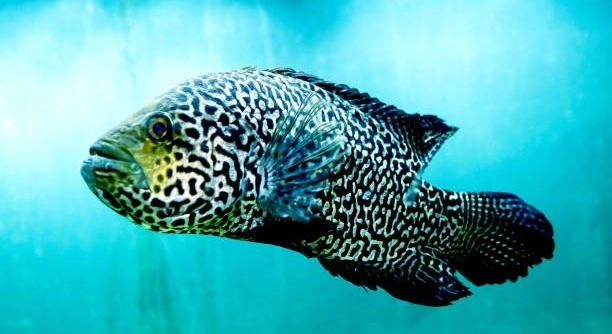
Do you ever find yourself frustrated with your Jack Dempsey fish acting stressed or hiding more than usual in the tank? Watching them struggle can make even routine tank maintenance feel overwhelming and discouraging.
Adjusting tank setups can significantly reduce stress in Jack Dempsey cichlids. Proper water temperature, pH balance, hiding spaces, and careful consideration of tankmates all contribute to creating an environment that minimizes aggressive behavior and promotes overall fish health.
Understanding the right setup changes will help your Jack Dempsey feel calmer and more secure in its environment. These adjustments make a noticeable difference in daily tank life.
Adjust Water Temperature and Stability
Jack Dempseys are sensitive to sudden changes in water temperature. Keeping the tank between 75 and 82°F helps maintain their activity levels and reduces stress. Frequent fluctuations can make them hide or act aggressively toward other fish. Using a reliable heater and thermometer ensures the temperature stays consistent. Even small drops at night can affect their mood, causing them to become more reclusive. Gradual adjustments are essential when changing water conditions to prevent shock. Stability also supports their immune system, reducing the likelihood of illness. Monitoring temperature daily can prevent issues before they escalate. Some owners place the tank away from drafty windows or vents to avoid sudden changes. Consistent temperature allows Jack Dempseys to establish predictable routines, improving their overall behavior. Over time, calmer fish are easier to care for and interact with, making the tank a more pleasant environment for both the fish and the keeper.
Maintaining stable temperatures reduces stress and supports healthy behavior in Jack Dempseys. Predictability in their environment makes a noticeable difference.
Proper temperature control prevents aggressive behavior, supports digestion, and allows Jack Dempseys to thrive. Using heaters, thermometers, and avoiding drafty areas ensures a calm, consistent habitat. Even minor adjustments, like slow changes during water swaps, can improve their overall comfort. Tank location and insulation also help maintain stability, keeping the fish more active and less stressed throughout the day. Observing behavior after adjustments confirms that the temperature suits them. Over time, these changes create a peaceful tank where fish feel secure and less prone to hiding. Combining temperature management with other setup improvements enhances their health, reduces aggression, and encourages natural behaviors like exploring and interacting with the environment. Regular checks and small corrections are key to long-term success with Jack Dempseys.
Provide Adequate Hiding Spaces
Hiding spaces help Jack Dempseys feel secure. Rocks, caves, and plants give them areas to retreat when they feel threatened. Without enough hiding spots, they may become aggressive or stressed, especially in tanks with other fish. Arranging shelters in different parts of the tank reduces conflict and allows multiple fish to have their own territories. Decorations should be stable and safe to prevent injury if a fish bumps into them. Dense areas also provide cover during feeding, reducing competition stress. By giving Jack Dempseys options to retreat, they can regulate their environment and feel in control. Observing their use of shelters can indicate whether adjustments are needed. Hiding spaces not only reduce stress but also encourage natural behavior, like exploring and defending small territories without escalating fights. Creating these safe zones makes daily interactions calmer and gives the tank a more balanced environment.
Providing multiple hiding spots prevents aggression and gives fish control over their environment. Shelters reduce conflict and support natural behavior.
Arranging rocks, caves, and plants creates multiple retreats for Jack Dempseys, reducing stress from other fish. Spacing these hiding spaces prevents competition and allows them to establish territories without frequent fights. Dense areas near the tank’s edges offer security during feeding times, while open areas encourage exploration. Observing which shelters are used most helps optimize placement. Safe decorations prevent injury during movement and mimic natural habitats, supporting comfort and well-being. Well-planned hiding spots promote healthier, calmer fish, reducing aggressive displays and encouraging natural interactions with the environment.
Monitor Water Quality Regularly
Maintaining clean water is essential for Jack Dempseys. High levels of ammonia, nitrites, or nitrates stress fish and cause health problems. Regular testing and partial water changes keep the tank safe. Clean water also supports their immune system and natural behavior.
Testing water twice a week helps detect issues early. Using a reliable test kit ensures accuracy for ammonia, nitrites, nitrates, and pH. Partial water changes of 20-25% weekly prevent toxin buildup without shocking the fish. Filters should be cleaned according to manufacturer guidelines to maintain efficiency. Maintaining water quality reduces disease risk, stabilizes behavior, and keeps Jack Dempseys active and curious. Observing the fish after water changes helps confirm the environment is suitable and stress levels are lower. Consistent water management allows you to enjoy a calm, healthy tank over time.
Good filtration is crucial. A strong filter removes debris and harmful chemicals, supporting a stable environment. Avoid overfeeding to reduce waste. Proper water circulation mimics natural habitats, making Jack Dempseys more comfortable. Regular observation ensures the system is working effectively, keeping the tank balanced and fish stress-free.
Choose Compatible Tankmates
Jack Dempseys can become aggressive if housed with incompatible species. Choosing fish with similar size and temperament minimizes fights and stress. Avoid overly passive or very small fish that may be targeted.
Introducing tankmates gradually allows them to adjust. Monitor interactions to ensure no fish is bullied or constantly hiding. Using dividers initially can reduce initial aggression while establishing territories. Select species that tolerate similar water conditions to prevent additional stress. Observing feeding habits and activity levels helps assess compatibility over time. Even slight mismatches in temperament can escalate, so careful selection is key. Properly chosen companions reduce injuries and create a more peaceful tank environment, benefiting all fish.
Tankmate choice influences stress levels significantly. Large, similarly tempered fish reduce conflict, while incompatible species increase aggression. Gradual introductions and monitoring interactions ensure harmony, protecting Jack Dempseys and their companions.
Maintain Proper Tank Size
Jack Dempseys need ample space to thrive. A small tank increases stress and aggression. A minimum of 55 gallons is recommended for one adult fish.
Extra space allows them to establish territories and move freely. Overcrowding can lead to constant chasing and hiding, which raises stress levels and affects overall health.
Provide Balanced Nutrition
Feeding high-quality pellets or flakes designed for cichlids ensures Jack Dempseys get essential vitamins and protein. Supplementing with occasional live or frozen foods adds variety and supports growth. A consistent feeding schedule prevents overfeeding, which can pollute water and cause digestive issues.
Control Lighting
Bright or constant lighting can stress Jack Dempseys. Moderate, natural light cycles help them feel secure and maintain regular activity patterns. Adjust lighting duration to mimic day and night, giving fish predictable routines.
FAQ
How often should I change the water for my Jack Dempsey?
Water changes should be done weekly, ideally 20-25% at a time. This helps remove waste and keeps toxins like ammonia, nitrites, and nitrates low. Frequent small changes are better than occasional large ones, which can shock the fish and cause stress.
What is the ideal pH for Jack Dempseys?
Jack Dempseys prefer a slightly alkaline environment, with a pH between 6.5 and 8.0. Maintaining stable pH levels is more important than hitting an exact number. Sudden shifts can cause stress, affect their appetite, and even make them susceptible to disease.
Can Jack Dempseys live with other fish?
Yes, but careful selection is needed. Compatible tankmates are similar in size and temperament. Avoid very small or overly passive fish that may be targeted. Gradual introductions and monitoring interactions reduce aggression and stress, helping everyone coexist peacefully.
How many hiding spots are enough?
Providing at least three to four hiding areas per adult fish is ideal. Rocks, caves, and plants allow them to establish territories and retreat when stressed. Multiple shelters also reduce fights by giving all fish options to claim their own space.
How can I tell if my Jack Dempsey is stressed?
Signs include hiding constantly, loss of appetite, rapid gill movement, or aggression toward tankmates. Stress may also cause faded colors or erratic swimming. Monitoring behavior daily helps catch issues early before they affect health.
What should I feed Jack Dempseys?
High-quality cichlid pellets or flakes should be the main diet. Supplement with frozen or live foods like bloodworms, brine shrimp, or small insects for variety. Avoid overfeeding to prevent water pollution, which can lead to stress and health problems.
Is tank size really important for Jack Dempseys?
Yes, larger tanks reduce aggression and stress. A single adult should have at least 55 gallons, with extra space if adding tankmates. Room to establish territories and swim freely promotes natural behavior and a calmer environment.
How important is lighting in the tank?
Lighting should mimic natural day and night cycles. Too bright or constant light can stress fish and disrupt sleep patterns. Moderate lighting helps them feel secure, maintain routines, and display natural behaviors like exploring or defending territories.
Do Jack Dempseys need a specific temperature range?
They thrive in 75-82°F. Sudden changes or fluctuations outside this range can increase stress and trigger aggressive behavior. Using a reliable heater and thermometer ensures a stable, comfortable environment, supporting both health and activity.
Can Jack Dempseys recover from stress quickly?
Yes, if the environment is corrected promptly. Stable water conditions, proper tankmates, hiding spots, and balanced nutrition help them calm down. Recovery time varies, but consistent care can restore normal behavior and appetite within a few days to a week.
How often should I test water parameters?
Testing twice a week for ammonia, nitrites, nitrates, and pH is recommended. Regular monitoring prevents problems before they escalate. Keeping a log of results helps identify patterns and maintain a stable, stress-free environment for Jack Dempseys.
What is the best way to introduce new fish?
Introduce new fish gradually using dividers or by acclimating them slowly. This reduces aggression and gives existing fish time to adjust. Observe interactions closely during the first few days to ensure all fish are settling without constant fighting or stress.
Are live plants safe for Jack Dempseys?
Yes, live plants provide hiding spots and improve water quality. Choose hardy species that can withstand digging. Plants also reduce stress by offering cover, creating natural territories, and making the tank feel more secure for the fish.
How do I prevent aggression between Jack Dempseys?
Maintain proper tank size, provide hiding spots, and select compatible tankmates. Avoid overcrowding and overfeeding, and monitor interactions. These steps reduce fights, support natural behavior, and create a calmer environment where fish feel secure.
Can stress affect breeding in Jack Dempseys?
Yes, stressed fish are less likely to spawn and may abandon eggs or fry. Stable water, proper tankmates, hiding spots, and balanced nutrition encourage natural breeding behavior and increase the chances of successful reproduction.
Is frequent tank cleaning stressful for Jack Dempseys?
It can be if done roughly or too often. Partial water changes and gentle cleaning help maintain water quality without disrupting territories. Moving decorations minimally prevents additional stress and keeps fish comfortable in their established environment.
How long does it take to see results after setup changes?
Behavioral improvements are often noticeable within a few days. Consistency is key, and it may take a week or more for stress levels to fully normalize. Regular observation confirms that changes are effective and that the tank is supportive.
Can Jack Dempseys live happily alone?
Yes, they can thrive alone if the tank is large enough and enriched with hiding spots and stimulation. Some fish prefer solitude, which reduces territorial disputes and stress caused by incompatible tankmates.
What is the most important factor for reducing stress?
Stable water conditions, proper temperature, adequate space, hiding spots, and compatible tankmates are all essential. Consistency in these areas ensures Jack Dempseys feel secure, promoting natural behavior, vibrant colors, and overall health.
How do I know if my setup changes are working?
Signs include increased activity, normal feeding behavior, bright colors, and less aggression. Fish hiding less and exploring their environment indicate they feel safer. Monitoring behavior over time helps assess if the tank meets their needs and reduces stress.
Can diet alone reduce stress?
Diet helps, but it must be combined with environmental adjustments. Balanced nutrition supports immune function and energy, but stable water, proper tankmates, and hiding spaces are equally important for reducing stress effectively.
What should I avoid to keep Jack Dempseys calm?
Avoid overcrowding, sudden water changes, incompatible tankmates, excessive handling, and constant bright lighting. Neglecting water quality or feeding routines also increases stress. Maintaining a stable, predictable environment is key to keeping them comfortable and healthy.
Are Jack Dempseys sensitive to noise?
Yes, loud vibrations or tapping on the glass can startle them and trigger stress. Keeping the tank in a quieter area and minimizing disturbances helps them feel secure and reduces aggressive or hiding behavior.
Do decorations affect stress levels?
Yes, stable rocks, caves, and plants create territories and hiding spots. Avoid sharp or unstable decorations. Thoughtful placement of structures allows fish to retreat when stressed and reduces conflicts, supporting calm and natural behavior.
Can stress lead to illness?
Chronic stress weakens the immune system, making fish more prone to diseases like fin rot or infections. Maintaining optimal water quality, proper diet, and hiding spots minimizes stress and supports overall health.
How long can Jack Dempseys tolerate poor conditions?
They may survive temporarily in poor conditions, but prolonged stress affects health, behavior, and lifespan. Immediate corrective measures are necessary to prevent long-term damage and ensure a comfortable, safe environment.
Should I change tankmates if stress persists?
Yes, if aggression continues despite adjustments, re-evaluating tankmates is necessary. Incompatible species can create constant tension. Separating or replacing problematic fish restores balance and reduces stress for everyone.
How important is consistency in care?
Consistency is critical. Regular water changes, feeding schedules, and stable conditions allow Jack Dempseys to feel secure. Irregular routines or sudden changes increase stress, reduce immune function, and can trigger aggressive behavior.
Can stress affect color in Jack Dempseys?
Yes, stressed fish often display dull or faded colors. Stable conditions, proper nutrition, hiding spots, and compatible tankmates help maintain vibrant coloration and indicate overall well-being.
Are Jack Dempseys more stressed in planted or bare tanks?
Planted tanks usually reduce stress by providing hiding spots and territory boundaries. Bare tanks increase visibility and vulnerability, which can make them more skittish or aggressive toward other fish. Strategic decoration placement is essential.
How do I know if my Jack Dempsey is fully comfortable?
Calm behavior, regular swimming, active feeding, and vibrant colors indicate comfort. Reduced aggression and more exploration of the tank show that environmental adjustments are working effectively. Consistent observation confirms ongoing well-being.
Can stress affect growth in Jack Dempseys?
Yes, chronic stress slows growth and development. Proper diet, stable water conditions, adequate space, and hiding spots support healthy growth and reduce aggressive interactions that might stunt development.
Is acclimation important for new Jack Dempseys?
Absolutely. Gradually introducing new fish to the tank helps them adjust to temperature, water chemistry, and existing fish. Proper acclimation reduces stress and promotes a smoother transition into the environment.
How can I prevent stress during water changes?
Use gradual temperature-matched water and avoid sudden large changes. Moving fish minimally, cleaning gently, and maintaining established territories help reduce stress during maintenance. Partial water changes are preferable to complete tank swaps.
Do Jack Dempseys remember stressful events?
They can associate areas or actions with negative experiences. Reducing triggers like sudden movements, aggressive tankmates, or poor water quality prevents repeated stress and allows them to feel secure again.
Can stress affect reproduction?
Yes, stressed fish may not spawn or may abandon eggs. Stable water, hiding spots, and compatible tankmates increase the chances of successful breeding by creating a secure environment.
Are juvenile Jack Dempseys more sensitive to stress?
Yes, young fish are more vulnerable to water quality issues, overcrowding, and aggressive tankmates. Extra care with tank conditions and careful monitoring helps them grow strong and adapt to their environment.
How do I reintroduce a stressed Jack Dempsey after illness?
Ensure water parameters are optimal, provide hiding spots, and avoid aggressive tankmates. Gradually resume normal feeding and observe behavior closely. This approach helps the fish regain confidence and reduce residual stress.
Can stress cause sudden death in Jack Dempseys?
Severe, chronic stress can weaken immunity and lead to sudden illness or death. Maintaining a stable, suitable environment with proper care is essential to prevent life-threatening conditions.
What is the easiest change to reduce stress quickly?
Providing hiding spots and adjusting water quality are immediate actions. These changes give the fish control over their environment and quickly lower visible signs of stress.
How do I balance multiple stress-reduction methods?
Address temperature, water quality, tankmates, hiding spots, diet, and lighting together. No single change works alone. Consistency and monitoring ensure all factors support a calmer, healthier Jack Dempsey environment.
How long should I observe before making new changes?
Observe behavior for several days after adjustments. Look for calmer swimming, normal feeding, and reduced hiding. Avoid making multiple changes simultaneously to see which adjustments are most effective.
Can stress be completely eliminated?
Stress can be minimized but never entirely removed. Occasional minor stressors may occur, but consistent care and a stable environment keep it low and manageable.
Is it normal for Jack Dempseys to be territorial?
Yes, they naturally defend territories. Providing enough space and hiding spots allows this behavior without causing constant stress or aggression toward other fish.
What daily routines help reduce stress?
Feeding at regular times, monitoring water, observing fish behavior, and keeping tank conditions stable all support calm, healthy Jack Dempseys. Consistent routines reduce anxiety and improve overall well-being.
How can I tell if a tankmate is causing stress?
Signs include hiding, aggression, color fading, or erratic swimming. Removing or replacing the problematic fish usually restores calm and helps the Jack Dempsey feel secure.
Do Jack Dempseys get stressed from handling?
Yes, excessive handling or netting can increase stress. Move them minimally and only when necessary, such as during medical treatment or tank maintenance.
How important is diet variety for stress reduction?
Varied food supports nutrition and prevents boredom. A mix of pellets, flakes, and occasional live or frozen foods keeps Jack Dempseys healthy and more resilient to stress.
Can environmental enrichment reduce stress?
Yes, decorations, plants, and hiding spots mimic natural habitats. These features give Jack Dempseys control and options, promoting comfort and reducing anxiety in the tank.
Is monitoring behavior more important than water tests?
Both are important. Water tests ensure chemical stability, while observing behavior reveals how fish respond to the environment. Together, they provide a complete picture of stress levels and health.
How often should I rearrange decorations?
Minimize frequent changes. Only adjust when necessary for tank maintenance or improving hiding spots. Stability helps Jack Dempseys feel secure and prevents unnecessary stress from constant territory changes.
Can stress be passed between fish?
Yes, stressed fish can influence tankmates through aggression or constant hiding. Managing environmental factors and compatible tankmates reduces this effect and promotes a calmer community.
Are Jack Dempseys sensitive to water hardness?
They tolerate a range of moderately hard water. Sudden changes can stress them, so gradual adjustments are safer. Consistency in water chemistry supports overall health and behavior.
How do I maintain stress-free water chemistry?
Regular testing, partial water changes, and avoiding overfeeding keep ammonia, nitrites, nitrates, and pH stable. Stability ensures a comfortable and predictable environment for Jack Dempseys.
Can frequent tank inspections cause stress?
Yes, constant disturbances may make fish skittish. Daily visual checks are fine, but avoid tapping the glass, sudden movements, or excessive rearranging to minimize anxiety.
Is it necessary to quarantine new fish?
Yes, quarantining prevents disease introduction and reduces stress for both new and existing fish. It also allows observation for aggressive tendencies before adding them to the main tank.
How do I handle persistent aggression despite setup changes?
Separating the aggressive fish, increasing hiding spots, or re-evaluating tankmates is necessary. Some individuals remain territorial regardless of adjustments, and intervention ensures all fish remain safe and less stressed.
Can stress affect Jack Dempsey appetite?
Yes, stressed fish may eat less or refuse food. Correcting water quality, environment, and social dynamics usually restores normal feeding behavior within days.
What are common overlooked stress factors?
Excessive light, loud noise, poor water flow, or inadequate decorations are often missed. Addressing these alongside standard care practices helps maintain calm, healthy Jack Dempseys.
How do I track long-term stress patterns?
Keep a log of behavior, water parameters, feeding, and tank changes. This helps identify recurring issues and maintain a consistently stress-free environment.
Is it normal for Jack Dempseys to flare occasionally?
Yes, occasional flaring is natural. Persistent aggression, constant chasing, or hiding indicates stress that should be addressed through tank adjustments.
Can I reduce stress during breeding?
Yes, provide secluded areas, stable water, and compatible conditions. Minimizing disturbances ensures fish focus on spawning without unnecessary stress.
How does tank location affect stress?
Tanks in high-traffic, noisy, or drafty areas increase stress. Placing the tank in a stable, quiet location with moderate lighting helps fish feel secure.
Can stress affect lifespan?
Chronic stress shortens lifespan by weakening immunity and increasing susceptibility to disease. Stable, comfortable environments contribute to longer, healthier lives for Jack Dempseys.
How do I balance multiple Jack Dempseys in one tank?
Provide ample space, hiding spots, and monitor interactions. Gradual introductions and observing territorial behavior prevent constant conflict and reduce overall stress for all fish.
Is water flow important for reducing stress?
Yes, moderate flow mimics natural conditions. Too strong currents can exhaust fish, while stagnant water reduces oxygen levels. Proper flow ensures comfort and supports healthy behavior.
How do I reintroduce a stressed fish to a tank?
After recovery, acclimate slowly, provide hiding spots, and avoid aggressive tankmates. Observe closely to ensure the fish adapts without renewed stress.
Are Jack Dempseys sensitive to seasonal changes?
Yes, fluctuations in room temperature or lighting can affect behavior. Maintaining consistent conditions throughout the year reduces stress and prevents sudden reactions.
Can stress cause long-term behavioral changes?
Chronic stress may make fish more aggressive, timid, or reclusive permanently. Preventing prolonged stress through proper tank setup and care is essential for healthy behavior.
What is the first step when noticing stress?
Check water quality first, then evaluate tankmates, hiding spots, and feeding. Correcting environmental factors quickly prevents escalation and promotes recovery.
How can I encourage natural behavior while reducing stress?
Provide hiding spots, proper tank size, moderate lighting, and compatible companions. Stable water conditions and regular feeding encourage exploration, territory establishment, and calmer interactions.
Are Jack Dempseys more stressed in new tanks?
Yes, they need time to adjust. Gradual acclimation, hiding spots, and monitoring behavior help them settle comfortably without constant stress.
How important is observation for stress management?
Daily observation is key. Behavior changes often indicate issues before water tests or visible signs appear. Early intervention prevents long-term stress and supports overall health.
Can stress be entirely prevented?
No, minor stress is inevitable, but proper tank conditions, compatible tankmates, and consistent care minimize it and maintain overall well-being.
Do Jack Dempseys prefer planted or decorated tanks?
Planted and decorated tanks provide security, territories, and stimulation. Bare tanks increase visibility and stress. Balanced decoration helps reduce anxiety and encourage natural behavior.
Can stress cause abnormal swimming patterns?
Yes, frantic, erratic, or sluggish swimming often indicates stress. Addressing environment, water quality, and tankmates usually restores normal swimming behavior.
How do I know if stress is short-term or chronic?
Short-term stress shows quick recovery after minor changes. Chronic stress persists despite adjustments, affecting appetite, behavior, and color. Tracking patterns helps identify severity and solutions.
Can stress affect Jack Dempseys’ interactions with humans?
Yes, stressed fish may avoid interaction or dart at movements. Calm, predictable routines and minimal disturbance improve comfort and reduce stress responses toward humans.
What role does tank maintenance play in stress reduction?
Consistent cleaning, water changes, and filter maintenance prevent toxin buildup. Predictable maintenance routines allow fish to adapt without sudden disruptions, minimizing stress and promoting health.
Are Jack Dempseys affected by chemical cleaners or scents?
Yes, strong chemicals, air fresheners, or scented cleaners near the tank can irritate fish. Using neutral, aquarium-safe products keeps them calm and reduces environmental stress.
How do I prevent stress after rearranging the tank?
Move decorations gradually, provide familiar hiding spots, and avoid frequent changes. Stability allows fish to establish territories and reduces anxiety from altered surroundings.
**
Jack Dempseys are beautiful and fascinating fish, but they are also sensitive to their environment. Small changes in water quality, temperature, or tank setup can quickly affect their mood and behavior. A stressed Jack Dempsey may hide constantly, become aggressive toward tankmates, or show signs of illness. Paying attention to their needs and creating a stable, comfortable habitat is essential. This includes monitoring water parameters, maintaining consistent temperature, and providing ample space for swimming and establishing territories. Even minor adjustments, like adding a few hiding spots or rearranging decorations carefully, can make a noticeable difference in reducing stress levels. Observing their behavior daily helps you understand what works and what might need improvement. Consistent care builds trust between the fish and the environment, allowing them to feel safe and behave naturally.
Balanced nutrition is another key factor in keeping Jack Dempseys healthy and stress-free. Feeding high-quality pellets or flakes designed for cichlids provides essential vitamins and protein, while occasional live or frozen foods add variety and enrichment. Overfeeding can pollute the water and contribute to stress, so maintaining a regular feeding schedule is important. Tankmates must also be chosen carefully. Fish with similar size and temperament are best to prevent conflict and ensure that all inhabitants can coexist peacefully. Providing multiple hiding spots, such as caves, rocks, or dense plants, allows each fish to claim a territory or retreat when needed. Lighting should mimic natural day and night cycles, avoiding excessive brightness or constant illumination, which can make Jack Dempseys anxious. Paying attention to all these elements creates a calm, predictable environment, which is essential for reducing chronic stress and promoting long-term health.
Consistency and patience are central to maintaining a stress-free tank. Sudden changes in water conditions, tankmates, or even handling can increase anxiety for Jack Dempseys. It is better to make gradual adjustments and monitor their reactions closely. Signs of stress, such as hiding, aggression, or reduced appetite, should be addressed immediately to prevent long-term health effects. While no environment is entirely free of stress, combining proper water management, suitable tankmates, secure hiding spots, balanced nutrition, and stable routines allows these fish to thrive. Observing and responding to their behavior regularly helps ensure they remain comfortable and healthy. Over time, the efforts put into creating a well-maintained tank will be rewarded with active, vibrant, and calm fish that enjoy their environment, making the aquarium more enjoyable for both the Jack Dempseys and the person caring for them.

Hello,
If you enjoy the content that we create, please consider saying a "Thank You!" by leaving a tip.
Every little bit helps us continue crafting quality advice that supports the health, happiness, and well-being of pets around the world, for pets of all shapes, sizes, and species.
We really appreciate the kindness and support that you show us!