
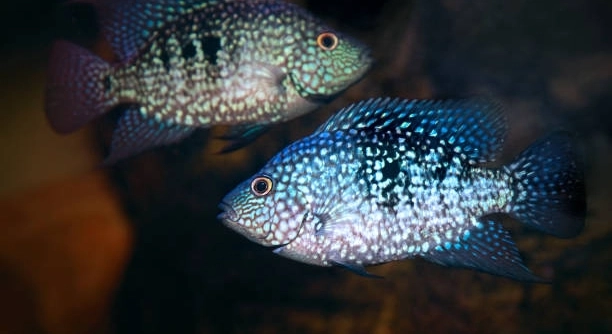
Dempsey males are known for their striking colors and energetic personalities. While they are popular in aquariums, some owners notice sudden bursts of aggression. Understanding what causes these behaviors is important for maintaining a peaceful tank environment.
Aggression in Dempsey males is primarily triggered by territorial disputes, competition for mates, and environmental stressors. Limited space, overcrowding, and changes in water conditions can heighten irritability, leading to frequent displays of dominance and aggressive behavior towards other fish.
Recognizing these triggers allows owners to manage tank conditions more effectively, promoting harmony and healthier interactions among Dempsey males in their aquatic habitat.
Understanding Territorial Behavior
Dempsey males naturally establish territories in the aquarium. When space is limited, they become defensive over their preferred areas. Even minor intrusions can trigger aggressive displays such as chasing, flaring, or nipping. Providing hiding spots and visual barriers can reduce tension, helping fish feel more secure. Observing which areas cause conflicts can guide tank layout adjustments, ensuring each fish has a personal space. Aggression often peaks during feeding, as males compete for food. Maintaining a consistent feeding routine with ample portions can minimize fights. Water conditions also play a role; fluctuations in temperature or pH can increase stress, indirectly affecting territorial behavior. Overcrowded tanks intensify these reactions, so careful population management is essential. Properly spacing Dempsey males and introducing decorations like rocks or plants gives them boundaries, reducing disputes and creating a calmer environment. Consistent monitoring allows for early intervention, preventing serious injuries and long-term stress.
Territorial disputes in Dempsey males are intensified by confined spaces and lack of hiding areas.
By observing individual behaviors and adjusting tank arrangements, aggression can be significantly reduced. Using dividers, plants, and rock formations helps males feel secure, while maintaining stable water parameters and feeding routines prevents tension. Over time, careful management can foster a more balanced social environment, where dominance is expressed without continuous conflict. Consistent observation also allows owners to separate particularly aggressive individuals, protecting others and maintaining a healthy tank dynamic.
Environmental Stressors and Aggression
Environmental factors strongly influence Dempsey male behavior. Water quality, temperature, and pH levels affect their mood and tolerance. Dirty water or sudden changes can make them irritable and more likely to attack tankmates. Consistency is key to preventing stress-induced aggression. Stress may also arise from excessive noise, vibrations, or frequent tank disturbances. Maintaining a calm environment helps fish feel secure. Decorations, plants, and proper lighting contribute to reducing stress, as these elements provide hiding places and comfort. When conditions are unstable, aggression spikes, often directed at weaker fish. Observation and timely interventions are necessary to keep Dempsey males healthy and maintain harmony in the aquarium.
Dempsey males react sharply to sudden changes in water and surroundings.
Stress triggers, including poor water quality or abrupt disturbances, directly increase aggression. Consistent maintenance, gradual adjustments, and calm handling reduce these stressors. Careful attention to temperature, pH, and tank setup prevents unnecessary fights. Stable lighting and minimal vibrations also promote a relaxed atmosphere. Stress reduction allows males to coexist with less frequent dominance conflicts, ensuring healthier and more predictable behavior patterns. Proper management and environmental stability are essential to maintaining peaceful interactions, giving these fish the security needed to thrive while minimizing injuries and tension in the tank.
Feeding and Aggression
Overfeeding or competition for food can increase aggression in Dempsey males. Males may chase others during feeding, leading to stress or injury.
Feeding habits directly influence behavior. When portions are too small, dominant males may monopolize food, leaving others hungry and agitated. Even with adequate food, aggressive individuals often chase tankmates to assert control, which can escalate conflicts. Scheduling consistent feeding times and using multiple feeding spots helps distribute food evenly. Floating or sinking pellets can encourage fish to eat in separate areas, reducing direct competition. Observing which males are more aggressive during meals allows adjustments in portions and feeding methods, ensuring all fish get enough nutrition.
Meal management also impacts long-term behavior. Consistently monitoring feeding patterns and making small adjustments helps prevent repetitive fights. Using feeding rings or dividing the tank temporarily during feeding can reduce tension. Over time, these strategies minimize stress and maintain a calmer social structure. Ensuring proper nutrition for all fish supports overall health and reduces aggression linked to hunger or territorial dominance. Clear observation and gradual adjustments are essential to maintain balance in the tank.
Size and Dominance
Larger Dempsey males often assert dominance over smaller ones, increasing aggression. Size differences directly affect social dynamics.
Dominance hierarchies develop based on size, strength, and personality. Larger males frequently chase or intimidate smaller ones, leading to stress or injury. Aggressive displays, such as flaring fins or charging, help establish rank but can harm weaker fish if space is limited. Careful selection of tankmates and attention to growth rates can prevent severe conflicts. Separating individuals that consistently dominate others is sometimes necessary. Providing visual barriers, hiding spots, and evenly distributed resources helps reduce direct confrontations. Observing interactions regularly allows owners to identify aggressive patterns before they escalate.
Maintaining balance in the tank requires monitoring growth and behavior. Rapidly growing males can upset established hierarchies, making smaller fish more vulnerable. Rotating decorations and creating multiple territories reduces tension, giving weaker males safe spaces. Consistent observation, timely interventions, and strategic tank arrangements help manage dominance-related aggression. Adjusting population density and spacing larger males away from smaller ones prevents constant intimidation. Over time, these steps foster a more peaceful environment where aggression is limited to occasional, manageable displays. Stability and careful management are key to keeping all fish healthy and stress-free.
Tank Size and Space
Smaller tanks increase aggression in Dempsey males because there is limited space to establish territories. Overcrowding heightens stress and leads to more frequent chasing and flaring.
Providing ample space reduces conflict. A larger tank allows males to create separate territories, giving each fish a sense of security and minimizing repeated confrontations over limited areas.
Mating Behavior
During breeding periods, Dempsey males become more aggressive to protect potential mates. Courtship and guarding behaviors can lead to intense chasing and attacks.
Mating instincts heighten competition and dominance displays. Males may guard females aggressively, restrict access, or attack rival males. Even minor intrusions can trigger full displays of aggression. Monitoring these interactions and providing hiding spots for females helps reduce injuries and ensures the breeding process is safer for all fish.
Water Quality
Poor water quality increases irritability and aggressive behavior in Dempsey males. High ammonia or sudden pH changes make them more likely to attack tankmates.
FAQ
What is the main reason Dempsey males show aggression?
Dempsey males display aggression primarily due to territorial instincts. They defend their preferred areas from intruders, including other males and sometimes females. Limited space, crowded tanks, or sudden changes in the environment can increase their territorial behavior. Providing hiding spots and visual barriers can help reduce these confrontations.
How does tank size affect aggression?
Smaller tanks intensify aggression because fish have less room to establish territories. Overcrowding leads to frequent chasing, fin nipping, and dominance struggles. Larger tanks allow each male to create a separate territory, which reduces tension and promotes calmer interactions among tankmates.
Does feeding influence aggression?
Yes, feeding has a direct impact on behavior. When portions are too small or food is unevenly distributed, dominant males may chase others to monopolize resources. Using multiple feeding spots, consistent schedules, and appropriate amounts can minimize competition and lower stress during mealtime.
Why do larger males dominate smaller ones?
Size often determines dominance. Larger Dempsey males can intimidate or chase smaller fish, asserting their rank in the tank. This hierarchy helps establish order but can lead to injury if space is limited. Careful monitoring and tank management are necessary to protect smaller fish.
Do water conditions trigger aggression?
Water quality strongly affects temperament. Poor conditions, such as high ammonia, nitrites, or sudden pH changes, increase irritability. Even minor disturbances, like abrupt temperature shifts, can trigger aggressive responses. Maintaining clean, stable water is essential for calmer, healthier fish.
How does mating behavior influence aggression?
During breeding periods, males become more protective of potential mates. Courtship behaviors include chasing rivals, flaring fins, and guarding females. This heightened aggression is natural but can result in injuries. Providing hiding spaces for females and careful monitoring helps manage these behaviors safely.
Can decorations reduce aggression?
Yes, decorations like rocks, plants, and partitions provide visual barriers and create separate territories. These elements allow fish to feel secure, minimizing direct confrontations. Rearranging tank decorations occasionally can also reduce established dominance conflicts, giving all fish more comfort.
Is it necessary to separate aggressive individuals?
Sometimes, separation is needed to prevent injuries. Males that consistently attack others or dominate feeding areas may require temporary or permanent isolation. Observing interactions closely helps determine when intervention is necessary to maintain a safe and balanced tank environment.
How often should aggression be monitored?
Daily observation is ideal. Aggression can escalate quickly, so monitoring allows owners to intervene early. Watching for signs like chasing, flaring, or damaged fins helps prevent serious injuries and ensures each fish can thrive in a more peaceful environment.
Can stress alone cause aggression?
Stress from environmental factors, overcrowding, or poor water quality can trigger aggressive behavior. Even mild disturbances, such as frequent tapping or vibrations, may heighten irritability. Reducing stress through stable conditions, ample space, and consistent routines promotes calmer, healthier Dempsey males.
What role do hiding spots play in reducing aggression?
Hiding spots give fish a safe retreat, lowering confrontations. Males and females alike benefit from access to secluded areas, helping smaller or weaker fish avoid constant harassment. Properly placed caves, plants, and partitions contribute to a more balanced social structure.
Does feeding method matter?
Yes, feeding method influences aggression levels. Using multiple feeding locations, sinking pellets, or floating rings allows all fish to access food without direct competition. This strategy reduces stress and prevents dominant males from monopolizing meals, creating a more peaceful tank environment.
How long does aggressive behavior last?
Aggression levels vary based on age, size, and environmental factors. Territorial and dominance behavior is usually highest in young to mature males but may stabilize once hierarchies are established. Proper tank management, consistent care, and ample space help shorten prolonged aggressive periods.
Can environmental enrichment reduce aggression?
Providing a variety of plants, rocks, and decorations encourages natural behavior and reduces boredom-induced aggression. Enrichment allows fish to explore and claim territories, decreasing direct conflicts and promoting mental stimulation, which contributes to a calmer aquarium dynamic.
Are there signs that aggression is becoming dangerous?
Yes, frequent chasing, torn fins, visible injuries, and persistent dominance indicate aggression is harmful. Monitoring these signs is crucial. Early intervention, such as rearranging decorations or separating aggressive individuals, prevents serious harm and maintains a healthier tank environment.
Final Thoughts
Managing aggression in Dempsey males requires attention to their natural behavior and environmental needs. These fish are inherently territorial and assertive, especially when space is limited or when competing for mates and resources. Overcrowded tanks, sudden changes in water conditions, or inconsistent feeding routines can trigger heightened irritability. Observing how each male reacts to others and adjusting the tank setup accordingly can make a significant difference. Simple strategies, such as providing enough hiding spots, visual barriers, and adequate space, allow each fish to establish its territory without constant confrontation. By understanding their instincts, it becomes easier to maintain a peaceful tank and reduce stress-related aggression.
Feeding practices also play a key role in preventing disputes among Dempsey males. When portions are too small or food is concentrated in one area, dominant males often chase others away, leaving some fish undernourished and stressed. Using multiple feeding points and ensuring consistent routines helps distribute food evenly and limits competition. Observing meal behavior is important, as it can indicate which males are overly aggressive or if certain tankmates need more protection. Over time, small adjustments in feeding and tank arrangements can prevent persistent conflicts, making interactions among males calmer. Maintaining clean water and stable environmental conditions further reduces irritability, keeping all fish healthier and less prone to aggression.
Size differences and mating behavior are additional factors that influence aggression. Larger males often assert dominance over smaller fish, while breeding instincts can cause males to become more protective and aggressive toward rivals. Careful monitoring, strategic tank placement, and the occasional separation of particularly aggressive individuals are sometimes necessary. Providing enrichment, such as plants, rocks, and partitions, gives fish space to retreat and reduces repeated confrontations. Over time, consistent observation, proper care, and gradual adjustments to the environment help establish a balanced social hierarchy. By combining attention to space, feeding, water quality, and enrichment, owners can foster a stable tank where Dempsey males thrive without excessive aggression, promoting their long-term health and well-being.

Hello,
If you enjoy the content that we create, please consider saying a "Thank You!" by leaving a tip.
Every little bit helps us continue crafting quality advice that supports the health, happiness, and well-being of pets around the world, for pets of all shapes, sizes, and species.
We really appreciate the kindness and support that you show us!