
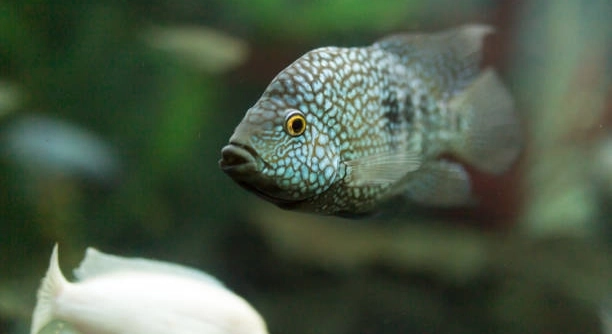
Jack Dempsey fish are popular among aquarium enthusiasts because of their striking colors and lively behavior. Many hobbyists enjoy keeping them but often wonder about the type of water conditions they prefer for healthy living.
Jack Dempsey fish do not favor fast-flowing water. They thrive in calm or gently moving environments that mimic their natural habitats, allowing them to feed, establish territories, and maintain stress-free behaviors efficiently and sustainably.
Knowing how water flow affects these fish can help you maintain a thriving aquarium and ensure your Jack Dempsey remains healthy and active.
Understanding Jack Dempsey Habits
Jack Dempsey fish are native to slow-moving rivers and lakes in Central America. Observing them in aquariums, I’ve noticed they often prefer areas where the water is calm. Strong currents can make them stressed, which affects their feeding and interaction with other fish. They enjoy hiding spots like rocks or plants where they can feel secure. Temperature and pH levels are also important, as they thrive in slightly acidic to neutral water between 75 and 82 degrees Fahrenheit. In calmer water, they move freely and display natural behaviors like territorial defense or exploring their space. High flow water can tire them quickly and even reduce their appetite. Their bold colors and patterns become more visible when they are comfortable. By replicating a gentle current environment, it becomes easier to maintain their health and ensure they live longer, active lives in a tank setting.
Stress from fast-moving water can lead to weakened immunity and slower growth.
Providing calm water with gentle circulation helps Jack Dempseys feel secure, reducing stress and encouraging natural behavior patterns like exploring and feeding.
Setting Up the Right Aquarium Flow
Maintaining a low to moderate water flow is ideal for Jack Dempsey fish. Using a filter that does not create strong currents helps maintain water clarity without overwhelming the fish. Placing decorations like rocks and driftwood can break up flow, creating calm pockets they can rest in. A soft sponge filter or adjustable flow pump often works best. Avoiding strong currents near their main swimming areas allows them to establish territories and reduces the risk of injury. Monitoring their behavior is key; if they struggle to swim or hide frequently, the flow is likely too strong. Gentle aeration from the surface is sufficient for oxygenation without adding stress. By understanding their natural tendencies and adjusting the aquarium setup, Jack Dempseys can thrive and show more of their natural colors and behaviors, creating a lively and visually appealing tank environment for observation and care.
Adjusting water flow not only keeps fish healthy but improves tank stability, making maintenance simpler.
Proper flow management ensures a balanced environment, supporting both plant growth and fish well-being. This prevents debris buildup and allows Jack Dempseys to move comfortably without unnecessary energy loss. Tank inhabitants become less stressed, territorial disputes are minimized, and feeding efficiency improves. Calm zones encourage exploration and natural behavior, which is crucial for their mental and physical health. Using decorations to redirect water flow enhances these areas while maintaining overall circulation. Consistent monitoring ensures the flow remains suitable as the tank matures and additional plants or fish are added. A well-balanced flow also stabilizes temperature and oxygen levels, making it easier to maintain water quality. When Jack Dempseys feel secure, their colors deepen, and they interact more naturally, offering a more enjoyable and sustainable aquarium experience over time. Proper setup can reduce long-term problems like illness or aggressive behavior, ensuring they thrive in captivity.
Tank Decorations and Flow
Rocks, driftwood, and plants help break water movement, creating calm areas where Jack Dempseys can rest. These decorations also provide hiding spots, which reduce stress and make the fish feel more secure in their environment.
Placing decorations strategically can control how water flows through the tank. Jack Dempseys use calmer areas for resting and feeding, while still having open space for swimming. Tall plants along the sides or corners reduce current intensity, and rocks or driftwood can form small caves or overhangs. These zones mimic their natural habitats and help regulate energy use. By arranging decorations thoughtfully, the tank becomes both functional and visually appealing, while supporting the fish’s comfort and natural behaviors.
Observing how the fish respond to water flow around decorations is essential. Adjusting positions of plants or rocks can help create the ideal balance between calm areas and open swimming space. Too many obstacles may block movement, while too few can leave them exposed to stronger currents. Regular adjustments ensure they remain comfortable and active.
Feeding Behavior and Water Flow
Jack Dempseys feed best in calmer water, where they can easily catch food without struggling against currents. Fast flow can scatter flakes or pellets, making feeding inefficient and stressful.
In slow-moving areas, they can focus on feeding and develop consistent eating habits. Strong currents can push food around, leaving some pieces uneaten or causing fish to expend extra energy chasing them. Observing their behavior during feeding shows where calm zones are most effective. It also helps in placing automatic feeders or targeting hand-feeding spots to reduce waste. Creating predictable feeding conditions supports growth, keeps them healthy, and encourages natural hunting instincts.
The location of feeding zones matters. Feeding near plants or rocks where water flow is minimal allows them to eat comfortably. Regularly monitoring food distribution prevents competition or stress among tank mates. Small adjustments to flow and decoration positions during feeding can improve efficiency. Over time, this helps Jack Dempseys maintain healthy weight, reduces food waste, and promotes active, confident behavior without unnecessary energy expenditure in strong currents.
Ideal Water Temperature
Jack Dempseys prefer water that stays between 75 and 82 degrees Fahrenheit. Temperatures outside this range can stress them and reduce activity levels.
Maintaining a consistent temperature helps them feed properly and stay healthy. Sudden changes can make them hide more often or become aggressive toward other tank mates.
Oxygen Levels and Flow
Calm water with gentle surface movement ensures adequate oxygen without stressing the fish. Too much current can reduce their comfort and natural behavior. Proper aeration supports their metabolism and overall well-being, keeping them active and vibrant in the tank environment.
Tank Size Considerations
Jack Dempseys need at least a 55-gallon tank as adults. Smaller tanks increase stress and limit swimming space.
Providing enough room reduces aggression and supports healthy growth. A spacious tank allows proper placement of decorations and calm zones, making it easier to maintain stable water conditions and suitable flow.
FAQ
Do Jack Dempsey fish need fast-flowing water?
No, Jack Dempsey fish thrive in calm to gently flowing water. Fast currents can stress them, reduce their appetite, and make swimming difficult. They prefer areas where they can rest, feed, and establish territories without being pushed around. Mimicking slow-moving rivers or lakes is best.
What type of water flow is best for Jack Dempseys?
A low to moderate flow works best. Using filters with adjustable flow or adding decorations to break the current helps create calm pockets. Gentle aeration at the surface is enough for oxygen exchange without causing stress or forcing the fish to fight the current.
Can Jack Dempseys live in tanks with strong filters?
They can, but it requires careful adjustment. Strong filters often create fast currents that tire the fish. Using baffles, sponge filters, or repositioning filter outlets can reduce flow in swimming areas, allowing the fish to feel secure while keeping water clean.
Do Jack Dempseys hide when water flow is too strong?
Yes, hiding is a common response to stress. When currents are strong, they retreat behind plants, rocks, or decorations. This behavior reduces stress but also limits activity and feeding. Calm zones encourage natural behaviors and allow them to explore the tank safely.
How does water flow affect feeding?
Strong water flow scatters food, making it hard for Jack Dempseys to eat efficiently. In calm areas, they can catch food easily, reducing waste and stress. Observing where they feed most comfortably can help adjust tank setup and improve overall nutrition.
Do decorations help with water flow management?
Yes, rocks, driftwood, and plants create natural barriers that reduce strong currents. These calm areas are important for resting, feeding, and territorial behavior. Arranging decorations thoughtfully can create both safe zones and open swimming space, supporting their well-being.
What is the impact of water flow on aggression?
High flow can increase stress, which sometimes triggers aggression in Jack Dempseys. Calm water reduces tension, helps establish territories naturally, and minimizes conflict with tank mates. Proper flow balance keeps the environment stable and safer for all inhabitants.
Is aeration necessary if water is calm?
Yes, but only gentle aeration is needed. Calm water alone may have less surface movement, which reduces oxygen exchange. Light bubbles or surface agitation maintain oxygen levels without stressing the fish, ensuring they remain active and healthy.
Can water flow affect their color?
Indirectly, yes. Stress from strong currents can dull their colors, while calm, comfortable environments allow them to display their full vibrant patterns. Reducing flow in key areas enhances their visual appeal and overall behavior.
How often should flow be adjusted?
Flow adjustments are usually needed when adding new decorations, changing tank size, or introducing new fish. Regularly observing their behavior helps determine if adjustments are necessary to maintain comfort, feeding efficiency, and activity levels.
Do young Jack Dempseys need different flow than adults?
Juveniles are smaller and less strong swimmers, so they benefit even more from calm water. Adults handle moderate currents better, but young fish need gentle environments to grow and develop without wasting energy fighting flow or hiding excessively.
Can fast-flowing water damage their health?
Yes, prolonged exposure to strong currents can cause physical stress, fatigue, and even damage fins. It also lowers immunity, making them more prone to disease. Maintaining calm water is a key part of keeping Jack Dempseys healthy over time.
Does tank shape affect water flow for Jack Dempseys?
Long, narrow tanks may create stronger currents near filter outlets, while wider tanks allow better distribution. Placing decorations to redirect flow helps create calm zones, ensuring the fish have safe spaces and a natural environment to thrive.
Are there signs that water flow is too strong?
Yes, signs include frequent hiding, sluggish swimming, reduced appetite, fin clamping, or struggling against currents. Observing these behaviors allows quick adjustments to protect their health and maintain a comfortable environment.
Can fast-flowing water help in any situation?
Occasionally, moderate flow can help circulate oxygen and prevent debris buildup. However, it should never overwhelm the fish. Using barriers, baffles, and careful filter placement ensures benefits without stressing Jack Dempseys.
Do Jack Dempseys need flow in planted tanks?
Yes, gentle flow is helpful for plant health by distributing nutrients and preventing dead spots. Careful balance ensures plants thrive without creating stressful currents for the fish. Calm zones near decorations remain important.
How does flow affect breeding behavior?
Calm water supports natural breeding behaviors. Strong currents can disturb nesting, scatter eggs, and stress adults, reducing the chance of successful spawning. Providing gentle water movement ensures both comfort and reproductive success.
Are there flow preferences between individual Jack Dempseys?
Yes, some are more active swimmers and tolerate slightly stronger currents, while others prefer very calm water. Observing each fish’s behavior helps create tailored environments that suit their comfort and reduce stress.
Can flow adjustments improve tank maintenance?
Yes, proper flow balances debris circulation and prevents stagnation without overwhelming the fish. Calm zones and redirected currents reduce cleaning frequency while maintaining healthy conditions for Jack Dempseys.
Does flow influence social interactions?
Yes, calm water encourages natural territorial behavior and reduces stress-induced aggression. Fast currents may make fish more defensive or timid, limiting interactions and exploration. Balanced flow supports a more stable and active community in the tank.
What is the best way to test if flow is appropriate?
Observe how fish swim and feed. They should move comfortably without constantly fighting currents. Calm resting areas and active feeding behavior indicate the flow is suitable. Adjustments can then be made gradually for optimal comfort and health.
Can strong flow lead to long-term issues?
Yes, chronic exposure to strong currents can stunt growth, dull colors, increase aggression, and lead to weakened immunity. Maintaining calm water is a preventative measure to ensure Jack Dempseys remain healthy and display natural behaviors.
How do I combine filtration and calm water?
Use adjustable filters, baffles, or sponge filters to reduce strong currents. Strategic placement and decorations help distribute water evenly. Gentle aeration at the surface supports oxygen levels without creating stressful flow, ensuring a comfortable environment.
Is it okay to have areas with slightly stronger currents?
Yes, small areas with moderate flow can encourage exercise and circulation but should not dominate the tank. Calm zones must be available for rest, feeding, and natural behaviors. Observation ensures balance between comfort and movement.
Can water flow affect tank cleanliness?
Yes, proper flow helps circulate debris toward filters while maintaining calm areas for fish. Overly strong flow may push waste into resting zones, causing stress. Strategic decoration placement ensures both cleanliness and comfort.
Do Jack Dempseys prefer vertical or horizontal flow?
Horizontal flow is more noticeable to them, especially near swimming areas. Vertical bubbles for aeration are usually fine, as long as they do not create turbulence that overwhelms the fish. Most calm zones should have minimal horizontal current.
How often should I check water flow?
Flow should be checked whenever the tank setup changes, new fish are introduced, or behavior indicates stress. Regular observation ensures the environment remains suitable for feeding, resting, and natural activity.
Does water temperature interact with flow preference?
Yes, higher temperatures increase activity, so moderate flow may be tolerated more easily. Lower temperatures reduce swimming strength, making calm water even more critical to prevent stress and fatigue.
Can fast flow affect fin health?
Yes, constant exposure to strong currents can damage delicate fins or cause fraying. Calm water prevents unnecessary wear and supports overall physical health, allowing fins to remain vibrant and intact.
Are there flow considerations for community tanks?
Yes, other fish may have different flow preferences. Balancing flow to meet Jack Dempseys’ needs while supporting other species is important. Calm zones benefit slower swimmers and reduce conflicts in mixed tanks.
Do Jack Dempseys need adjustments as they grow?
Yes, juveniles need gentler water, while adults handle moderate flow better. Gradual adjustments ensure fish are comfortable at all stages, supporting healthy development and long-term well-being.
Can substrate type affect flow comfort?
Yes, sand or fine gravel absorbs some water movement, creating calmer areas near the bottom. Smooth substrates also reduce stress, allowing resting zones that mimic natural habitats and reduce strong current effects.
Is it necessary to measure flow rates?
Measuring can help, especially in larger tanks. While observation is often sufficient, flow meters or adjustable pumps allow precise control to maintain optimal calm zones for feeding and resting.
Do Jack Dempseys respond differently in planted versus bare tanks?
Yes, plants naturally slow water and provide hiding spaces. Bare tanks may expose them to stronger currents, increasing stress. Adding decorations or plants creates calm areas and reduces energy spent swimming against flow.
How long does it take Jack Dempseys to adjust to new flow?
Adjustment usually takes a few days. Observing feeding, swimming, and resting behavior helps determine if the flow is suitable. Minor tweaks can improve comfort without drastic changes that may stress them further.
Can tank shape and size influence flow preferences?
Yes, longer tanks may create faster currents near filters. Wider tanks distribute flow more evenly. Adding rocks, plants, or baffles can redirect water, creating calm zones regardless of tank shape.
Do Jack Dempseys benefit from occasional stronger currents?
Occasional, brief exposure to moderate currents can encourage swimming and muscle development. However, it should never dominate the tank, as calm zones remain essential for feeding, resting, and reducing stress.
Is observing behavior the best way to determine flow needs?
Yes, behavior is the most reliable indicator. Calm swimming, active feeding, and use of resting zones show the flow is appropriate. Signs of hiding, struggling, or clamped fins indicate adjustments are needed.
Does water flow impact territorial behavior?
Yes, calm water supports natural territory establishment. Strong currents can increase stress, leading to defensive or aggressive behaviors. Balanced flow allows Jack Dempseys to claim spaces comfortably without unnecessary conflict.
How can I reduce flow without changing equipment?
Using plants, rocks, or driftwood to redirect water, adding baffles, or repositioning filter outlets can reduce flow. These adjustments create calm zones without replacing existing pumps or filters, maintaining comfort and efficiency.
Are there differences between wild and captive Jack Dempseys regarding flow?
Wild fish are adapted to slower river areas and rarely encounter strong currents. Captive fish retain these preferences, so replicating calm conditions in aquariums ensures health and natural behavior. Sudden strong flow can be stressful even in captivity.
Can flow affect sleep patterns?
Yes, strong currents can disrupt resting periods. Calm zones allow Jack Dempseys to rest properly, maintaining energy for feeding, territorial defense, and normal activity cycles. Proper flow ensures they remain active when awake.
Do Jack Dempseys need seasonal adjustments to flow?
Not necessarily, but small seasonal changes in temperature or tank setup may require minor flow adjustments. Observing behavior during these changes ensures comfort and continued healthy activity.
How does flow affect breeding success?
Strong currents can scatter eggs or disrupt nests, reducing reproductive success. Calm water near breeding sites supports natural spawning behavior, increases egg survival, and reduces stress for both male and female fish.
Is there a preferred filter type for Jack Dempseys?
Filters that allow adjustable flow, such as canister or sponge filters, are ideal. They maintain water quality while avoiding strong currents, creating a stable environment with calm zones and sufficient oxygenation.
Do fast currents increase aggression in mixed tanks?
Yes, stress from strong flow can make Jack Dempseys more defensive or aggressive. Calm areas reduce tension, improve feeding, and promote peaceful coexistence with other species. Proper flow balance supports tank harmony.
What is the easiest way to create calm areas?
Adding plants, rocks, driftwood, or baffles near filter outlets creates calm pockets. Observing fish behavior helps fine-tune placement, ensuring swimming space remains open while providing zones for feeding and resting.
How can I monitor if flow changes are effective?
Watch swimming patterns, feeding efficiency, and hiding behavior. Positive signs include comfortable swimming, eating without chasing food, and frequent use of resting spots. Negative signs require further adjustment until balance is achieved.
Can Jack Dempseys tolerate occasional strong flow?
Yes, short periods may be okay for exercise, but calm areas must always be accessible. Prolonged exposure can cause stress, fatigue, and health issues, so it should be limited.
Do tank mates affect flow preference?
Yes, faster swimming fish may create turbulence, affecting Jack Dempseys. Providing calm zones ensures they have areas to rest and feed without interference from other species.
How do I balance oxygen needs with calm water?
Use gentle surface agitation, small bubbles, or moderate flow near plants and filters. This ensures adequate oxygen without creating stress from strong currents. Observing the fish confirms the balance is sufficient.
Can water changes affect flow comfort?
Yes, adding new water may temporarily increase turbulence. Pour slowly or use a drip method to avoid stressing Jack Dempseys and maintain calm zones.
Does substrate type change flow comfort?
Soft sand or fine gravel absorbs some water movement, creating calmer areas for resting. Hard substrates may reflect flow, making currents feel stronger. Matching substrate to tank setup supports comfort and natural behavior.
Is it better to adjust flow gradually?
Yes, sudden changes can stress fish. Gradual adjustments allow Jack Dempseys to adapt, maintaining comfort, feeding habits, and natural activity patterns while keeping the tank stable.
Can flow affect how Jack Dempseys interact with decorations?
Yes, strong currents may push them away from certain areas. Calm flow ensures they can use caves, plants, and rocks safely, promoting natural exploration and territorial behavior.
Are there signs that flow is too weak?
Yes, stagnant areas may cause poor oxygenation or debris buildup. Gentle movement is necessary, but it should not disturb their resting and feeding zones. Proper flow balances health and comfort.
Do Jack Dempseys ever prefer slightly faster flow?
Some individuals may swim in mild currents for exercise, but calm areas must always be available. Personal observation helps determine tolerance without causing stress or aggression.
Does tank size change flow management?
Yes, larger tanks may require stronger filtration, which can increase currents. Adjusting filter output and using decorations ensures calm zones are maintained throughout the aquarium, supporting Jack Dempseys’ comfort and health.
Can flow affect fin coloration?
Yes, stress from strong currents can dull colors, while calm water allows them to display natural patterns vividly. Proper flow enhances both appearance and well-being.
How often should I observe flow effects?
Daily observation during feeding, resting, and swimming ensures flow remains suitable. Adjustments can be made as needed to maintain a healthy, comfortable environment for the fish.
Do Jack Dempseys prefer uniform flow or varied flow zones?
Varied zones work best. Calm areas for resting and feeding, combined with moderate flow near surface or filter outlets, mimic natural habitats and support overall health and behavior.
How important is flow compared to temperature or pH?
Flow is equally important because it affects feeding, stress levels, and behavior. Even with ideal temperature and pH, strong currents can compromise health, so maintaining appropriate flow is essential.
Does flow influence energy levels?
Yes, strong currents increase energy expenditure and can tire the fish. Calm water allows them to swim efficiently, feed properly, and remain active without unnecessary stress.
Can flow changes trigger illness?
Indirectly, yes. Stress from strong currents can weaken immunity, making Jack Dempseys more susceptible to infections and fin rot. Maintaining calm zones helps prevent these issues.
Are there seasonal flow considerations?
Minimal adjustments may be needed if water temperature changes, but generally, calm zones should remain consistent to ensure comfort and reduce stress throughout the year.
How can I test if current flow is too strong?
Observe swimming behavior. Signs of struggle, constant hiding, or difficulty catching food indicate excessive flow. Adjust filters or decorations gradually until behavior returns to normal.
Do Jack Dempseys like flowing water near the surface or bottom?
They prefer minimal flow in swimming and resting areas, whether near the bottom or mid-level. Gentle surface aeration is sufficient for oxygenation without disturbing comfort zones.
Does flow influence tank cleaning?
Yes, proper flow helps circulate debris toward filters while maintaining calm areas. Excessive currents may push waste into resting zones, requiring more frequent cleaning and stressing fish.
Can flow affect their interaction with tank mates?
Yes, calm water encourages natural social behavior, while strong currents may increase aggression or hiding. Proper flow balance supports a stable, harmonious tank environment.
Are there long-term effects of improper flow?
Yes, chronic stress from fast currents can lead to stunted growth, aggression, dull colors, and weakened immunity. Maintaining appropriate flow ensures long-term health and natural behavior.
Do Jack Dempseys ever adapt to stronger flow?
Some may adapt partially over time, but prolonged strong currents are not ideal. Calm zones are always necessary to support feeding, resting, and stress-free behavior.
Is flow more critical in planted or bare tanks?
Planted tanks naturally reduce currents and provide hiding spots. Bare tanks may require artificial adjustments like baffles or decorations to create calm zones for Jack Dempseys.
Does flow affect energy conservation?
Yes, calm water allows fish to conserve energy for feeding, growth, and natural activity. Strong currents increase fatigue and reduce efficiency, affecting overall health.
Can flow adjustments improve breeding success?
Yes, calm water near nesting sites increases egg survival and reduces stress. Proper flow allows natural spawning behavior while protecting both eggs and adult fish.
Is observation the best way to manage flow?
Yes, watching swimming patterns, feeding, and resting behavior is the most reliable way to ensure the flow meets Jack Dempseys’ needs. Adjust gradually based on their comfort.
Do fast currents impact territorial behavior?
Yes, strong currents increase stress, making fish more defensive or aggressive. Calm zones help them establish territories naturally, reducing conflict and supporting well-being.
Can changing flow improve overall tank health?
Yes, balanced flow supports oxygenation, reduces debris buildup, and allows calm zones for resting and feeding, ensuring a healthy environment for Jack Dempseys and tank mates alike.
How important is flow compared to other tank factors?
Flow is crucial alongside temperature, pH, and tank size. Even ideal conditions cannot compensate for stressful currents. Proper flow ensures comfort, feeding efficiency, and long-term health.
Do Jack Dempseys show immediate signs when flow is adjusted?
Yes, they may swim more comfortably, feed more efficiently, and use hiding spots appropriately. Observing these changes helps determine if flow adjustments are successful.
**Can flow adjustments reduce
Jack Dempsey fish are fascinating and beautiful, and keeping them healthy requires attention to their environment. One of the most important factors is water flow. These fish do best in calm to gently moving water that allows them to swim freely, feed properly, and rest without unnecessary stress. Strong currents can make them tired, reduce their appetite, and even cause them to hide more than usual. Observing their behavior is one of the easiest ways to know if the water flow in your tank is suitable. If they are swimming comfortably, feeding well, and exploring their space, the conditions are likely right. Calm zones created with plants, rocks, or driftwood give them places to feel secure, while still allowing them open areas to swim and establish territories. Adjustments to flow do not have to be complicated. Simple changes, like repositioning filter outlets, using baffles, or moving decorations, can make a big difference.
Maintaining appropriate water flow also supports other aspects of tank health. Proper circulation helps distribute oxygen and nutrients evenly, keeps debris moving toward the filter, and prevents stagnant areas that could encourage harmful bacteria. At the same time, gentle currents prevent stress for Jack Dempseys, which keeps their immune system strong and reduces the risk of illness. Feeding becomes easier and more efficient in calmer areas, as food is not constantly pushed away by strong water movement. Even the overall behavior of the fish improves. Calm water allows them to display their natural colors and patterns fully, interact with other tank mates appropriately, and maintain a healthy level of activity. Observing these small signs can guide you in making subtle improvements to the tank setup, which have a long-term impact on the well-being of the fish.
It is also important to remember that every Jack Dempsey is slightly different. Some may tolerate moderate currents more than others, but all benefit from access to calm zones where they can rest, feed, and feel safe. Juveniles, in particular, need gentler water, while adults can handle slightly stronger flow in certain areas. Consistently monitoring their behavior, adjusting flow gradually, and arranging decorations thoughtfully creates a balanced environment that meets their needs. Tank size, substrate type, and the presence of plants all interact with water flow, and paying attention to these factors ensures a comfortable home. By prioritizing calm and controlled water movement, you help your Jack Dempseys stay healthy, active, and vibrant, which makes caring for them more rewarding. Proper water flow is not just about comfort; it affects feeding, behavior, growth, and long-term health, making it one of the most important considerations for anyone keeping these fish.

Hello,
If you enjoy the content that we create, please consider saying a "Thank You!" by leaving a tip.
Every little bit helps us continue crafting quality advice that supports the health, happiness, and well-being of pets around the world, for pets of all shapes, sizes, and species.
We really appreciate the kindness and support that you show us!