
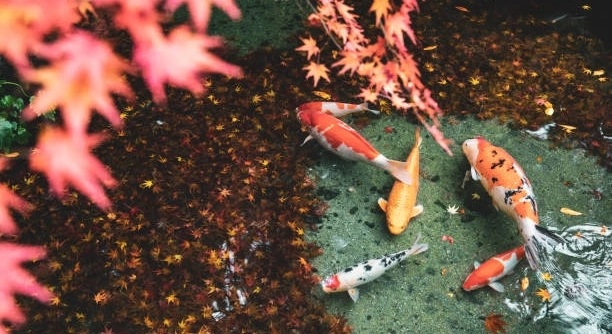
Adding new koi to your pond is an exciting step for any hobbyist. It’s important to know what signs to watch for after introducing them. Proper care in this phase helps keep your fish healthy and thriving.
After adding new koi, monitor water quality, behavior changes, and signs of stress or illness closely. Early detection of problems can prevent disease spread and ensure a smooth adjustment period for the fish.
Understanding these key points will help you provide the best environment for your new koi. Let’s explore what to focus on in the days following their arrival.
Monitoring Water Quality After Adding New Koi
Water quality is the most important factor to watch after introducing new koi. When new fish arrive, they can bring bacteria or parasites that disturb the pond’s balance. Testing for ammonia, nitrites, nitrates, and pH levels daily helps prevent problems. Keep the water clean and well-aerated, as koi need plenty of oxygen to stay healthy. Avoid overfeeding, as leftover food can pollute the water quickly. If you notice cloudy water or a strong odor, act fast to improve conditions. Regular partial water changes support stable water chemistry. Using a good filtration system will reduce stress on the fish. Maintaining consistent temperature and avoiding sudden changes are also essential. Pay attention to any visible signs of illness, such as unusual swimming or spots on the koi. These could be early warnings of water-related health issues. Taking care of water quality keeps your koi safe and comfortable.
Testing your pond’s water frequently is key to avoiding health problems for new koi.
Keeping a close eye on water conditions helps prevent diseases and creates a better environment. It also allows your koi to settle in without added stress. By regularly checking and adjusting the water, you reduce the risk of infections or injuries. New koi are more vulnerable to water changes, so careful monitoring is needed. Simple steps like adding beneficial bacteria and removing debris support a healthy pond. When the water is stable, koi recover faster from transport and adapt to their new home more easily. Clean water supports their immune system and overall well-being. It also encourages good growth and vibrant colors. Ensuring water quality after adding koi saves time, money, and effort in the long run.
Observing Koi Behavior and Health Signs
New koi often act differently at first, which is normal.
Watch closely for any changes in movement, appetite, or appearance. Look for lethargy, rapid gill movement, or clamped fins. These signs can indicate stress or illness. Koi that hide too much or stay near the surface may be uncomfortable. Check for physical symptoms like white spots, redness, or ulcers on the body. Early detection makes treatment easier and more effective. If a fish shows symptoms, isolate it to avoid spreading disease. Make sure your pond conditions are stable, and avoid sudden changes. Gentle handling during this period reduces stress. Consistency in feeding and environment helps koi settle in. Paying attention to behavior helps you act quickly and keeps your pond healthy.
Feeding and Nutrition After Introducing New Koi
New koi may eat less during the first few days as they adjust to their new environment. Offering small, easy-to-digest meals helps avoid overfeeding and water pollution. Monitor their appetite closely to detect any changes that might signal stress or illness.
Start feeding a high-quality koi pellet designed for their size and the current water temperature. Feed small amounts two to three times a day to avoid leftover food, which can harm water quality. If koi don’t eat, try offering treats like peas or earthworms to stimulate appetite. Adjust feeding as the fish settle and water warms, since koi eat less in cooler temperatures. Proper nutrition supports immune health and recovery, so keep feeding consistent without overwhelming the pond ecosystem.
Feeding new koi carefully during this transition helps prevent digestive issues and supports steady growth. Balanced nutrition plays a key role in their ability to adapt quickly. Avoid sudden changes in diet, which can stress the fish. Maintain clean water by removing uneaten food promptly. Healthy feeding habits will encourage your koi to thrive in their new home.
Quarantine and Observation Period
Isolating new koi in a separate tank for at least two weeks before adding them to the main pond reduces disease risks. This quarantine allows careful observation for parasites or infections without exposing existing fish.
During quarantine, keep water parameters stable and watch for any signs of distress. Perform water changes regularly and maintain proper filtration. Observe eating habits and behavior daily, looking for lethargy or skin issues. If any health concerns arise, treat them promptly in quarantine. Only introduce koi to the main pond once they appear healthy and active. This process protects the entire pond population and supports a smooth transition. Taking time with quarantine saves effort and stress later on.
Signs of Stress in New Koi
Stress in new koi can show through unusual behavior like hiding, rapid breathing, or clamped fins. These signs often mean the fish is struggling to adjust to its new environment. Early recognition helps prevent serious health problems.
Environmental changes, poor water quality, or overcrowding are common stress causes. Keeping conditions stable and calm supports the koi’s recovery and comfort.
Importance of Regular Pond Maintenance
Consistent pond cleaning and filter checks prevent harmful buildup and keep water quality high. Removing debris and excess nutrients reduces stress on new koi. Regular maintenance supports a healthy environment for all pond inhabitants.
Avoiding Overcrowding
Too many fish in the pond increase competition for oxygen and space. Overcrowding can cause stress and disease outbreaks. Maintain proper fish density to ensure each koi has enough room to thrive.
Watch for Signs of Disease
Look for changes like white spots, redness, or unusual swimming patterns. Early disease detection improves treatment success and protects the pond’s health.
FAQ
How long should I quarantine new koi before adding them to my pond?
Quarantine for at least two weeks is recommended. This period allows you to monitor the fish for signs of illness or parasites without risking the health of your existing koi. It also gives the new koi time to adjust to a controlled environment, reducing stress before joining the main pond.
What water parameters should I check after adding new koi?
Test ammonia, nitrite, nitrate, pH, and temperature daily for at least the first week. New koi can upset the pond’s balance, so keeping these levels stable is crucial. Ammonia and nitrite should be near zero, nitrate kept low, and pH around 7 to 8.5. Temperature should remain consistent to avoid stress.
Why is my new koi not eating?
It’s common for koi to lose appetite during transport and after introduction to a new pond. Stress and environmental changes cause this. Offer small amounts of food and try tempting treats like peas or earthworms. If the koi doesn’t eat within a few days, check water quality and health for possible problems.
How often should I feed new koi?
Feed small portions two to three times daily to avoid overfeeding and water pollution. Koi metabolism slows in cooler water, so adjust feeding accordingly. Uneaten food should be removed to prevent fouling. Feeding smaller, frequent meals helps koi digest better during acclimation.
What are common signs of stress in new koi?
Look for clamped fins, rapid breathing, hiding, or erratic swimming. These behaviors suggest the fish is struggling with its environment. Stress can lead to weakened immunity and illness, so act quickly by checking water quality, reducing handling, and ensuring proper nutrition.
When should I seek help from a vet or koi specialist?
If you notice persistent signs of illness such as white spots, redness, ulcers, or abnormal swimming for more than a few days, professional advice is necessary. Early diagnosis and treatment improve outcomes and prevent the spread of disease.
Can I add medications during quarantine?
Medications should only be used if signs of illness appear. Routine treatment is not advised because it can stress healthy fish. Use medication targeted to specific issues, following instructions carefully. Always quarantine before adding fish to avoid unnecessary medication in the main pond.
How can I improve water quality after adding new koi?
Perform regular partial water changes, maintain filtration, and avoid overfeeding. Adding beneficial bacteria can help stabilize the pond. Remove debris like leaves and uneaten food to keep water clean. Aerate the pond to maintain oxygen levels.
What temperature is best for new koi acclimation?
Keep water temperature stable, ideally between 65°F and 75°F (18°C to 24°C). Sudden temperature changes cause stress and reduce immunity. Gradual acclimation to your pond’s temperature before full introduction helps koi adjust more easily.
How long does it take for new koi to fully settle in?
Most koi begin adjusting within a week, but full acclimation may take several weeks. Patience is key. During this time, monitor water and behavior closely to catch any early problems. Proper care during this period supports long-term health and happiness.
Adding new koi to your pond is an exciting moment, but it comes with responsibilities. After introducing them, careful attention to their environment and behavior is very important. Watching water quality closely helps prevent many common problems. Keeping ammonia and nitrite levels low, maintaining proper pH, and ensuring good oxygen levels all support your koi’s health. Feeding them the right amount of food without overdoing it also helps keep the pond clean and reduces stress on the fish. Small, regular meals suited to the water temperature can make a big difference during their adjustment period.
Observing your new koi’s behavior and physical condition is just as important as monitoring water quality. New koi may act differently for a few days as they settle in, but signs of stress or illness should not be ignored. Look for unusual swimming patterns, changes in appetite, or any marks on their skin. Early detection of problems gives you the best chance to treat them before they worsen. Quarantining new fish before adding them to your pond is a useful step to protect all your koi from possible diseases or parasites. A quiet, stable environment during quarantine allows new fish to recover from transport stress and adjust to clean water.
Patience and consistency are key when caring for new koi. It can take time for them to feel comfortable and thrive in a new setting. By paying attention to water quality, feeding carefully, and watching their health closely, you create a safe and welcoming home for your koi. Keeping the pond clean and well-maintained also supports their long-term well-being. Remember that small, steady actions will help your koi settle in smoothly and enjoy a healthy life in your pond. Taking these steps makes the experience rewarding for both you and your fish.

Hello,
If you enjoy the content that we create, please consider saying a "Thank You!" by leaving a tip.
Every little bit helps us continue crafting quality advice that supports the health, happiness, and well-being of pets around the world, for pets of all shapes, sizes, and species.
We really appreciate the kindness and support that you show us!