
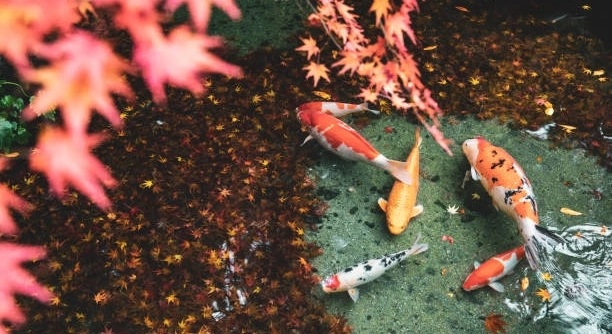
Caring for koi fish involves more than just feeding and cleaning their pond. Sometimes, koi need special attention to keep them healthy and safe. Knowing when to quarantine them is important for every koi keeper.
Quarantining koi fish is essential when introducing new fish, treating illness, preventing disease spread, managing stress, or after injury. It helps protect both new and existing koi by isolating potential risks and allowing focused care.
Learning the key moments to quarantine koi can save you time, effort, and keep your pond thriving. This guide will help you understand when and why to take action.
When Introducing New Koi to Your Pond
Bringing new koi into your pond is always exciting, but it also carries risks. New fish can carry diseases or parasites that aren’t visible right away. Quarantining new koi before adding them to your main pond is a simple way to protect your existing fish. During quarantine, you can observe the newcomers for signs of illness or stress. This isolation period allows any problems to be caught early, preventing them from spreading. Setting up a separate quarantine tank doesn’t need to be complicated; a clean tank with good filtration and stable water conditions works well. The quarantine usually lasts for at least two weeks, giving you enough time to make sure the new koi are healthy. After this period, if the koi show no signs of sickness, they can be safely introduced to your pond. Taking this step helps maintain a healthy, balanced environment for all your koi.
Quarantining new fish protects your pond’s health and avoids unnecessary risks.
A separate quarantine tank gives you control over water quality and treatment if needed. It’s easier to monitor the new koi’s behavior and appetite away from the main pond. You can also give medication or treatments without disturbing your established fish. This practice greatly reduces the chance of outbreaks and keeps your pond thriving in the long run.
Quarantine After Illness or Injury
If a koi fish becomes sick or injured, quarantine is crucial to help it recover. Keeping the affected fish away from others prevents the spread of disease and reduces stress for both the sick fish and the healthy ones. In quarantine, you can give treatments more effectively and closely watch for improvements. It also helps avoid further injury by separating the koi from more active fish. The healing environment can be carefully controlled for water temperature, cleanliness, and medication. Recovery time varies depending on the condition but should not be rushed. Once your koi shows steady improvement and no longer carries contagious signs, it is safe to return it to the pond. This careful approach supports the health of all your koi and helps avoid future problems.
Quarantine is a key step in managing koi illness and injury safely.
By isolating affected koi, you prevent disease from spreading through the pond. You can focus on proper treatment and ensure the fish rests without competition or aggression. Quarantine also allows you to observe the fish’s response to medication without interference. A calm, clean environment speeds healing and gives your koi the best chance at a full recovery. Taking time to quarantine sick or injured koi benefits the whole pond’s health and helps maintain a peaceful, balanced habitat.
Quarantine to Prevent Parasite Spread
Parasites can quickly infect an entire pond if not caught early. Quarantining koi suspected of carrying parasites helps stop this problem before it starts.
During quarantine, you can treat koi with appropriate medications to eliminate parasites without risking the main pond. The isolated environment allows you to carefully monitor the fish and adjust treatments as needed. Parasites often show subtle signs, so close observation is easier when the fish is alone. Keeping the quarantine tank clean and maintaining proper water conditions supports the fish’s recovery. This step protects both new and established koi, reducing the risk of large outbreaks.
Parasite control in quarantine also helps prevent secondary infections. When parasites weaken koi, they become more vulnerable to bacteria and viruses. Treating parasites promptly keeps your koi strong and healthy, and keeps the pond environment safe for everyone.
Quarantine After Exposure to Poor Water Conditions
Koi exposed to poor water conditions often experience stress or illness. Quarantining them allows for focused care away from healthy fish.
Stress weakens koi immune systems, making them prone to infection. When you quarantine koi that have faced poor water quality, you can stabilize their environment with clean, balanced water and gentle care. This isolation helps the fish recover faster and reduces the chance of spreading disease. Quarantine also lets you identify any hidden health problems caused by the stress, so you can treat them promptly. Proper quarantine and water management restore the koi’s strength, improving their chances of full recovery.
By providing a calm, clean space during recovery, quarantine supports koi health and keeps your pond safe. It gives you control over treatment and water conditions, ensuring the fish gets the care it needs without exposing others to potential risks.
Quarantine for Newborn Koi
Newborn koi are very vulnerable to disease and stress. Quarantining them protects their delicate immune systems and helps you monitor their growth closely.
This early isolation prevents young koi from spreading or catching infections. It also makes it easier to provide special care and ensure they develop properly.
Quarantine After Transport
Transporting koi can be very stressful, increasing their risk of illness. Quarantining after transport helps the fish recover in a calm environment.
This step reduces the chance of introducing hidden infections into your main pond. Monitoring during quarantine ensures any problems are caught early and treated effectively.
Quarantine for Behavioral Issues
Sometimes koi show aggressive or unusual behavior that can harm others. Quarantine can help by separating the troublesome fish to prevent injury or stress in the pond.
Isolation also allows you to observe and understand the cause of the behavior and decide on proper action.
How long should I quarantine koi fish?
Quarantine usually lasts between two to four weeks. This period gives you enough time to watch for signs of illness or stress. Two weeks is often the minimum to catch most common diseases or parasites. If any problems appear, extending the quarantine allows for treatment without risking other fish. It’s better to be cautious and keep koi isolated longer than to introduce hidden infections into your pond.
Can I quarantine koi in the main pond?
No, quarantining koi in the main pond defeats the purpose. The main pond houses healthy fish, and isolating new or sick koi is key to preventing disease spread. A separate quarantine tank or pond ensures better control over water quality, treatment, and observation. Keeping quarantine separate protects the entire koi community.
What equipment do I need for a quarantine tank?
A quarantine tank should have a good filtration system to keep water clean and stable. A heater helps maintain proper temperature, especially if your pond is outdoors. Aeration is important to provide oxygen. Simple lighting and hiding spots reduce fish stress. Water test kits allow you to monitor pH, ammonia, nitrite, and nitrate levels. Keep it basic but efficient.
How do I know if a koi is sick during quarantine?
Look for changes in behavior like lethargy, loss of appetite, or erratic swimming. Physical signs include clamped fins, spots, ulcers, or visible parasites. Watch for redness or inflammation on the body or gills. Breathing difficulties or gasping at the surface are also warning signs. Daily observation helps catch problems early.
Can quarantine stress koi?
Quarantine can be stressful, but it’s less harmful than risking illness in the pond. Minimizing stress means keeping water conditions stable, avoiding sudden changes, and providing hiding places. Gentle handling and regular feeding also help koi adjust. The goal is a calm environment where they can recover or be monitored safely.
Should I treat koi preventively during quarantine?
Preventive treatment depends on the situation. Some koi keepers use mild anti-parasitic treatments as a precaution, especially with new fish. However, unnecessary medication can cause more stress or resistance. It’s best to observe the koi first and treat only if signs of illness appear. Consult with a vet or expert if unsure.
Can I keep multiple koi in one quarantine tank?
It’s possible but depends on the tank size and fish condition. Crowding increases stress and disease risk. If multiple koi come from the same source and appear healthy, they might share a quarantine tank. Still, monitoring each fish closely is essential. When in doubt, quarantine separately to avoid cross-infection.
How do I transition koi from quarantine back to the main pond?
Before moving koi back, slowly acclimate them to the pond’s water temperature and quality. Float the quarantine tank bag in the pond to equalize temperature, then gradually mix pond water with quarantine water over an hour. This reduces shock. Check that koi are fully healthy and free from symptoms. Move fish gently to avoid injury.
Is quarantine necessary for pond renovations or emergencies?
Yes, if koi are removed from the pond during repairs or emergencies, quarantining afterwards is wise. Moving fish can stress them and expose them to infections. Quarantine ensures they recover safely before returning to the main environment. It’s a precaution that protects your entire koi population.
What should I do if koi show no improvement during quarantine?
If koi don’t improve or get worse, seek professional advice. A vet or koi specialist can provide diagnosis and treatment plans. Sometimes diseases need stronger medication or longer care. Don’t rush to put the fish back in the pond, as this risks infecting others. Quarantine is about giving koi the best chance to heal.
Quarantining koi fish is an important step for keeping your pond healthy and safe. It might seem like extra work, but this simple practice helps prevent many problems before they start. By isolating new, sick, or stressed koi, you reduce the risk of disease spreading to other fish. Quarantine also gives you a chance to watch your koi closely and provide any treatment needed in a controlled environment. Taking this careful approach can save you time, money, and heartache later on.
Setting up a quarantine tank does not have to be complicated or expensive. A clean tank with good filtration, stable temperature, and proper aeration is enough to get started. The goal is to create a calm space where koi can recover or adjust without pressure from the main pond. During quarantine, observing fish daily helps you catch signs of illness early. Early detection means treatment can begin right away, improving the chances of a full recovery. It’s better to spend a few weeks in quarantine than to risk losing fish or harming your entire pond.
Finally, quarantine is not just for sick fish or new arrivals. It can also help after transport, exposure to poor water, or when dealing with behavioral issues. Each situation benefits from giving koi a safe place to regain strength or calm down. The extra care during quarantine supports your koi’s long-term health and happiness. Making quarantine part of your routine shows responsible koi keeping and helps maintain a balanced, thriving pond environment. This simple practice protects your investment and your enjoyment of beautiful, healthy koi.

Hello,
If you enjoy the content that we create, please consider saying a "Thank You!" by leaving a tip.
Every little bit helps us continue crafting quality advice that supports the health, happiness, and well-being of pets around the world, for pets of all shapes, sizes, and species.
We really appreciate the kindness and support that you show us!