
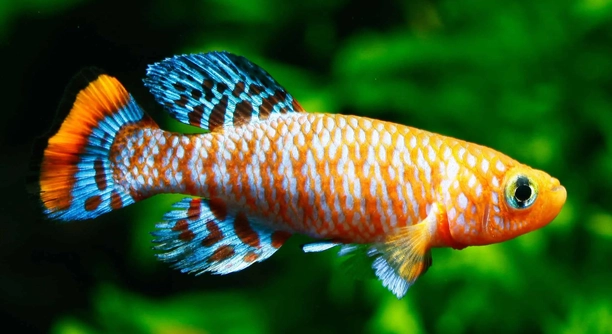
Killi fry are delicate fish that require special care, especially when it comes to feeding. Many fishkeepers rely on baby brine shrimp (BBS) as a primary food source, but there are times when BBS is unavailable or unsuitable. Finding alternative foods is important for their growth and survival.
When baby brine shrimp are not an option, suitable alternatives for killi fry include finely crushed flakes, micro worms, and infusoria. These foods provide essential nutrients in appropriate sizes to support fry development during early stages.
Exploring these alternatives helps ensure your killi fry stay healthy and thrive, even without access to baby brine shrimp.
Alternative Foods for Killi Fry
Killi fry need small, nutritious food to grow well, especially when baby brine shrimp are not available. Finely crushed high-quality flake food is a convenient option that provides balanced nutrients. Micro worms are another excellent choice, as they are small enough for fry to eat and rich in protein. Infusoria, tiny aquatic organisms, can be cultured at home and serve as an ideal first food for very young fry. Some hobbyists also use freshly hatched brine shrimp alternatives like vinegar eels or rotifers, but these require more effort to raise. Using a variety of these foods can help meet the fry’s dietary needs, supporting healthy growth. Feeding small amounts frequently ensures the fry get enough nutrition without polluting the tank. Maintaining water quality alongside proper feeding is key to the fry’s survival and development.
Feeding small, appropriate-sized food regularly supports fry growth and prevents water contamination, promoting a healthy tank environment.
Proper feeding with alternatives will keep your killi fry strong until they can eat larger foods.
How to Prepare and Feed Alternative Foods
Preparation is important when feeding alternative foods to killi fry. Flake foods should be crushed into a fine powder so the fry can easily consume them. Micro worms can be cultured at home or bought from specialized suppliers, and feeding live micro worms encourages natural hunting behavior. Infusoria can be grown by soaking vegetable scraps or hay in water until the tiny organisms multiply. It’s best to feed very small amounts several times a day, as overfeeding can quickly foul the water. Make sure to remove any uneaten food after feeding to maintain tank cleanliness. Introducing a variety of foods gradually will help the fry adapt and receive a balanced diet. Observing the fry while feeding helps to adjust portion sizes and frequency to match their growth stages. Keeping the feeding routine consistent aids in steady development and overall health.
Feeding Frequency and Monitoring
Feeding killi fry multiple small meals daily helps meet their nutritional needs without overwhelming the tank. Frequent feeding supports steady growth and reduces waste buildup.
Feeding small amounts three to five times a day is ideal for killi fry. Their tiny stomachs cannot handle large meals, so frequent feeding prevents hunger and promotes consistent development. Overfeeding leads to leftover food, which can pollute the water and harm the fry. It is important to observe their behavior during feeding to adjust portion sizes. Healthy fry will eagerly swim to food and show good activity between meals. Maintaining this balance keeps the tank environment stable and supports fry health.
Regularly monitoring water quality is crucial during frequent feeding. Test ammonia, nitrite, and nitrate levels to catch any spikes early. Clean the tank as needed to maintain optimal conditions.
Signs of Proper Nutrition in Killi Fry
Properly fed killi fry will display active swimming and regular growth. They should respond quickly during feeding times and appear vibrant.
Healthy fry gain weight steadily without bloating or thinning. Their coloration becomes more defined as they mature. Poor nutrition results in lethargy, slow growth, and faded colors. Watch for consistent feeding response and normal behavior patterns. If fry avoid food or become weak, reassess the feeding plan. Adjusting food type, amount, or frequency may be necessary. Keeping a close eye on these signs ensures you can provide the best care for your killi fry’s development.
Storing Alternative Foods
Proper storage of alternative foods keeps them fresh and safe for killi fry. Store dry foods like crushed flakes in airtight containers away from heat and moisture.
Live foods such as micro worms and infusoria should be kept in suitable cultures or refrigerated briefly. Avoid prolonged storage to maintain nutritional value and prevent contamination.
Avoiding Overfeeding
Overfeeding can quickly degrade water quality and harm fry. Feed only what the fry can consume within a few minutes to minimize leftover food buildup.
Monitoring feeding sessions and adjusting portions helps maintain a clean tank environment and supports healthy fry growth.
Transitioning to Adult Foods
As killi fry grow, gradually introduce larger foods like finely chopped bloodworms or daphnia. This supports their increasing nutritional needs and encourages natural feeding behaviors.
Cleaning Up Uneaten Food
Removing uneaten food after feeding prevents decay and water pollution. Use a siphon or small net to clean the tank surface regularly.
What can I feed killi fry if I don’t have baby brine shrimp?
You can feed killi fry finely crushed flake foods, micro worms, and infusoria as alternatives to baby brine shrimp. These foods are small enough for fry to eat and provide necessary nutrients. Micro worms are especially protein-rich and can be cultured at home or bought from suppliers. Infusoria are tiny aquatic organisms ideal for very young fry and can be grown easily with simple materials like vegetable scraps. Offering a variety of these foods supports healthy growth and helps meet the fry’s dietary needs.
How often should I feed killi fry without baby brine shrimp?
Feed small amounts multiple times a day, ideally three to five feedings. Frequent feeding suits their small stomachs and prevents hunger. Overfeeding can pollute the tank and harm the fry, so watch carefully how much they consume each time. Remove uneaten food promptly to maintain water quality. Observing the fry during feeding helps adjust portion sizes and frequency to support their steady development.
Can I use frozen or dried foods instead of live alternatives?
Frozen or dried foods are not ideal for very young killi fry because they may be too large or lack necessary live enzymes and nutrients. However, finely crushed flakes can be used as a supplement. Once fry grow larger, frozen bloodworms or daphnia can be introduced gradually. Live foods encourage natural feeding behavior and provide better nutrition, which is important during early growth stages.
How do I culture micro worms or infusoria at home?
To culture micro worms, use a small container with oatmeal or bran mixed with water. Keep it moist but not wet and add a starter culture from a supplier. Micro worms multiply quickly and can be harvested by shaking the culture container. For infusoria, soak vegetable scraps or hay in water and leave it in a warm, shaded spot. After a few days, microscopic organisms will multiply. You can feed this water directly to your fry. Both cultures require basic hygiene to avoid contamination.
What signs show that my killi fry are getting proper nutrition?
Healthy killi fry are active, swim energetically, and respond eagerly during feeding times. They grow steadily without bloating or appearing thin. Their colors become more vibrant as they mature. If fry are lethargic, slow-growing, or show faded colors, it may indicate poor nutrition. Adjusting food type, frequency, or quantity is necessary to improve their condition.
How important is water quality when feeding killi fry?
Water quality is critical. Uneaten food can decay and cause ammonia or nitrite spikes, which are toxic to fry. Frequent feeding increases the risk of water pollution, so regular water testing and maintenance are essential. Partial water changes and tank cleaning help maintain a stable environment. Healthy water conditions support fry growth and reduce stress.
When can I switch killi fry to adult fish food?
You can start introducing finely chopped adult foods like bloodworms, daphnia, or larger flakes once the fry are about two to three weeks old or clearly able to eat bigger particles. Transition gradually by mixing new foods with the current diet. This helps the fry adjust and meet their growing nutritional needs. Monitor their acceptance to avoid waste and ensure continued growth.
What if my fry refuse alternative foods?
If fry ignore new foods, try smaller portions or different food types. Live foods usually attract fry better because of movement and scent. Adjust feeding times to when fry are most active, such as early morning or late afternoon. Patience is key; sometimes it takes a few days for fry to accept new diets. Avoid sudden diet changes and keep observing their behavior closely.
Can I feed killi fry homemade food?
Homemade foods can work if prepared correctly and finely ground to appropriate sizes. Pureed vegetables or boiled egg yolk diluted in water are sometimes used, but they lack the balanced nutrition found in commercial or live foods. Homemade diets should be supplemented with live or powdered foods to meet protein and vitamin needs. Consistency and hygiene are important to avoid contamination and ensure fry health.
How do I prevent overfeeding and maintain a clean tank?
Feed only what the fry consume within a few minutes. Observe carefully and stop feeding when fry lose interest. Remove leftover food with a siphon or net immediately after feeding. Regular water changes and substrate cleaning help control waste buildup. This reduces harmful bacteria and keeps water parameters safe for the fry. Clean tanks support healthy fry development and reduce disease risks.
Providing proper nutrition to killi fry without relying on baby brine shrimp requires careful planning and attention. Alternative foods like finely crushed flakes, micro worms, and infusoria can supply the essential nutrients that fry need during their early stages. Feeding these alternatives in small amounts multiple times a day helps promote healthy growth while minimizing waste buildup in the tank. It is important to observe the fry’s behavior to adjust feeding amounts and ensure they are eating properly. Maintaining clean water through regular tank care also plays a vital role in their survival and development.
Feeding frequency and portion control are key to preventing overfeeding and keeping the tank environment stable. Overfeeding can quickly degrade water quality, which is harmful to fragile fry. Removing any uneaten food after feeding sessions helps maintain a healthy aquatic habitat. As the fry grow, gradually introducing larger food items like bloodworms or daphnia supports their changing nutritional requirements. Transitioning foods slowly allows the fry to adapt comfortably, reducing stress and improving overall health. Regularly monitoring water parameters alongside feeding routines ensures the fry have the best conditions for steady growth.
Ultimately, success in raising killi fry without baby brine shrimp depends on consistency and attention to detail. Providing a balanced diet through various alternative foods supports their development and reduces risks associated with poor nutrition. Keeping the tank clean and feeding in controlled amounts helps prevent water quality issues. With patience and proper care, killi fry can thrive on these alternatives until they are ready to accept adult foods. Following these guidelines will help maintain healthy, active fry and set the foundation for strong adult fish.

Hello,
If you enjoy the content that we create, please consider saying a "Thank You!" by leaving a tip.
Every little bit helps us continue crafting quality advice that supports the health, happiness, and well-being of pets around the world, for pets of all shapes, sizes, and species.
We really appreciate the kindness and support that you show us!