
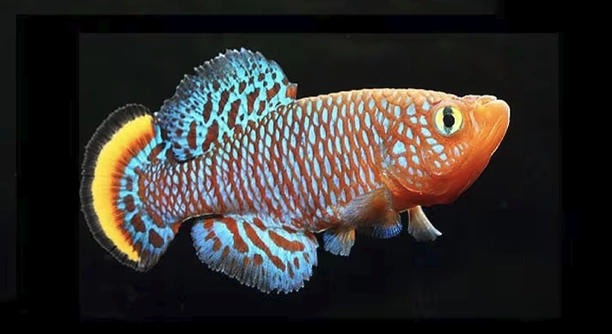
Killi fish are popular for their small size and vibrant colors. Many owners want to keep their tanks clean and healthy. Proper water care plays an important role in maintaining a thriving environment for these fish.
Killi fish do not require extremely frequent water changes if their tank is well-maintained. Regular partial water changes, usually every one to two weeks, help maintain water quality and prevent harmful buildup of toxins.
Maintaining a balanced cleaning routine ensures your killi fish remain healthy and active in their habitat. The following details explain how water changes affect their wellbeing.
How Often Should You Change Killi Fish Tank Water?
Water changes for killi fish depend largely on tank size, filtration, and stocking levels. In smaller tanks, waste and toxins build up faster, so more frequent water changes are necessary. A 5-gallon tank may require partial water changes every week, while larger tanks can stretch to biweekly. Proper filtration helps keep the water cleaner for longer, reducing the need for frequent changes. Monitoring water parameters like ammonia, nitrite, and nitrate will guide when to change water. Overfeeding can also increase waste, so feeding the right amount is key. Fresh water additions should always be treated to remove chlorine and other chemicals. Consistency in maintenance keeps the environment stable, which is vital for the sensitive killi fish.
Changing about 20-30% of the water during each cleaning is ideal. Full water changes can stress the fish and disrupt the tank’s balance.
A steady routine with moderate water changes ensures killi fish remain healthy, reducing risks of diseases and improving their lifespan. It also helps maintain clarity and quality, making the tank a pleasant space to watch and care for these vibrant fish. Keeping track of water conditions and adjusting the frequency of changes will help maintain a balanced aquarium environment over time.
Signs You Need to Change the Water More Frequently
Cloudy water, foul smells, and visible waste indicate the need for more frequent water changes.
If you notice these signs, it means the tank’s natural filtration isn’t keeping up. Excess waste increases toxins like ammonia, which harm killi fish. Fish may become lethargic or lose appetite when water quality declines. Frequent water changes help remove these toxins and replenish oxygen levels. Testing water regularly can catch problems early, preventing serious harm. Adjust your cleaning schedule based on the tank’s condition rather than a fixed calendar. Sometimes, adding live plants or improving filtration can reduce how often water changes are needed, but this does not eliminate them completely. Taking action at the first signs of poor water quality is key to maintaining a healthy environment for your fish.
Impact of Water Quality on Killi Fish Health
Poor water quality can quickly lead to stress and illness in killi fish. These fish are sensitive to toxins like ammonia and nitrite, which build up in dirty water. Keeping water clean is essential to their wellbeing.
Maintaining stable water conditions helps prevent diseases such as fin rot and fungal infections. Stress from poor water quality can weaken their immune system, making them more vulnerable. Regular water changes reduce harmful substances and support good oxygen levels. Testing water parameters allows early detection of problems before fish show symptoms. Using a quality filter also aids in keeping the tank clean between water changes.
Water quality affects killi fish behavior as well. They may become less active or hide more if the water is poor. Proper maintenance ensures they remain lively and display their natural colors. Clean water creates a healthier and more enjoyable environment for both the fish and the caretaker.
Best Practices for Water Changes in Killi Fish Tanks
Changing water gradually prevents sudden shifts in water chemistry that stress fish. Partial water changes of 20-30% are recommended rather than complete replacements. Use dechlorinated water matched to tank temperature.
Avoid disturbing the substrate too much during changes to prevent releasing trapped waste. Using a gravel vacuum helps remove debris without stressing the fish. It’s helpful to keep a regular schedule but adjust frequency if water tests show spikes in harmful chemicals. Always add water slowly to prevent shock. Cleaning filter media with tank water maintains beneficial bacteria needed for biological filtration. Following these steps helps maintain a stable, healthy environment, supporting the killi fish’s overall health and longevity.
Effects of Overfeeding on Water Quality
Overfeeding leads to leftover food that decomposes and pollutes the tank water. This raises toxin levels quickly.
Excess waste from overfeeding can cause ammonia spikes, stressing killi fish and making water changes more frequent to keep the environment safe.
How Filtration Supports Water Maintenance
A good filter removes debris, waste, and harmful chemicals, easing the burden on water changes. Filters also support beneficial bacteria that break down toxins, keeping water conditions stable. Without proper filtration, water quality can decline rapidly, requiring more frequent cleaning and risking fish health.
Choosing the Right Water Conditioner
Using a water conditioner removes chlorine, chloramine, and heavy metals from tap water. This treatment protects killi fish from harmful chemicals when adding fresh water. Always treat new water before adding it to the tank.
FAQ
How often should I change the water in a killi fish tank?
Water changes for killi fish usually need to happen every one to two weeks. This depends on tank size, filtration, and how many fish are kept. Smaller tanks require more frequent changes, while larger, well-filtered tanks can go longer. Partial water changes of 20-30% are best to keep the environment stable without stressing the fish.
Can I do a full water change instead of partial ones?
Full water changes are not recommended. They cause sudden shifts in water parameters, which can stress or even harm killi fish. Partial changes help maintain a stable environment by gradually removing waste and toxins while preserving beneficial bacteria in the tank.
What size water change is best for killi fish tanks?
About 20-30% of the tank water should be changed during each cleaning. This is enough to reduce harmful chemicals and refresh the environment while keeping water conditions steady. Changing more than 30% at once can disrupt the tank’s balance and stress the fish.
Do killi fish tolerate tap water without treatment?
No, tap water often contains chlorine, chloramine, and metals harmful to fish. Always use a water conditioner to remove these chemicals before adding water to the tank. This ensures the water is safe and protects the fish’s health.
How can I tell if water quality is poor?
Signs include cloudy or foul-smelling water, visible debris, and algae buildup. Fish may also show stress by hiding, losing appetite, or acting lethargic. Testing water for ammonia, nitrite, and nitrate helps identify problems before fish get sick.
Does overfeeding affect water changes?
Yes. Overfeeding leaves uneaten food that decomposes, raising toxin levels and requiring more frequent water changes. Feeding only what fish can eat in a few minutes helps keep water cleaner longer.
Will adding plants reduce the need for water changes?
Live plants absorb some waste and toxins, helping maintain water quality. However, they don’t replace water changes completely. Regular cleaning is still needed to remove waste that plants can’t absorb and to keep the tank healthy.
What kind of filter is best for a killi fish tank?
A gentle filter with both mechanical and biological filtration is ideal. Killi fish prefer calm water, so strong currents should be avoided. Biological filtration supports beneficial bacteria that break down harmful substances, improving water quality between changes.
Can I change water less often if I have a larger tank?
Yes, larger tanks with good filtration tend to have more stable water conditions. This means water changes can be less frequent, sometimes every two weeks or more. Still, testing water regularly ensures it stays safe for the fish.
Is it safe to add water directly from the tap?
No, tap water must be treated first. Adding untreated tap water can introduce chlorine and other chemicals harmful to fish. Use a water conditioner and match the new water’s temperature to the tank before adding it slowly.
What tools help with water changes?
A gravel vacuum is useful for removing debris from the substrate without disturbing the fish too much. Using a bucket dedicated to aquarium maintenance helps avoid contamination. Testing kits are important for monitoring water parameters regularly.
How do water changes affect fish behavior?
Stable water conditions from regular changes keep fish active and healthy. Sudden or large water changes can cause stress, leading to hiding or sluggish behavior. Gentle, consistent maintenance supports natural fish activity and color.
Can I clean the filter media during water changes?
Yes, but only rinse filter media in tank water, never tap water. This preserves beneficial bacteria essential for breaking down waste. Cleaning the media too thoroughly or with chlorinated water can kill these bacteria and disrupt filtration.
What temperature should the replacement water be?
Replacement water should match the tank temperature closely to avoid shocking the fish. Sudden temperature changes can stress killi fish, affecting their health and behavior. Using a thermometer helps keep conditions consistent.
Are there any signs that water changes are not frequent enough?
Frequent algae growth, fish gasping at the surface, or increased illness indicate water changes may be too infrequent. Regular testing and observing fish behavior help decide if cleaning needs to be done more often.
How important is consistency in water changes?
Consistency is very important. Killi fish thrive in stable environments. Keeping a regular water change schedule helps maintain water quality and reduces stress. Irregular changes can cause sudden spikes in toxins, which harm the fish.
Can adding too much water conditioner be harmful?
Yes, overdosing water conditioner can harm fish and beneficial bacteria. Always follow the instructions on the product label for correct dosage. Using only what is needed keeps the water safe and healthy.
What if I can’t change water on schedule?
If water changes are missed, test water parameters and perform a partial change as soon as possible. Delaying changes allows toxins to build up, which can quickly harm fish. Keeping a flexible routine helps manage unexpected delays.
Is distilled or purified water better than tap water?
Distilled or purified water lacks essential minerals fish need and can upset tank balance if used alone. Tap water treated with conditioner is preferred because it retains beneficial minerals important for fish health.
How long can killi fish survive without a water change?
This varies by tank conditions. In small, poorly filtered tanks, fish can suffer within days from toxin buildup. Larger, well-maintained tanks may last longer. However, regular water changes are critical for their long-term health and wellbeing.
Final thoughts on caring for killi fish emphasize the importance of maintaining stable and clean water conditions. These fish are sensitive to changes in their environment, and proper water care plays a significant role in their overall health. Frequent water changes are not always necessary, but regular partial changes help keep toxin levels low and support a balanced ecosystem inside the tank. By following a routine that fits the size of the tank and the number of fish, owners can provide a comfortable habitat that encourages killi fish to thrive.
It is also important to avoid sudden, large water changes that can shock the fish. Gradual partial water changes of about 20-30 percent are ideal because they refresh the water without disrupting the tank’s natural balance. Water conditioners must be used when adding tap water to remove harmful chemicals, and replacement water should match the tank’s temperature to prevent stress. Attention to feeding habits is crucial as well since overfeeding increases waste and pollutes the water faster. Using a proper filter that provides gentle water flow and supports beneficial bacteria helps maintain water quality between changes.
Overall, keeping killi fish healthy requires a balance of regular water maintenance, careful monitoring, and proper tank setup. While these fish don’t need water changes every day, ignoring water quality will quickly lead to health issues. Testing water regularly and observing fish behavior are important tools for making adjustments. Consistent care creates a safe, stable environment where killi fish can live active and vibrant lives. Taking these steps will make the task of maintaining a killi fish tank more manageable and rewarding.

Hello,
If you enjoy the content that we create, please consider saying a "Thank You!" by leaving a tip.
Every little bit helps us continue crafting quality advice that supports the health, happiness, and well-being of pets around the world, for pets of all shapes, sizes, and species.
We really appreciate the kindness and support that you show us!