
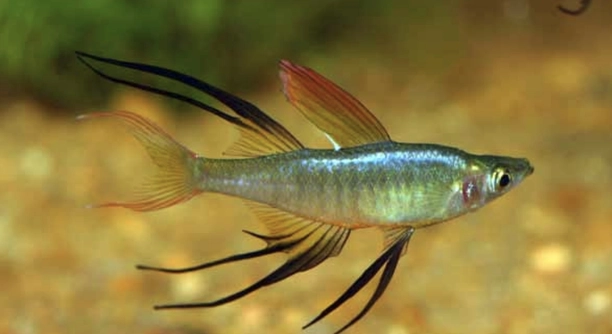
Keeping threadfin rainbowfish in a home aquarium can be enjoyable, but these lively fish need more than just clean water and food. Without mental stimulation, they can become listless or stressed, which affects their overall health.
Providing environmental enrichment is essential to prevent boredom in threadfin rainbowfish. This can be achieved through varied decorations, live plants, interactive feeding techniques, and social groupings. Ensuring these fish have opportunities to explore and engage with their surroundings promotes well-being and natural behaviors.
Proper care goes beyond daily feeding routines, offering small changes that can improve their quality of life. The right adjustments can make a noticeable difference in their activity and happiness.
Add Varied Decorations
Threadfin rainbowfish benefit greatly from having a visually stimulating environment. Adding rocks, driftwood, and artificial caves gives them places to explore and hide. Plants, both live and artificial, create natural barriers that help fish feel safe while providing visual interest. Changing the arrangement occasionally can encourage activity, preventing them from becoming bored. Observing them swim around and investigate new features can be very satisfying. Simple changes, like moving a rock or adding a new plant, make a big difference. These fish enjoy small hiding spots where they can retreat for rest. Open swimming areas alongside these hiding spaces allow them to exercise freely. Using decorations that contrast with the tank’s background also makes their colors pop, which can encourage more interaction with the environment. For aquariums with multiple fish, creating multiple zones ensures all fish have access to space and shelter, reducing competition. Over time, they learn their surroundings and engage more naturally.
Introducing new decorations occasionally keeps the tank engaging. Fish explore, interact, and display natural behaviors when their environment changes thoughtfully and safely.
Even small changes, like adding a plant or moving a rock, can spark curiosity. Fish will often explore areas they ignored before. Rotating features gradually ensures they adapt without stress, and the tank stays lively. Observing their reactions provides insight into which setups they prefer.
Interactive Feeding Techniques
Offering different feeding methods stimulates threadfin rainbowfish mentally and physically. Instead of dropping flakes in one spot, try spreading food across the tank or using feeding rings. Live or frozen foods, like daphnia or brine shrimp, can be introduced occasionally to encourage hunting behaviors. Hand-feeding some fish may also build recognition and interaction without stress. Providing food in different forms and locations prevents routine boredom and encourages them to exercise naturally. Avoid overfeeding, as it can affect water quality, but small, varied portions maintain engagement. Incorporating floating, sinking, and mid-water foods ensures they actively chase, hover, or explore to consume their meals.
Varying feeding encourages natural instincts. Fish hunt, explore, and interact with their surroundings.
For example, scattering frozen bloodworms or using small feeding rings keeps the fish moving and alert. It also mimics natural foraging, which improves their health and keeps them mentally active. Rotating foods and delivery methods prevents monotony and promotes better growth. Over time, fish may begin anticipating where food might appear next, increasing activity levels and providing a more dynamic tank environment. Combining this with decorative changes ensures they remain engaged and stimulated daily, reducing stress and supporting overall well-being.
Social Grouping
Threadfin rainbowfish thrive in groups. Keeping at least six together encourages natural schooling behavior, reducing stress and boredom. Isolation can lead to lethargy and decreased activity, so proper social interaction is essential for their well-being.
A school of rainbowfish moves in unison, which is a sign of comfort and engagement. Being with others stimulates them to swim actively and explore the tank. Social interaction also helps establish a hierarchy without aggressive behavior when the group is properly sized. Fish that are alone may hide more and show less curiosity. Observing a coordinated school adds a dynamic element to the aquarium, making it lively and visually interesting. Choosing compatible tank mates further enhances interaction. Fish with similar sizes and temperaments reduce the chance of bullying, allowing each fish to participate fully in group activities. Maintaining a stable group over time encourages confidence and consistent engagement with the environment, ensuring they remain active and healthy.
Even subtle social cues between rainbowfish can indicate comfort. When they follow each other or mirror movements, it demonstrates positive social interaction. Consistent observation helps you understand their behaviors and ensures the group remains balanced.
Live Plants
Live plants offer both shelter and stimulation. They provide hiding spots, encourage exploration, and improve water quality by absorbing nitrates. A variety of tall and short plants creates depth and visual interest, keeping fish curious and active.
Plants can transform the tank into a dynamic environment. Threadfin rainbowfish enjoy weaving through stems, resting near broad leaves, and darting around plant clusters. The presence of plants mimics their natural habitat, encouraging natural behaviors like foraging and swimming through tight spaces. Floating plants add shade and areas to explore, while rooted species give them vertical movement options. Healthy plants also support beneficial microorganisms, which can serve as a minor supplemental food source. Over time, the combination of movement, shelter, and natural interactions keeps rainbowfish mentally stimulated. Rotating plant types or repositioning them periodically maintains novelty, preventing the tank from becoming monotonous. Watching them navigate these areas provides insight into their preferences and activity levels.
Providing plants that vary in size and texture encourages continuous exploration. Some species prefer tall, leafy stems, while others enjoy dense, low clusters. Regular care ensures the plants remain healthy, and the rainbowfish continue interacting with them. This interaction reduces stress and maintains their natural swimming habits.
Varied Swimming Space
Providing open areas alongside hiding spots allows threadfin rainbowfish to swim freely. Open swimming space encourages exercise, reduces stress, and keeps their movements natural and active. Proper tank layout balances exploration and security.
Rotating decorations or slightly adjusting obstacles occasionally creates novelty. Fish notice changes and investigate, which keeps them engaged and curious without causing stress.
Mirror Play
Using a mirror briefly can stimulate activity. Fish often react to their reflection as if seeing another fish, prompting movement and interaction. This method should be used sparingly to prevent stress or aggression.
Floating Objects
Introducing floating objects, like small balls or leaf-like decorations, encourages chasing and exploration. Fish naturally interact with floating items, which promotes mental stimulation. Consistently rotating these items ensures their curiosity remains active.
FAQ
How many threadfin rainbowfish should I keep together?
Threadfin rainbowfish are social and thrive in groups. Keeping at least six together encourages natural schooling behavior, reduces stress, and prevents boredom. Smaller numbers can lead to isolation, which may result in lethargy, decreased appetite, and less engagement with the tank environment.
Can I use artificial plants instead of live plants?
Yes, artificial plants can provide hiding spots and visual stimulation, but they do not contribute to water quality or natural microorganisms. Live plants have added benefits such as oxygenation and providing minor food sources for small microorganisms that fish may nibble on. Using a mix can balance convenience and stimulation.
How often should I rearrange decorations?
Rearranging decorations every few weeks can keep fish engaged. Small changes, like moving a rock or adding a new cave, encourage exploration and curiosity without causing stress. Avoid drastic changes, as sudden disruptions can make fish feel unsafe. Gradual adjustments maintain a dynamic but stable environment.
Is it safe to use a mirror for stimulation?
Short, occasional use of a mirror can encourage activity, as fish often respond to their reflection. Limit mirror sessions to a few minutes to prevent stress or aggressive behavior. Continuous exposure can lead to frustration, so it should be monitored carefully.
What types of food keep them engaged?
Variety is key. Use a mix of flakes, pellets, frozen, and live foods. Offering live or frozen foods like daphnia or brine shrimp encourages hunting and natural foraging behavior. Feeding at different levels—floating, mid-water, or sinking—keeps them active and mentally stimulated.
Do they need other fish as tank mates?
Yes, compatible tank mates can enhance social interaction. Choose peaceful species with similar size and temperament to avoid bullying. Proper socialization helps maintain schooling behavior and prevents stress from isolation, keeping threadfin rainbowfish active and healthy.
How much swimming space is necessary?
Open areas are essential. Threadfin rainbowfish need room to swim freely alongside hiding spots. Balancing open space with obstacles ensures they can exercise naturally while feeling secure. Adjusting the layout slightly over time encourages exploration without overwhelming the fish.
Can floating objects really help with boredom?
Yes, lightweight floating items like small balls or leaf-like decorations stimulate chasing and interactive behavior. Rotating or changing these items regularly maintains curiosity. Observing how fish interact with these objects helps gauge their preferences and ensures consistent engagement in the tank environment.
How do I know if my fish are bored?
Signs include hiding frequently, reduced activity, lack of interest in food, and erratic swimming patterns. Engaged fish will explore the tank, interact with others, and respond to environmental changes. Monitoring their behavior daily helps you adjust tank features or activities to keep them stimulated.
Are there risks to overstimulation?
Yes, overstimulation can cause stress, aggression, or erratic swimming. Gradual changes and moderation in new decorations, mirrors, or feeding methods help maintain mental stimulation without overwhelming the fish. Observing their reactions ensures a healthy balance between activity and comfort.
How often should I rotate decorations or enrichment items?
A moderate rotation every few weeks works well. Changing one or two items at a time keeps the tank interesting without causing stress. Frequent small adjustments maintain curiosity, encourage exploration, and prevent the environment from becoming predictable or boring.
Is temperature or water quality related to boredom?
Indirectly, yes. Stress from poor water quality or improper temperature can reduce activity and interest in the environment. Maintaining stable water parameters, proper filtration, and regular maintenance supports both physical health and engagement with enrichment items.
Can I encourage natural behaviors without spending much money?
Yes, simple changes like rearranging rocks, adding floating objects, or providing different food types encourage exploration and interaction. Creativity in using inexpensive materials can keep threadfin rainbowfish active and mentally stimulated without costly equipment.
Do they prefer plants or open space more?
Both are important. Plants offer hiding and exploration opportunities, while open spaces allow free swimming and exercise. A balanced environment with varied zones satisfies their need for security and movement, keeping them active and reducing stress consistently.
How can I monitor their engagement effectively?
Regular observation is key. Watch how they swim, interact with other fish, explore decorations, and respond to feeding routines. Noting changes in activity levels or hiding behavior helps identify boredom or stress, allowing adjustments to the tank setup for better stimulation.
Final Thoughts
Threadfin rainbowfish are lively and social creatures that need more than clean water and regular feeding to stay happy. Keeping them active requires attention to their environment, social interactions, and daily routines. By providing varied decorations, open swimming space, and live or artificial plants, you create a dynamic tank that encourages natural behaviors. These changes may seem small, but they significantly impact the fish’s well-being. Watching a school of rainbowfish navigate around hiding spots, weave through plants, or investigate new objects can be rewarding and calming. Attention to their surroundings is not just about aesthetics; it directly affects their activity levels, mental health, and overall health. A well-thought-out tank layout encourages curiosity and movement, which prevents boredom and promotes a longer, healthier life.
Feeding practices also play a key role in preventing boredom. Offering a mix of flakes, pellets, frozen, and live foods stimulates their natural hunting and foraging instincts. Introducing food at different levels of the tank, or using feeding rings, encourages exploration and exercise. Occasional use of mirrors or floating objects can further engage their minds, but these tools should be used carefully and in moderation. Observing how fish react to these changes helps you understand their preferences and ensures they are responding positively to the environment. A combination of varied foods, enrichment activities, and social interaction keeps them mentally stimulated and physically active. This approach reduces stress and encourages natural behaviors, which benefits both the fish and the overall tank ecosystem.
Maintaining a balanced environment also requires consistent care and attention. Monitoring water quality, temperature, and social dynamics ensures that threadfin rainbowfish can interact safely with their surroundings and other fish. Gradual changes in tank layout, decorations, and enrichment items keep their environment interesting without overwhelming them. Social grouping is important, as these fish thrive in small schools, which encourages schooling behavior and reduces stress from isolation. Paying attention to subtle behaviors, like changes in activity, hiding, or feeding response, provides insight into their comfort and engagement levels. Thoughtful adjustments in habitat, feeding, and social structure ensure that threadfin rainbowfish remain active, curious, and healthy. Overall, keeping these fish entertained is a combination of observation, careful planning, and ongoing care, which results in a lively and balanced aquarium that supports their well-being.

Hello,
If you enjoy the content that we create, please consider saying a "Thank You!" by leaving a tip.
Every little bit helps us continue crafting quality advice that supports the health, happiness, and well-being of pets around the world, for pets of all shapes, sizes, and species.
We really appreciate the kindness and support that you show us!