
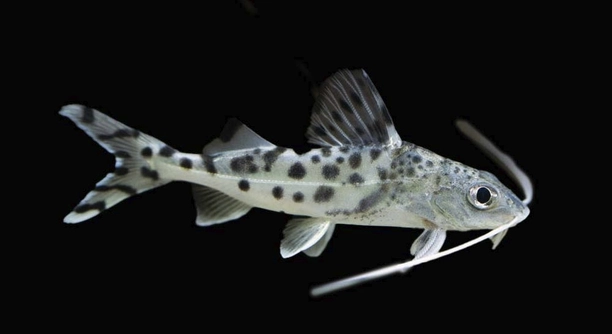
Moving a pictus catfish to a new tank can bring many changes to its behavior and environment. Adjusting to the new surroundings may take some time as the fish settles in. It’s important to know what to expect during this transition period.
After moving a pictus catfish, it may show signs of stress such as hiding or reduced activity. The fish will gradually adapt to water conditions and tank setup, usually stabilizing within a few days to weeks with proper care.
Knowing what happens after the move helps you support your fish’s health and comfort as it adjusts to its new home.
Stress Signs After Moving Your Pictus Catfish
When a pictus catfish is moved to a new tank, it often shows clear signs of stress. You might notice the fish hiding more than usual or swimming erratically. It may also eat less or stop eating altogether for a short time. These behaviors are normal responses to changes in the environment. Water temperature, pH, and lighting may differ from the previous tank, which can affect the fish’s comfort level. It is important to give the fish time to adjust while keeping the tank conditions stable. Avoid sudden changes like overfeeding or rearranging decorations. Watching your catfish carefully during this period will help you recognize when it begins to settle and return to its normal behavior.
Giving your pictus catfish space and calm surroundings will encourage it to relax faster. Patience is key in helping the fish recover from the stress of moving.
Providing a quiet environment minimizes disturbances. Keeping tank conditions consistent supports the fish’s health and adaptation.
Tank Setup and Water Quality
Proper tank setup and maintaining water quality are essential after moving a pictus catfish. The tank should have plenty of hiding places, such as caves or plants, to help the fish feel safe. Clean, well-filtered water with stable temperature and pH reduces stress. Regular water tests are important to catch any problems early. You should keep the water temperature around 75-80°F and the pH between 6.5 and 7.5. Avoid overcrowding the tank since pictus catfish prefer moderate group sizes and need enough space to swim freely.
After moving, perform partial water changes regularly to keep ammonia and nitrate levels low. This helps maintain a healthy environment. Introduce new decorations or plants slowly to prevent further stress. Monitoring water quality and making adjustments when needed will ensure your pictus catfish thrives in its new home. A well-maintained tank reduces illness risks and promotes natural behavior. Taking these steps supports your fish’s recovery and long-term well-being.
Feeding and Appetite Changes
Pictus catfish often eat less after moving to a new tank. This is common as they adjust to the new surroundings.
It’s important to offer food at regular times but avoid overfeeding. Start with small amounts of their usual diet and watch for any interest. Some fish may refuse food for a day or two, but appetite should return soon. Offering live or frozen foods like bloodworms can help stimulate eating if they seem hesitant.
If the fish continues to refuse food beyond a few days, check water quality and tank conditions. Sometimes stress or illness can cause longer appetite loss. Keeping the tank clean and stable helps your pictus catfish regain its normal feeding habits quickly.
Behavior and Social Interaction
Pictus catfish may become shy or hide more after the move. They often prefer to stay close to the bottom or under decorations.
It’s common for their activity levels to drop as they get used to the new tank. Once comfortable, they usually become more active and curious again. These catfish enjoy being in groups, so if you have more than one, they will gradually start interacting again. Avoid sudden changes during this period to reduce stress. Watching their behavior closely lets you know when they feel safe and secure in their new home.
Water Parameter Adjustment
Pictus catfish are sensitive to sudden changes in water parameters. Gradual adjustment helps reduce stress and promotes better health.
Keeping temperature, pH, and hardness stable is essential. Avoid large swings by making slow changes over several days when needed.
Signs of Illness to Watch For
Watch for unusual signs like lethargy, torn fins, or white spots after moving your pictus. These may indicate illness or stress-related issues. Early detection allows for quicker treatment and better chances of recovery.
Tank Cleaning Routine
Maintain a regular tank cleaning schedule. Partial water changes and substrate vacuuming help keep the environment safe and healthy for your pictus catfish. This routine supports their adaptation and overall well-being.
How long does it take for a pictus catfish to adjust to a new tank?
Pictus catfish usually take about one to two weeks to fully adjust to a new tank. During this time, they may hide more and eat less. Gradual acclimation and stable water conditions help speed up this process. Patience is important as each fish adapts at its own pace.
What are the common signs of stress in pictus catfish after moving?
Common signs include hiding frequently, reduced swimming activity, loss of appetite, and occasional erratic swimming. You might also notice your fish staying near the tank bottom or avoiding light. These behaviors typically improve once the fish becomes comfortable with the new environment.
Should I feed my pictus catfish differently after moving it?
Feeding should remain consistent, but offer smaller portions to avoid overfeeding. Use their regular diet and try live or frozen foods to encourage eating if they seem hesitant. Avoid sudden diet changes as this may add extra stress.
Can changes in water parameters cause health problems for pictus catfish?
Yes, sudden changes in temperature, pH, or hardness can stress pictus catfish and weaken their immune system. It’s essential to maintain stable water conditions and test regularly. Slow acclimation when moving tanks helps minimize health risks.
How often should I clean the tank after moving my pictus catfish?
A partial water change of 20-25% once a week is ideal after moving. Regular cleaning removes waste and toxins, supporting your fish’s health. Avoid deep cleaning or disturbing the substrate too much, as this can increase stress.
What if my pictus catfish hides all the time?
Hiding is normal during adjustment but should decrease over time. Ensure there are plenty of hiding spots to help the fish feel secure. If hiding continues for several weeks, check water quality and look for signs of illness.
Is it okay to keep other fish with pictus catfish after moving?
Yes, pictus catfish are social and usually do well in groups or with peaceful tank mates. However, avoid aggressive fish that may cause stress. Introduce new fish slowly and monitor interactions closely to keep the tank peaceful.
What temperature and pH are best for pictus catfish in a new tank?
Maintain water temperature between 75-80°F and pH between 6.5 and 7.5. These ranges suit pictus catfish and help reduce stress after moving. Keeping these parameters stable supports their overall health and comfort.
How can I tell if my pictus catfish is sick after moving?
Look for lethargy, faded colors, torn fins, or white spots. Changes in breathing or unusual swimming patterns can also indicate illness. Early signs require prompt attention to prevent worsening conditions.
Can I add plants or decorations immediately after moving a pictus catfish?
It’s best to add new plants or decorations gradually. Sudden changes can increase stress. Use familiar decorations first, and introduce new items slowly once your fish shows signs of settling in.
Moving a pictus catfish to a new tank is a process that requires patience and care. The fish will experience some stress and changes in behavior at first, which is normal. It is important to give your pictus time to adjust to the new environment. Keeping the tank conditions stable and consistent helps reduce stress and supports the fish’s health. Avoid making sudden changes in water temperature, lighting, or decorations during this time. Watching your catfish closely will help you understand when it starts to feel comfortable in its new home.
Proper tank setup plays a big role in how well your pictus adapts after moving. Providing hiding spots and maintaining clean water are essential for the fish’s well-being. Pictus catfish enjoy places where they can retreat and feel safe, especially during stressful times. Regular water testing and partial water changes keep the environment healthy. Feeding your fish a balanced diet and monitoring their appetite can also give clues about their adjustment. If the fish refuses to eat for more than a few days or shows signs of illness, it is important to check the water quality and seek advice if needed.
Overall, moving a pictus catfish takes a bit of effort but is manageable with the right care. Understanding the changes the fish goes through will help you support it properly. Every pictus may respond differently to a new tank, so patience is key. Keeping the tank clean, stable, and well-maintained provides the best chance for your fish to thrive. With time and attention, your pictus catfish will settle in and show its active, curious nature once again. The care you provide during this transition makes a big difference in its long-term health and happiness.

Hello,
If you enjoy the content that we create, please consider saying a "Thank You!" by leaving a tip.
Every little bit helps us continue crafting quality advice that supports the health, happiness, and well-being of pets around the world, for pets of all shapes, sizes, and species.
We really appreciate the kindness and support that you show us!