
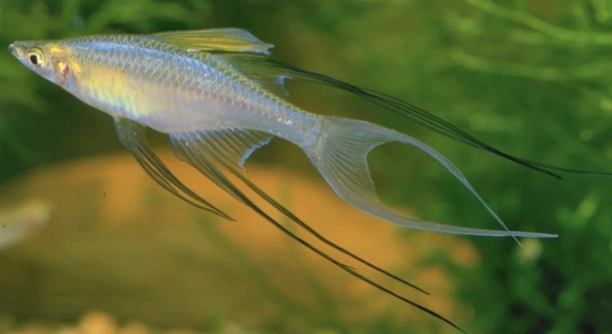
Threadfins are social fish that usually feed together in groups, creating a lively and synchronized display. When they suddenly refuse to feed collectively, it can be puzzling and concerning for aquarists trying to maintain harmony in their tanks.
The primary approach to resolving this behavior involves assessing water quality, nutrition, and tank dynamics. Ensuring optimal conditions, providing a variety of appropriate foods, and minimizing stressors can encourage threadfins to resume group feeding consistently and safely.
Observing their environment and behavior closely will reveal subtle cues that may be affecting feeding patterns. Small adjustments often make a significant difference in restoring normal group activity.
Understanding Threadfin Behavior
Threadfins are naturally social fish that rely on group coordination for feeding. When they stop feeding together, it is often a response to changes in their environment or health. Observing their interactions carefully can reveal stress, aggression, or discomfort that may not be immediately obvious. Overcrowding, sudden changes in water temperature, or poor water quality can all disrupt their usual patterns. Additionally, the introduction of new fish or alterations in lighting and tank decor can create hesitation during feeding. Nutrition also plays a key role; if the diet lacks variety or essential nutrients, some fish may isolate themselves. By paying attention to these details, you can identify which changes affect their feeding behavior. Monitoring water parameters regularly and maintaining consistent feeding times can gradually restore comfort and encourage group feeding again.
Even small adjustments, such as rearranging tank decorations or offering preferred foods, can improve cooperation during feeding sessions.
Consistency is crucial. Regular observation and adjustments allow you to notice subtle changes, ensuring threadfins feel safe and confident. Gradual improvements in water quality, tank layout, and feeding strategy often lead to restored social feeding patterns. Sometimes, pairing hesitant fish with more confident individuals encourages participation. Over time, a stable and predictable environment reassures all fish, reducing stress and promoting healthier interactions. Documenting observations helps track which interventions work best, allowing for more informed decisions. A patient, methodical approach will often resolve feeding reluctance without drastic measures. Threadfins respond well to routine, so keeping a consistent schedule while maintaining optimal tank conditions ensures long-term success.
Adjusting Feeding Strategies
Altering feeding techniques can significantly influence group behavior. Small portions given more frequently often encourage participation from hesitant fish.
Feeding at different tank levels can also help. Some threadfins prefer surface feeding, while others feel safer picking food from the middle or bottom. By offering food in multiple ways, you can engage all fish and reduce competition. Rotating food types, such as live, frozen, or pellet varieties, stimulates natural hunting instincts and increases interest. Timing plays a role too; consistent feeding schedules create predictability, which reassures the fish. Avoid overcrowding during feeding, as too many fish vying for food can create tension and cause some to withdraw. Observation during feeding helps identify which methods work best and which fish need extra encouragement. By combining these strategies, group feeding can gradually return to a harmonious and active display, improving overall health and reducing stress in the tank.
Monitoring Water Conditions
Keeping water conditions stable is essential for threadfins to feed together. Sudden changes in temperature, pH, or ammonia levels can make them hesitant. Regular testing helps prevent these issues and keeps the environment predictable.
Maintaining clean water encourages confidence during feeding. Frequent partial water changes remove waste and toxins, which can otherwise stress the fish. Proper filtration and aeration ensure oxygen levels remain consistent. Even minor fluctuations in temperature can disrupt group behavior, so using a reliable heater or chiller is important. Observing how fish react after changes helps identify specific stressors. Over time, consistent water quality supports calmer, more coordinated feeding sessions and improves overall health.
Balancing water chemistry also includes monitoring hardness and nitrate levels. Avoiding rapid adjustments prevents shock, which can lead to prolonged refusal to feed. Keeping detailed records of water parameters allows for trend observation, making it easier to maintain ideal conditions. When fish feel secure in their environment, they gradually return to normal group feeding patterns, reducing stress and promoting a healthier tank dynamic.
Managing Tank Population
Overcrowding can discourage threadfins from feeding together. Ensuring adequate space for swimming and hiding reduces tension and competition.
Proper stocking levels prevent aggression and allow all fish access to food. Some threadfins may dominate feeding areas if the tank is too small, causing others to retreat. Providing sufficient swimming space and multiple feeding zones helps maintain harmony. Adding plants or structures gives shy individuals a sense of security, allowing them to join group feeding more comfortably. Monitoring interactions regularly identifies any persistent aggression or bullying. Adjustments to population density, tank layout, and feeding approach can restore a peaceful, cooperative environment where all fish participate.
Identifying Stress Triggers
Changes in lighting or sudden movements near the tank can make threadfins uneasy. Minimizing disturbances helps them feel secure and encourages group feeding.
Even subtle noises or vibrations can cause hesitation. Observing their reactions allows adjustments that reduce stress and improve feeding behavior.
Encouraging Natural Feeding Instincts
Providing live or moving food stimulates hunting instincts, making feeding more engaging. Rotating food types prevents boredom and encourages all fish to participate. Feeding slowly and allowing fish to explore the food naturally increases confidence. Gradually, hesitant threadfins join the group, restoring harmony during feeding sessions.
Using Feeding Tools
Tweezers, feeding rings, or floating devices help distribute food evenly, reducing competition and encouraging participation from all fish.
FAQ
Why are my threadfins refusing to feed together?
Threadfins may stop group feeding due to stress, water quality issues, or changes in tank dynamics. Overcrowding, sudden temperature shifts, or new tank additions can make them hesitant. Observing their behavior closely often helps identify the reason behind this change.
How can I improve water conditions for feeding?
Maintaining stable water parameters is essential. Regular testing of ammonia, nitrites, nitrates, and pH ensures the tank remains safe. Frequent partial water changes, proper filtration, and consistent temperature help the fish feel secure and encourage group feeding.
Does tank size affect feeding behavior?
Yes, overcrowding can prevent threadfins from feeding together. Adequate swimming space, multiple feeding zones, and hiding spots reduce stress and competition, allowing shy fish to participate confidently.
What types of food encourage group feeding?
Rotating between live, frozen, and high-quality pellets engages natural instincts. Live or moving food is particularly effective, stimulating interest and encouraging hesitant fish to join the group.
Can lighting or disturbances impact feeding?
Sudden changes in lighting or movements near the tank can make threadfins uneasy. Keeping a predictable environment with stable light cycles and minimizing external disturbances supports calmer, more consistent feeding.
How do I reintroduce hesitant fish to group feeding?
Start by offering food in multiple areas or using feeding tools like tweezers or floating rings. Pairing shy fish with more confident individuals often encourages participation without creating stress or competition.
Is monitoring fish interactions important?
Yes, observing aggression, bullying, or dominance is essential. Adjusting tank layout, population density, and feeding strategy based on these observations helps maintain a peaceful environment and promotes group feeding.
Can stress from other fish affect feeding?
Absolutely. Aggressive or overly dominant tank mates can prevent some threadfins from eating. Providing hiding spots, multiple feeding areas, and reducing tank population if needed can alleviate stress and restore normal feeding behavior.
How often should I feed threadfins to encourage group feeding?
Feeding smaller portions multiple times a day helps hesitant fish join in without feeling pressured. Consistent schedules create predictability, making the fish feel safer and more likely to participate.
What signs indicate feeding behavior is improving?
Look for synchronized swimming toward food, reduced hiding, and more confident interactions. Gradual participation from previously hesitant fish shows that water quality, environment, and feeding strategies are working effectively.
Should I adjust feeding techniques based on fish size?
Yes, smaller or less dominant fish may struggle with competition. Distributing food across multiple levels or using feeding tools ensures all fish access food, reducing stress and encouraging group activity.
Can environmental enrichment affect feeding?
Adding plants, rocks, or structures gives fish security and reduces tension. When fish feel safe in their environment, they are more willing to feed together, promoting harmony in the tank.
How long does it take to restore normal group feeding?
Restoring behavior depends on the underlying issue. With consistent water conditions, feeding strategies, and reduced stressors, most threadfins gradually resume group feeding within a few days to weeks. Patience and observation are key to success.
Are there health issues that affect group feeding?
Illness or parasites can make individual fish less willing to feed. Monitoring for unusual behavior, lethargy, or weight loss helps identify health problems early, allowing for treatment and a return to normal feeding patterns.
Can I encourage feeding without stressing the fish?
Yes, gentle adjustments like slow feeding, multiple feeding points, and using tools help distribute food evenly. Avoid sudden changes or overcrowding, and monitor the fish closely to prevent stress while encouraging group participation.
Is it important to keep records of feeding and behavior?
Maintaining notes on water parameters, feeding routines, and behavioral observations allows you to track patterns, identify issues, and adjust strategies effectively. Documentation ensures long-term success and a harmonious tank environment.
Do temperature fluctuations really impact feeding?
Even minor changes can make threadfins hesitant. Using reliable heaters or chillers, maintaining consistent temperature, and avoiding rapid adjustments help reduce stress and promote regular group feeding.
Can I use supplements to improve feeding behavior?
High-quality nutritional supplements can enhance appetite and overall health. Providing a balanced diet supports energy levels, making fish more willing to participate in group feeding. Supplements should complement, not replace, regular feeding routines.
How do I handle new fish introductions?
Introduce new fish gradually and provide hiding spaces to reduce stress. Observing how established threadfins react ensures newcomers do not disrupt feeding dynamics. Gradual acclimation promotes smoother integration and maintains group feeding behavior.
What if some threadfins never join group feeding?
Some individuals may remain hesitant due to personality or dominance hierarchies. Continue offering food in multiple areas and use feeding tools to ensure they receive adequate nutrition without forcing interaction.
Final Thoughts
Threadfins are social fish that thrive in groups, and feeding together is a natural behavior for them. When they stop participating in group feeding, it is usually a sign that something in their environment or routine is causing stress or discomfort. Observing their behavior closely is the first step in understanding what might be affecting them. Water quality, tank size, population density, and feeding methods all play important roles in maintaining their comfort and confidence. Even minor changes in temperature, lighting, or tank layout can make a difference in their willingness to feed together. By keeping conditions stable and predictable, you give threadfins the reassurance they need to return to their normal feeding patterns. Regular observation allows you to catch small issues before they escalate, ensuring that all fish feel safe and confident during feeding times.
Maintaining proper water conditions is one of the most important aspects of encouraging group feeding. Regular testing of pH, ammonia, nitrite, and nitrate levels helps identify potential problems before they affect fish behavior. Frequent partial water changes remove waste and toxins, creating a cleaner, healthier environment. Proper filtration and aeration ensure that oxygen levels remain consistent, which is vital for both comfort and feeding behavior. Even subtle stressors, like vibrations or sudden movements near the tank, can cause hesitation. By minimizing these disturbances and maintaining a stable environment, fish are more likely to resume feeding as a group. In addition, consistent feeding schedules and portion sizes create predictability, which reduces stress and helps shy individuals feel safer when joining the group. Gradual adjustments and patience often lead to noticeable improvements over time.
Feeding strategies and tank management also play a key role in restoring group feeding behavior. Providing food in multiple areas or using tools like feeding rings or tweezers helps distribute food evenly, reducing competition and encouraging participation from all fish. Rotating between live, frozen, and pellet foods stimulates natural instincts, keeping the fish engaged and interested. Tank layout, population density, and environmental enrichment such as plants or structures give shy or hesitant fish spaces to retreat if needed, which makes them feel more secure. Observing interactions regularly helps identify dominant or aggressive fish and allows for adjustments that reduce tension. Some fish may remain hesitant, and that is normal, but offering consistent support ensures they still receive proper nutrition. With patience, careful observation, and consistent management, most threadfins gradually return to healthy, coordinated group feeding. Over time, these practices create a calmer, more stable tank environment, improving overall health and well-being for all the fish.

Hello,
If you enjoy the content that we create, please consider saying a "Thank You!" by leaving a tip.
Every little bit helps us continue crafting quality advice that supports the health, happiness, and well-being of pets around the world, for pets of all shapes, sizes, and species.
We really appreciate the kindness and support that you show us!