
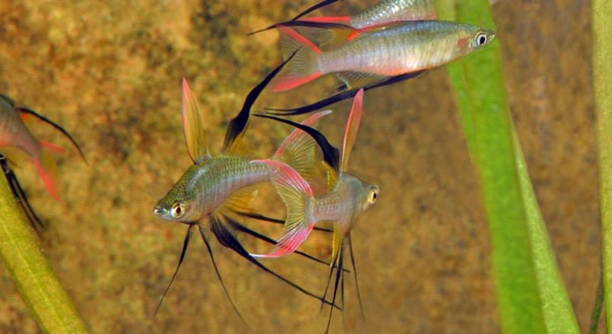
Threadfins are fascinating fish known for their sleek bodies and delicate fins. Many hobbyists spend hours observing their behavior and interactions in aquariums, noticing how they respond to movements, light, and sometimes even the sounds around them.
Threadfins do respond to human voices and tone to a certain extent. They can detect vibrations in the water caused by sound, and their reactions often vary depending on the intensity, pitch, and familiarity of the voice, showing awareness of their surroundings.
Observing threadfins closely can reveal subtle patterns in their reactions, providing insights into their behavior and how they perceive people in their environment.
How Threadfins Perceive Sound
Threadfins have a sensitive lateral line system that allows them to detect vibrations in the water. This system helps them notice changes in their surroundings, including movements and noises. When you speak near the tank, the vibrations created by your voice can travel through the water, catching their attention. Some threadfins respond more noticeably to certain tones, especially higher-pitched or consistent sounds. I often noticed my own fish pause or shift direction when I spoke softly while feeding them. They don’t just hear sound as we do; they sense the pressure waves in the water, which can trigger reactions ranging from curiosity to alertness. Their response can also be influenced by familiarity; threadfins that recognize routine sounds from their keeper are more likely to react calmly. Observing these reactions over time allows a clearer understanding of how threadfins interact with their environment, revealing a layer of intelligence and sensitivity many fish keepers may overlook.
Their sensitivity to sound varies by individual, with some reacting strongly and others barely noticing subtle vibrations.
Consistent observation of threadfins reveals patterns in their behavior tied to sound. They may swim closer, change direction, or pause when detecting vibrations from voices. Tone plays a role; softer, gentle tones often evoke curiosity, while sudden or loud sounds can startle them. Their reactions are also affected by previous experiences and the level of trust they have with their caretaker. Over time, threadfins can distinguish between daily activities and unusual noises, showing a nuanced awareness of their surroundings. Noticing these subtle cues helps improve care routines and enhances interaction, creating a more harmonious environment within the tank.
Training and Interaction Tips
Positive interactions with threadfins can strengthen their responses to voice and tone.
Using calm and consistent tones while feeding or handling threadfins encourages familiarity and reduces stress. Gradually introducing them to regular sounds helps them associate these vibrations with safe activities. Repetition and patience are key, as abrupt changes can trigger avoidance. Small gestures paired with verbal cues can reinforce recognition, making them more responsive over time. Maintaining a consistent environment allows threadfins to feel secure while reacting appropriately to sound. Tracking their reactions helps tailor approaches for individual fish. Environmental enrichment, like gentle water currents or objects to explore, paired with vocal interaction, can enhance their engagement and stimulate mental activity. Over weeks, careful observation allows you to understand their preferences and tendencies, making it easier to create routines that benefit their well-being. A thoughtful approach to interaction ensures threadfins remain calm, attentive, and responsive, adding a rewarding dimension to keeping these delicate fish.
Recognizing Familiar Voices
Threadfins can learn to recognize specific voices over time. Repetition and consistency help them associate certain tones with feeding, movement, or routine activities.
When I noticed my threadfins reacting differently to my voice compared to someone else’s, it became clear they could distinguish familiar sounds. They often approached the area of the tank I stood near when I spoke, while remaining cautious around unfamiliar voices. This behavior showed that threadfins are capable of forming associations between consistent stimuli and expected outcomes. Over time, they seemed more confident and attentive when they heard a familiar tone, suggesting memory and recognition play a role in their daily behavior.
Familiarity also affects their stress levels. Threadfins are calmer when responding to known voices, making feeding and interaction smoother. Consistent routines strengthen this recognition, leading to predictable and positive responses in the tank.
Tone and Emotional Response
Threadfins respond differently to various tones, with softer voices often provoking curiosity, while harsh or loud tones may cause avoidance or stress.
I observed that changing the tone of my voice during feeding sessions directly influenced my fish’s behavior. Gentle, steady tones encouraged them to approach and linger near the surface, while sudden loud sounds caused them to retreat quickly. Their reactions indicate they not only detect vibrations but also interpret them in ways that reflect comfort or caution. Subtle changes in pitch or rhythm often prompted investigative movements, like circling or hovering near the source. Over weeks, these responses became consistent, showing that threadfins adjust behavior based on repeated auditory cues. Using calm tones regularly made interactions more predictable and reduced stress-related reactions. These observations highlighted how tone directly affects their emotional and behavioral responses in their environment.
Timing and Routine
Threadfins respond better when sounds occur at consistent times. Regular feeding or activity schedules make them more attentive to familiar voices.
Sudden changes in routine can confuse them. Keeping predictable patterns helps threadfins associate specific sounds with expected actions, reducing stress and encouraging engagement.
Subtle Changes in Tone
Minor shifts in pitch or volume can noticeably influence threadfin behavior. I often adjusted my tone slightly during interactions and observed curiosity or caution. Their responses showed sensitivity to small auditory variations, highlighting how they perceive differences in familiar sounds.
Environmental Factors
Noise levels and water movement affect how threadfins react. Excessive background vibrations can mask your voice, reducing their responsiveness.
FAQ
Do threadfins respond to all voices the same way?
No, threadfins respond differently depending on familiarity and tone. I noticed my fish reacted quickly to my voice but were cautious around new voices. They seem to recognize consistent tones and associate them with feeding or safe routines. Unfamiliar voices can cause hesitation or avoidance.
Can the tone of my voice affect their behavior?
Yes, tone has a strong influence. Softer, steady tones encourage approach and curiosity, while sudden or loud tones can startle them. I often observed my threadfins pause or retreat when I raised my voice, showing that subtle changes in pitch can trigger different responses.
How long does it take for threadfins to recognize a familiar voice?
Recognition varies by individual, but regular exposure over several days or weeks usually helps. I found that consistent daily interactions allowed my fish to respond reliably, approaching the area of the tank I stood near during feeding times. Repetition is key to building familiarity.
Do all threadfins react to sound in the same way?
No, responses differ by personality and experience. Some fish are naturally more curious, while others are cautious or shy. I noticed that even within the same tank, some threadfins would immediately swim toward my voice, while others observed from a distance, showing varied sensitivity.
Can threadfins distinguish between different tones or pitches?
Yes, minor differences in pitch or volume can influence their behavior. Over time, I saw my threadfins react to gentle variations, such as a slightly higher tone prompting curiosity or a lower, sudden tone causing retreat. This sensitivity shows they can detect subtle changes in auditory cues.
Does background noise affect their responsiveness?
Excessive noise can reduce responsiveness. Threadfins rely on water vibrations to sense sound. I observed that when the room was noisy or water filters were loud, my fish were less likely to react to my voice, highlighting the importance of a relatively calm environment for interaction.
Can I train threadfins to respond to my voice consistently?
Yes, training is possible through repetition and routine. I used consistent tones during feeding and handling, and over time, my threadfins began associating my voice with positive experiences. Calm, predictable interactions strengthened recognition and encouraged attentive behavior.
Do threadfins react to vibrations differently than sounds?
They do. Threadfins sense vibrations through their lateral line, which can differ from sound detection. I noticed they reacted to tapping on the tank gently but ignored distant, muffled sounds, indicating they rely on direct water movement for certain cues.
How can I encourage more interaction using my voice?
Consistency and patience are essential. Using calm, steady tones during feeding and routine tasks helps threadfins associate your voice with positive experiences. I paired soft speech with movement near the tank, which gradually increased engagement and approach behavior, showing that repeated cues build familiarity.
Is there a limit to how much threadfins will react to human voices?
Yes, their responses have limits. They can become accustomed to regular sounds, and overexposure may reduce curiosity. I found that spacing interactions and maintaining natural routines kept reactions consistent without causing stress or fatigue.
Do age or size affect how threadfins respond to voices?
Age and size can influence sensitivity. Younger threadfins often react more actively to new stimuli, while older or larger fish may be more cautious. I noticed my younger fish approached quickly, while older ones assessed before responding, showing that developmental factors play a role.
Are threadfins more responsive at certain times of the day?
Yes, activity levels affect responsiveness. My threadfins were most alert during morning feeding times, reacting more noticeably to voice and tone, while midday or evening responses were slower, suggesting that natural activity cycles influence auditory responsiveness.
Does the presence of other fish affect their reaction?
Other fish can influence behavior. In group settings, threadfins may follow the lead of more confident individuals. I observed that when one fish approached after hearing my voice, others often followed, showing social influence in response patterns.
Can changes in water conditions affect sound recognition?
Yes, water quality and movement impact responses. Strong currents or temperature fluctuations can distract or stress threadfins. I noticed that in calmer, stable water, my voice elicited more predictable reactions, emphasizing the importance of a well-maintained environment.
Are threadfins capable of remembering multiple voices?
They can distinguish familiar voices over time. I experimented with two different caretakers using consistent tones, and my threadfins gradually learned to recognize each person, approaching predictably during feeding. This demonstrates their capacity for auditory memory and recognition of repeated cues.
Do threadfins react differently to male versus female voices?
Reactions vary more by tone than by gender. I noticed my threadfins responded consistently to the same pitch and rhythm, regardless of whether it came from a male or female voice. Consistency in tone and volume mattered more than vocal gender.
Is there a best way to interact vocally with threadfins?
Calm, steady, and consistent tones work best. I used gentle speech during feeding and routine care, and gradually my threadfins began approaching and showing curiosity. Patience and repetition are key to encouraging positive responses without causing stress.
Can threadfins get stressed by too much vocal interaction?
Yes, overexposure or loud sounds can increase stress. I found that spacing interactions and maintaining a calm voice helped avoid startling them, ensuring responses remained natural and positive, while supporting their well-being.
Does tank size affect their reaction to sound?
Larger tanks may diffuse vibrations, making it harder for threadfins to detect your voice. In smaller tanks, responses were more immediate. I noticed they reacted more predictably when I spoke near the water, highlighting how environment size influences auditory perception.
Can threadfins be trained to follow voice cues for feeding?
Yes, gradual training works well. I paired soft, repeated tones with feeding, and over time, my threadfins associated the sound with food. They began approaching quickly when hearing the cue, demonstrating that consistent auditory signaling can guide behavior effectively.
Do stress levels affect their responsiveness to voice?
High stress can reduce responsiveness. When water conditions were unstable or other disturbances occurred, my threadfins reacted less to voice. Calm, predictable environments promote engagement, allowing them to respond more reliably to familiar sounds.
Can threadfins differentiate between voice and other tank noises?
Yes, they can distinguish direct vocal vibrations from ambient noises like filter hums or distant movements. I observed that they responded mainly to deliberate, localized sounds near the tank, suggesting they prioritize meaningful auditory cues.
Are there signs that a threadfin enjoys interaction with your voice?
Signs include approaching the source, lingering near the surface, and gentle circling movements. I noticed that when my threadfins were comfortable, they stayed attentive and curious, rather than retreating, showing a positive response to familiar vocal cues.
How can I maintain their responsiveness over time?
Consistency is crucial. I maintained regular schedules and gentle tones, avoided sudden loud sounds, and gradually introduced slight variations. This approach kept my threadfins responsive while minimizing stress, reinforcing recognition and engagement over weeks and months.
Can threadfins recognize multiple sounds from the same person?
Yes, they can learn different cues. I used distinct tones for feeding versus cleaning routines, and my threadfins responded appropriately to each, showing they can differentiate between specific auditory signals from a single caretaker.
Does voice alone work, or should it be paired with gestures?
Pairing voice with predictable gestures improves recognition. I often combined hand movements near the tank with soft speech, which encouraged my threadfins to respond more consistently and approach confidently, reinforcing positive interactions.
Can threadfins become desensitized to voices?
Repeated exposure without meaningful outcomes can reduce reaction. I found that spacing interactions and associating sounds with positive activities maintained attention and prevented them from ignoring repeated auditory cues.
Are there risks to frequent vocal interaction?
Frequent loud or abrupt sounds can stress threadfins. I ensured my interactions were calm and predictable, which helped maintain curiosity and engagement without causing avoidance behaviors or stress-related health issues.
How do threadfins communicate their response to your voice?
They use movement, positioning, and changes in swimming patterns. Approaching, pausing, or circling the area near the sound source indicates recognition and curiosity. I often observed these subtle behaviors, which provide clear feedback on how they perceive and react to human vocal cues.
Do threadfins show long-term memory of voices?
Yes, they can remember consistent voices over weeks. I observed that my threadfins continued to respond to familiar tones even after breaks in interaction, indicating a capacity for long-term auditory memory.
Can other sensory cues enhance voice recognition?
Yes, combining visual or tactile cues with sound improves recognition. I paired gentle hand movements and consistent light patterns with speech, which strengthened my threadfins’ ability to associate voices with specific activities, increasing engagement and reducing stress.
Does diet or feeding schedule affect voice responsiveness?
Yes, routine feeding linked with vocal cues enhances recognition. My threadfins quickly learned to associate soft, repeated tones with food, showing that combining diet schedules with voice cues reinforces learning and predictable behavior.
Are there signs that a threadfin is stressed by voice?
Rapid retreat, erratic swimming, or hiding indicate stress. I monitored these behaviors closely, adjusting my tone and interaction frequency to ensure threadfins remained comfortable while maintaining engagement.
How can I observe reactions without stressing them?
Approach slowly, use gentle tones, and maintain calm water conditions. I often stood quietly near the tank, observing subtle movements, which provided insight into their responses without causing alarm or disruption.
Do threadfins respond differently to male versus female caretakers?
Responses are more influenced by tone and consistency than gender. I noticed that calm, familiar voices elicited the same positive reactions, regardless of whether the caretaker was male or female.
Can threadfins respond to recorded voices?
Yes, but reactions may be less consistent. I tried playing recorded tones, and while they noticed the sound, their engagement was weaker compared to live, familiar voices. Real-time interaction seems to be more effective for recognition and behavior reinforcement.
Is it possible to over-train threadfins to voice cues?
Yes, excessive repetition can reduce responsiveness or cause stress. I balanced interaction with periods of quiet, allowing my fish to remain attentive and curious without becoming desensitized to repeated cues.
Do threadfins respond to different languages or words?
They respond to tone and consistency rather than specific words. I noticed that changing vocabulary didn’t affect behavior as long as the tone and rhythm remained familiar. This shows they associate sound patterns with outcomes rather than meaning.
Can stress in the tank affect auditory responses?
Yes, unstable conditions like poor water quality or overcrowding reduce responsiveness. I ensured stable water parameters, which helped maintain consistent reactions to voice and tone, keeping threadfins attentive and engaged.
Do threadfins react more to certain pitches?
Higher pitches often attract attention more readily, while lower tones may be less noticeable. I experimented with small variations and observed curiosity increase with slightly higher, steady pitches, indicating pitch sensitivity plays a role in their reactions.
Can threadfins learn to respond to multiple caretakers?
Yes, with consistency and distinct tones. I used separate routines for two caretakers, and over time, my threadfins responded appropriately to each person, demonstrating the ability to remember and differentiate between multiple sources of sound.
How do I know if my threadfins are comfortable with vocal interaction?
Comfort is shown through calm approach, steady hovering, and minimal retreat. I observed my threadfins staying near the sound source, circling gently, and engaging during familiar routines, which indicated positive responses to my voice.
Does lighting or tank visibility influence voice response?
Yes, clear visibility helps them associate voice with action. I noticed that when lighting was consistent and calm, responses were stronger, whereas dim or fluctuating lighting sometimes reduced approach and engagement.
Can threadfins respond to multiple sounds simultaneously?
They can, but focus may shift. I noticed that when multiple cues occurred, such as water movement and voice together, attention often went to the most familiar or relevant stimulus, suggesting selective auditory processing.
Does age affect responsiveness?
Younger threadfins often react faster and more actively, while older fish may assess before responding. I observed that age influenced curiosity and confidence, highlighting the need for patience and gradual interaction with mature fish.
Are threadfins naturally curious or does voice create curiosity?
Both factors contribute. They have innate curiosity, but consistent vocal cues can enhance approach and engagement. I found that familiar sounds amplified interest, guiding natural exploration without causing stress.
Can threadfins differentiate between feeding and non-feeding cues?
Yes, they learn to associate specific tones with food. I paired a soft, steady voice with feeding, and over time, they approached quickly when hearing this cue, demonstrating clear recognition of routine auditory signals.
Do threadfins respond more when alone or in groups?
Responses vary. Alone, individual fish react more directly, while in groups, social dynamics influence behavior. I observed that confident individuals often lead, with others following, showing that group presence affects reactions.
Is it necessary to speak every day for recognition?
Daily interaction strengthens recognition, but occasional breaks don’t erase memory. I maintained routine sessions, but even after a short pause, my threadfins remembered familiar tones, responding predictably when interaction resumed.
Can threadfins sense emotional tone in voice?
Yes, they react differently to calm versus abrupt or loud tones. I observed hesitation or retreat when using sharp tones and approach when using steady, gentle speech, indicating sensitivity to emotional cues conveyed through sound.
Do threadfins respond to singing or humming?
Yes, consistent rhythms and tones elicit attention. I noticed soft humming encouraged gentle movement and hovering near the sound source, showing they respond to repeated auditory patterns, not just speech.
Can threadfins respond to vibrations from outside the tank?
They can detect strong vibrations through water, but subtle outside sounds are less effective. I observed that direct, localized vibrations elicited responses, while distant noises often went unnoticed, highlighting the importance of proximity for effective interaction.
Does water temperature affect responsiveness?
Temperature influences activity levels. I noticed that threadfins were more attentive in moderate, stable temperatures, while extremes reduced movement and engagement, affecting their ability to respond to voice cues.
Can threadfins remember auditory cues after months without interaction?
Yes, familiar, repeated cues were recognized even after breaks. I found that maintaining consistent prior routines helped threadfins retain memory of tones, responding predictably upon reintroduction of interaction.
Does tank size or decoration impact response?
Larger or heavily decorated tanks may diffuse sound or obscure sightlines. I observed more consistent reactions in simpler tanks where sound traveled clearly, suggesting environment layout affects auditory perception.
Can threadfins distinguish between human voices and other animal sounds?
Yes, they respond mainly to human voices used consistently in routines. I noticed less reaction to other animals, indicating that repeated association with human auditory cues drives their attention and approach.
Is there a way to measure their reaction objectively?
Observing approach speed, proximity, and frequency of attention provides measurable indicators. I tracked these behaviors over weeks to assess responsiveness and adjust interaction techniques accordingly.
Can threadfins be trained to avoid stress using voice cues?
Yes, calm tones paired with positive routines help manage stress. I used consistent vocal patterns during potentially stressful events, like cleaning, which reassured them and reduced sudden retreat or erratic movements.
Do threadfins respond better to high or low frequencies?
They are often more attentive to mid-to-high frequencies. I observed that gentle, slightly higher tones elicited curiosity, while low or very deep sounds were less effective, showing selective sensitivity to frequency ranges.
Does tank lighting influence how they respond to voice?
Bright, stable lighting improves focus on sound cues. I noticed inconsistent or dim lighting reduced approach behaviors, suggesting that visual clarity supports auditory recognition and positive interaction.
Can threadfins respond to music?
Yes, simple, steady rhythms can trigger curiosity. I played soft instrumental tones, and my threadfins displayed hovering and circling near the source, showing they respond to repeated auditory patterns beyond speech.
Are younger threadfins more trainable than older ones?
Yes, younger fish adapt faster. I found they approached more readily and learned associations quicker than older, more cautious fish, highlighting the benefits of early consistent interaction.
Can threadfins learn multiple routines tied to different tones?
Yes, distinct tones linked to specific activities are recognized. I used one tone for feeding and another for cleaning, and my threadfins responded appropriately to each, showing memory and differentiation.
Do threadfins react to whispers differently than normal speech?
Yes, softer whispers often encourage closer approach, while louder speech can startle. I noticed their behavior changed with volume adjustments, showing sensitivity to subtle differences in vocal delivery.
Is patience necessary when teaching them to respond?
Absolutely. Threadfins need time to associate cues with actions. I found consistent, calm interaction over days or weeks produced reliable, stress-free responses.
Do they respond better when the water is calm?
Yes, calm water improves detection of vibrations. I observed stronger, more predictable reactions in still water compared to turbulent or heavily filtered conditions.
Can threadfins react to tones used by different people?
They can recognize multiple sources if tones are consistent. I noticed my fish responded reliably to two caretakers who used distinct, repeated cues, demonstrating adaptability and memory.
Does repeated exposure to the same sound enhance recognition?
Yes, repetition reinforces familiarity. I consistently used the same soft tones during feeding, and my threadfins became more attentive and confident in approaching the source.
Are there differences in reaction between male and female threadfins?
Behavior varies individually rather than strictly by sex. I noticed some males were bolder, some females more cautious, showing personality and experience influenced responsiveness more than gender.
Can environmental enrichment improve voice responsiveness?
Yes, pairing toys or gentle currents with vocal cues increases engagement. I observed more curiosity and interaction when enrichment was combined with familiar, calm tones.
Do threadfins react differently to live versus recorded voices?
Live voices produce stronger, more consistent reactions. I found recorded sounds sometimes elicited recognition but rarely the same level of curiosity or approach as live interaction.
Is there a difference in response between feeding and non-feeding cues?
Yes, they quickly learn which cues predict food. I used a consistent tone for feeding, and my threadfins approached reliably, while unrelated tones produced little reaction, showing selective recognition.
Do threadfins respond differently in groups than alone?
Yes, social dynamics influence reactions. Confident individuals lead, and others often follow. I noticed group presence increased response speed but could also create hesitation in shy fish.
Can stress or illness affect auditory response?
Threadfins are more perceptive than many people realize. Their ability to detect vibrations in the water allows them to respond to human voices and tones in ways that reflect curiosity, caution, or recognition. Over time, consistent interaction can lead to reliable responses, with threadfins approaching the source of familiar sounds, adjusting their movements based on tone, and showing clear signs of awareness. Observing these behaviors provides insight into their daily patterns, as well as how they perceive their environment and the people who care for them. I have noticed that maintaining a calm and steady tone is particularly effective, and subtle changes in pitch or volume can make a noticeable difference in their reactions. This awareness can guide how caretakers structure daily interactions, feeding routines, and overall tank management to support both the fish’s well-being and engagement.
Routine and consistency are crucial when interacting with threadfins. They respond best to repeated cues associated with feeding or other positive experiences. For example, using the same voice or tone at regular times helps them form associations and reduces stress. Sudden changes in tone or routine may cause hesitation or avoidance, showing that threadfins rely on predictability to feel secure. Individual differences also play a role, as some threadfins are naturally more curious while others are more cautious. I have observed that even within the same tank, responses can vary significantly, highlighting the importance of patience and careful observation. By paying attention to these patterns, caretakers can tailor interactions to each fish, fostering a comfortable and stimulating environment. Gradually, these small steps create a routine that the threadfins recognize and respond to reliably, demonstrating their capacity for learning and memory.
Creating an environment that supports positive interaction involves more than just vocal cues. Calm water conditions, stable lighting, and minimal excessive noise all contribute to how effectively threadfins respond. Social dynamics within the tank also affect behavior, as confident individuals often influence the reactions of others. I have found that pairing gentle vocal interaction with environmental enrichment, such as light currents or objects to explore, increases engagement and curiosity. Over time, threadfins can become attentive and responsive, showing signs of comfort and familiarity with their caretakers. Recognizing their individual personalities, maintaining consistent routines, and observing their subtle reactions allows for a more harmonious and enriching aquarium experience. Understanding these factors not only enhances daily interaction but also contributes to the overall health and well-being of threadfins in captivity.

Hello,
If you enjoy the content that we create, please consider saying a "Thank You!" by leaving a tip.
Every little bit helps us continue crafting quality advice that supports the health, happiness, and well-being of pets around the world, for pets of all shapes, sizes, and species.
We really appreciate the kindness and support that you show us!