
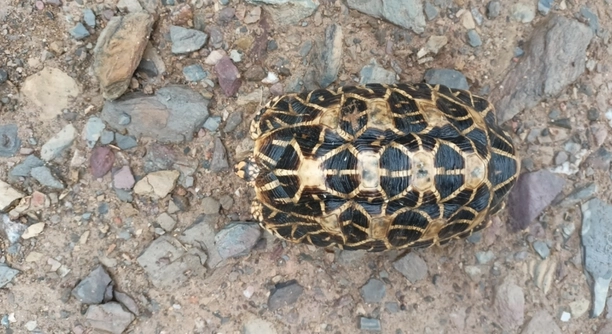
If your star tortoise is shaking its head, it can be concerning. Head shaking in tortoises may indicate several health issues that need attention. Understanding the cause of this behavior is important for proper care.
Head shaking in star tortoises is often caused by respiratory infections, poor diet, dehydration, or even stress. It’s essential to diagnose the underlying issue to provide the right treatment. Prompt action can help prevent further health complications.
Knowing how to identify the problem is the first step to helping your tortoise feel better. We’ll go over several potential causes and simple solutions to fix the issue.
Possible Causes for Head Shaking in Star Tortoises
Head shaking in star tortoises can be caused by a few different things. One of the most common reasons is a respiratory infection. If your tortoise’s nose is runny or it is wheezing, this could be a sign of an infection. Other signs might include lethargy or a decrease in appetite. These infections are typically caused by poor living conditions, like high humidity or low temperatures. When their environment isn’t ideal, it weakens their immune system, making them more susceptible to illness. Another common cause could be dehydration. If your tortoise isn’t drinking enough water or eating moist foods, this can lead to physical stress, which can result in head shaking. Malnutrition can also lead to head shaking, as a lack of essential nutrients can affect the nervous system. The shaking could also be a stress response, such as from sudden changes in their habitat.
Dehydration, poor diet, and stress are all manageable.
Proper humidity, a well-balanced diet, and regular hydration can prevent these issues. The more you understand the cause, the easier it is to fix the problem. Early intervention can help prevent long-term damage to your star tortoise’s health.
How to Handle Respiratory Infections in Star Tortoises
If your tortoise has a respiratory infection, you need to act fast. Respiratory infections are usually caused by bacteria, and untreated infections can lead to more serious health problems. It’s important to provide a warm, dry environment for your tortoise so it can recover. Adjusting the temperature to around 80-85°F during the day and a little cooler at night is essential. This helps your tortoise’s body fight off the infection. If you notice any discharge around the nose or mouth, it’s a clear sign that your tortoise needs to see a veterinarian. A vet may prescribe antibiotics to treat the infection and help your tortoise recover faster. Along with antibiotics, make sure to maintain proper humidity levels in their enclosure. Too much moisture can encourage bacteria growth, which could worsen the condition. Keeping their enclosure clean will also help prevent future infections.
Immediate care and veterinary attention are essential for recovery.
Taking care of your tortoise during its recovery is just as important as the treatment itself. Make sure it gets enough rest, and keep its living space clean and properly heated. A healthy environment will give your tortoise the best chance for a full recovery.
The Role of Diet in Head Shaking
A poor diet can play a significant role in your tortoise’s health, including head shaking. Star tortoises require a varied diet rich in calcium and fiber to thrive. Without proper nutrition, their nervous system may be affected, causing them to exhibit unusual behaviors like shaking.
Ensure your tortoise’s diet includes plenty of leafy greens, such as dandelion greens, collard greens, and kale. Adding calcium-rich foods like cactus pads or calcium supplements will support strong bones and overall health. Avoid offering foods high in oxalates, like spinach, as they can block calcium absorption. Feeding your tortoise a balanced diet helps prevent many health issues, including those that cause head shaking. If the shaking is related to malnutrition, a change in diet will likely improve things over time.
Hydration is also crucial for proper digestion and avoiding dehydration, which can lead to shaking. Regularly misting your tortoise’s enclosure and offering fresh water will ensure they stay hydrated. Keeping track of their eating habits and adjusting their diet accordingly will help them stay healthy.
The Impact of Stress on Star Tortoises
Stress is another potential cause of head shaking. Star tortoises can become stressed for many reasons, such as sudden environmental changes, loud noises, or being handled too much. When they feel threatened or unsettled, they may shake their heads as a sign of distress.
To minimize stress, create a consistent and peaceful environment for your tortoise. Place their enclosure in a quiet area away from loud noises and other pets. Avoid sudden temperature changes or moving the enclosure too frequently, as these can upset them. Handling your tortoise gently and sparingly is also important to reduce stress. Overhandling can lead to anxiety, making your tortoise more likely to display behaviors like head shaking.
Providing a predictable and calm environment will help your tortoise feel safe and secure. It’s important to monitor their behavior closely to ensure they are not overstressed. If head shaking persists due to stress, consider making adjustments to their living space and routine.
Dehydration and Its Effect on Head Shaking
Dehydration can lead to head shaking in star tortoises. When they don’t get enough water, it can cause physical stress, affecting their nervous system. This stress may show itself as head shaking.
Make sure your tortoise always has access to fresh water, and regularly mist their enclosure to maintain proper humidity levels. Offering water-rich vegetables like cucumber and watermelon can also help with hydration. If you notice signs of dehydration, such as dry skin or lethargy, take immediate steps to rehydrate your tortoise.
Malnutrition and Its Link to Head Shaking
A lack of proper nutrition can weaken your tortoise’s health, leading to head shaking. Tortoises need a balance of fiber, calcium, and vitamins. If their diet is deficient in any of these areas, it can cause physical symptoms, including head shaking.
Calcium is especially important to prevent issues with the nervous system. Offering foods like dark leafy greens and supplementing with calcium powder can help maintain their overall health. A proper diet will ensure your tortoise stays strong, reducing the likelihood of head shaking related to malnutrition.
Environmental Factors Causing Stress
Sometimes, environmental factors cause stress in tortoises, leading to head shaking. Changes in temperature, lighting, or even excessive handling can trigger this behavior.
It’s essential to keep your tortoise’s environment stable, with appropriate temperature and humidity levels. Regularly check their habitat to ensure it’s comfortable, quiet, and stress-free. Adjusting their environment to suit their needs will help prevent stress-related head shaking.
FAQ
What should I do if my star tortoise is shaking its head?
If your star tortoise is shaking its head, the first step is to identify the cause. It could be due to a respiratory infection, dehydration, malnutrition, or stress. Examine its environment for any potential issues like improper humidity, temperature, or overcrowding. Make sure its diet is balanced and that it’s drinking enough water. If the shaking persists, it’s best to consult a vet to rule out infections or other health problems. Early diagnosis is key to ensuring a quick recovery.
Can a star tortoise recover from a respiratory infection?
Yes, star tortoises can recover from respiratory infections, but it’s crucial to address the issue early. If your tortoise has symptoms like wheezing, nasal discharge, or lethargy, a visit to the vet is necessary. A veterinarian may prescribe antibiotics or other treatments to help combat the infection. Keep your tortoise in a warm, dry environment to aid recovery, and ensure it is properly hydrated. Once treated, providing a stress-free environment will help your tortoise regain its health.
How can I prevent dehydration in my star tortoise?
To prevent dehydration in your star tortoise, make sure it always has access to fresh water. Offer water-rich vegetables like cucumber, watermelon, and lettuce to support hydration. Regularly mist the enclosure to maintain proper humidity, which helps prevent dehydration. You can also soak your tortoise in shallow water for a few minutes to promote hydration. Monitoring your tortoise’s water intake and hydration levels is vital, especially during hot months or if your tortoise seems lethargic.
What should I feed my star tortoise to prevent head shaking?
A balanced diet is essential for preventing head shaking caused by malnutrition. Your star tortoise’s diet should include dark leafy greens like dandelion, collard greens, and kale. Provide high-fiber foods such as grasses and weeds, as well as calcium-rich items like cactus pads or calcium supplements. Avoid feeding foods high in oxalates, like spinach, which interfere with calcium absorption. Ensure the diet is varied and includes the necessary vitamins and minerals for overall health, which can help prevent nervous system issues leading to head shaking.
Can stress cause head shaking in a star tortoise?
Yes, stress can definitely cause head shaking in star tortoises. Changes in their environment, excessive handling, or loud noises can make them feel unsettled. To reduce stress, create a stable and peaceful living environment. Avoid moving their enclosure frequently or making sudden temperature changes. Limit handling to necessary moments and make sure your tortoise has enough space to feel secure. When a tortoise feels safe, it’s less likely to exhibit signs of stress, including head shaking.
How can I reduce stress in my star tortoise?
To reduce stress in your star tortoise, focus on providing a stable environment with consistent temperature and humidity levels. Place its enclosure in a quiet area, away from loud noises or other pets. Keep the enclosure clean and clutter-free, giving your tortoise enough space to move around comfortably. Avoid unnecessary handling and give your tortoise time to adjust to any changes in its environment. A calm, peaceful space will help prevent stress-related behaviors like head shaking.
How do I know if my star tortoise has a respiratory infection?
Signs of a respiratory infection in star tortoises include nasal discharge, wheezing, labored breathing, and lethargy. If your tortoise seems more sluggish than usual, is not eating, or has a runny nose, these could be signs of an infection. It’s essential to take your tortoise to the vet as soon as possible for a proper diagnosis. Respiratory infections can worsen quickly, so prompt treatment is necessary to ensure your tortoise recovers fully. Keeping their environment warm and dry will also help them heal faster.
How often should I handle my star tortoise?
It’s important to handle your star tortoise sparingly. Excessive handling can cause stress, which may lead to head shaking or other health issues. Only handle your tortoise when necessary, such as for cleaning its enclosure or for short interactions. If you must handle it, always be gentle and avoid sudden movements. Giving your tortoise space to roam and rest without constant handling will allow it to feel secure and reduce the likelihood of stress-related issues.
What temperature should I keep my star tortoise’s enclosure?
Your star tortoise’s enclosure should be kept between 80°F and 85°F during the day and slightly cooler at night. This temperature range helps with digestion and overall health. A basking spot with a temperature of around 90°F can also be provided to allow your tortoise to warm up when needed. Avoid temperatures that are too low, as this can lead to respiratory infections or a weakened immune system. Keeping the enclosure at a steady temperature will help your tortoise stay healthy and reduce the risk of head shaking.
Can I treat a respiratory infection in my star tortoise at home?
While some basic care can be provided at home, such as ensuring the tortoise stays in a warm, dry environment, respiratory infections typically require veterinary treatment. Your vet may prescribe antibiotics to treat the infection effectively. Attempting to treat the infection without professional help could make the problem worse. If you suspect your tortoise has a respiratory infection, schedule a vet visit immediately. They can provide the necessary treatment to ensure your tortoise recovers properly.
How can I make sure my star tortoise gets enough calcium?
To ensure your star tortoise gets enough calcium, provide calcium-rich foods such as dark leafy greens and calcium-enriched cactus pads. You can also add a calcium supplement to their diet, either in the form of a powder sprinkled over their food or a cuttlebone placed in their enclosure. Proper calcium levels are essential for shell and bone health and can help prevent head shaking caused by deficiencies. Regularly check your tortoise’s diet to ensure it includes all the necessary nutrients.
Why is my star tortoise not eating, and how does it relate to head shaking?
Loss of appetite in a star tortoise, especially when paired with head shaking, can indicate a health issue. This could be a sign of a respiratory infection, stress, or dehydration. If your tortoise isn’t eating, examine its environment for potential stressors like changes in temperature or humidity. Also, check its diet to make sure it is receiving the proper nutrition. A visit to the vet is recommended if the lack of appetite continues, as it may be related to an underlying health problem.
Final Thoughts
If your star tortoise is shaking its head, it’s important to pay close attention to the behavior and figure out what might be causing it. Head shaking can be a sign of something as simple as stress or as serious as a respiratory infection. Identifying the underlying issue early can help you take the right steps to support your tortoise’s health. Whether it’s adjusting the environment, changing the diet, or seeking veterinary help, acting quickly can prevent the situation from getting worse.
The good news is that most of the common causes of head shaking in star tortoises are preventable with proper care. Ensuring that your tortoise has a balanced diet, enough water, and a stress-free environment can go a long way in preventing health problems. A proper setup, with the right temperature, humidity, and lighting, can keep your tortoise comfortable and healthy. With these preventive measures, you can reduce the chances of your star tortoise shaking its head due to issues like dehydration, malnutrition, or environmental stress.
If head shaking persists despite your best efforts, it’s important to consult with a vet. Sometimes, there could be an underlying infection or health issue that requires professional attention. By staying proactive and observing your tortoise closely, you’ll be better equipped to make sure it stays healthy. Caring for a star tortoise involves more than just providing food and water. It’s about creating the right environment and responding to any signs of distress to ensure their well-being.

Hello,
If you enjoy the content that we create, please consider saying a "Thank You!" by leaving a tip.
Every little bit helps us continue crafting quality advice that supports the health, happiness, and well-being of pets around the world, for pets of all shapes, sizes, and species.
We really appreciate the kindness and support that you show us!