
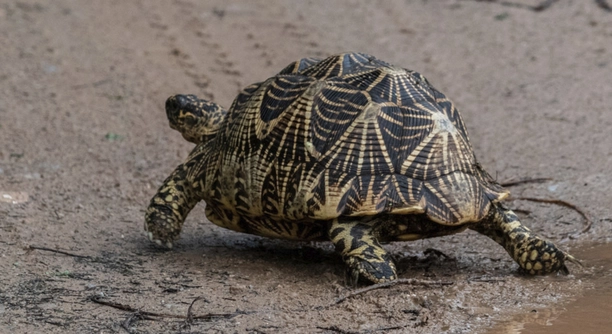
Star tortoises are known for their slow and steady movements, but sometimes they could use a little extra encouragement to stay active. If you’ve noticed your tortoise being less mobile than usual, it’s time to make a change.
Encouraging a star tortoise to be more active can be achieved by providing an enriched environment, optimizing its diet, and ensuring it has enough space to roam. Regular interaction and proper heating also play essential roles in promoting physical activity.
There are simple ways to improve your tortoise’s daily routine. With a few adjustments, your star tortoise can become more energetic and healthy in no time.
Create an Enriched Environment
Providing a stimulating environment is one of the best ways to encourage your star tortoise to stay active. Tortoises are naturally curious, so adding objects like rocks, tunnels, or branches for climbing can spark their interest. An enriched habitat helps prevent boredom, which can lead to inactivity. Be sure to include different textures and hiding spots to engage them mentally and physically. This variety makes it easier for your tortoise to explore, promoting more movement throughout the day.
Adding some live plants to the enclosure can also boost activity. Choose non-toxic plants for your tortoise to nibble on and interact with. This encourages foraging behavior, which keeps your tortoise moving. Changing the layout every now and then can also help by introducing fresh challenges for your star tortoise to explore.
A large enclosure is important too. The more space your tortoise has, the more it can move and explore. Providing a spacious, varied environment not only helps keep your tortoise active, but it also contributes to their overall health.
Offer a Balanced Diet
A proper diet can greatly impact your star tortoise’s energy levels. Ensuring that they get the right balance of vegetables, fruits, and occasional protein sources is key.
Feeding your star tortoise the right foods can help fuel its energy and keep it active. Foods high in fiber like grasses and leafy greens should form the bulk of their diet. Additionally, ensure that they have a constant supply of clean water. When they feel nourished, they are more likely to stay active and move around.
Make sure to avoid overfeeding high-calcium foods, as it could lead to health problems. Keeping their meals varied ensures they are getting all the nutrients they need. A healthy tortoise will naturally be more energetic and active.
Provide Adequate Heating
Maintaining the right temperature is essential for your star tortoise’s activity levels. Without proper heat, your tortoise may become sluggish and inactive. Be sure to provide a warm basking spot and a cooler area to let them regulate their body temperature.
Your tortoise needs a basking area around 90-95°F (32-35°C) and a cooler side of 75-80°F (24-27°C) to stay active. If the enclosure is too cold, they will slow down and might even refuse to eat. A consistent temperature gradient will allow your tortoise to move freely between warm and cooler areas, keeping it engaged.
A heat lamp can help maintain the proper warmth, especially if you’re keeping your tortoise indoors. Additionally, providing UVB lighting is crucial for their health and activity. Without it, your star tortoise may become lethargic and lose interest in moving around. Proper lighting supports their overall well-being.
Let Your Tortoise Roam Freely
Giving your star tortoise more freedom to move around outside of its enclosure will help increase its activity. Regular supervised outdoor time allows your tortoise to explore a different environment and be more physically active. It will also enjoy natural sunlight, which is beneficial for both energy levels and health.
Create a safe, enclosed area where your tortoise can roam freely and explore. This gives them the opportunity to wander, forage, and dig, which are natural behaviors that encourage physical activity. Avoid using too much space in the area that could be too large or too small for your tortoise to feel comfortable.
If you don’t have access to an outdoor space, consider setting up a safe indoor area with obstacles or items to encourage exploration. Rotating these objects occasionally will help keep things fresh and interesting for your star tortoise, leading to more physical movement.
Offer Regular Interaction
Spending time with your star tortoise can help boost its activity levels. Handling your tortoise gently and allowing it to explore outside its enclosure can stimulate movement. Interaction also strengthens the bond between you and your tortoise, which can encourage more behavior from them.
When interacting with your tortoise, avoid being too forceful. Let it move at its own pace and explore the space. Gently guide it around if necessary, but always respect its boundaries. This interaction encourages your tortoise to become more active and curious.
Maintain Proper Hydration
Proper hydration is important for your star tortoise’s overall health and energy levels. Ensure it has access to clean water at all times. Dehydration can lead to lethargy, which makes your tortoise less likely to move around.
Regularly change the water to keep it fresh, and make sure your tortoise can drink easily. Sometimes a shallow water dish or misting the tortoise can also encourage it to stay hydrated. Always check that the water is at the right temperature, as water that is too cold or too hot can discourage drinking.
Control Stress Levels
Stress can make your star tortoise inactive. Try to keep the environment calm and quiet, free from loud noises or disturbances. A stressed tortoise will retreat into its shell, leading to less movement.
Providing a predictable and safe environment can help reduce stress. Also, avoid sudden changes to their habitat, as this can make your tortoise feel insecure and reluctant to move around. Creating a consistent routine will encourage a healthier, more active tortoise.
FAQ
Why is my star tortoise so inactive?
Your star tortoise may be inactive due to several factors. Improper temperature, lack of space, or insufficient enrichment can lead to lethargy. If the enclosure is too cold or doesn’t have enough space for the tortoise to roam, it may not be as active. Similarly, boredom from a lack of objects to climb or explore could also contribute to inactivity. Make sure the habitat provides a proper temperature gradient, is spacious, and has a variety of items for your tortoise to interact with.
What temperature should my star tortoise’s habitat be?
Star tortoises need a temperature gradient in their habitat. The basking spot should be around 90-95°F (32-35°C), while the cooler side should be about 75-80°F (24-27°C). This range allows them to regulate their body temperature and stay active. If the enclosure is too cold, the tortoise may become sluggish and stop moving around. Ensure you have a reliable heat source and use a thermometer to maintain these temperatures.
Can a star tortoise be kept with other pets?
Star tortoises are solitary creatures and do best when housed alone. Keeping them with other pets, especially more active or larger animals, can lead to stress and injury. Other animals may also be attracted to the tortoise’s food or territory, making the tortoise feel unsafe. If you want your tortoise to be more active, provide a large, secure space for it to explore by itself.
How can I make sure my star tortoise gets enough exercise?
Providing enough exercise for your star tortoise involves creating an environment that encourages movement. A spacious enclosure with climbing opportunities, hiding spots, and objects for your tortoise to interact with can make a significant difference. You can also give your tortoise outdoor time in a safe, secure area to help it explore naturally. Avoiding overfeeding can help as well—if your tortoise isn’t moving much, it may not need as much food.
How often should I feed my star tortoise?
Star tortoises should be fed 3-4 times a week, offering a variety of vegetables, grasses, and occasional fruits. Overfeeding can cause lethargy, so ensure you are offering the right amount of food according to its size and age. Adults generally need less food than younger tortoises. If your tortoise seems less active, it could be a sign of overfeeding, or it may need more space to move around.
What type of lighting does my star tortoise need?
Star tortoises need UVB lighting to help them process calcium properly. Without UVB light, they can suffer from metabolic bone disease, which can cause weakness and inactivity. A good UVB light should be placed over their basking area, ensuring they get around 10-12 hours of light a day. Make sure the bulb is replaced regularly, as UVB output decreases over time, even if the light still works.
How do I know if my star tortoise is stressed?
Stress can cause a star tortoise to become inactive or withdrawn. Signs of stress include hiding in its shell for long periods, not eating, or showing signs of aggression. Sudden changes in the environment or handling too frequently can cause stress. Try to create a consistent, quiet habitat where your tortoise feels safe, and limit disturbances to reduce stress.
Can I train my star tortoise to be more active?
Training a star tortoise involves making its environment more stimulating and rewarding. For example, you can use food as a motivator to get your tortoise to move around or explore different areas of its habitat. However, tortoises are not as responsive to training as some other pets, so it’s important to create an environment that naturally encourages movement rather than relying on training techniques.
Is it normal for my star tortoise to sleep a lot?
It’s normal for star tortoises to sleep a lot, especially at night. They are diurnal animals, meaning they are awake during the day and sleep at night. However, if your tortoise seems unusually lethargic or stays hidden for long periods during the day, it could be a sign of an underlying health issue, such as incorrect temperatures or an improper diet. Always check your tortoise’s environment if it’s behaving differently.
How do I help my star tortoise lose weight?
If your star tortoise is overweight, it’s important to reduce the amount of food and encourage more activity. Overfeeding, particularly with high-calcium or fatty foods, can lead to obesity. Make sure you are providing a balanced diet that is appropriate for your tortoise’s age and size. Also, increase their activity by providing more space and environmental enrichment. Regular outdoor time will help them get more exercise and shed any extra weight.
Should I bathe my star tortoise?
Bathing your star tortoise can help keep it hydrated and may encourage movement. Gently place your tortoise in lukewarm water for about 15-20 minutes, allowing it to soak and drink. This is especially important if your tortoise isn’t drinking enough on its own. Regular bathing can also help with shedding and overall health. However, make sure the water isn’t too deep or too hot, as this could stress the tortoise.
Can I feed my star tortoise fruits?
Star tortoises can have fruits, but only occasionally. Fruits should not be the main part of their diet. Offering too many sugary fruits can cause digestive issues and lead to inactivity. Stick with high-fiber, low-sugar fruits like berries or melon, and limit them to once or twice a week. Most of their diet should consist of leafy greens, grasses, and edible flowers.
Final Thoughts
Encouraging a star tortoise to be more active doesn’t require drastic changes, but small adjustments to their environment and care routine can make a big difference. One of the simplest ways to get your tortoise moving is by ensuring they have enough space to roam. A larger enclosure filled with different textures and climbing opportunities will naturally encourage more physical activity. Tortoises are curious creatures, and they are more likely to move if there is something to explore. Adding objects like rocks, branches, and plants can keep them engaged and motivated to move around.
Temperature and lighting play a crucial role in your tortoise’s activity levels. Without the right heat, your tortoise may become sluggish and unresponsive. Providing a proper temperature gradient, with a basking area around 90-95°F (32-35°C), will help your tortoise stay active. UVB lighting is also essential for their health, as it supports calcium absorption and overall well-being. With the right environment, your star tortoise will be able to regulate its body temperature and remain active, engaged, and healthy. Make sure that your setup meets these basic needs, and your tortoise will likely become more energetic.
Diet, hydration, and regular interaction also contribute to your tortoise’s activity levels. A well-balanced diet rich in fiber, vegetables, and occasional fruits will give your tortoise the energy it needs to explore its habitat. Dehydration can lead to inactivity, so always provide fresh water. Additionally, spending time with your tortoise, whether by offering outdoor time or simply handling them gently, can encourage them to move more. By paying attention to these factors, you can support your tortoise in staying active and healthy for years to come.

Hello,
If you enjoy the content that we create, please consider saying a "Thank You!" by leaving a tip.
Every little bit helps us continue crafting quality advice that supports the health, happiness, and well-being of pets around the world, for pets of all shapes, sizes, and species.
We really appreciate the kindness and support that you show us!