
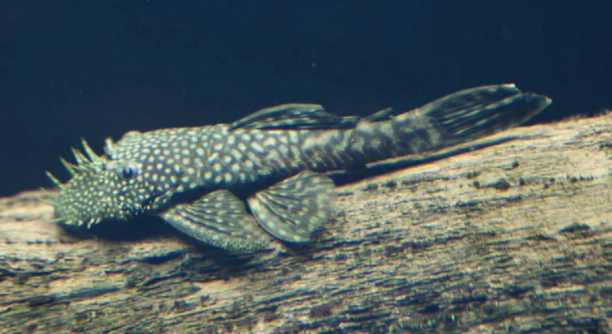
Your pleco may seem healthy at first glance, but subtle signs can indicate that its diet is missing an essential component. Fiber is crucial for proper digestion and maintaining overall well-being in these freshwater fish.
A lack of fiber in plecos can lead to slowed digestion, malnutrition, and irregular bowel movements. Ensuring a diet rich in fibrous vegetables and algae-based foods supports gut health, nutrient absorption, and prevents long-term digestive complications.
Recognizing these early signs can help you adjust your pleco’s diet before more serious health issues arise. Careful observation ensures your aquatic companion thrives in its tank environment.
Pale or Dull Coloring
When a pleco lacks fiber, you might notice its colors appearing less vibrant than usual. Healthy plecos typically display rich, deep patterns, but without enough fiber in their diet, their natural hues can fade. Fiber supports proper digestion, which in turn allows nutrients and pigments from food to be effectively absorbed. A diet heavy in protein alone, without fibrous vegetables or algae, can lead to dull skin and fins. Over time, this can affect the fish’s overall health, making it more susceptible to stress and disease. Providing a variety of fibrous vegetables, such as zucchini, spinach, or cucumber, can help restore its natural coloring. Algae wafers and plant-based pellets also supply essential fiber while promoting digestive efficiency. Monitoring color changes regularly is a simple way to detect dietary deficiencies early. Adjusting the diet promptly can lead to noticeable improvements in both appearance and vitality, keeping your pleco healthy and active in the tank environment.
A change in your pleco’s coloration signals the need for a more balanced diet. Fiber-rich foods help maintain bright, healthy skin.
Consistent attention to dietary intake and careful inclusion of vegetables and algae can bring your pleco back to vibrant, lively colors, ensuring it thrives both physically and behaviorally.
Irregular Bowel Movements
Plecos lacking fiber often have trouble producing regular, healthy waste. Their stools may appear small, stringy, or even infrequent.
Monitoring your pleco’s waste is a key indicator of digestive health. Fiber plays a critical role in moving food through the gut efficiently, preventing blockages and constipation.
Without sufficient fiber, the digestive system slows down, causing food to remain longer in the intestines. This can lead to bloating, discomfort, and stress for the fish. Over time, chronic constipation may affect nutrient absorption, resulting in weight loss or reduced growth. Including fibrous vegetables like cucumber, zucchini, and peas can improve stool consistency, helping the fish maintain normal digestive function. Algae wafers and plant-based pellets are also beneficial because they are easier to digest while providing necessary fiber. Adjusting feeding routines and balancing the diet with both protein and plant-based foods ensures a healthier gut. Observing changes in bowel movements and acting promptly can prevent long-term complications, supporting the pleco’s overall well-being and activity levels in the tank.
Loss of Appetite
A pleco that lacks fiber may start ignoring foods it normally enjoys. This often happens because digestive discomfort makes feeding less appealing.
When fiber is insufficient, digestion slows down, leaving the fish feeling full or uncomfortable. Over time, a consistent lack of appetite can lead to weight loss and nutrient deficiencies. Including fibrous vegetables like zucchini, cucumber, and leafy greens stimulates proper digestion and encourages normal feeding habits. Algae wafers and plant-based pellets also provide fiber, helping regulate the gut and support overall health. Adjusting the diet gradually can help restore interest in eating and prevent long-term health issues.
Maintaining a balanced diet with fiber-rich foods supports both the pleco’s digestive system and appetite. Paying attention to feeding patterns ensures the fish receives necessary nutrients while staying active and healthy.
Lethargy and Reduced Activity
Fiber deficiency often results in lower energy levels. A pleco may rest more and move less, signaling digestive stress.
Insufficient fiber slows the digestive process, which can reduce nutrient absorption and energy availability. Over time, this lack of energy can lead to minimal swimming, less exploration, and decreased interaction with its environment. Incorporating vegetables, algae, and plant-based pellets improves digestion and nutrient intake, helping the fish regain vitality. Monitoring activity levels daily allows early detection of potential dietary problems, making adjustments easier and more effective.
Providing fiber not only supports digestion but also promotes normal activity and responsiveness. Balanced nutrition ensures that your pleco maintains energy for natural behaviors, growth, and overall tank health.
Swollen Abdomen
A pleco lacking fiber may develop a visibly swollen abdomen. This is often caused by slow digestion and food buildup in the gut.
Regular inclusion of fibrous vegetables and algae helps regulate digestion, reducing bloating and discomfort. A balanced diet keeps the abdomen firm and the fish healthy.
Excessive Scraping or Rubbing
Plecos may scrape or rub against tank surfaces when digestion is uncomfortable. This behavior can signal irritation caused by low fiber intake.
Providing fibrous foods, such as zucchini, cucumber, and leafy greens, eases digestion and reduces the need for this behavior. Observing these actions can help you identify dietary adjustments promptly.
Weight Loss
Without enough fiber, plecos may lose weight despite appearing to eat normally. Poor nutrient absorption from low-fiber diets often causes this.
Regularly offering plant-based foods and algae ensures better digestion, nutrient uptake, and helps maintain a healthy, stable weight.
How can I tell if my pleco is not getting enough fiber?
Signs of fiber deficiency in plecos include irregular bowel movements, swollen abdomen, dull coloring, loss of appetite, and lethargy. Observing your pleco daily helps detect early problems. Small changes in behavior, such as reduced swimming or scraping against surfaces, may also indicate digestive discomfort caused by insufficient fiber.
What foods provide enough fiber for plecos?
Fibrous vegetables like zucchini, cucumber, peas, and spinach are excellent sources. Algae sheets or wafers also supply fiber while being easy to digest. Combining these with a balanced diet that includes protein ensures proper nutrient absorption and maintains digestive health. Rotating vegetables and algae prevents boredom and encourages regular eating.
How often should I feed fibrous foods to my pleco?
Including fiber-rich foods every day or at least several times per week is ideal. Small, frequent portions improve digestion and prevent bloating. Overfeeding protein-heavy foods without fiber can slow digestion, so balance is essential. Observing stool consistency helps determine if the current feeding routine is effective.
Can a lack of fiber cause serious health problems?
Yes. Chronic fiber deficiency can lead to constipation, malnutrition, weight loss, and digestive blockages. Over time, these issues may increase susceptibility to stress and disease. Maintaining a fiber-inclusive diet supports proper gut function, nutrient absorption, and overall health, reducing the likelihood of long-term complications in your pleco.
Is it safe to give my pleco only vegetables and algae?
While vegetables and algae provide essential fiber, plecos also require protein for growth and tissue repair. A balanced diet including plant-based and protein-rich foods ensures optimal health. Too much plant material without protein can lead to slow growth and weakened immune function.
How do I know if my pleco’s digestion is improving?
Improved digestion is often visible through consistent bowel movements, normal stool size, and absence of bloating. Your pleco should also regain energy and show normal swimming and feeding behavior. Regular observation of these signs can confirm the effectiveness of dietary adjustments.
Are all vegetables safe for plecos?
Most leafy greens and soft vegetables are safe, but avoid starchy or overly hard vegetables that are difficult to digest. Cooking or blanching some vegetables can make them easier to eat. Always remove uneaten food to prevent water quality issues.
Can fiber supplements help plecos?
Fiber supplements are generally unnecessary if a varied diet of vegetables and algae is provided. Natural sources of fiber are more effective for digestion and nutrient absorption. Supplements should only be considered under guidance from an experienced aquarist or veterinarian.
How long does it take for a pleco to recover from fiber deficiency?
Recovery depends on the severity of the deficiency. Mild cases can improve within a few days after adjusting the diet, while chronic issues may take weeks. Consistent feeding of fiber-rich foods and monitoring stool and behavior will support steady recovery.
What if my pleco refuses fibrous foods?
Start with small, soft pieces of vegetables or slightly cooked options to encourage eating. Mixing vegetables with algae wafers can also help. Gradually introducing variety increases acceptance and ensures the pleco receives the fiber it needs for proper digestion and overall health.
How important is fiber compared to other nutrients?
Fiber is crucial for digestion and nutrient absorption, complementing protein and vitamins. Without fiber, even a protein-rich diet can lead to digestive problems. Balanced nutrition ensures energy, growth, and long-term health, making fiber an essential part of a pleco’s diet.
Can fiber affect tank cleanliness?
Yes. Proper digestion from fiber-rich foods reduces waste buildup and maintains stool consistency, which helps keep the tank cleaner. Consistent feeding routines and removal of uneaten food also contribute to a healthier tank environment, benefiting all aquatic inhabitants.
Should juvenile plecos receive the same fiber as adults?
Juveniles require slightly more frequent feeding but in smaller amounts. Fiber remains essential for digestive development. Offering soft vegetables and algae ensures proper growth, nutrient absorption, and prevents early digestive issues that could affect health as they mature.
What happens if a pleco gets too much fiber?
Excessive fiber can cause bloating or reduce appetite if it overwhelms the digestive system. Balance with protein and other nutrients is necessary. Observing stool consistency and overall behavior helps maintain an optimal diet and prevents overfeeding fibrous foods.
How can I make fibrous foods more appealing?
Blanching vegetables or combining them with algae wafers can encourage eating. Varying the types of vegetables and providing a mix of textures helps stimulate interest and ensures your pleco receives adequate fiber for proper digestion and energy.
Are algae wafers enough on their own?
Algae wafers provide fiber but should be part of a diverse diet. Combining them with fresh vegetables and occasional protein ensures complete nutrition. Relying solely on wafers can lead to deficiencies in vitamins, minerals, and amino acids over time.
How often should I monitor my pleco for fiber deficiency?
Daily observation of feeding behavior, stool, and activity is ideal. Early detection allows timely dietary adjustments. Noticing subtle changes, such as dull coloring or lethargy, helps prevent chronic digestive issues and ensures your pleco remains healthy and active.
This FAQ section provides practical guidance to maintain a healthy, fiber-rich diet for plecos while addressing common concerns about digestion, appetite, and overall well-being. Regular attention to diet and behavior is essential for their long-term health and vitality.
Word count: 527
Maintaining a healthy diet for your pleco is essential, and fiber plays a significant role in their overall well-being. Fiber supports proper digestion, helps regulate bowel movements, and allows nutrients to be absorbed effectively. Without enough fiber, plecos can experience a range of health issues, including weight loss, lethargy, and digestive blockages. Observing your fish regularly is an important part of ensuring they are getting the nutrients they need. Subtle signs, such as dull coloring, loss of appetite, or reduced activity, can indicate that adjustments to the diet are necessary. By including fibrous foods, like zucchini, cucumber, peas, and algae wafers, you help maintain your pleco’s digestive health while also supporting their energy levels and overall vitality. It is important to remember that fiber is only one part of a balanced diet, and protein, vitamins, and minerals are also necessary for growth and long-term health.
Adjusting your pleco’s diet does not have to be complicated. Introducing vegetables gradually, alongside algae and plant-based pellets, ensures that the fish can adapt to new foods without stress. Blanching or softening harder vegetables can make them more palatable and easier to digest. Regularly monitoring feeding habits and stool consistency can provide clear insight into the effectiveness of dietary changes. A consistent approach allows you to notice improvements in appetite, energy, and digestive function. In addition to diet, maintaining clean water and a stable tank environment contributes to digestive health, as stress and poor water quality can affect eating habits and metabolism. Taking a thoughtful, steady approach to diet and care can prevent the complications associated with fiber deficiency and support your pleco’s long-term well-being in the aquarium.
Even small changes in diet can have a significant impact on a pleco’s health. Ensuring fiber intake is adequate will help prevent bloating, constipation, and other digestive problems, while also encouraging natural behaviors and activity. Observing your fish closely, providing a variety of fibrous vegetables, and combining them with algae and balanced protein sources will create a diet that meets all nutritional needs. Over time, these practices support vibrant coloring, proper weight, and a more energetic fish. Regular care and attention to diet create an environment in which your pleco can thrive, reducing stress and promoting overall health. Maintaining a focus on fiber and nutrition is a practical way to ensure your pleco lives a longer, healthier, and more active life in the tank.
Word count: 407

Hello,
If you enjoy the content that we create, please consider saying a "Thank You!" by leaving a tip.
Every little bit helps us continue crafting quality advice that supports the health, happiness, and well-being of pets around the world, for pets of all shapes, sizes, and species.
We really appreciate the kindness and support that you show us!