
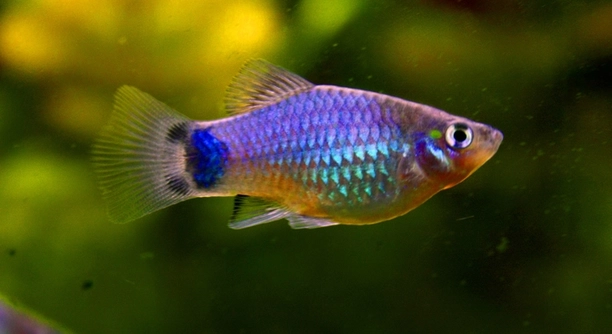
Many people enjoy keeping platies as colorful, active pets in their home aquariums. These small fish are usually lively swimmers, brightening up any tank. But sometimes, a platy may suddenly stop swimming or move very little.
If your platy stops swimming, it could be due to stress, illness, poor water quality, or lack of oxygen. Checking the tank conditions and observing your fish closely is essential to identify the cause and take appropriate action quickly.
Knowing how to recognize the signs and respond properly can help protect your platy’s health and bring it back to normal activity. This article will guide you through the most common reasons and solutions.
Common Reasons Why Your Platy Stops Swimming
A platy that suddenly stops swimming may be reacting to stress or illness. Poor water quality is a leading cause, as high ammonia or nitrite levels can quickly harm fish. Temperature changes or sudden shifts in the environment may also shock your platy. Illnesses like swim bladder disease affect balance and movement, making the fish float or sink without control. Parasites and infections can cause lethargy, too. Sometimes, lack of oxygen in the water forces the fish to stay still near the surface. Observing any changes in behavior, appearance, or breathing can help you catch problems early. Consistent tank maintenance and water testing are vital for keeping your platy healthy and active.
Taking action early often improves your platy’s chances of recovery and prevents further complications.
Knowing the most common issues makes it easier to spot signs and react quickly to help your fish.
How to Improve Water Quality for Your Platy
Water quality is essential for a platy’s well-being. Regular water changes, about 20% weekly, help keep toxins low. Use a water test kit to check ammonia, nitrite, nitrate, and pH levels frequently. The ideal temperature for platies is between 72°F and 78°F. Avoid overcrowding the tank, as this increases waste and stress. Proper filtration helps remove harmful substances and keeps the water clear. Adding live plants can also improve oxygen levels and create a more natural environment. Clean the tank decorations and substrate gently to prevent buildup of waste. By maintaining clean, stable water, your platy will feel comfortable and swim actively again. Consistent care makes a big difference in preventing problems.
Signs of Illness in Your Platy
When a platy is sick, it often stops swimming and hides. Look for signs like clamped fins, faded colors, or unusual spots. Rapid breathing or gasping at the surface may also mean trouble.
If your platy shows these signs, it may have a bacterial or fungal infection, or parasites. These issues weaken fish and affect their swimming. Early treatment with proper medication can help. It’s important to isolate the sick fish to prevent spreading illness to others. Keep the tank clean and monitor water conditions closely during this time.
A stressed or weak platy is more vulnerable to illness. Poor water quality and sudden changes increase this risk. Providing a stable environment with clean water and balanced nutrition supports your fish’s immune system. Paying attention to small changes can save your platy’s life and keep your tank healthy.
Helping a Platy with Swim Bladder Issues
Swim bladder problems cause fish to lose balance and float oddly. This often happens from overeating or constipation. Fasting your platy for a day or two can ease this condition. Feeding peas (shelled and softened) helps clear the digestive system and relieve pressure on the swim bladder.
If symptoms persist, water quality should be checked and improved immediately. A clean tank with stable temperature supports healing. Avoid sudden movements or loud noises around the aquarium to reduce stress. Swim bladder issues can improve with care, but severe cases may require veterinary advice or medication. Consistent observation is key to knowing when your platy is getting better.
Reducing Stress in Your Platy
Stress can cause a platy to stop swimming and hide. Keep the tank environment calm and avoid sudden changes.
Providing plenty of hiding spots and gentle water flow helps your platy feel safe.
Checking Oxygen Levels in the Tank
Low oxygen makes fish lethargic and less likely to swim. Aerate the tank with an air pump or add live plants to increase oxygen naturally. Proper water circulation also improves oxygen distribution. Regularly monitoring oxygen helps prevent problems.
Feeding Tips for a Healthy Platy
Feed your platy small amounts two to three times a day. Avoid overfeeding, which can cause digestive problems and swim bladder issues.
When to Seek Professional Help
If your platy doesn’t improve after making changes, consult a vet or fish specialist for diagnosis and treatment.
FAQ
Why has my platy stopped swimming suddenly?
A sudden stop in swimming is often linked to stress, illness, or poor water quality. Changes in temperature or water chemistry can shock your fish. Illnesses like swim bladder disease or infections can make your platy lethargic. It’s important to check the tank conditions and observe your fish closely to find the cause.
How can I tell if my platy is sick?
Look for faded colors, clamped fins, unusual spots, or swelling. Rapid breathing or gasping at the surface also indicate problems. A sick platy may hide more and move less. These signs suggest infections, parasites, or other health issues needing attention.
What is swim bladder disease and how does it affect platies?
Swim bladder disease affects a fish’s ability to control its buoyancy. It causes floating on one side, sinking, or swimming upside down. Overfeeding, constipation, or infections often cause it. Feeding peas and fasting can help mild cases, but severe cases might need treatment.
How do I improve water quality for my platy?
Regular water changes, testing for ammonia, nitrites, and nitrates, and keeping the tank clean are key. Use a good filter and avoid overcrowding. Stable temperature and pH are important. Clean decorations and substrate regularly to prevent buildup.
Can low oxygen cause my platy to stop swimming?
Yes, low oxygen levels make fish lethargic and weak. Aerate the tank with an air pump or add live plants to increase oxygen. Proper water flow also helps distribute oxygen evenly. Monitoring oxygen levels is essential to avoid this problem.
How often should I feed my platy?
Feed small amounts two to three times daily. Overfeeding causes waste buildup and can lead to digestive and swim bladder problems. Remove uneaten food to maintain water quality. Balanced nutrition supports your platy’s health and activity.
What should I do if my platy doesn’t improve?
If your platy remains inactive after improving water quality and care, consult a vet or aquarium specialist. Some diseases need medication or professional diagnosis. Early intervention can save your fish’s life and prevent the illness from spreading.
Is it normal for platies to rest on the bottom sometimes?
Yes, platies may rest on the bottom briefly, especially during sleep or after feeding. However, prolonged inactivity or unusual behavior can signal health problems. Observing their usual habits helps distinguish between rest and illness.
How can I reduce stress for my platy?
Avoid sudden changes in water conditions and keep a calm environment. Provide hiding places like plants or decorations. Gentle water flow and stable lighting also help. Stress weakens the immune system and can lead to sickness.
Can other fish affect my platy’s swimming behavior?
Aggressive or overly active tank mates can stress platies, causing them to hide or stop swimming. Ensure your tank has compatible species and enough space for everyone. Watching interactions helps prevent bullying and stress-related issues.
Final Thoughts
Platies are usually active and lively fish that add color and movement to any aquarium. When they stop swimming or act differently, it’s often a sign that something in their environment needs attention. Water quality, temperature, stress, and illness are the most common reasons for this change in behavior. Taking time to observe your platy carefully can help you catch these issues early. Regular maintenance of the tank, including water changes and checking the levels of ammonia, nitrites, and nitrates, is essential to keep your fish healthy. Keeping a clean and stable environment is the best way to prevent many problems.
If your platy shows signs of illness or swim bladder problems, it is important to act quickly. Feeding small amounts of food and sometimes fasting can help digestive issues that affect swimming. Adding peas to their diet can ease constipation and relieve pressure on the swim bladder. Also, making sure the water is well oxygenated and that the tank is not overcrowded reduces stress and supports healing. If you do all these things and your platy does not improve, it may be necessary to seek advice from a veterinarian or fish expert. They can provide treatments that are not available over the counter and help diagnose less obvious health problems.
In the end, the key to helping a platy that stops swimming lies in careful observation and quick action. Being familiar with your fish’s usual behavior makes it easier to notice when something is wrong. A healthy platy will swim actively and explore the tank, while an unhealthy one might stay still or hide. Remember that changes in behavior are often the first warning signs of trouble. Maintaining good water quality, feeding properly, reducing stress, and knowing when to get professional help will give your platy the best chance to recover and thrive. Taking these steps helps ensure your fish remain a beautiful and lively part of your home aquarium.

Hello,
If you enjoy the content that we create, please consider saying a "Thank You!" by leaving a tip.
Every little bit helps us continue crafting quality advice that supports the health, happiness, and well-being of pets around the world, for pets of all shapes, sizes, and species.
We really appreciate the kindness and support that you show us!