
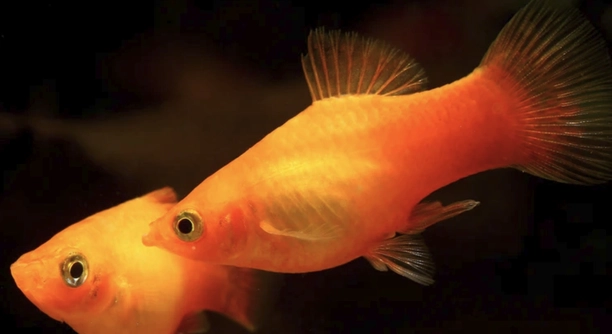
Many aquarium enthusiasts enjoy keeping platies due to their vibrant colors and peaceful nature. However, mixing different platy breeds requires careful consideration to maintain a healthy and harmonious tank environment. Understanding the basics before combining breeds can prevent common problems.
Before mixing platy breeds, it is essential to consider their genetic compatibility, water parameters, and potential aggression levels. Differences in size, temperament, and breeding habits can impact the overall wellbeing of the fish community, requiring thoughtful planning.
Knowing these important factors will help you create a balanced aquarium where your platies can thrive and coexist peacefully. This guide covers key points to help ensure success in mixing platy breeds.
Understanding Genetic Compatibility
Genetic compatibility is crucial when mixing platy breeds. Different breeds may have distinct genetic backgrounds that affect their offspring’s health and appearance. Some combinations can lead to weaker fish or unwanted traits, such as deformities or reduced lifespan. It is important to research the parent breeds and select those with compatible genetics. This helps maintain strong, healthy lines and vibrant colors in the tank. Avoid mixing platies that are too genetically distant, as this may result in unpredictable behaviors or health problems. Selecting compatible breeds also minimizes stress among the fish, promoting a stable community. Paying attention to genetics early on can prevent many common issues in mixed platy tanks.
Understanding genetic compatibility ensures a healthy, stable fish population and helps maintain desired traits within your aquarium. This reduces risks associated with breeding and improves the overall wellbeing of your platies.
Considering genetics before mixing breeds improves breeding outcomes and maintains the quality of your fish population over time.
Water Parameters and Environment
Maintaining consistent water parameters is vital for mixing platy breeds successfully. Different breeds may have slightly varying preferences for temperature, pH, and hardness. It is important to create an environment that suits all breeds present. Sudden changes in water conditions can cause stress and illness, which weakens the fish and increases the chance of disease. Monitoring and adjusting parameters such as temperature between 72-78°F, pH around 7.0, and moderate hardness helps keep platies healthy. Keeping the tank clean and well-filtered supports their immune systems. Additionally, providing ample hiding spots and plants can reduce territorial disputes. Maintaining these stable conditions will promote peaceful coexistence and encourage natural behaviors in your mixed platy community.
Pay close attention to water quality, as it directly impacts the health and happiness of your fish.
Creating a balanced environment is key to keeping your platies comfortable and thriving in a mixed breed tank.
Temperament Differences
Platies generally have a peaceful nature, but temperament can vary among breeds. Some may be more active or territorial than others, which can lead to conflicts in a shared tank.
Understanding these temperament differences helps in choosing compatible breeds. Aggressive or overly dominant platies can stress out more timid ones, leading to poor health or injury. Observe how individual fish behave before mixing them and avoid combining breeds known for territorial disputes. Introducing new fish slowly and monitoring interactions reduces tension. Providing plenty of hiding places also minimizes aggressive encounters. Keeping temperaments balanced encourages a peaceful community where all platies can coexist comfortably without constant stress or competition.
Breeding Considerations
Mixing platy breeds increases the likelihood of crossbreeding, which can affect the traits of offspring. Crossbreeds may not have predictable colors or patterns, which can be undesirable if you want to maintain specific breed standards. If you want to avoid unwanted crossbreeding, consider keeping males and females of only one breed or separating breeds during breeding periods.
Breeding mixed platies can also lead to overcrowding if not managed properly. Platies breed quickly, so be prepared for a growing population. Regularly monitor fry numbers and have a plan for their care or rehoming. Proper tank maintenance and feeding schedules support healthy breeding conditions. Understanding how mixing breeds influences reproduction helps you keep your aquarium balanced and prevent overpopulation problems.
Tank Size Requirements
Mixing platy breeds often requires a larger tank. More space reduces stress and territorial behavior among fish.
A spacious tank helps maintain water quality and supports the needs of all fish. Overcrowding can cause health issues and aggression.
Feeding Habits
Platies have similar diets but may vary slightly in appetite or feeding style. Offering a balanced diet with flakes, pellets, and occasional live food meets their nutritional needs.
Regular feeding routines prevent competition and ensure all fish receive adequate nutrition. Monitoring feeding behavior helps identify any fish struggling to eat.
Disease Prevention
Maintaining a clean tank and quarantining new fish minimizes disease risks. Mixed breeds may carry different vulnerabilities, so vigilance is essential to keep infections from spreading.
Social Behavior
Platies are social fish that thrive in groups. Mixing breeds can enhance social interaction if managed properly.
FAQ
Can different platy breeds live together peacefully?
Different platy breeds can often live together peacefully if their temperaments and environmental needs align. It is important to consider genetic compatibility, water parameters, and tank size. Providing enough space and hiding spots reduces territorial behavior, helping to maintain harmony. However, mixing very aggressive or highly territorial breeds should be avoided to prevent stress and injuries.
What water conditions are best for mixed platy tanks?
Platies generally prefer temperatures between 72°F and 78°F, a neutral pH around 7.0, and moderate water hardness. When mixing breeds, it is important to maintain stable and consistent water conditions within these ranges. Sudden fluctuations can cause stress or illness. Frequent water testing and proper filtration are essential for keeping all fish healthy.
How do I prevent crossbreeding in mixed platy tanks?
Preventing crossbreeding requires separating males and females by breed or removing one sex from the tank. Alternatively, keeping only one breed or using breeding traps can control reproduction. Crossbreeding often results in unpredictable traits and weakened offspring, so managing breeding carefully is important if you want to maintain pure strains.
What size tank do I need for mixing platy breeds?
A minimum tank size of 20 gallons is recommended for mixing multiple platy breeds. Larger tanks allow more space for fish to establish territories and reduce aggressive behavior. Overcrowding should be avoided as it causes stress, poor water quality, and health problems. Adding plants and decorations also creates natural barriers and hiding spots.
How often should I feed mixed platies?
Feeding mixed platies once or twice daily with a balanced diet is sufficient. Include high-quality flakes or pellets along with occasional live or frozen foods like brine shrimp. Observing feeding behavior helps ensure no fish are being outcompeted. Uneaten food should be removed promptly to maintain water quality.
Are mixed platy breeds more prone to disease?
Mixed platy breeds are not inherently more prone to disease, but differences in genetic resistance can affect individual health. Keeping the tank clean, quarantining new fish, and maintaining stable water parameters reduces disease risk. Regular observation helps detect illness early for prompt treatment.
Can temperament issues arise when mixing platy breeds?
Yes, temperament differences can lead to aggression or stress if incompatible breeds are mixed. Some platies may be more active or territorial, causing conflict. Careful breed selection, adequate tank size, and sufficient hiding spaces help minimize these problems. Monitor fish behavior closely after introducing new breeds.
How do I manage population growth in mixed platy tanks?
Platies breed quickly, so population control is important. Separate sexes or reduce the number of males to slow breeding. Regularly remove excess fry or prepare a plan to care for them. Overpopulation strains water quality and can increase aggression, so proactive management is necessary.
What should I do if aggression occurs in a mixed platy tank?
If aggression appears, try increasing tank size or adding more hiding places. Sometimes rearranging decorations can break up territories. Removing overly aggressive fish may be necessary to protect others. Reducing stress by maintaining good water quality and a consistent environment also helps keep aggression low.
Is it possible to maintain specific color patterns when mixing platy breeds?
Maintaining specific color patterns is difficult with mixed breeds due to crossbreeding. Offspring often display a mix of colors and patterns. For consistent appearance, it is best to breed platies within the same strain. Otherwise, expect more variation in future generations.
Mixing platy breeds can be a rewarding experience if done thoughtfully. It requires careful consideration of genetics, temperament, and environmental needs. By paying attention to these factors, you can create a healthy and peaceful aquarium where your platies thrive. Understanding each breed’s unique requirements helps avoid common problems such as aggression, illness, or weak offspring. Taking time to research and plan your tank setup improves the chances of long-term success.
A stable environment with consistent water parameters and enough space is essential when housing mixed platies. Overcrowding and poor water quality often cause stress and disease, which can lead to loss of fish. Providing hiding spots and plants helps reduce territorial disputes and creates a natural setting for your fish. Feeding a balanced diet and maintaining a regular routine ensures all platies receive proper nutrition. Regular monitoring of water conditions and fish behavior allows early detection of any issues.
Remember that breeding mixed platies may result in unpredictable offspring, so managing population growth is important. Separating breeds during breeding or limiting the number of males can prevent overcrowding. Keeping your tank clean and quarantining new fish helps reduce disease risks. By following these guidelines and staying attentive to your platies’ needs, you can enjoy a vibrant and balanced aquarium filled with healthy, happy fish.

Hello,
If you enjoy the content that we create, please consider saying a "Thank You!" by leaving a tip.
Every little bit helps us continue crafting quality advice that supports the health, happiness, and well-being of pets around the world, for pets of all shapes, sizes, and species.
We really appreciate the kindness and support that you show us!