
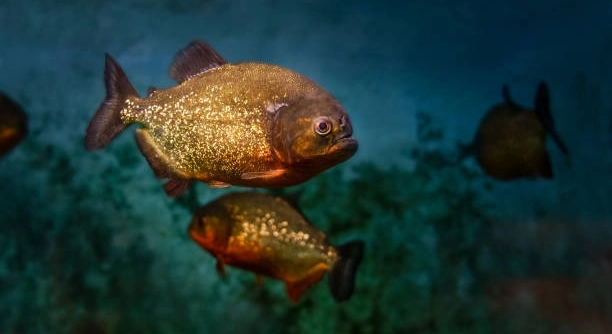
Your piranha suddenly losing scales can be concerning for any fish owner. Scales are important for protection and health, so noticing missing scales calls for attention. This article provides practical advice on how to care for your piranha in such situations.
Missing scales on a piranha often indicate injury, infection, or poor water conditions. Immediate steps include improving water quality, isolating the affected fish if needed, and seeking veterinary guidance to prevent further damage and promote healing.
Understanding what causes scale loss and how to address it will help maintain your piranha’s health and well-being. This guide offers clear actions to support your fish through recovery and prevent future problems.
Causes of Scale Loss in Piranhas
Scale loss in piranhas can happen for several reasons. Physical injury is common, often caused by rough handling, tank decorations, or aggression from other fish. Poor water quality is another major factor. High ammonia, nitrite, or nitrate levels can irritate the skin and scales, causing them to fall off. Bacterial or fungal infections may also contribute to scale loss, weakening the skin’s surface. Stress from sudden changes in environment or diet can make a piranha more vulnerable to these problems. It is important to observe your tank regularly and keep conditions stable to prevent scale issues. Recognizing these causes early allows for quicker action and better care for your fish.
Missing scales may also be linked to nutritional deficiencies or parasites, though these are less common. Maintaining a balanced diet and regular tank cleaning can reduce these risks effectively.
Proper tank maintenance and careful observation help identify the reasons behind scale loss. This knowledge guides effective treatment and prevention, keeping your piranha healthy.
Improving Water Quality to Protect Scales
Water quality is vital for piranha health. Regular water testing and changes keep harmful chemicals low.
Maintaining ideal water parameters is crucial. Use a reliable test kit to check ammonia, nitrite, and nitrate levels weekly. These should be kept at zero or near zero to avoid stress and scale damage. Perform partial water changes of 25-30% weekly to remove toxins and replenish minerals. Avoid overcrowding the tank, as it increases waste and pollution, further harming scales. Proper filtration and aeration support a stable, healthy environment. If you notice any signs of illness or scale loss, increasing water changes and monitoring parameters closely can help your piranha recover faster. Clean water reduces the risk of infections and promotes natural healing of the damaged skin.
Ensuring good water quality creates a protective environment where your piranha’s scales can regenerate and stay intact.
Treating Injuries and Infections
If your piranha has lost scales due to injury or infection, prompt treatment is necessary. Begin by isolating the affected fish in a quarantine tank to prevent the spread of disease and reduce stress. Clean the quarantine tank thoroughly and maintain excellent water quality. For minor injuries, salt baths using aquarium salt can help reduce infection risk and promote healing. In case of bacterial or fungal infections, appropriate medications should be used based on diagnosis from a fish health expert. Avoid overmedicating, as this can harm your piranha further. Always follow dosage instructions carefully. Monitor your piranha daily for improvement or worsening symptoms. Providing a nutritious diet rich in vitamins and minerals supports the immune system during recovery. Patience is essential, as scales take time to regrow, but with proper care, your piranha can regain full health.
Preventing Future Scale Loss
Preventing scale loss begins with proper tank care. Consistent maintenance and a stable environment reduce risks.
Regularly check water parameters, including ammonia, nitrite, and nitrate, to keep levels safe. Avoid sudden changes in temperature or water chemistry, as these stress piranhas and can cause scale loss. Provide hiding spots and enough space to minimize aggression between fish. Feeding a balanced diet rich in vitamins supports skin and scale health. Avoid overcrowding the tank, which can lead to physical damage and poor water quality. Observing your piranha’s behavior daily helps catch problems early. Promptly address any signs of illness or injury to prevent worsening conditions.
Proper tank setup and routine care form the foundation for a healthy fish with intact scales. Preventing issues is always easier than treating them later.
Nutrition’s Role in Scale Health
A balanced diet is essential for maintaining strong scales and overall health. Vitamins and minerals support skin regeneration and immune function. Feeding your piranha high-quality pellets supplemented with live or frozen foods like bloodworms and shrimp provides necessary nutrients. Avoid overfeeding, which can cause water quality problems. Include vitamin-enriched foods or supplements to boost resistance to infections. Poor nutrition weakens scales and makes fish vulnerable to damage. Monitor your piranha’s appetite and adjust feeding amounts accordingly. Healthy feeding habits contribute significantly to your piranha’s ability to heal and maintain its protective outer layer.
Monitoring Behavior Changes
Changes in your piranha’s behavior can signal health issues. Watch for signs like lethargy, loss of appetite, or hiding more than usual.
Sudden aggression or unusual swimming patterns may also indicate stress or injury. Early detection helps prevent further scale loss and illness.
When to Consult a Veterinarian
If scale loss continues despite proper care, a veterinarian’s advice is necessary. They can diagnose infections or underlying diseases and recommend treatment.
Ignoring persistent scale loss can lead to serious health problems or death. Professional help ensures your piranha receives appropriate care and medication when needed.
Tank Environment Adjustments
Adjusting the tank environment may reduce scale loss. Remove sharp decorations and provide adequate hiding places to prevent injuries.
Keeping the tank clean and well-filtered supports healing and reduces infection risks.
FAQ
Why is my piranha losing scales suddenly?
Sudden scale loss usually results from injury, poor water quality, or infection. Physical damage can occur from rough tank decorations, fighting with other fish, or handling. Poor water conditions irritate the skin and weaken scales. Infections, whether bacterial or fungal, can cause scales to fall off. Stress from changes in environment or diet can also contribute. Observing tank conditions and your piranha’s behavior helps identify the cause.
How can I tell if my piranha has an infection?
Signs of infection include redness or inflammation around missing scales, white or fuzzy patches on the skin, sluggish movement, and loss of appetite. Infected areas may look swollen or ooze fluids. If these symptoms appear, immediate action with quarantine and treatment is necessary to prevent spread and further damage.
What water parameters are best for piranhas?
Ideal water conditions include a temperature between 75°F and 82°F (24°C–28°C), pH of 6.5 to 7.5, and ammonia and nitrite levels at zero. Nitrate should be kept below 20 ppm. Stable water quality with regular testing and partial water changes prevents stress and scale loss.
Can I treat scale loss at home?
Minor scale loss from injuries can sometimes be treated at home with salt baths and improving water quality. However, infections require medication prescribed by a vet or specialist. Avoid overmedicating and follow instructions carefully to avoid harming your piranha further.
Should I isolate a piranha with missing scales?
Isolation helps reduce stress and prevents potential infection spread. Quarantining the affected fish in a clean, well-maintained tank allows for easier monitoring and treatment. Keep water parameters ideal and avoid overcrowding during recovery.
How long does it take for piranha scales to grow back?
Scale regeneration depends on the severity of the injury and overall fish health. It usually takes several weeks to a few months for scales to fully regrow. Providing proper nutrition, clean water, and stress-free conditions supports faster healing.
Does diet affect scale health?
Yes. A balanced diet rich in vitamins and minerals strengthens scales and skin. Feeding high-quality pellets along with live or frozen foods ensures proper nutrition. Vitamin supplements may be necessary if your piranha shows signs of deficiency.
Can tank mates cause scale loss?
Aggressive or territorial fish can injure your piranha, causing scale damage. Ensure compatible tank mates and provide enough space and hiding spots to reduce fighting. Monitoring interactions regularly helps catch issues early.
What should I avoid to prevent scale loss?
Avoid overcrowding, sharp decorations, poor water quality, and sudden environmental changes. Handle your piranha gently and maintain a stable routine for feeding and cleaning. These precautions minimize stress and physical damage to scales.
Is scale loss a sign of a serious problem?
Not always, but it can be. Mild scale loss from injury may heal with care. However, persistent or worsening scale loss often indicates infection or poor living conditions. Timely attention and treatment are essential to avoid serious health risks.
Final Thoughts
Taking care of a piranha that is missing scales requires attention and patience. Scale loss can happen for several reasons, including injury, poor water quality, or infection. It is important to identify the cause as early as possible to prevent further damage. Regular observation of your fish and its environment helps catch problems before they get worse. Keeping the tank clean, maintaining proper water parameters, and avoiding overcrowding are basic but essential steps in protecting your piranha’s scales. These actions create a healthy space where your fish can recover and thrive.
Treatment and prevention go hand in hand when managing scale loss. For minor injuries, improving water quality and using gentle treatments such as salt baths may be enough. More serious conditions like infections require medication and sometimes veterinary advice. Isolation of the affected fish helps reduce stress and prevents spreading illness to other fish in the tank. Feeding a balanced diet with the right vitamins supports the healing process and strengthens the fish’s natural defenses. With consistent care, piranhas can often regrow their scales and return to good health over time.
Finally, patience is essential in this process. Scale regeneration does not happen overnight, and rushing treatment or making frequent changes to the tank can cause more harm than good. It is important to maintain stable conditions and monitor your fish regularly. Avoid overcrowding and aggressive tank mates that might cause further injury. By following these simple but effective steps, you provide the best chance for your piranha to recover fully. Healthy scales are a sign of a healthy fish, and keeping your piranha comfortable will ensure its long-term well-being.

Hello,
If you enjoy the content that we create, please consider saying a "Thank You!" by leaving a tip.
Every little bit helps us continue crafting quality advice that supports the health, happiness, and well-being of pets around the world, for pets of all shapes, sizes, and species.
We really appreciate the kindness and support that you show us!