
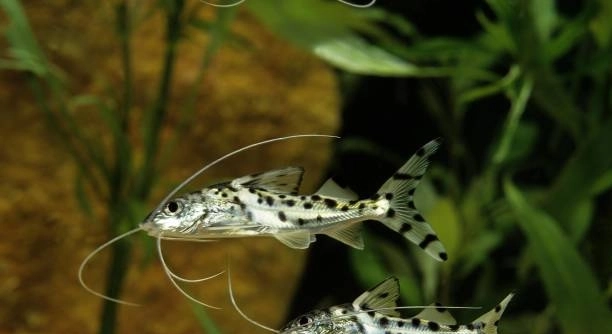
Do you ever find yourself unsure how to set up your tank so your Pictus catfish can feel safe and thrive in it?
The most effective tank layouts for Pictus catfish include a mix of hiding spots, open swimming areas, and a soft substrate. These setups mimic their natural environment, reduce stress, and support healthy, active behavior in home aquariums.
Whether you’re starting fresh or just need a few updates, these layout ideas are designed to keep your Pictus happy and your tank looking great.
Layout 1: Simple Sand Base with Driftwood
A basic setup with fine sand and a few pieces of driftwood is one of the easiest ways to support your Pictus catfish. These fish like to dig and explore, and sand helps protect their delicate barbels from damage. Driftwood provides shaded spots and hiding places, which helps lower their stress levels. Keep the layout open in the middle to give them enough space to swim freely. Avoid sharp decorations or gravel, as this can cause injuries. Add a few hardy plants like Anubias or Java Fern to make the space feel more natural without making things too complicated.
This layout works well for both new and experienced keepers. It’s easy to clean and gives your Pictus a safe, calm space.
Using driftwood also helps slightly lower the pH of the water, which Pictus catfish often prefer. Just make sure the wood is properly soaked and cleaned before placing it in the tank.
Layout 2: Rock Caves and Open Swimming Room
Pictus catfish are active swimmers, but they also need places to rest and hide. A setup that combines smooth rock caves and open space allows them to do both comfortably.
Choose flat, smooth rocks and stack them safely to create stable caves where your fish can retreat when they feel stressed. Make sure each opening is large enough for a full-grown Pictus to pass through easily. Pair these caves with a sandy bottom and minimal décor in the center. This keeps their swimming path clear and encourages natural behavior. Use aquarium-safe stones only—nothing sharp or rough. Lighting should be slightly dim, as bright light can cause your fish to stay hidden most of the time. Add some floating plants to reduce light penetration and create a softer, more comfortable atmosphere. This layout is ideal for a tank with more than one Pictus, as it gives each fish enough room and places to hide.
Layout 3: Planted Corners with Central Swim Space
This layout focuses on planting the corners of the tank while keeping the center open for swimming. It helps create a natural look without overcrowding the space your Pictus catfish need to stay active and comfortable.
Use hardy, low-maintenance plants like Java Fern, Amazon Sword, or Cryptocoryne in the corners and along the back wall. These plants offer shelter without blocking movement. Keep the midsection of the tank free from decorations so your Pictus can swim across easily. Choose fine sand as your substrate to protect their sensitive whiskers. You can also use root tabs to feed the plants if needed. Avoid planting too densely, as this can make the tank feel cramped and harder to clean. Stick to a gentle current and add floating plants to provide shade. This layout works best in long tanks with plenty of horizontal space.
The planted corners layout adds greenery while respecting your fish’s habits. Pictus catfish are most active at night, and the plants give them secure spots to retreat to during the day. Spacing out your plantings also allows for better circulation and keeps waste from building up too quickly. If you’re keeping a small group of Pictus, this setup gives each fish enough space and reduces possible stress or territorial behavior.
Layout 4: Natural Riverbed Look
Use smooth river rocks, driftwood, and sand to mimic a natural riverbed. This style helps create a familiar and calming space for your Pictus catfish, especially if they’re shy or easily stressed in new surroundings.
Start with a soft, sandy substrate and layer in a mix of round river stones in different sizes. Add curved pieces of driftwood across the bottom to create a natural flow and form small caves or shaded areas. Keep everything low and stable—your Pictus will explore tight spots, and anything loose can fall or shift. Use minimal lighting and add floating plants for shade. This setup looks good and supports natural behaviors like hiding and foraging. Avoid bright colors or plastic decorations, as they can look out of place and stress the fish. This layout suits tanks that aim for a peaceful, earthy feel without overcomplicating maintenance.
Layout 5: Minimalist with Floating Plants
This setup keeps things simple—just sand on the bottom and a few floating plants above. It’s easy to clean and gives Pictus catfish plenty of room to swim while still offering shade and cover.
Use plants like Water Lettuce or Frogbit to soften the lighting and create a calm feel.
Layout 6: Wood and Stone Mix
Combine smooth stones and driftwood to create a balanced layout. Stack a few stones at one end to form a small cave, and place driftwood across the other side to break up the space. Keep the middle open for swimming. Use a sand base and avoid any sharp objects. This mix works well in tanks with more than one Pictus, as it allows each fish to claim its own corner. Driftwood helps slightly lower pH, and stones give extra hiding options. Keep decorations stable and spaced out to prevent injury and make cleaning easier.
Layout 7: Divided Zones
Split the tank into two sections: one with cover and one that’s open. This gives Pictus catfish a clear choice between resting and swimming freely.
FAQ
What is the best tank size for Pictus catfish?
A single Pictus catfish needs at least a 55-gallon tank. They are very active swimmers and need plenty of horizontal space. If you want to keep more than one, aim for at least a 75-gallon tank. Cramped tanks cause stress, aggression, and health issues. Longer tanks are better than tall ones because Pictus catfish prefer to swim along the bottom and middle levels. Even though they are small in size compared to other catfish, their energy levels make space more important than volume alone. Always plan based on their movement, not just their length.
Can Pictus catfish live with other fish?
Yes, but choose tank mates carefully. Pictus catfish are peaceful but can eat very small fish like neon tetras. They do best with similarly sized or slightly larger fish that are also non-aggressive. Good choices include silver dollars, rainbowfish, and peaceful cichlids. Avoid slow-moving or long-finned fish, as the Pictus might become curious and nip at them. Also, avoid aggressive or territorial tank mates. Make sure your tank has hiding spots and enough room to reduce tension. Keeping them in a group of three or more can help spread out any social stress.
Do Pictus catfish need hiding spots?
Yes, hiding spots are essential. Pictus catfish are nocturnal and become active mostly at night. During the day, they prefer to rest in caves or behind decorations. A tank without enough hiding spaces will stress them out, which weakens their immune system. Use driftwood, smooth rocks, or PVC pipes to build hiding areas. Spread them around the tank so each fish can find its own space. Even though they are active, they still need somewhere to feel safe. Well-planned hiding areas also reduce aggression between tank mates.
What kind of substrate should I use?
A fine, soft sand substrate is the best choice for Pictus catfish. They use their barbels (whiskers) to search for food along the bottom. Gravel or sharp sand can damage these sensitive barbels and lead to infections. Avoid anything with rough or jagged edges. Pool filter sand or aquarium-safe soft sand works well. Also, be mindful of waste buildup—Pictus are messy eaters, and debris can settle in the sand. Regular vacuuming and good water flow will help keep the substrate clean without disturbing the fish too much.
How strong should the water flow be?
Pictus catfish are used to moderate currents, similar to what you’d find in a river. They enjoy swimming against the flow, so a filter that creates gentle to moderate movement is ideal. Avoid extremely strong flow, especially near resting areas, as it can tire them out. Use a canister filter or a sponge filter with a powerhead to create balanced circulation. Make sure water flow doesn’t blow substrate around or make it hard for the fish to stay in one spot. Floating plants or driftwood can help soften flow where needed.
Do Pictus catfish eat plants?
No, Pictus catfish don’t eat live plants. They may dig around the roots while searching for food, but they aren’t plant-eaters. Choose hardy plants that can handle occasional movement or disturbance. Java Fern, Anubias, and Amazon Sword are good options. Attach them to driftwood or rocks to keep them in place. Avoid fragile plants that uproot easily. Using floating plants is also helpful because they reduce light and make the environment feel more natural for the fish.
How often should I feed them?
Feed Pictus catfish once or twice a day. Use sinking pellets, frozen bloodworms, or brine shrimp to make sure food reaches the bottom. They are bottom-feeders, so flake food may go uneaten. Avoid overfeeding, as they tend to eat everything they can find. Overfeeding leads to waste buildup and water quality problems. Give them only what they can eat in two minutes. Adding variety to their diet helps keep them healthy. Clean any leftover food from the tank to avoid ammonia spikes.
Can I keep just one Pictus catfish?
Yes, but it’s not ideal. Pictus catfish are schooling fish and usually feel more secure in groups. However, if your tank size doesn’t allow for multiple fish, a single Pictus can still do fine if the tank is large, well-structured, and has enough hiding places. You’ll need to make sure they’re not kept with fish small enough to be eaten. Watch for signs of stress like hiding all the time or rapid breathing. If these show up, it may be worth rethinking your setup.
Final Thoughts
Setting up the right tank layout for your Pictus catfish is one of the best ways to support their health and comfort. These fish are active, curious, and often a little shy during the day, so it’s important to give them a home that feels safe but also allows them space to swim. Whether you prefer a simple layout or something more detailed, what matters most is that it fits their natural behavior. Fine sand, stable decorations, soft lighting, and a mix of hiding spots and open areas go a long way in keeping them stress-free.
Every fish is a little different, and sometimes you’ll need to make small changes to see what works best in your tank. Maybe your Pictus hides too much, or maybe they seem restless—these signs can help guide small adjustments in your setup. Try moving decorations, adding more cover, or adjusting the lighting. A tank that looks good to us doesn’t always feel comfortable to the fish. With time, observation, and care, it gets easier to notice what helps your Pictus feel calm and active. A balanced tank isn’t just about appearance—it also affects their behavior, appetite, and long-term health.
Lastly, no layout is ever final. Tanks grow and change over time. Plants spread, decorations shift, and fish grow. Regular cleaning, gentle rearranging, and checking in on how your Pictus is acting will help keep your setup working well. If you start simple, it’s easy to add more later as needed. A good tank setup doesn’t have to be expensive or difficult. What matters most is how well it supports your fish’s needs. With the right layout, your Pictus catfish can thrive—active at night, calm during the day, and safe in their space.

Hello,
If you enjoy the content that we create, please consider saying a "Thank You!" by leaving a tip.
Every little bit helps us continue crafting quality advice that supports the health, happiness, and well-being of pets around the world, for pets of all shapes, sizes, and species.
We really appreciate the kindness and support that you show us!