
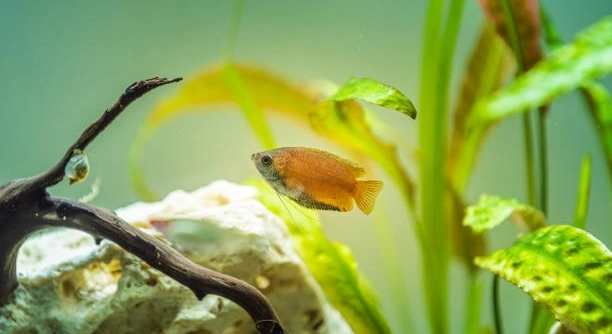
Watching your gourami swim quickly across the tank can be both worrying and puzzling. Rapid pacing often signals stress or discomfort, making it important to observe your fish carefully and understand what might be causing this unusual behavior.
Rapid pacing in gouramis is commonly caused by environmental stressors, poor water quality, or health issues. Ensuring proper tank conditions, regular water changes, and observing for signs of illness are crucial steps in addressing and reducing this behavior effectively.
By identifying the triggers and adjusting your tank setup, you can help your gourami feel more comfortable and calm in its environment.
Common Causes of Rapid Pacing
Gouramis may pace quickly due to stress from their environment or changes in the tank. Sudden loud noises, bright lights, or too much movement around the tank can make them nervous. Poor water quality is another major factor. High levels of ammonia, nitrites, or sudden temperature fluctuations can disturb their comfort. Overcrowding also contributes, especially if the tank is too small for multiple fish. Sometimes, a single gourami may feel territorial or insecure when new tankmates are introduced. Diet can also play a role; insufficient or low-quality food may increase restlessness. Observing your fish daily can reveal patterns, such as pacing after feeding or when the filter runs too strongly. By identifying what triggers the behavior, it becomes easier to make changes that improve your fish’s well-being. Gentle adjustments to their surroundings can calm them over time. Consistency in care is key for reducing rapid swimming behavior and promoting long-term health.
Environmental stress and poor water quality are leading reasons for pacing. Adjusting conditions often reduces this behavior effectively.
Monitoring your gourami closely can help prevent serious health problems. Providing hiding spots, maintaining proper temperature, and ensuring a balanced diet are practical ways to create a more comfortable habitat. Consistent observation allows early detection of unusual behavior before it becomes severe, keeping your fish healthy.
How to Adjust Tank Conditions
Proper tank setup can help calm a pacing gourami. Reducing strong currents, adding plants, and checking water parameters are essential.
Ensuring clean water with stable temperature, pH, and ammonia levels is critical. Introducing hiding spots or decorations can reduce stress. Filtration should be gentle but effective, and regular maintenance prevents sudden changes that may trigger pacing. Adjusting the tank environment gradually allows the fish to acclimate without further anxiety. Observation over several days helps determine which changes have the most impact. Avoid moving decorations too often, as it may unsettle your gourami. Feeding smaller, frequent meals also keeps them occupied and reduces stress-driven swimming. A calm tank environment, combined with proper nutrition and careful monitoring, supports the gourami’s natural behavior, making pacing less frequent. Maintaining a balanced habitat ensures your fish remains active, healthy, and less anxious. Consistent, small adjustments are often more effective than drastic changes, helping your gourami adapt smoothly and feel secure in its surroundings.
Signs of Illness in Gouramis
Rapid pacing can indicate illness. Look for faded colors, clamped fins, labored breathing, or unusual spots on the body. Changes in appetite or sudden lethargy may also appear alongside pacing, signaling a need for attention and possible treatment.
Illness in gouramis often begins subtly. Bacterial infections, parasites, or fungal issues can cause discomfort, leading to unusual swimming patterns. Observing your fish closely helps detect early symptoms before they worsen. Isolating a sick fish in a separate tank can prevent spreading disease. Water tests are essential to check ammonia, nitrite, and nitrate levels, as poor water quality can weaken their immune system. Prompt response to these signs can improve recovery chances. Keeping a small journal of daily observations may reveal patterns in their behavior, helping you respond more effectively. Maintaining cleanliness, proper feeding, and temperature stability supports recovery and prevents future problems.
Treatments vary depending on the condition. Over-the-counter medications, proper quarantine, and adjusting water conditions are common approaches. Always follow instructions carefully and monitor the fish’s progress to ensure effective recovery. A patient, attentive approach improves the likelihood of restoring your gourami to health while reducing stress-induced pacing.
Stress Reduction Techniques
Creating hiding spots and using gentle filtration helps reduce stress in pacing gouramis. Adjust lighting and minimize sudden movements near the tank.
Stress can significantly affect a gourami’s behavior. Providing plants, caves, or decorations offers safe areas for retreat. Soft lighting prevents overstimulation, while maintaining a calm room environment reduces anxiety. Gradually adjusting tank conditions allows fish to adapt without added stress. Interaction should be minimal at first, and feeding routines should remain consistent. A consistent environment helps the fish feel secure, decreasing rapid pacing over time. Monitoring behavior after changes ensures techniques are effective, allowing for small adjustments as needed. Encouraging natural behavior with a well-structured environment supports long-term health and comfort. Creating stability in their habitat is often more effective than frequent alterations.
Feeding and Nutrition
A balanced diet helps reduce stress and prevent rapid pacing. Feed high-quality flakes, pellets, and occasional live or frozen foods. Avoid overfeeding, as uneaten food can affect water quality and cause discomfort.
Regular feeding routines support digestive health and create stability. Supplementing with vegetables or protein-rich treats keeps your gourami active and healthy.
Water Quality Maintenance
Regular water changes and testing are essential. Keep ammonia, nitrite, and nitrate levels within safe ranges. Filter maintenance and substrate cleaning prevent buildup of harmful substances. Consistent temperature and pH levels reduce stress and promote natural behavior. Proper water quality directly impacts a gourami’s activity and well-being.
Observation and Monitoring
Watch your gourami daily to track behavior changes. Note pacing frequency, appetite, and interaction with tankmates. Early detection of issues allows timely adjustments to diet, environment, or health care, preventing problems from escalating. Consistent monitoring ensures long-term comfort and stability for your fish.
Tank Environment Adjustments
Rearranging decorations and adding plants can reduce stress. Create hiding spaces and gentle currents to mimic natural conditions.
FAQ
Why is my gourami pacing so much?
Rapid pacing is usually a sign of stress or discomfort. Environmental changes, poor water quality, sudden noises, or aggressive tankmates can trigger this behavior. Illness and improper diet may also contribute. Observing patterns and addressing tank conditions often helps reduce pacing.
Can poor water quality cause pacing?
Yes, high ammonia, nitrite, or nitrate levels can make gouramis restless. Sudden temperature changes or unbalanced pH also increase stress. Regular water tests, consistent water changes, and proper filtration are essential to maintain a stable environment for your fish.
How do I know if my gourami is sick?
Look for faded colors, clamped fins, labored breathing, or unusual spots. Changes in appetite, lethargy, or erratic swimming often accompany illness. Early detection and isolation, along with proper treatment, improve recovery chances and reduce stress-induced pacing.
Is pacing normal behavior?
Some movement is normal, especially during feeding or exploration. However, consistent rapid pacing indicates stress or discomfort. Addressing environmental and health factors can help your gourami return to normal swimming patterns.
What tank adjustments help calm my gourami?
Adding plants, hiding spots, and decorations provides security. Soft lighting, gentle filtration, and minimizing sudden activity near the tank reduce stress. Gradual changes are more effective than frequent rearrangements, allowing your fish to adapt without further anxiety.
How often should I feed my gourami?
Feed small portions two to three times daily. Overfeeding can foul water, increasing stress and pacing. High-quality flakes or pellets, supplemented with live or frozen foods and occasional vegetables, support health and natural activity.
Can tankmates affect pacing?
Yes, aggressive or overly active fish can cause stress. Introducing compatible species gradually and providing enough space helps reduce tension. Observing interactions and separating incompatible fish prevents stress-related behaviors.
When should I use medication?
Only use medication if illness is confirmed. Follow instructions carefully and isolate affected fish. Overuse can harm healthy fish and disrupt the tank environment. Proper diagnosis ensures effective treatment and minimizes unnecessary stress.
Will pacing harm my gourami?
While occasional pacing is harmless, prolonged rapid swimming can lead to exhaustion and weaken the immune system. Addressing underlying causes, such as water quality or stress, is important for long-term health.
How can I prevent pacing in the future?
Maintain stable water conditions, a balanced diet, and a calm environment. Provide hiding spots and minimize sudden changes. Regular observation helps detect early signs of stress or illness, keeping your gourami comfortable and healthy.
Are there natural ways to reduce stress?
Yes, plants, floating decorations, and gentle currents mimic natural habitats. Consistent lighting and minimal disturbances around the tank help your fish feel secure. Encouraging natural behaviors with a structured environment reduces anxiety and pacing.
Does the size of the tank matter?
A small tank can increase stress and pacing. Ensure your gourami has enough space to swim freely. Overcrowding with multiple fish should be avoided, and each species’ space requirements must be respected for a peaceful environment.
How do I track behavior changes effectively?
Keep a simple journal of daily observations, noting swimming patterns, appetite, and interactions with tankmates. This helps identify triggers and evaluate the effectiveness of adjustments, allowing for timely interventions that improve your gourami’s comfort.
Can diet alone stop pacing?
Diet helps, but it may not fully stop pacing. Balanced nutrition supports health, energy, and immune function, which reduces stress. Combining proper feeding with good water quality, tank setup, and stress reduction techniques is the most effective approach.
How long does it take for pacing to improve?
Improvement depends on the cause. Minor stress may resolve in days, while environmental or health issues might take weeks to address. Consistent care, gradual changes, and observation ensure lasting results and a calmer fish.
Is isolation ever necessary?
Yes, isolating a sick or highly stressed gourami can prevent disease spread and reduce anxiety. Use a quarantine tank with stable conditions and monitor closely for recovery before reintroducing them to the main tank.
Can lighting affect pacing?
Bright or inconsistent lighting can stress gouramis. Providing soft, consistent light and shaded areas helps create a secure environment, encouraging natural behavior and reducing unnecessary rapid swimming.
Are certain gourami species more prone to pacing?
Some gouramis are naturally more active or territorial, which can increase pacing under stress. Knowing your species’ temperament helps tailor tank conditions and reduces the likelihood of persistent rapid movement.
Does sudden movement near the tank matter?
Yes, sudden activity around the tank can startle your gourami, triggering pacing. Keeping the surrounding environment calm and predictable supports a stress-free habitat. Regular gentle observation allows them to remain comfortable without panic-induced swimming.
Can enrichment reduce pacing?
Providing toys, plants, or live food foraging opportunities keeps your gourami engaged. Mental and physical stimulation reduces boredom and stress, which helps decrease rapid pacing over time while supporting overall health.
Final Thoughts
Watching a gourami pace rapidly can be concerning, but it is usually a sign that something in its environment needs attention. Stress, poor water quality, illness, or an inadequate tank setup are the most common reasons. Understanding these factors is the first step toward helping your fish feel more comfortable. Maintaining a stable environment, consistent feeding schedule, and proper water parameters can make a noticeable difference. Even small changes, like adding plants or adjusting lighting, can reduce stress and calm your gourami. Observing your fish daily allows you to notice early warning signs before they become serious problems. By paying close attention to behavior patterns, you can make adjustments that prevent pacing from becoming a persistent issue.
Health and diet play an important role in your gourami’s behavior. A balanced diet with high-quality flakes or pellets, supplemented with occasional live or frozen foods, supports immune function and overall well-being. Overfeeding or poor-quality food can lead to discomfort and stress, which often shows up as pacing. Illness can also cause restlessness, so it is important to monitor your fish for physical changes like faded colors, clamped fins, or unusual spots. Early intervention, including isolation if necessary, can prevent disease from spreading and give your fish a better chance of recovery. Consistency is key, both in feeding and in tank maintenance, as sudden changes can trigger further stress.
Creating a calm and comfortable tank environment is equally important. Gentle filtration, hiding spots, and careful placement of decorations help your gourami feel secure. Avoid frequent rearrangements and sudden disturbances near the tank, as these can increase anxiety. Regular water testing and maintenance ensure that ammonia, nitrite, nitrate, and pH levels remain stable, supporting both physical and mental health. By combining proper tank care, balanced nutrition, and careful observation, you provide your gourami with the best conditions to reduce rapid pacing. Over time, these efforts create a peaceful environment where your fish can swim naturally and remain healthy, making your aquarium a more enjoyable space for both you and your gourami.

Hello,
If you enjoy the content that we create, please consider saying a "Thank You!" by leaving a tip.
Every little bit helps us continue crafting quality advice that supports the health, happiness, and well-being of pets around the world, for pets of all shapes, sizes, and species.
We really appreciate the kindness and support that you show us!