
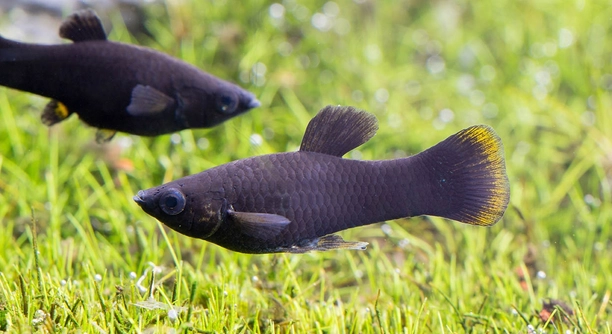
Black mollies are lively fish that add beauty to any aquarium, but sometimes they suddenly stop eating. This can worry any fish owner, as changes in appetite may signal stress, illness, or environmental problems in the tank.
The primary step when a black molly stops eating is to check water quality and tank conditions. Ensuring proper temperature, pH balance, and cleanliness is essential. Additionally, evaluating diet and observing for signs of illness can help identify the cause.
Addressing this issue promptly can protect your fish’s health and maintain a harmonious tank environment for all your aquatic pets.
Checking Water Quality and Tank Conditions
Water quality is the most important factor for black mollies. Poor water conditions can cause stress, illness, and loss of appetite. Start by testing the tank for ammonia, nitrite, nitrate, and pH levels. The ideal pH for black mollies is around 7.5 to 8.0, and the water temperature should stay between 75°F and 82°F. Perform partial water changes regularly, about 20–25% weekly, to keep the environment clean and stable. Inspect the filter and make sure it is functioning properly. Uneaten food should be removed promptly to prevent decay, which can harm water quality. Overcrowding also stresses fish, so ensure the tank is not too full. Observing the fish’s behavior and appearance can give clues about the tank’s condition. Look for lethargy, discoloration, or unusual swimming patterns, as these often indicate water-related problems. Maintaining stable and clean water will encourage natural feeding habits and reduce stress.
Proper water conditions prevent many health issues, making your black molly more likely to eat normally and thrive.
A consistent routine for monitoring water parameters helps you catch problems early. Adjusting temperature, pH, or cleanliness can often restore appetite. Healthy water supports digestion, activity, and overall wellbeing, keeping black mollies vibrant and active.
Evaluating Diet and Feeding Habits
Black mollies may refuse food if their diet is inadequate or unfamiliar. Offering a variety of foods can stimulate appetite and improve nutrition.
Introduce high-quality flakes, pellets, and occasional live or frozen foods. Rotate vegetables like zucchini or spinach to provide fiber and nutrients. Avoid overfeeding, as uneaten food decomposes and affects water quality. Feed small portions two to three times daily, observing which foods your molly prefers. Some fish may take longer to adjust to new diets, so patience is key. Treats should be minimal to prevent imbalances. Note any changes in color, behavior, or energy after introducing new foods. Feeding at consistent times each day helps mollies recognize mealtime, encouraging regular eating. Temperature also affects appetite; slightly cooler water can reduce interest in food, so maintain stable warmth. Combining variety, consistency, and careful observation ensures your black molly receives proper nutrition and gradually returns to healthy eating patterns.
A well-balanced diet directly impacts health, energy, and resistance to illness, making proper feeding essential.
Monitoring feeding habits requires careful attention to behavior and preferences. Gradually introducing new foods while maintaining a stable routine strengthens appetite and ensures nutritional needs are met consistently over time.
Observing for Signs of Illness
Lethargy, clamped fins, or unusual swimming often indicate illness. Skin discoloration, white spots, or bloating can also signal infection or internal issues that affect appetite.
Careful observation helps identify problems early. If a black molly stops eating, check for visible signs of disease. Common issues include ich, fin rot, and internal parasites. Look for changes in behavior like hiding, gasping at the surface, or rubbing against objects. Keep a record of symptoms and the timeline of changes, as this information is useful if treatment is needed. Isolating the affected fish in a quarantine tank can prevent the spread of contagious diseases. Maintaining clean water and a balanced diet supports recovery, but medical intervention may be required for more severe conditions. Early detection improves the chances of restoring appetite and health.
Quarantining sick fish and monitoring symptoms closely reduces stress on the main tank. Observing daily allows faster response if the condition worsens, protecting other fish.
Adjusting Tank Environment
Temperature fluctuations and poor lighting can discourage eating. Keep the water stable and ensure proper light cycles for mollies.
Gradual changes in water temperature are essential. Sudden shifts can stress black mollies, causing them to refuse food. Ideal temperature maintenance supports metabolism and digestion. Lighting should mimic natural day-night cycles, about 10–12 hours of light daily, to regulate behavior and feeding patterns. Decorations, hiding spots, and plants provide comfort, reducing stress. Avoid overcrowding, which can lead to competition for food and increased tension. Gentle water flow is preferred, as strong currents may tire fish and make them less likely to eat. Consistent monitoring and minor adjustments can improve overall comfort, encouraging mollies to resume normal feeding habits.
Proper environment adjustments not only support appetite but also improve energy, behavior, and overall resilience against stress and illness.
Using Live or Frozen Foods
Live or frozen foods can stimulate appetite. Black mollies often respond better to moving food than dry flakes or pellets.
Introduce small amounts gradually. Foods like brine shrimp, daphnia, or bloodworms provide protein and variety. Observing which type your molly prefers helps maintain consistent feeding.
Monitoring Stress Levels
Stress from sudden changes, tankmates, or loud noises can reduce appetite. Identifying stress triggers is key to restoring normal eating habits.
Keep the tank environment calm and stable. Limit sudden movements or vibrations near the aquarium. Ensure compatible tankmates to reduce aggression. Providing hiding spots allows mollies to feel secure. Maintaining a predictable routine for feeding and water maintenance reduces stress, helping black mollies regain interest in food. Observing interactions between fish ensures no one is bullied or overly dominant, which can also impact eating behavior. A low-stress environment supports digestion and overall health, encouraging consistent feeding.
Considering Water Hardness
Black mollies prefer moderately hard water. Soft water may affect their appetite and overall wellbeing.
Testing and adjusting water hardness helps maintain health and stimulates normal feeding behavior.
FAQ
Why has my black molly stopped eating suddenly?
Sudden loss of appetite in black mollies is usually linked to stress, poor water quality, illness, or changes in the tank environment. Temperature fluctuations, overcrowding, or new tankmates can all affect feeding behavior. Observing behavior and water parameters often reveals the cause quickly.
How can I tell if my molly is sick?
Look for visible signs like white spots, frayed fins, bloating, or unusual swimming. Lethargy, hiding, or gasping at the surface can also indicate illness. Keeping a record of these changes helps identify problems early and allows timely treatment.
Should I change their diet if they stop eating?
Offering a variety of foods can help. Introduce live or frozen foods such as brine shrimp or daphnia, along with high-quality flakes or pellets. Small, frequent feedings are better than one large portion. Vegetables like zucchini or spinach provide fiber and nutrients that support appetite.
How important is water quality?
Water quality is critical. Black mollies thrive in clean, well-filtered water with stable temperature and pH. Ammonia, nitrite, and nitrate levels should be monitored regularly. Partial water changes, about 20–25% weekly, help remove toxins and maintain a healthy environment.
Can tankmates affect my molly’s eating habits?
Yes. Aggressive or overly active tankmates can intimidate black mollies, causing them to hide and refuse food. Ensuring compatible fish and providing hiding spots allows mollies to eat without stress. Observing interactions daily can prevent bullying and promote healthier feeding.
Is temperature a factor in appetite?
Absolutely. Black mollies prefer temperatures between 75°F and 82°F. Cooler or fluctuating temperatures slow metabolism, reducing interest in food. Maintaining a stable heater and monitoring the thermometer regularly helps mollies stay active and feed consistently.
Do lighting and environment matter?
Yes. Proper light cycles, about 10–12 hours daily, regulate feeding and activity patterns. Plants, decorations, and hiding spots reduce stress and provide comfort. A calm, predictable environment encourages regular feeding and supports overall health.
When should I consider a quarantine tank?
If a molly shows signs of illness or is refusing food for more than a couple of days, moving it to a quarantine tank is recommended. This prevents the spread of disease and allows closer monitoring of appetite and behavior while testing treatments safely.
Can stress from sudden changes affect feeding?
Stress from moving the tank, sudden water changes, or loud noises can cause mollies to stop eating. Reducing stress by keeping a calm environment, stable conditions, and gentle handling encourages mollies to regain their appetite naturally.
How long will it take for my molly to eat again?
Recovery time varies depending on the cause. Minor stress or slight water changes may result in resumed eating within a day or two. Illness or severe environmental issues could take several days or require treatment. Patience and careful observation are essential.
Are supplements or vitamins necessary?
Supplements can help if mollies show nutrient deficiencies or slow recovery, but a varied diet usually provides sufficient nutrition. Adding vegetables, live foods, or specialized flakes ensures a balanced intake without over-relying on vitamins.
What should I avoid when trying to get my molly to eat?
Avoid overfeeding, sudden diet changes, or introducing aggressive tankmates during recovery. Excess food can foul the water, and abrupt changes may increase stress. Slow, consistent adjustments and maintaining stable conditions are the safest approach.
How often should I monitor water after a molly stops eating?
Daily checks are recommended until the molly resumes eating. Monitor temperature, pH, ammonia, nitrite, and nitrate. This helps identify subtle changes and prevents worsening of conditions that could prolong appetite loss.
Can fasting be helpful for a few days?
Short fasting, about 1–2 days, is sometimes recommended to help clear the digestive system if bloating occurs. After this, small, frequent feedings with varied foods encourage normal eating behavior and improve digestion.
Is it normal for black mollies to refuse food occasionally?
Occasional refusal can happen due to minor stress or environmental shifts. If it lasts more than a couple of days, water quality, diet, and health should be evaluated to prevent long-term issues.
How do I reintroduce food after a period of refusal?
Start with small, easy-to-digest portions of preferred foods. Live or frozen foods often stimulate appetite. Gradually return to regular diet while observing for signs of stress or illness. Consistency and patience are key to restoring normal eating patterns.
Can water hardness affect appetite?
Yes. Black mollies prefer moderately hard water. Soft or inconsistent hardness may discourage feeding and affect overall health. Testing and adjusting hardness ensures a comfortable environment and supports proper nutrition and digestion.
What are signs that my molly is recovering?
Increased activity, regular swimming, bright coloration, and consistent feeding indicate recovery. Gradual return to normal behavior is a positive sign that water conditions, diet, and health are improving. Monitoring these signs helps confirm effective care.
Is it safe to mix live, frozen, and dry foods?
Yes. Combining different types of food ensures balanced nutrition and prevents boredom. Rotate between flakes, pellets, live, and frozen foods to maintain appetite and provide essential vitamins, proteins, and fibers needed for overall health.
How can I prevent future appetite problems?
Maintaining clean water, stable temperature, a balanced diet, and low-stress conditions prevents many feeding issues. Regular monitoring of fish behavior and tank parameters allows quick response to minor problems, keeping black mollies healthy and eating consistently.
Black mollies are sensitive fish that respond quickly to changes in their environment. Their appetite is a good indicator of their overall health. When a black molly stops eating, it often points to stress, poor water quality, illness, or dietary issues. Understanding the fish’s natural needs helps prevent problems from escalating. Maintaining stable water conditions, proper temperature, and a balanced pH supports digestion and activity. Observing your fish daily allows you to notice changes in behavior or appearance before they become serious. By paying attention to small signs, you can act early, which often makes recovery faster and easier. Simple steps, like removing uneaten food, cleaning the tank, and monitoring water parameters, go a long way in keeping black mollies healthy and feeding regularly.
Diet plays an equally important role in keeping black mollies healthy. Offering a variety of foods, including flakes, pellets, live, and frozen options, provides proper nutrition and encourages consistent eating. Adding vegetables like zucchini or spinach occasionally gives fiber and essential nutrients that support digestion and overall wellbeing. Small, frequent feedings are better than one large portion, especially when a molly has been refusing food. A predictable feeding routine helps mollies recognize mealtime, which encourages them to eat even after periods of stress or illness. Watching which foods your molly prefers also helps in tailoring a diet that meets their nutritional needs and keeps them active. Maintaining variety while avoiding overfeeding is important to prevent water issues and digestive problems.
Stress and the tank environment have a strong influence on feeding behavior. Loud noises, sudden movements, aggressive tankmates, or overcrowding can make black mollies hide and refuse food. Providing hiding spots, plants, and calm areas in the tank allows fish to feel secure. Maintaining gentle water flow and proper lighting helps regulate natural activity and appetite patterns. Temperature stability is also critical, as fluctuations can slow metabolism and reduce interest in food. For mollies showing signs of illness, isolation in a quarantine tank allows closer observation and safer treatment. Combining a clean, stable environment with careful feeding and monitoring greatly increases the chances of your black molly returning to healthy eating habits and maintaining long-term wellbeing.

Hello,
If you enjoy the content that we create, please consider saying a "Thank You!" by leaving a tip.
Every little bit helps us continue crafting quality advice that supports the health, happiness, and well-being of pets around the world, for pets of all shapes, sizes, and species.
We really appreciate the kindness and support that you show us!