
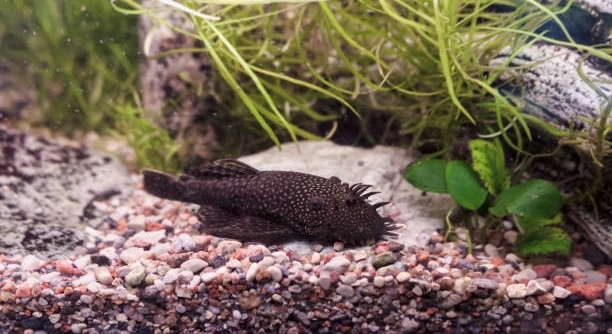
Are your plecos turning up their noses at the fresh greens you offer? Even experienced fish keepers sometimes face this challenge, despite providing a varied diet. Understanding why this happens is the first step in correcting it.
Plecos may refuse greens due to stress, improper tank conditions, or sudden dietary changes. Ensuring water quality, gradually introducing new foods, and offering a variety of textures can encourage feeding while maintaining their health and overall wellbeing.
Knowing the right strategies will help you restore healthy eating habits and support your plecos’ long-term nutrition. These adjustments can make a significant difference in their daily care.
Common Reasons Plecos Refuse Greens
Plecos sometimes ignore greens for several reasons. Water quality is a key factor; if ammonia or nitrate levels are high, plecos may lose appetite. Stress from overcrowding or aggressive tankmates can also make them avoid food. Sudden changes in diet often confuse plecos, causing them to reject vegetables they once ate. Temperature fluctuations can play a role as well. Young plecos may be more selective, while older ones can develop habits that make them picky eaters. The type of greens matters too—some plecos prefer softer leaves like spinach or zucchini over harder kale. Preparing vegetables correctly, such as blanching or lightly steaming, makes them more palatable. Timing and placement of the greens in the tank also influence feeding; placing vegetables in hiding spots can encourage timid plecos to explore. Observing your plecos carefully can help identify which factors are affecting their willingness to eat, allowing for adjustments that improve feeding habits.
Stress, water issues, or sudden diet changes are the main reasons plecos ignore greens in the tank.
Gradually introducing new vegetables and monitoring tank conditions can help reestablish regular feeding habits. Consistency is essential for success.
How to Encourage Plecos to Eat Greens
Offer vegetables at times when plecos are most active, usually in the evening.
Variety is important. Rotate vegetables like cucumber, zucchini, spinach, and lettuce to maintain interest. Remove uneaten greens promptly to prevent decay and water contamination. Some plecos prefer sinking foods or foods attached to driftwood or rocks. Blanching or lightly steaming vegetables softens them, making it easier for plecos to consume. Consistent feeding routines reduce stress, encouraging better eating habits. Observing which vegetables are eaten first helps tailor their diet to individual preferences. Overfeeding with pellets or other foods can reduce appetite for greens, so balance is important. Finally, ensure the tank environment is calm, with hiding spots and clean water, to create favorable conditions for feeding. Following these steps improves the likelihood that plecos will return to a healthy, varied diet and maintain proper nutrition.
Preparing Vegetables for Plecos
Blanching vegetables softens them and removes harmful chemicals, making them easier for plecos to eat. Soft leaves like spinach or zucchini are more appealing, while tougher vegetables may need extra preparation. Always rinse thoroughly to remove dirt or pesticides.
Blanching is done by briefly boiling vegetables, then cooling them in cold water. This preserves nutrients while making textures softer for plecos. Some vegetables, like cucumber, do not need cooking but benefit from being peeled or sliced thinly. Removing stems or hard parts prevents choking or rejection. Preparing vegetables this way encourages consistent feeding and reduces waste in the tank. Rotating vegetables also prevents boredom and ensures a balanced intake of nutrients. Observing plecos during feeding helps determine which preparation methods work best.
Using natural anchoring methods, such as skewering vegetables on rocks or placing them in mesh feeders, helps plecos access food without it floating away. This technique encourages feeding and prevents rapid spoilage.
Adjusting Feeding Habits
Feed plecos in the evening when they are naturally more active. Feeding at the same time daily creates routine and reduces stress.
Overfeeding with pellets or other foods can suppress interest in greens. Reduce pellet quantity and focus on vegetables to improve acceptance. Monitor eating patterns and remove uneaten vegetables to maintain water quality. Offering small portions encourages plecos to try new foods without overwhelming them. Slow introduction of different greens prevents rejection due to unfamiliarity. Patience is key, as some plecos need repeated exposure before accepting new foods. Observing behavior helps refine feeding strategies. Consistency in timing, portion, and preparation is crucial for long-term success in maintaining a balanced diet.
Tracking which vegetables are preferred and adjusting feeding schedules accordingly ensures plecos remain healthy and receive proper nutrition. Gradual changes prevent stress and maintain appetite.
Tank Environment and Its Impact
Plecos are sensitive to water conditions. High ammonia or nitrate levels can reduce appetite. Maintaining stable temperature and pH helps them feel secure.
Providing hiding spots and a calm environment encourages feeding. Stress from aggressive tankmates can make plecos refuse greens, so careful tank arrangement is essential.
Gradual Introduction of New Greens
Introduce new vegetables slowly to avoid rejection. Start with small pieces and increase size over time. Mixing familiar greens with new ones makes them less intimidating. Repeated exposure helps plecos adjust to textures and flavors. Consistency and patience are important to establish a balanced diet and healthy feeding habits.
Monitoring Pleco Health
Changes in eating habits can indicate health issues. Observe behavior, fins, and body condition regularly to catch early signs of illness.
FAQ
Why is my pleco ignoring all vegetables?
Plecos may refuse vegetables due to stress, poor water quality, or sudden diet changes. Overcrowded tanks or aggressive tankmates can make them hide and avoid eating. Checking water parameters and ensuring a calm environment often helps restore appetite. Gradual introduction of vegetables can also encourage feeding.
Can plecos eat only pellets instead of greens?
While plecos can survive on pellets for some time, they require vegetables for fiber, vitamins, and minerals. A diet lacking greens can lead to digestive issues and nutrient deficiencies. Providing a mix of vegetables and pellets ensures a balanced diet and supports long-term health.
Which vegetables are best for plecos?
Soft vegetables like zucchini, cucumber, spinach, and lettuce are usually preferred. Harder vegetables like kale or broccoli may need blanching or slicing to make them easier to eat. Rotating vegetables prevents boredom and provides a range of nutrients essential for pleco health.
How often should I feed greens to my pleco?
Feeding vegetables three to four times per week is generally sufficient, depending on tankmates and pellet intake. Monitor your pleco’s appetite and remove uneaten food to prevent decay and maintain water quality. Consistent feeding schedules encourage regular eating habits.
What is the best way to prepare vegetables for plecos?
Blanching vegetables softens them and removes potential chemicals. Cooling after blanching preserves nutrients. Peeling or slicing thin pieces also makes it easier for plecos to consume. Using mesh feeders or skewering vegetables on rocks prevents them from floating away and encourages feeding.
Why does my pleco nibble but not fully eat greens?
Nibbling can indicate unfamiliarity with the texture or taste. Gradually offering smaller portions or mixing new vegetables with familiar ones helps plecos adjust. Observing preferences and adjusting preparation methods can increase consumption over time.
Can stress make plecos stop eating greens entirely?
Yes. Stress from aggressive tankmates, sudden changes, or poor water conditions can suppress appetite. Providing hiding spots, maintaining stable water parameters, and reducing disturbances often restore feeding behavior.
Are there signs of malnutrition if plecos refuse vegetables?
Signs include weight loss, dull coloration, and slower growth. A lack of fiber can cause digestive issues. If greens are consistently refused, try softening vegetables, offering variety, or adjusting feeding times to ensure proper nutrition.
How do I encourage picky plecos to eat greens?
Introduce new vegetables slowly, mix with familiar ones, and prepare them to improve palatability. Anchoring vegetables on rocks or using mesh feeders can make them easier to access. Patience and consistent observation help establish a balanced diet.
Can overfeeding pellets prevent plecos from eating greens?
Yes. Excess pellets reduce appetite for vegetables. Reducing pellet amounts and focusing on greens during feeding sessions encourages better acceptance. Observing consumption patterns helps balance pellet and vegetable intake.
Is it normal for plecos to refuse certain types of greens?
Yes, preferences vary between individuals. Some plecos prefer soft leafy greens, while others enjoy firmer vegetables. Experimenting with different types, textures, and preparation methods helps identify their preferences and maintain nutritional balance.
How long does it take for plecos to start eating new vegetables?
It can take several days to a few weeks. Repeated exposure, consistent feeding times, and proper preparation increase the likelihood that plecos will accept new vegetables. Patience is key to developing a regular feeding routine.
Should I remove uneaten greens immediately?
Yes. Uneaten vegetables can decay, affecting water quality and increasing stress. Removing leftovers after a few hours ensures a clean tank and encourages plecos to eat fresh, properly prepared vegetables.
Can tank mates affect plecos’ willingness to eat greens?
Aggressive or territorial tankmates can intimidate plecos, reducing feeding confidence. Providing hiding spots and separating aggressive fish during feeding can improve access to vegetables and encourage healthy eating habits.
What is the role of texture in plecos accepting greens?
Texture influences palatability. Soft vegetables are easier to eat, while harder ones may need blanching or cutting. Gradually adjusting texture helps plecos adapt, ensuring they receive necessary nutrients from vegetables.
Are frozen or fresh vegetables better for plecos?
Both can work, but fresh vegetables usually retain more texture and nutrients. Frozen vegetables should be thawed and blanched if necessary. Proper preparation ensures they are safe and appealing for plecos to eat.
Can lighting affect plecos’ eating habits?
Plecos are mostly nocturnal, so feeding during low-light periods or in the evening encourages natural feeding behavior. Bright lights can make them hide and reduce interest in vegetables. Adjusting light schedules can improve feeding consistency.
How do I know if my pleco is eating enough greens?
Observe consumption patterns and body condition. A healthy pleco is active, has smooth fins, and maintains weight. Gradually introducing vegetables and monitoring leftovers ensures they are consuming sufficient amounts for proper nutrition.
Is it okay to offer fruits to plecos instead of vegetables?
Fruits are high in sugar and should only be offered occasionally. Vegetables provide essential fiber and nutrients that fruits lack. Prioritize vegetables in their diet to maintain digestive health and overall wellbeing.
What should I do if my pleco refuses all types of greens?
Review water quality, tank conditions, and feeding habits. Gradually offer soft vegetables or alter preparation methods. If refusal persists, consult a veterinarian experienced with fish to rule out health issues and ensure proper nutrition.
Can acclimating a new pleco affect its willingness to eat greens?
Yes. New plecos often experience stress and may refuse food initially. Allowing time to acclimate, providing hiding spots, and offering familiar vegetables helps them adjust and resume eating.
Does age affect plecos’ eating habits?
Older plecos may become pickier, while juveniles are often more experimental. Adjusting diet variety, preparation, and feeding routines ensures all age groups receive adequate nutrition.
Are there supplements that help plecos accept greens?
Some aquarium-safe supplements can make vegetables more appealing. However, relying on natural foods like zucchini, cucumber, and spinach is best. Supplements should complement, not replace, a balanced diet.
How important is routine in encouraging plecos to eat greens?
Routine helps reduce stress and establishes predictable feeding behavior. Consistency in timing, portion, and vegetable preparation increases the likelihood that plecos will accept and regularly consume greens.
Can plecos share vegetables with other tankmates?
Yes, but competition can influence feeding. Ensure vegetables are anchored or placed where plecos can access them without interference. Observing interactions helps maintain a fair and stress-free feeding environment.
Is it safe to overfeed vegetables to encourage eating?
Overfeeding can lead to water quality issues and digestive problems. Offer appropriate portions, monitor consumption, and remove uneaten food to maintain a clean tank and healthy plecos.
Do plecos prefer certain vegetable flavors?
Yes. Mild, soft vegetables are generally favored over bitter or fibrous ones. Experimenting with types and preparation methods reveals individual preferences, helping maintain a varied and balanced diet.
How long should I observe changes after adjusting feeding routines?
Behavioral improvements may be seen within days, but full adaptation can take weeks. Patience and consistent monitoring ensure changes lead to successful feeding habits and healthier plecos.
Can diseases cause plecos to stop eating greens?
Yes. Infections, parasites, or internal issues may reduce appetite. Monitoring overall health and consulting a veterinarian if feeding problems persist helps identify and address underlying causes.
What is the best approach if only some plecos eat greens?
Separate aggressive or dominant individuals, provide multiple feeding spots, and offer vegetables in different textures and forms. Ensuring all plecos have access promotes balanced nutrition and reduces stress.
Are homemade vegetable preparations safe for plecos?
Yes, if properly cleaned, peeled, and prepared. Avoid seasoning, oils, or additives. Simple blanching, slicing, or skewering ensures vegetables are safe, nutritious, and appealing to plecos.
Can feeding frequency impact acceptance of greens?
Yes. Offering small portions several times per week encourages regular feeding. Avoid excessive pellet feeding, which can suppress interest in vegetables and reduce dietary variety.
How can I tell if a pleco dislikes a particular vegetable?
Uneaten pieces, nibbling without consumption, or avoidance indicate dislike. Rotating types, textures, and preparation methods helps identify preferred vegetables and ensures proper nutrition.
Does tank size affect plecos’ eating behavior?
Smaller or overcrowded tanks can increase stress and competition, reducing appetite for vegetables. Providing adequate space, hiding spots, and multiple feeding locations improves access and encourages feeding.
Is it necessary to remove uneaten greens immediately in large tanks?
Yes. Even in large tanks, decaying vegetables can affect water quality and increase stress. Regular removal ensures a healthy environment and encourages consistent consumption.
Can plecos develop habits of refusing certain vegetables permanently?
Yes, but gradual introduction, preparation adjustments, and consistent routines can overcome long-term picky eating. Observation and patience are essential to restore balanced feeding habits.
Do plecos need variety in greens, or can they eat the same vegetable repeatedly?
Variety is important. Different vegetables provide a range of nutrients and prevent boredom. Rotating types ensures a balanced diet and encourages regular consumption.
How can I make vegetables more appealing if plecos refuse them?
Blanching, slicing, skewering, and mixing new types with familiar ones increases palatability. Anchoring vegetables or offering them in mesh feeders helps plecos access food easily. Consistent exposure improves acceptance over time.
What are the risks of ignoring plecos’ refusal to eat greens?
Ignoring refusal can lead to nutritional deficiencies, digestive issues, and weakened immune systems. Adjusting diet, preparation, and feeding routines is essential to maintain long-term health.
Can I use live plants as a substitute for greens?
Some live plants can supplement nutrition, but they may not provide enough fiber or variety. Combining vegetables with live plants ensures plecos receive adequate nutrients.
How does water flow impact plecos’ feeding on greens?
Strong currents can make vegetables difficult to access, while calm areas encourage feeding. Placing greens in low-flow zones improves consumption and reduces waste.
Are there signs that my pleco prefers certain textures over others?
Yes. Plecos may nibble soft leaves more than firm ones or ignore fibrous vegetables. Observing patterns helps tailor diet and preparation methods to individual preferences.
Can temperature fluctuations affect vegetable acceptance?
Yes. Extreme or sudden changes can reduce appetite. Maintaining stable water temperature supports feeding behavior and encourages plecos to accept greens consistently.
What should I do if plecos refuse all new vegetables for weeks?
Assess water quality, stress factors, and overall health. Try familiar soft vegetables, adjust preparation, and ensure a calm environment. Consulting a veterinarian may be necessary for persistent feeding issues.
How important is observation in feeding plecos?
Observation is crucial. Noticing preferences, consumption patterns, and behavior allows adjustments in diet, preparation, and tank environment, ensuring proper nutrition and healthy feeding habits.
Can changing the location of vegetables in the tank improve feeding?
Yes. Placing vegetables in areas where plecos feel secure or near their favorite hiding spots encourages exploration and feeding. Rotating locations helps reach all tank inhabitants.
Does adding driftwood or other surfaces help plecos eat greens?
Yes. Attaching vegetables to driftwood or rocks prevents floating and provides a natural feeding surface. This encourages access and supports natural grazing behavior.
Is it okay to use commercial vegetable wafers instead of fresh greens?
Occasionally, but they should not replace fresh vegetables. Wafers supplement the diet but lack variety and some nutrients. Combining fresh vegetables with wafers ensures balanced nutrition.
How can I tell if my adjustments are working?
Look for consistent consumption, increased activity during feeding, and maintained body condition. Gradual improvements indicate successful changes, while persistent refusal may require further intervention.
Can plecos be picky about vegetable size?
Yes. Some prefer small, manageable pieces, while others handle larger slices. Observing preferences and adjusting size ensures easier consumption and reduces waste.
Should I change the type of vegetable if one pleco refuses it?
Yes. Introducing alternatives that are softer or more familiar increases the likelihood of acceptance. Mixing new types with known favorites helps plecos adjust gradually.
Does algae availability affect plecos’ interest in vegetables?
Yes. Plecos that graze on abundant algae may be less motivated to eat greens. Reducing algae or offering vegetables in low-algae areas encourages consumption.
Can plecos be trained to eat certain vegetables?
Yes. Repeated exposure, consistency, and proper preparation can condition plecos to accept new vegetables. Patience and observation are key for gradual adaptation.
Is it better to offer vegetables whole or sliced?
Sliced or peeled vegetables are easier for plecos to eat and reduce waste. Whole vegetables may be ignored if too large or difficult to consume.
How do I balance pellets and greens in my pleco’s diet?
Offer moderate pellet portions while emphasizing vegetables. Observing consumption patterns and adjusting ratios ensures proper nutrition and encourages regular vegetable intake.
What is the ideal frequency for observing feeding behavior?
Daily observation during feeding helps identify preferences, detect stress, and ensure all plecos have access. Consistent monitoring supports dietary adjustments and long-term health.
Can illness temporarily affect plecos’ appetite for vegetables?
Yes. Parasites, infections, or internal problems can reduce interest in greens. Treating underlying issues restores appetite and ensures proper nutrition.
How can I prevent picky eating habits in juvenile plecos?
Offer a variety of vegetables early, gradually introduce new types, and maintain consistent feeding routines. Early exposure reduces long-term selectivity and encourages healthy eating habits.
Are there seasonal changes that impact feeding?
Yes. Temperature, light, and water conditions can influence appetite. Adjusting feeding times and preparation methods ensures consistent vegetable intake year-round.
Does the shape of the vegetable matter?
Yes. Plecos may prefer strips, slices, or chunks depending on comfort and ease of eating. Observing preferences allows better preparation and encourages consumption.
What are quick solutions if plecos suddenly refuse vegetables?
Check water quality, reduce stressors, and offer familiar soft vegetables. Adjusting placement or preparation and monitoring behavior can quickly restore feeding.
How can I encourage shy plecos to eat?
Place vegetables near hiding spots, use slow feeding methods, and ensure calm surroundings. Gradually they become comfortable eating while staying safe.
Can mixing vegetables with pellets improve acceptance?
Yes. Combining familiar pellets with new vegetables can encourage reluctant plecos to try greens. Observing which combinations work helps maintain a balanced diet.
Are there long-term risks if plecos consistently refuse greens?
Yes. Nutrient deficiencies, digestive problems, and weakened immunity can develop. Intervening with preparation adjustments, variety, and tank management prevents long-term health issues.
Should I consult a vet if greens refusal continues?
Yes. Persistent refusal may indicate health issues. A vet can diagnose problems and provide guidance to ensure proper nutrition and overall wellbeing.
Does pleco species affect vegetable preferences?
Yes. Different species have varied feeding behaviors and preferences. Researching species-specific dietary needs ensures the right types of vegetables are offered.
Can adding flavor enhancers help?
Some natural options, like lightly steaming vegetables to enhance texture or soaking in aquarium-safe water, can improve appeal. Avoid chemicals or seasoning.
How do I manage multiple plecos with different preferences?
Offer multiple feeding spots, anchor vegetables, and observe each pleco’s behavior. Providing variety ensures all individuals receive proper nutrition without conflict.
Does tank age impact feeding behavior?
Yes. Established tanks with stable water conditions encourage natural feeding habits. Newly set-up tanks may require gradual adjustments to reduce stress and improve vegetable acceptance.
Can changes in tank decor affect vegetable consumption?
Yes. Rearranging hiding spots or substrate can alter comfort levels. Maintaining familiar areas during feeding encourages plecos to access vegetables confidently.
What is the best approach for long-term vegetable acceptance?
Consistency, variety, proper preparation, and calm tank conditions foster acceptance. Monitoring health, adjusting routines, and gradually introducing new types ensures a balanced diet for years.
Is it safe to feed vegetables daily?
Yes, in moderate amounts. Daily feeding of small portions supports nutrition, but overfeeding can harm water quality. Balancing with pellets ensures a complete diet.
Do plecos need fiber from vegetables?
Yes. Fiber aids digestion and prevents constipation. Vegetables provide essential fiber, supporting gut health and overall wellbeing.
Can water hardness influence feeding?
Yes. Hard or soft water can impact appetite. Maintaining species-appropriate water hardness encourages regular feeding and vegetable acceptance.
Are some vegetables better for young plecos than adults?
Yes. Softer, mild vegetables are easier for juveniles, while adults may tolerate firmer types. Adjusting texture ensures accessibility and proper nutrition.
What if my pleco only eats vegetables in certain locations?
This indicates comfort and safety influence feeding. Place vegetables where plecos feel secure, and gradually introduce new locations to expand their feeding range.
Is it normal for plecos to ignore vegetables for short periods?
Yes. Temporary appetite loss can occur due to stress, minor water changes, or temperature shifts. Monitoring ensures it doesn’t become a long-term issue.
Can feeding vegetables with a light current help?
Yes. A gentle flow encourages natural grazing behavior and prevents vegetables from floating away, allowing plecos to feed comfortably.
Do plecos prefer floating or sinking vegetables?
Sinking vegetables are preferred as plecos are bottom-dwellers. Floating pieces may be ignored or eaten by other tankmates. Anchoring or sinking ensures proper access.
How does tank population density affect feeding?
High density increases competition and stress, reducing vegetable consumption. Providing multiple feeding locations and hiding spots helps plecos access food without interference.
Can frequent water changes influence feeding behavior?
Yes. Sudden changes may cause stress and suppress appetite. Gradual water adjustments maintain stability and encourage consistent vegetable consumption.
Are there seasonal adjustments for vegetable preparation?
Yes. Warmer months may allow raw vegetables, while colder months benefit from lightly steamed or blanched options. Consistent texture supports acceptance.
Does adding aquarium-safe supplements improve vegetable acceptance?
Some supplements can enhance palatability but should not replace fresh vegetables. Use sparingly to encourage variety and balanced nutrition.
Can plecos eat all leafy greens equally?
No. Individual preferences vary. Soft leaves are generally preferred, while fibrous or bitter greens may need preparation or gradual introduction. Observing responses helps identify favorites.
Is it safe to mix multiple vegetables at once?
Yes, combining familiar and new types can increase acceptance. Avoid overloading the tank, and monitor which pieces are eaten to prevent waste and maintain water quality.
How can I tell if plecos are stressed during feeding?
Hiding,
Final Thoughts
Ensuring that plecos eat greens can sometimes feel challenging, but understanding their needs and habits makes the process manageable. Plecos are sensitive to their environment, and factors such as water quality, temperature, and tankmates play a large role in their feeding behavior. Stress from sudden changes, aggressive tankmates, or overcrowding can reduce their appetite, making them ignore vegetables even when they are available. Maintaining stable water conditions, providing hiding spots, and monitoring interactions between fish are essential steps in creating a comfortable environment where plecos feel secure enough to feed. Observing their behavior closely can reveal patterns in feeding preferences and highlight areas that need adjustment. By addressing environmental factors, you can often resolve many of the issues that cause plecos to refuse greens.
Vegetable preparation is another important aspect that influences feeding success. Plecos often respond better to softened or prepared vegetables rather than raw, hard leaves. Blanching or lightly steaming vegetables such as zucchini, spinach, or cucumber makes them easier to consume while preserving essential nutrients. Cutting or slicing vegetables into manageable pieces can also encourage consumption, especially for younger or smaller plecos. Using anchoring methods, like skewering vegetables on rocks or placing them in mesh feeders, ensures the food stays accessible and prevents it from floating away. Rotating vegetables and gradually introducing new types helps reduce pickiness and ensures a balanced diet over time. Consistency in preparation and offering a variety of textures allows plecos to adapt and remain interested in their meals. These practices make feeding more effective while maintaining tank cleanliness.
Feeding routines and patience are key to long-term success. Plecos benefit from predictable feeding schedules, which reduce stress and encourage regular consumption of vegetables. Observing which greens are preferred and adjusting the timing, portions, and presentation accordingly helps maintain consistent eating habits. Overfeeding pellets or other foods can reduce interest in vegetables, so balancing their diet is essential for proper nutrition. If a pleco refuses certain vegetables, gradually mixing new types with familiar favorites or adjusting preparation methods often improves acceptance. Monitoring health indicators such as weight, coloration, and activity levels ensures that feeding strategies support overall wellbeing. By combining careful observation, proper preparation, and stable environmental conditions, you can help plecos develop healthy eating habits and maintain their nutritional needs. Patience and consistency are the most important elements, and gradual adjustments often lead to lasting results.

Hello,
If you enjoy the content that we create, please consider saying a "Thank You!" by leaving a tip.
Every little bit helps us continue crafting quality advice that supports the health, happiness, and well-being of pets around the world, for pets of all shapes, sizes, and species.
We really appreciate the kindness and support that you show us!