
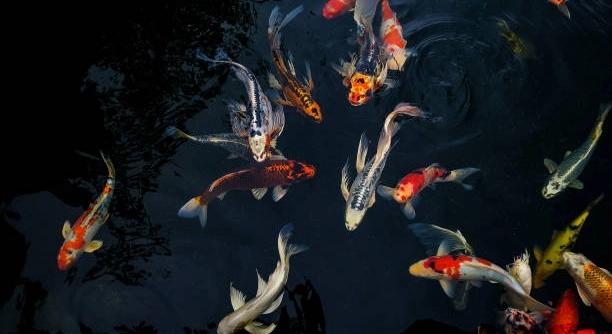
Do your koi fish sometimes swim head first into walls, leaving you concerned and unsure about what might be going wrong?
Head-first swimming into walls is often caused by poor water quality, impaired vision, or neurological issues. Monitoring tank conditions, removing sharp objects, and consulting a veterinarian can help prevent further injury and identify underlying health problems.
Understanding what causes this strange behavior can help you create a safer environment for your fish and support their overall well-being.
Why Koi Fish May Swim Head First Into Walls
Koi fish swimming head first into walls is often linked to poor visibility, stress, or an underlying health problem. Sometimes the issue starts with something as simple as dirty water. When the tank or pond water becomes cloudy or filled with harmful substances, the fish may not see clearly and can accidentally bump into hard surfaces. Changes in lighting, sudden movements outside the tank, or aggressive tank mates can also cause stress, leading koi to act strangely. Neurological problems, such as parasites affecting the brain or inner ear, may also interfere with their sense of direction. Watching for other signs like erratic swimming, loss of appetite, or damaged fins can help identify if a medical issue is present. Maintaining a calm and clean environment with steady water parameters is important. By observing your koi closely and keeping conditions stable, you can often spot the problem early and take the right steps.
Koi fish also tend to react strongly to changes in their surroundings. Loud noises, shifting water temperatures, or frequent rearranging of tank items can confuse them.
Checking your water parameters regularly is a must. Look at ammonia, nitrate, and pH levels. Keep the water clear and use a proper filtration system. If needed, consult a vet with experience in koi health.
What You Can Do About It
Make sure the pond or tank is properly filtered and cleaned on a consistent schedule. Sudden changes in water chemistry should be avoided, as they can create confusion for koi fish.
To prevent koi from swimming head first into walls, start by observing their behavior regularly. Keep their living space predictable, and avoid adding or removing objects too often. Use soft lighting to avoid glare that might confuse them. If you use glass or clear acrylic tanks, make sure there are visual cues like background images or aquatic plants so fish don’t mistake reflections for open space. Watch for signs of illness. If your koi seems to swim in circles, tilts sideways, or floats oddly, they may have a balance or neurological problem. In such cases, seek help from a vet experienced with fish. Feeding a healthy, balanced diet with good-quality koi pellets also helps keep them in better shape. When koi feel calm and secure, they are less likely to panic and injure themselves. Address issues early to avoid more serious damage.
Common Mistakes to Avoid
Overcrowding the tank or pond is a common issue. When koi don’t have enough room to swim freely, they can become stressed and disoriented. This can lead to bumping into walls or other hard surfaces repeatedly.
Using decorations with sharp edges or hard materials is risky. Koi that are already confused or stressed might injure themselves on these items. Choose smooth, rounded features when decorating their space. Also, avoid rapid water changes or temperature swings. These shifts can affect koi physically and mentally, causing erratic swimming. Feeding too much or using low-quality food also contributes to poor health, which may show up in their behavior. Clean filters regularly and avoid using strong chemicals. Stick to gentle cleaning products meant for fish tanks. Being consistent with care routines helps your koi feel more stable. Preventing these small mistakes can make a big difference in your koi’s safety and comfort.
Neglecting to test water quality on a regular basis is another issue. You can’t tell if ammonia or pH levels are off just by looking at the water. Buy a test kit and use it weekly. Poor water quality not only leads to stress but can also weaken your koi’s immune system.
Environmental Adjustments That Help
Adding live plants to the pond or tank can help koi feel more relaxed. Plants also act as natural filters and make the space feel more like their natural habitat. Keep lighting soft and consistent.
Use background panels or place plants along the sides of the tank to help koi see boundaries clearly. This can reduce confusion and help them avoid swimming into walls. Stick to a gentle light schedule, like 10–12 hours a day, to mimic natural conditions. Avoid placing the tank where there’s heavy foot traffic or loud noise, as koi are sensitive to sudden movement and sound. Also, be careful with the placement of reflective surfaces like mirrors or glass decorations. These can mislead koi and cause them to dart suddenly. A calm environment gives your koi time to adjust and build confidence in their surroundings. Simple changes to the space can ease stress and reduce strange swimming behaviors.
When to Seek Veterinary Help
If your koi keeps swimming into walls after you’ve made environmental changes, it could be a sign of a deeper issue. Parasites, infections, or neurological problems may be affecting your fish’s coordination and vision.
Also look for signs like cloudy eyes, frayed fins, or sudden weight loss. These symptoms can suggest your koi needs medical care.
What to Expect at the Vet
A vet experienced in fish care may perform a physical exam and ask about your tank or pond setup. They might take a water sample, check for parasites, and observe the fish’s swimming behavior. In some cases, further tests like gill or skin scrapes may be needed. You may be given a treatment plan, which could include medication, water treatment changes, or diet adjustments. Follow their instructions closely and keep a record of your koi’s response. Sometimes, several follow-up visits are necessary. Early treatment often leads to better outcomes, especially when the cause is caught before it worsens.
Final Thoughts on Prevention
Stable water quality, routine care, and a calm environment play a big role in keeping koi healthy and safe from injury. Simple habits help avoid problems before they start.
FAQ
Why do koi fish swim head first into walls?
Koi fish may swim head first into walls because of poor water quality, stress, or health issues like parasites or neurological damage. If their vision or balance is affected, they can become disoriented and accidentally bump into hard surfaces. Changes in lighting or loud noises can also confuse them, causing strange swimming behavior.
How can I improve water quality for my koi?
Regularly test water parameters like ammonia, nitrites, nitrates, and pH using a reliable kit. Perform partial water changes weekly to keep toxins low. Use a good filtration system designed for your pond or tank size. Avoid overfeeding, as leftover food pollutes the water. Removing debris and cleaning filters carefully without disturbing beneficial bacteria also helps keep water safe.
Can stress cause koi to swim into walls?
Yes. Stress from overcrowding, sudden changes in temperature, or loud noises can make koi nervous and less aware of their surroundings. They may dart around or swim oddly, leading to collisions. Keeping their environment calm, stable, and spacious reduces stress and helps prevent these behaviors.
What signs indicate a health problem in koi?
Look for cloudy or swollen eyes, frayed fins, loss of appetite, difficulty swimming, or floating oddly. If koi repeatedly swim into walls or seem uncoordinated, they might have parasites, infections, or neurological issues. Early veterinary care is important if you notice any of these symptoms.
Should I add decorations to prevent koi from hitting walls?
Adding live plants or soft decorations with rounded edges helps koi recognize boundaries and avoid collisions. Avoid sharp or rough items that could injure them. Visual markers break up reflections and reduce confusion, especially in glass tanks where reflections can trick the fish.
How often should I check my koi pond or tank?
Daily observation is best to spot any unusual behavior or health problems early. Weekly water testing and partial water changes help maintain quality. Monthly cleaning of filters and decorations keeps the environment safe and comfortable. Consistency in care routines improves koi well-being.
Can poor diet affect koi behavior?
A poor diet weakens koi’s immune system and energy, making them more prone to illness and stress. Feeding high-quality koi pellets and occasional treats like vegetables supports their health. Avoid overfeeding to prevent water pollution, which can indirectly affect behavior.
Is it normal for koi to bump into things sometimes?
Occasional gentle bumps happen, especially in smaller or crowded spaces. However, frequent or forceful collisions suggest a problem with water quality, vision, or health. Monitor their behavior closely and adjust the environment if needed.
How do I know if my koi has neurological issues?
Symptoms include swimming in circles, tilting sideways, or difficulty maintaining balance. These signs often accompany repeated impacts with tank walls or pond edges. A vet can diagnose neurological problems and recommend treatment options.
Can lighting affect koi swimming behavior?
Yes, bright or flickering lights can confuse koi or create reflections that mislead them. Using soft, consistent lighting helps koi feel secure and see their environment clearly. Avoid placing tanks near direct sunlight or reflective surfaces.
What should I do if my koi injures itself swimming into a wall?
Remove sharp or hard objects from the tank or pond. Clean the injured area with an aquarium-safe antiseptic if possible. Monitor the fish closely for signs of infection. Consult a vet if the wound worsens or if the fish shows signs of stress or illness.
How long does it take for koi to recover from stress or injury?
Recovery time varies depending on the cause and severity. Minor stress may resolve in a few days with good care. Injuries or infections could take weeks. Keeping water clean and stable, and following vet advice, supports faster healing.
Are there any home remedies to help koi with balance issues?
Improving water quality and reducing stress are key first steps. Some hobbyists use aquarium salt in small amounts to help with minor infections, but it’s best to consult a vet before trying treatments. Avoid medications without professional guidance, as wrong use can harm your fish.
Can koi get confused by reflections in the tank glass?
Yes, reflections can make koi think there is more space or other fish where there are none. This confusion may lead to head-first swimming into walls. Using background panels, plants, or non-reflective surfaces helps reduce this issue.
Is overcrowding really a problem for koi?
Overcrowding limits swimming space and increases waste buildup, leading to poor water quality and stress. Both factors can cause disoriented swimming and health problems. Make sure your pond or tank is large enough for the number and size of koi you keep.
What kind of vet should I look for if my koi acts strangely?
Find a veterinarian experienced in aquatic or fish health. They can properly diagnose swimming or neurological issues, prescribe treatments, and advise on care. Local fish stores or koi clubs may help you find a trusted specialist.
Can temperature changes affect koi swimming patterns?
Sudden or extreme temperature shifts can shock koi, affecting their balance and swimming behavior. Maintain a stable temperature appropriate for koi, typically between 65°F and 75°F (18°C–24°C). Use heaters or shade as needed to avoid rapid changes.
How important is quarantine for new koi?
Quarantining new koi before adding them to the main pond or tank helps prevent disease spread. This practice reduces the risk of parasites or infections that might cause strange swimming or health issues. A 2–4 week quarantine is usually recommended.
What are some common parasites that affect koi behavior?
Parasites like flukes or lice can irritate koi, affecting their balance and causing erratic swimming. They might also scratch against surfaces or swim into walls trying to escape discomfort. Treating parasites early improves koi comfort and reduces risky behavior.
Can water hardness affect koi health?
Water that is too soft or too hard can stress koi and affect their internal systems, including balance. Testing water hardness and adjusting it with proper minerals can support healthier swimming and overall well-being.
How often should I feed koi to keep them healthy?
Feed koi once or twice a day with measured amounts they can finish in 5 minutes. Overfeeding pollutes water and weakens fish. Adjust feeding based on season, as koi eat less in cooler months. Consistent feeding schedules promote stability and health.
Keeping koi fish safe and healthy takes attention to their environment and behavior. When koi swim head first into walls, it often points to problems that can be fixed with some care and adjustments. Clean water is one of the most important factors. Polluted or cloudy water makes it hard for koi to see clearly and can stress them out. Maintaining proper water quality by testing regularly and changing water on a schedule helps koi stay calm and alert. A good filtration system and avoiding overfeeding keep the water clear and safe. These simple steps go a long way in preventing many common issues.
Besides water quality, the physical setup of the pond or tank matters. Koi need enough space to swim freely without bumping into each other or decorations. Overcrowding creates stress and confusion, leading to strange swimming patterns. Decorations should be smooth and soft to avoid injuries if koi do swim into them. Also, reflections in glass tanks can trick koi into thinking there is open space where there isn’t. Adding plants or background panels helps reduce reflections and gives koi visual markers. Soft, steady lighting and a quiet location help koi feel secure. Keeping the environment stable and calm reduces stress and prevents accidents.
Sometimes, swimming into walls can be a sign of health problems like parasites or neurological issues. Watching for other signs such as cloudy eyes, frayed fins, or loss of appetite is important. If problems persist despite good care, consulting a veterinarian who understands fish health is the best step. Early diagnosis and treatment improve the chances of recovery. Taking these precautions and being observant helps koi live longer, happier lives. Simple care, a well-maintained environment, and timely medical attention make all the difference in preventing koi from swimming head first into walls or suffering other injuries.

Hello,
If you enjoy the content that we create, please consider saying a "Thank You!" by leaving a tip.
Every little bit helps us continue crafting quality advice that supports the health, happiness, and well-being of pets around the world, for pets of all shapes, sizes, and species.
We really appreciate the kindness and support that you show us!