
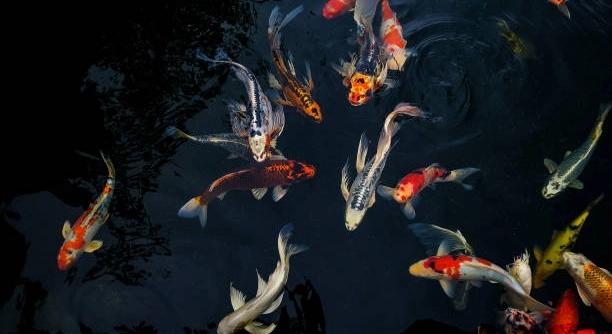
Is your koi pond ready for strong winds, heavy rain, or sudden temperature changes that come with seasonal storms and unpredictable weather shifts? Taking the right precautions can help protect your fish and your setup from damage.
The best way to prepare a koi pond for storms is by securing equipment, trimming nearby trees, checking drainage, and installing protective covers. These steps help maintain water quality, prevent flooding, and ensure your koi remain safe during harsh conditions.
Learning these steps ahead of time will help you respond quickly and keep your koi pond in good shape before storms hit.
Clear Debris and Check Pond Edges
Storms often blow loose items into ponds, making it harder to maintain clean water. Remove leaves, branches, and anything that could clog your filters or harm your fish. Walk around the pond and look closely at the edges. Make sure there are no loose rocks, overhanging branches, or objects that could fall in during heavy winds. Remove any weak or dead plants that could break off and wash into the pond. Cleaning and clearing the area around your pond gives you better control of what ends up in the water. This step also helps protect your koi from sudden changes in water quality caused by debris buildup. A clean pond is easier to manage during a storm, and clearing the surroundings now could save you from dealing with messier problems later.
Removing clutter helps your koi swim safely and keeps storm runoff from polluting your pond.
Even a small amount of fallen branches, blown-in soil, or decomposing leaves can harm your koi’s environment. Debris quickly increases ammonia levels and affects oxygen balance. That kind of change can stress your koi or even cause health problems. Keeping the space around the pond tidy gives you a better chance of avoiding complications after storms. While it may seem like a small task, it’s one of the most effective ways to prevent damage and reduce the need for emergency clean-up. Do a quick inspection before a storm hits, and make sure nothing is left that could wash into the pond. You’ll make things easier on yourself and provide a safer habitat for your koi.
Secure Equipment and Install Netting
Filter boxes, air pumps, and other pond equipment should be tied down or placed somewhere secure before a storm rolls in.
Exposed equipment can be knocked over or damaged by high winds and water. Protecting pumps and electrical parts from moisture also reduces the chance of short-circuits or total equipment failure. If your filter or air pump is on a platform, double-check that it’s stable. Install pond netting to keep out flying debris and keep leaves from piling up in the water. A net can also protect your koi from predators that may wander in during storms, such as raccoons or birds. Some pond owners use mesh covers, which offer more protection and are usually easy to remove once the storm passes. Make sure the netting is tightly fastened at the edges so it won’t get blown into the pond itself. These quick adjustments keep your system running and your koi protected until the weather calms down.
Check Drainage and Prevent Overflow
Poor drainage can cause pond water to rise quickly, flooding your yard or washing out important pond features. Make sure nearby gutters, slopes, and pathways direct water away from the pond’s edge instead of into it.
Walk around the pond and look for low spots or areas where water collects during heavy rain. These spots can push muddy water into the pond and raise ammonia levels. If your pond sits lower than the surrounding ground, consider building a slight berm or edge to block runoff. French drains, gravel trenches, or even temporary sandbags can help redirect water. Also, test your overflow system to confirm it’s clear and working properly. A clogged outlet can cause your pond to flood fast during a downpour. Checking these areas regularly will help prevent sudden overflow and protect your koi from exposure to harmful stormwater.
Stormwater runoff can change the pond’s chemistry, especially if fertilizers or oils wash in. Overflowing water can also carry your fish out of the pond if there’s no barrier in place. Installing a raised edge or overflow pipe helps keep water levels under control. You might also consider extending downspouts or redirecting roof runoff using flexible tubing. If the soil around your pond tends to stay soggy, adding a gravel border can help reduce erosion. Pay attention to changes after each rain, and adjust your setup as needed. Taking time to control water flow now gives you a much better chance of keeping your pond safe during stronger storms.
Trim Plants and Strengthen Structures
Weak tree limbs or tall plants near the pond can break easily during strong winds and fall into the water. Trim anything that looks unstable or too close to the pond’s edge to lower that risk.
Strong winds and rain can snap branches, bend reeds, or uproot unstable shrubs, all of which can disrupt your pond. Look for overgrown plants, leaning trunks, or branches hanging above the pond and cut them back. If you have bamboo, ornamental grasses, or tall water plants, make sure they’re tied securely or trimmed to a safer height. Focus on any tree limbs that seem cracked or dead—they’re more likely to fall. Also, check trellises, fences, or shade covers. These should be anchored firmly or removed if they seem weak. Even lightweight garden décor should be brought inside. Making these adjustments will help reduce damage to the pond, avoid clogged filters, and keep your fish from getting injured.
Adjust Feeding and Monitor Fish Behavior
Reduce feeding when a storm is approaching since koi eat less when the weather shifts. Uneaten food can decay quickly and pollute the water, especially if the filters are under stress during heavy rainfall or power loss.
Watch your koi closely for signs of stress like sluggish movement or gasping at the surface. Sudden changes in water quality caused by rain or runoff can affect oxygen levels and temperature. Early signs help you take action faster and prevent bigger problems later.
Prepare for Power Outages
If a power outage is likely, have battery-operated air pumps or backup power sources ready to keep water circulating. Stagnant water leads to oxygen drops and filter shutdowns, which can become dangerous fast. Test your backup gear ahead of time so you’re not caught off guard. Store extra batteries and keep extension cords dry and labeled. You can also lower the pond’s water level slightly to help control overflow if the pumps stop working. Preparation here can make a big difference in keeping your koi healthy and your pond safe until power returns.
Cover Pond With Net or Mesh
Secure a pond net or mesh over the water to catch falling debris. It keeps branches and leaves from entering the pond and also helps protect your koi from sudden predators that come out during storms.
FAQ
How soon should I prepare my koi pond before a storm?
Preparing your koi pond at least 24 to 48 hours before a forecasted storm gives you enough time to secure equipment, trim plants, and clear debris. Early preparation helps prevent last-minute stress and reduces the risk of damage from strong winds or heavy rain.
Can I leave my koi pond uncovered during a storm?
Leaving the pond uncovered increases the chance of leaves, branches, and debris falling into the water. A net or mesh cover will protect your pond and fish from debris and predators, making cleanup easier after the storm passes.
What is the best way to protect pond equipment during storms?
Secure pumps, filters, and electrical components by tying them down or moving them to sheltered areas. Use waterproof covers if possible, and unplug any non-essential equipment to avoid electrical damage during power surges or outages.
Should I stop feeding my koi before a storm?
Yes, reduce or stop feeding your koi 24 hours before the storm. Koi eat less in cooler or changing weather, and uneaten food can foul the water, stressing your fish and increasing the load on your filtration system.
How do I handle power outages affecting my pond?
Have battery-operated air pumps or a generator ready to maintain water circulation and oxygen levels during outages. Test backup equipment regularly and keep batteries charged so your koi stay safe when power is lost.
Is trimming trees and plants near the pond necessary?
Trimming weak branches and overgrown plants reduces the risk of debris falling into the pond during storms. It also protects your koi from injury and prevents clogged filters, which can affect water quality and fish health.
What drainage solutions work best around koi ponds?
Ensure gutters and landscaping direct water away from the pond to prevent flooding. Installing French drains or gravel trenches helps control runoff. Regularly check overflow pipes to keep them clear and functional during heavy rain.
How can I prevent my pond from overflowing?
Maintain proper drainage and install overflow pipes or raised edges around the pond. Consider redirecting roof runoff and using sandbags or temporary barriers if heavy storms are expected to protect pond edges and nearby landscaping.
What should I do after the storm passes?
Clean out debris from the pond surface and check filters for clogs. Inspect plants and structures for damage and trim any broken branches. Test water quality, including pH and ammonia levels, and make adjustments to ensure a healthy environment for your koi.
Can storms harm koi fish directly?
Yes, storms can stress koi due to sudden changes in water temperature, oxygen levels, and water quality. Flying debris or fallen branches can physically injure them. Preparing your pond reduces these risks and helps your fish stay safe and healthy.
How often should I inspect my pond for storm readiness?
Check your pond’s condition before every season with a higher risk of storms. Regular maintenance and seasonal inspections help you spot weak points, clogged drains, or overgrown plants before they become problems during bad weather.
Are there specific materials to avoid near koi ponds during storms?
Avoid placing lightweight or unstable objects near the pond that can blow in or fall during storms. Choose sturdy plants and secure decorations. Keep chemicals and fertilizers stored away to prevent runoff contamination during heavy rain.
These answers cover common concerns about storm-proofing koi ponds. Following these simple steps helps protect your pond, equipment, and fish from damage and stress when bad weather strikes.
Final thoughts on preparing koi ponds for storms focus on the importance of regular maintenance and proactive care. Storms can bring heavy rain, strong winds, and sudden temperature changes that affect both the pond environment and the fish living in it. Taking time to check your pond’s drainage, trim nearby plants, and secure equipment before bad weather hits is a simple way to avoid costly repairs and protect your koi’s health. These small steps done ahead of time make a big difference during and after a storm.
Another key point is monitoring water quality and fish behavior closely during and after storms. Heavy rain can cause runoff that changes water chemistry, sometimes introducing harmful substances or increasing ammonia levels. It’s important to remove debris like leaves and branches quickly to keep filters from clogging and maintain proper oxygen levels. Watching how your koi act—whether they are more sluggish or gasping at the surface—can help you spot problems early. Acting fast to clean the pond, adjust feeding, and test water quality supports your fish’s recovery and prevents long-term damage.
Finally, having backup plans in place for power outages or extreme weather adds an extra layer of security for your pond. Battery-operated air pumps, backup generators, and pond covers can keep water circulating and prevent debris from entering the pond. These preparations can save your koi during storms when electricity is lost or when heavy winds blow things around. Keeping your pond ready for storms year-round through routine checks and updates will help you maintain a safe and healthy environment for your fish no matter the weather. Taking these steps ensures your koi pond remains a beautiful and thriving part of your outdoor space.

Hello,
If you enjoy the content that we create, please consider saying a "Thank You!" by leaving a tip.
Every little bit helps us continue crafting quality advice that supports the health, happiness, and well-being of pets around the world, for pets of all shapes, sizes, and species.
We really appreciate the kindness and support that you show us!