
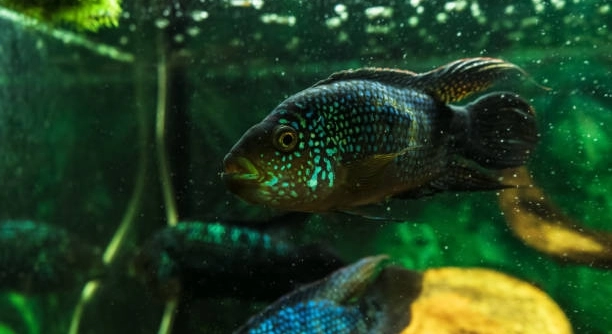
Jack Dempsey fish are known for their lively swimming and colorful appearance in home aquariums. When these fish suddenly stop swimming, it can be worrying for any fish owner who enjoys a healthy and active tank environment.
If a Jack Dempsey fish stops swimming, immediate attention to water quality, temperature, and oxygen levels is crucial. Poor water conditions, stress, illness, or injury are common causes, and addressing these factors promptly can restore normal behavior.
Understanding these basic care principles helps prevent further problems and keeps your fish healthy and active in its tank environment.
Common Reasons Jack Dempsey Fish Stop Swimming
Jack Dempsey fish can suddenly stop swimming for several reasons, and noticing these signs early can make a big difference. Poor water quality is a frequent issue, especially if ammonia or nitrite levels rise. Temperature changes can also stress them, as they prefer stable, warm water around 78–82°F. Stress from overcrowding or aggressive tank mates can cause them to hide or remain still. Illnesses like bacterial infections or parasites may weaken their swimming ability. Even sudden changes in diet or feeding habits can lead to lethargy. Observing your fish daily helps catch changes before they become serious. Maintaining clean, balanced water, proper temperature, and a calm environment ensures your fish stays active. Knowing their normal behavior makes it easier to spot problems early. In many cases, adjusting water conditions and monitoring their health can quickly restore their energy and swimming patterns.
Regular water testing and keeping the tank clean reduces health risks for Jack Dempsey fish.
Monitoring water parameters and removing stress factors is essential. Small adjustments often restore swimming activity and improve overall fish health.
Immediate Steps to Take When Swimming Stops
Check water temperature, pH, and ammonia levels before making any other changes.
If your Jack Dempsey fish stops swimming, start by testing the water for ammonia, nitrites, and pH levels. Ensure the temperature is stable and within the recommended range. Remove any aggressive tank mates temporarily and reduce stress by limiting sudden movements or loud noises near the tank. Observe for visible signs of disease like spots, frayed fins, or unusual swelling. If water quality is poor, perform a partial water change to restore balance, and make sure filtration is working properly. Offer a light, easily digestible meal to prevent further strain. For persistent lethargy, isolating the fish in a quarantine tank may help prevent spreading illness. Tracking changes over a few days helps determine whether the problem is environmental or health-related. Immediate action improves the chances of recovery and keeps your tank healthy for other fish.
Identifying the cause quickly is vital for recovery. Prompt care minimizes health risks and helps Jack Dempsey fish regain normal swimming behavior.
Adjusting Water Quality
Maintaining clean water is essential for Jack Dempsey fish. Regular testing for ammonia, nitrites, nitrates, and pH keeps the environment safe. Poor water quality can quickly lead to stress, illness, and lack of swimming activity. Small changes prevent big problems.
A partial water change of 20–30% each week helps maintain balanced water conditions. Using a dechlorinator and ensuring proper filtration supports a healthy habitat. Avoid sudden large changes in temperature or pH, as Jack Dempsey fish are sensitive to rapid shifts. Consistent monitoring and small, gradual adjustments protect their health. Overfeeding should be avoided, as leftover food can pollute the water and encourage harmful bacteria. Regular observation helps detect early signs of water-related stress, including reduced swimming. These steps create a stable environment where your fish can thrive.
Even with proper maintenance, stress from overcrowding or aggressive tank mates can worsen if water quality is ignored. Keeping the tank clean and observing fish behavior ensures a calmer, more active fish. Avoid crowding and provide hiding spaces to reduce tension. Combining proper water care with a stable environment minimizes the risk of lethargy. By addressing both water quality and tank dynamics, your Jack Dempsey fish will be more likely to swim actively and remain healthy. Consistency is key to long-term fish wellness.
Observing for Illness
Lethargy, faded colors, and frayed fins are clear signs of potential illness. Early detection allows for faster treatment and better recovery. Monitoring behavior daily helps catch problems before they escalate.
Jack Dempsey fish may develop bacterial infections, parasites, or fungal issues that affect swimming. Isolating a sick fish in a quarantine tank prevents spreading disease. Treating the water with appropriate medications and keeping the environment clean is crucial. Regular observation ensures that even subtle changes in behavior or appetite are noticed. Stress, poor diet, and water fluctuations can weaken the immune system, making fish more susceptible. By addressing symptoms early, you increase the likelihood of a full recovery and maintain the health of the rest of the tank.
Preventing illness includes maintaining stable water parameters and avoiding sudden changes in environment or diet. Adequate nutrition and limited stress improve resistance to disease. Routine checks for visible signs, such as spots, swelling, or unusual swimming patterns, allow for immediate intervention. Removing sick fish, adjusting feeding, and keeping the tank clean support healing. A calm, consistent environment promotes recovery and prevents future health issues. Combining observation with proper care ensures Jack Dempsey fish remain active and healthy, reducing the risk of sudden swimming stops and improving overall wellbeing.
Proper Tank Setup
Jack Dempsey fish need enough space to swim freely. Overcrowded tanks can lead to stress, aggression, and reduced activity. Providing adequate hiding spots helps them feel secure.
Tank decorations should be arranged to allow open swimming areas. Rocks, plants, and caves offer shelter without restricting movement. Proper layout reduces stress and encourages natural behavior, keeping your fish more active and healthy.
Feeding Practices
Feeding your Jack Dempsey fish the right diet is important. Avoid overfeeding, which can pollute water and harm their health. Offer a balanced mix of high-quality pellets, occasional live or frozen foods, and vegetables. Small, frequent meals help maintain energy without overwhelming the tank environment.
Temperature and Oxygen Control
Maintaining stable water temperature and sufficient oxygen levels keeps fish active. Sudden drops or low oxygen can cause lethargy.
FAQ
Why has my Jack Dempsey fish suddenly stopped swimming?
A Jack Dempsey fish may stop swimming due to poor water quality, illness, stress, or sudden changes in its environment. Low oxygen levels, high ammonia or nitrite, or rapid temperature shifts can weaken them. Observing daily behavior helps identify the exact cause.
How do I check if my fish is sick?
Look for faded colors, frayed fins, swelling, spots, or unusual swimming patterns. Loss of appetite and prolonged hiding are also signs. Sick fish often appear sluggish and may stay at the bottom or float near the surface. Early detection improves recovery chances.
What is the best way to improve water quality quickly?
Perform a partial water change of 20–30% immediately. Test for ammonia, nitrites, nitrates, and pH. Ensure proper filtration and remove any uneaten food. Small, consistent water adjustments prevent shocking the fish while restoring a healthier environment.
Can stress cause my Jack Dempsey to stop swimming?
Yes. Overcrowding, aggressive tank mates, sudden noises, or frequent movement near the tank can stress them. Providing hiding spots and minimizing disturbances helps the fish feel secure. Stress reduction often restores normal swimming behavior.
How often should I feed my Jack Dempsey fish?
Feed small portions once or twice daily. Avoid overfeeding, which can foul the water and cause lethargy. Include high-quality pellets, occasional live or frozen foods, and some vegetables for a balanced diet. Remove leftover food promptly.
Do temperature changes affect swimming activity?
Jack Dempsey fish prefer stable water around 78–82°F. Sudden drops or spikes can stress them, leading to reduced swimming or hiding. Using a heater and monitoring temperature consistently maintains comfort and encourages activity.
Is it necessary to isolate a sick fish?
Yes. Placing a sick fish in a quarantine tank prevents spreading disease and allows targeted treatment. Keep water conditions stable, provide proper medication if needed, and monitor for improvement before returning the fish to the main tank.
Can lack of oxygen make my fish stop moving?
Low oxygen levels can cause lethargy and irregular swimming. Ensure proper filtration, aeration, and avoid overcrowding. Adding an air stone or adjusting water flow helps maintain sufficient oxygen levels for healthy swimming.
How long does it take for a Jack Dempsey fish to recover?
Recovery depends on the cause. Minor stress or water issues may show improvement in a few hours to days. Illness or injuries may take several days to weeks with proper care. Consistent monitoring is key to ensuring full recovery.
What preventive measures keep my fish healthy?
Regular water testing, stable temperature, proper feeding, and avoiding overcrowding are essential. Observe behavior daily and provide hiding spots. Early intervention at the first signs of stress or illness reduces the chance of serious problems and keeps your fish active.
Can diet affect swimming behavior?
Yes. Poor nutrition weakens the fish, causing lethargy. Feeding a balanced diet of pellets, live or frozen foods, and occasional vegetables ensures proper energy levels and supports normal swimming. Avoid overfeeding, as it can pollute the tank and create health issues.
Are Jack Dempsey fish sensitive to new tank mates?
They can be territorial. Aggressive or overly active tank mates can stress them, leading to reduced swimming or hiding. Introduce compatible species gradually, provide sufficient space, and ensure each fish has its own territory to reduce tension.
Should I adjust lighting if my fish is inactive?
Too much light or sudden changes can stress fish. Maintaining a consistent light schedule of 8–10 hours per day and providing shaded areas helps them feel secure and encourages normal activity. Avoid constant bright lights or sudden on/off changes.
How do I know if water quality is stable?
Use test kits for ammonia, nitrites, nitrates, and pH. Consistent readings within safe ranges indicate stability. Regular partial water changes and proper filtration prevent sudden fluctuations, supporting healthy swimming and overall wellbeing.
Can old age cause swimming problems?
Older Jack Dempsey fish may slow down naturally. While minor lethargy can be normal, sudden stops or unusual behavior usually indicate health or water issues. Monitor closely and maintain ideal conditions to support their comfort and activity.
How can I safely clean the tank without stressing my fish?
Perform gradual partial water changes, clean decorations gently, and avoid sudden movements near the tank. Keep water temperature stable and provide hiding spots during cleaning. Small, careful adjustments minimize stress and encourage normal swimming behavior.
Is it normal for Jack Dempsey fish to rest at the bottom?
Occasional resting is normal, but prolonged inactivity or staying at the bottom constantly may indicate stress, poor water quality, or illness. Consistent observation and maintaining optimal tank conditions help differentiate normal behavior from warning signs.
Can medications affect swimming?
Some treatments can temporarily reduce activity. Always follow dosage instructions, monitor the fish, and maintain clean water. Combining medication with proper care and minimal stress supports recovery without long-term swimming issues.
How do I encourage my fish to swim again?
Stabilize water quality, maintain proper temperature and oxygen levels, reduce stress, and ensure a balanced diet. Observing and adjusting the tank environment gradually encourages activity and restores normal swimming behavior.
What long-term care helps prevent swimming problems?
Regular monitoring of water quality, consistent feeding, appropriate tank setup, and minimizing stress are essential. Routine checks for disease and compatible tank mates ensure that Jack Dempsey fish remain active, healthy, and less likely to stop swimming unexpectedly.
Final Thoughts
Jack Dempsey fish are lively and beautiful creatures, but they require consistent care to stay healthy. A sudden stop in swimming is usually a sign that something in their environment needs attention. Water quality is the most common factor affecting their behavior. Testing for ammonia, nitrites, nitrates, and pH regularly helps prevent problems before they become serious. Partial water changes, proper filtration, and avoiding overfeeding are simple steps that make a big difference. Maintaining a stable temperature around 78–82°F also reduces stress and supports normal activity. Small adjustments in care, when done consistently, keep the tank safe and comfortable for the fish. Even minor neglect can lead to health issues, so paying attention to daily habits is important for long-term success.
Observing your Jack Dempsey fish closely is just as important as maintaining water conditions. Changes in color, fins, appetite, or swimming patterns can indicate stress or illness. Isolating sick fish in a quarantine tank allows for treatment without affecting others. Providing hiding spaces and a calm environment reduces stress and encourages natural swimming behavior. Stress can be caused by aggressive tank mates, overcrowding, or sudden movements around the tank, so minimizing disturbances is important. Feeding a balanced diet that includes high-quality pellets, occasional live or frozen foods, and vegetables supports energy and overall health. Avoid overfeeding, as leftover food can pollute the water and create harmful bacteria. Regular observation, combined with proper feeding and environmental care, ensures your fish remain active and healthy.
Long-term care involves keeping the tank clean, monitoring water parameters, and providing a stable environment. Preventive measures reduce the risk of illness and keep swimming behavior normal. Even older fish may slow down, but sudden inactivity usually signals a problem that needs attention. Maintaining a consistent routine for feeding, cleaning, and checking water quality helps prevent surprises and keeps the fish comfortable. Understanding their behavior, recognizing early signs of stress or illness, and acting promptly will improve your fish’s quality of life. With proper care, Jack Dempsey fish can remain active, vibrant, and healthy for years. Consistency, observation, and patience are key to ensuring that your fish thrive in their tank environment.

Hello,
If you enjoy the content that we create, please consider saying a "Thank You!" by leaving a tip.
Every little bit helps us continue crafting quality advice that supports the health, happiness, and well-being of pets around the world, for pets of all shapes, sizes, and species.
We really appreciate the kindness and support that you show us!