
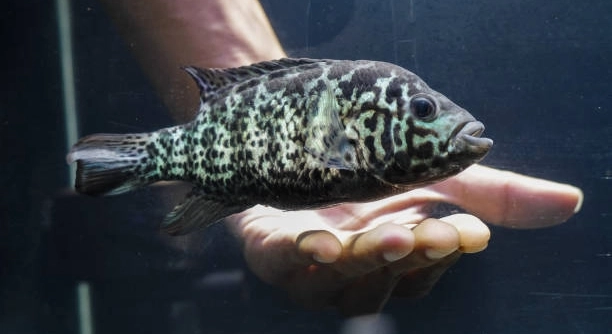
Jack Dempsey fish are popular for their vibrant colors and lively personalities, making them a favorite among aquarium enthusiasts. Observing them closely can help identify subtle signs of stress or health issues before they worsen.
When a Jack Dempsey fish floats sideways, it usually indicates a problem with its swim bladder or internal health. Swim bladder disorders can cause imbalance, while infections or injuries may also lead to this unusual swimming behavior. Immediate attention is recommended.
Noticing sideways swimming early allows for prompt care, preventing further complications and helping your fish regain stability and normal activity.
Common Causes of Sideways Swimming
Jack Dempsey fish may swim sideways due to swim bladder disorders, which affect buoyancy and balance. Overfeeding, gulping air at the surface, or rapid changes in water temperature can stress the swim bladder. Bacterial infections or parasites can also interfere with normal swimming patterns.
Water quality problems can worsen the issue quickly. Poor filtration, high ammonia levels, or sudden pH fluctuations increase stress on the fish.
It is important to observe other signs alongside sideways swimming. Loss of appetite, clamped fins, or lethargy often appear with swim bladder issues or infections. Removing uneaten food promptly, maintaining a stable temperature, and checking water parameters regularly help prevent the problem. In some cases, a short fast or feeding shelled peas can relieve minor swim bladder stress. If the behavior continues or worsens, consulting a veterinarian who specializes in fish is advisable to address potential infections or internal injuries. Timely action can improve recovery and restore normal swimming.
Water Conditions and Tank Management
Poor water conditions are a significant factor in Jack Dempsey health. Regular monitoring is essential to prevent stress and illness.
Maintaining stable water temperature, proper pH, and consistent filtration reduces the risk of swim bladder problems. Frequent water changes help remove toxins, and avoiding overcrowding ensures each fish has enough space. Overfeeding or sudden dietary changes can also affect swimming behavior. Keeping the tank environment clean and predictable allows the fish to swim normally. Observation of behavior after adjustments helps determine if conditions are the source of the issue. Proper tank management is key for long-term health and stability, reducing the likelihood of sideways swimming caused by stress or environmental factors.
Diet and Feeding Habits
Overfeeding is a common cause of swim bladder issues in Jack Dempsey fish. Large meals can create excess gas or constipation, making it difficult for the fish to maintain balance. Feeding smaller portions more frequently can help prevent these problems and keep your fish active.
A diet high in dry flakes or pellets can sometimes contribute to bloating. Incorporating a mix of frozen or live foods, such as brine shrimp or bloodworms, can improve digestion. Occasionally feeding a shelled pea can help relieve minor constipation and reduce buoyancy problems. Observing how the fish responds to dietary adjustments is essential for maintaining balance and preventing sideways swimming.
Consistency in feeding times also supports swim bladder health. Sudden changes or skipping meals can stress the fish, worsening balance issues. Keeping a steady routine and monitoring portion sizes allows you to identify early signs of dietary-related problems. Adjustments based on observation can quickly restore normal swimming behavior and overall vitality.
Illness and Infection
Bacterial or parasitic infections can lead to swim bladder disorders in Jack Dempsey fish. Symptoms often include lethargy, loss of appetite, and abnormal swimming patterns, including floating sideways or tilting.
Infections may develop from poor water quality or stress. Even minor injuries can allow bacteria to take hold. Treating the underlying infection promptly is crucial. Medications specifically formulated for aquarium fish, such as antibiotics or antiparasitic treatments, can address these health issues effectively. Maintaining clean water during treatment prevents reinfection and supports recovery. Regular observation allows early detection of illness before it worsens, reducing the risk of long-term complications.
Preventive care is essential for avoiding swim bladder problems caused by infection. Keeping the tank clean, performing routine water changes, and avoiding overcrowding limit exposure to harmful bacteria or parasites. Quarantining new fish before introducing them to the main tank helps prevent the spread of illness. Monitoring the behavior and appetite of each fish ensures that signs of infection are detected quickly. By combining good tank management, proper diet, and early treatment, most Jack Dempsey fish can recover from infections and regain normal swimming habits efficiently.
Temperature and Environmental Stress
Sudden changes in water temperature can affect a Jack Dempsey’s swim bladder, causing it to float sideways. Keeping the tank temperature stable within the recommended range helps maintain balance and reduces stress. Consistency in the environment supports overall health and normal swimming behavior.
Crowding or excessive movement in the tank can also stress the fish. Overcrowding increases competition for food and space, while strong currents may make swimming difficult. Reducing tank disturbances and providing hiding spots allows the fish to feel secure, minimizing stress-related balance issues.
Physical Injuries
Jack Dempsey fish may tilt or float sideways after a physical injury. Collisions with decorations, tank walls, or aggressive tank mates can damage internal organs or the swim bladder, affecting buoyancy.
Monitoring and Early Intervention
Careful observation of daily behavior is crucial. Noticing changes early allows for adjustments in feeding, water quality, or treatment to prevent minor problems from becoming serious.
FAQ
What should I do if my Jack Dempsey floats sideways?
First, check the water quality, including temperature, pH, ammonia, and nitrate levels. Correcting any imbalances can quickly reduce stress. Next, adjust feeding habits by offering smaller portions and removing uneaten food. If the fish shows no improvement, consider consulting a veterinarian for possible swim bladder issues or infection.
Can diet cause swim bladder problems?
Yes, overfeeding or a diet high in dry flakes can lead to constipation and bloating, affecting buoyancy. Including live or frozen foods like brine shrimp, bloodworms, or occasional shelled peas can improve digestion. Feeding smaller meals more frequently helps maintain balance and prevents sideways swimming.
Is sideways swimming always a sign of illness?
Not always. Swim bladder disorders, water quality issues, or minor stress can cause temporary tilting. Observing other signs such as lethargy, loss of appetite, or clamped fins can help determine if an infection or more serious problem is present.
How long does it take for a Jack Dempsey to recover from swim bladder issues?
Recovery time varies depending on the cause. Minor dietary or environmental adjustments can show improvement within a few days. Infections or injuries may require weeks of treatment. Prompt intervention generally leads to faster recovery.
Can I treat swim bladder problems at home?
Mild cases caused by diet or minor stress can often be managed at home. Adjust feeding, check water conditions, and provide a calm environment. Severe or persistent cases should be assessed by a veterinarian to prevent complications.
Does tank size affect swimming behavior?
Yes. A cramped or overcrowded tank can stress the fish and make it difficult to swim freely. Providing adequate space and hiding spots allows the fish to move naturally and reduces the risk of injury or swim bladder issues.
Are there signs that indicate a serious problem?
Signs include prolonged sideways swimming, rapid gill movement, loss of appetite, clamped fins, or visible swelling. These symptoms often indicate infection, injury, or severe swim bladder disorder that requires immediate attention.
Can water temperature changes cause floating issues?
Sudden temperature shifts can affect metabolism and buoyancy, leading to sideways swimming. Keeping the tank within a stable range appropriate for Jack Dempsey fish minimizes stress and supports normal behavior. Gradual changes are safer than abrupt adjustments.
Do aggressive tank mates contribute to swim bladder problems?
Aggression can lead to stress or injuries, both of which may affect swimming. Isolating the affected fish temporarily or ensuring compatible tank mates helps prevent further issues and allows the fish to recover.
How often should I monitor my fish for problems?
Daily observation is best. Watching for changes in swimming patterns, appetite, or activity levels helps catch problems early. Regular monitoring combined with proper feeding and water maintenance ensures long-term health and reduces the chance of swim bladder complications.
Are medications necessary for recovery?
Medications may be required for infections, parasites, or severe internal injuries. Antibiotics or antiparasitic treatments formulated for aquarium use can address the root cause. For minor dietary or environmental issues, medications are often unnecessary.
Can stress alone cause a Jack Dempsey to swim sideways?
Yes. Stress from overcrowding, loud vibrations, frequent handling, or sudden environmental changes can temporarily affect balance. Minimizing stressors and maintaining a calm, stable tank environment supports normal swimming behavior.
Should I separate a sideways-floating fish from others?
Isolation is often beneficial. A separate tank or safe area reduces stress and prevents potential injuries from tank mates. It also makes it easier to monitor feeding and administer any treatments required for recovery.
Is there a permanent risk if swim bladder issues recur?
Repeated problems can lead to chronic swimming difficulties or internal damage. Identifying and correcting underlying causes, such as diet, water quality, or tank conditions, helps prevent recurrence and ensures long-term health.
Can physical injuries heal on their own?
Minor injuries may heal with proper care, a clean tank, and minimal stress. Severe internal injuries often require veterinary assessment. Early intervention improves the chances of full recovery and normal swimming behavior.
Do all Jack Dempsey fish respond the same way to treatment?
No. Individual fish may react differently depending on age, overall health, and severity of the problem. Observing responses to adjustments in diet, environment, or medication is essential for effective care.
How can I prevent swim bladder problems in the future?
Maintain stable water conditions, avoid overfeeding, provide a balanced diet, and reduce stressors. Regular monitoring and early intervention at the first sign of imbalance or illness can prevent serious issues and support a healthy, active fish.
Final Thoughts
Observing a Jack Dempsey fish floating sideways can be alarming, but it is often a signal that something in its environment or health needs attention. Swim bladder issues, dietary problems, stress, infections, or injuries are the main reasons this behavior occurs. Understanding these causes helps prevent further complications and ensures the fish can return to normal swimming patterns. Regular observation is important because early detection allows small problems to be corrected before they become serious. Simple adjustments to feeding habits, tank conditions, and general care often make a significant difference in the fish’s health and behavior.
Maintaining water quality is one of the most effective ways to prevent swim bladder issues. Regular water changes, monitoring pH and ammonia levels, and keeping a stable temperature create a safe environment for the fish. Overcrowding and aggressive tank mates can increase stress and lead to injuries, so it is important to provide enough space and calm surroundings. Even minor stressors, such as sudden movements or frequent handling, can affect a fish’s buoyancy. By managing these factors, the risk of sideways swimming decreases, and the fish is more likely to remain active and healthy.
Diet also plays a key role in maintaining swim bladder function. Overfeeding, dry or low-quality foods, and sudden dietary changes can cause bloating or constipation, which impacts buoyancy. Including a mix of live or frozen foods and occasional vegetables like shelled peas can help digestion and reduce swim bladder stress. Observing how the fish responds to feeding adjustments allows for quick intervention if issues arise. Combining proper diet, water management, and careful monitoring creates a stable routine that supports overall well-being. With consistent care and attention, most Jack Dempsey fish can recover from sideways swimming and continue to thrive in their aquarium environment.

Hello,
If you enjoy the content that we create, please consider saying a "Thank You!" by leaving a tip.
Every little bit helps us continue crafting quality advice that supports the health, happiness, and well-being of pets around the world, for pets of all shapes, sizes, and species.
We really appreciate the kindness and support that you show us!