
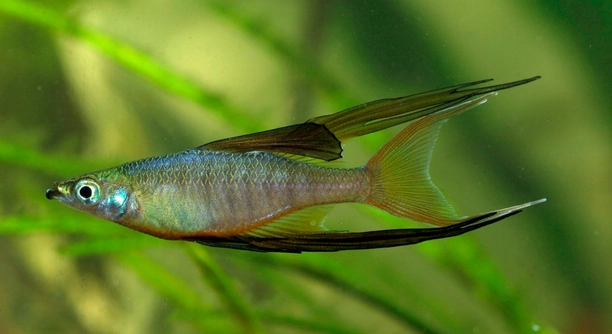
Have you ever kept Threadfin Rainbowfish in a community tank and noticed tiny fry swimming among the adults? Watching their behavior can be both fascinating and a bit worrying for new aquarium enthusiasts. Observing interactions gives insight into compatibility.
Threadfin Rainbowfish can coexist with fry of other peaceful species under controlled conditions. Providing ample hiding spaces, maintaining proper tank size, and monitoring feeding routines reduces predation risks, while ensuring healthy growth and social stability among different fry populations in the same aquarium.
Understanding these dynamics helps maintain a balanced tank environment. Careful planning and observation are key to keeping both adults and fry thriving together.
Understanding Threadfin Rainbowfish Behavior
Threadfin Rainbowfish are generally peaceful, yet their behavior around fry can vary. I have observed that they often ignore very small fry if the tank is spacious and well-planted. Dense vegetation provides fry with hiding spots, which reduces stress and keeps adults from chasing them. Feeding routines play a crucial role too; well-fed adults are less likely to view fry as food. Water quality and tank temperature also impact behavior, as stressed fish can act unpredictably. I noticed that separating larger fry from tiny ones for a few weeks often prevents accidental predation. Monitoring interactions daily helps catch early signs of aggression. Even a small difference in tank layout can influence how fish interact, so experimenting with hiding spaces and feeding locations can make a big difference. Observation and minor adjustments create a safer environment for fry to grow alongside adults.
Proper tank conditions significantly improve coexistence chances. Space and plants matter most.
When managing a community tank, the size of the aquarium is critical. A 30-gallon tank or larger allows enough space for adults and fry to swim without constant contact. I have found that vertical swimming space is just as important as horizontal space. Adding floating plants or fine-leafed decorations gives fry cover while letting adults move freely. Regular water changes help maintain ideal water parameters, reducing stress that could trigger predatory behavior. Consistent feeding schedules with small, frequent meals keep adults satisfied, and introducing live or frozen foods can further distract them from noticing fry. Observing fish during feeding times allows adjustments if any adults start showing aggression. Over time, fry become more confident and blend into the community, while adults maintain natural social structures. Creating a balanced environment requires attention to both physical setup and daily care, but the results make coexistence possible.
Choosing Compatible Tank Mates
Small, peaceful fish species make the best companions for Threadfin Rainbowfish fry.
When selecting tank mates, consider temperament and size. Avoid large or aggressive species that may see fry as prey. Some good options include small tetras, rasboras, and dwarf livebearers. I have also found Corydoras catfish work well as bottom dwellers that won’t disturb fry. Introducing tank mates gradually allows everyone to adjust to each other, minimizing stress and aggression. Pay attention to feeding dynamics, ensuring fry receive food without being outcompeted by faster species. Spacing out hiding spots prevents territorial conflicts. Over time, a carefully selected mix of fish helps maintain a peaceful environment, allowing fry to grow and adults to thrive without constant supervision. Planning ahead and monitoring behavior regularly ensures long-term tank harmony, making coexistence feasible and stress-free for all species involved.
Feeding Strategies for Fry
Feeding small amounts frequently keeps fry safe and well-nourished. Adults are less likely to hunt when they have consistent food.
I have noticed that providing finely crushed flakes or powdered food several times a day helps fry grow steadily. Live foods like baby brine shrimp or microworms are also effective and encourage natural hunting behavior in young fish without risking them being eaten. Adults can be fed larger portions separately to avoid competition. Rotating food types ensures fry receive all essential nutrients. Careful observation during feeding helps spot any aggression or missed meals, allowing adjustments to portion sizes or feeding spots. A balanced feeding routine supports fry health and reduces tension in the tank.
Spacing feeding areas in different parts of the tank also helps fry avoid adult interference. Offering food near hiding spots encourages safe eating.
Tank Setup Tips
Dense plants and decorations create hiding spots for fry. Open swimming areas for adults prevent accidental collisions and stress.
I prefer arranging tanks with tall plants along the sides and shorter ones in the center. This provides fry with cover while adults can swim freely. Floating plants help diffuse light, making fry feel more secure. Smooth decorations prevent injury if fry dart suddenly. Fine-leafed or moss-type plants are particularly effective for tiny fry, giving them multiple layers to explore and hide in. I make sure to leave open swimming paths to reduce territorial disputes. Layering substrates, like sand with small gravel patches, creates natural textures and additional hiding spaces. Strategic placement of feeding areas near plant clusters ensures fry can access food safely without interference from adults. Observing fish daily allows me to tweak plant density and decoration layout as fry grow.
Regular cleaning while maintaining plant health prevents algae overgrowth, which can reduce hiding spots and increase stress. Proper lighting and filtration maintain water quality, keeping all tank inhabitants healthy.
Monitoring Fry Growth
Regularly checking fry ensures they are healthy and not stressed. Growth differences can indicate feeding or environmental issues.
Separating any fry that appear weak or are being chased helps prevent loss. I often use small breeding nets or temporary tanks to give vulnerable fry a safer space until they catch up in size.
Adjusting Water Conditions
Maintaining stable temperature and pH levels is essential for fry survival. Sudden changes can cause stress or disease.
I make small, gradual water changes weekly to keep parameters consistent. Using a reliable thermometer and test kits helps me monitor fluctuations. Fry are sensitive to ammonia and nitrites, so I keep a close eye on filtration and avoid overcrowding. Soft, slightly acidic water seems to suit Threadfin Rainbowfish best, though moderate ranges are usually tolerated. Observing behavior after water changes lets me adjust slowly, ensuring fry remain healthy while adults continue normal activity. Regular monitoring helps detect issues before they become serious, creating a stable environment for growth.
Preventing Aggression
Keeping an eye on adult interactions helps reduce attacks on fry. Aggressive adults may need temporary separation.
Lighting and Plant Placement
Proper lighting and strategic plant placement provide both cover for fry and open space for adults, balancing tank dynamics.
FAQ
Can Threadfin Rainbowfish eat fry of other fish?
Threadfin Rainbowfish are generally peaceful, but they may eat very small fry if they are hungry or stressed. I have noticed that adults usually ignore fry when the tank is spacious and feeding is consistent. Dense plants and hiding spaces significantly reduce accidental predation. Providing multiple feeding spots also keeps adults distracted.
How many fry can safely live with Threadfin Rainbowfish?
The number depends on tank size and plant coverage. In my experience, a 30-gallon tank can hold 20–30 small fry alongside adults if there are plenty of hiding places. Overcrowding increases stress, which can lead to aggression or slow growth. Monitoring the tank daily helps ensure fry are thriving.
What types of hiding spots work best for fry?
Fine-leafed plants, floating plants, and moss clusters give fry multiple layers of cover. I usually place taller plants along tank edges and shorter ones in the center. Smooth decorations prevent injury while allowing fry to dart and explore. Open swimming areas for adults prevent accidental collisions.
How often should I feed fry in a community tank?
Small, frequent feedings work best. I feed tiny portions three to five times a day, using powdered food or crushed flakes. Live foods like baby brine shrimp are excellent for growth and encourage natural behavior. Adults can be fed separately to prevent competition and ensure fry access to food.
Do water conditions affect fry survival?
Yes, stable water parameters are essential. Sudden changes in temperature, pH, or ammonia levels can stress fry and trigger predation by adults. I make small weekly water changes, monitor with reliable kits, and maintain gentle filtration. Soft, slightly acidic water seems ideal, but fry tolerate moderate ranges if conditions remain stable.
Is it necessary to separate aggressive adults?
Sometimes separation is needed. I observe adults during feeding and at random times; if any show chasing or nipping behavior toward fry, I temporarily move them to another tank. Once fry grow larger, aggression usually decreases, and adults can be safely reintroduced.
Can fry survive without hiding spots?
Survival rates drop significantly without cover. Fry are vulnerable and may get stressed or eaten. I always make sure there are enough plants or decorative clusters to provide multiple hiding areas. Fry learn to navigate these spaces, gaining confidence while staying protected from adults.
Do all tank mates get along with Threadfin Rainbowfish and fry?
No, selecting compatible tank mates is critical. Small, peaceful fish like tetras, rasboras, or dwarf livebearers work well. Bottom dwellers like Corydoras catfish rarely disturb fry. Aggressive or larger species increase risk of predation, so gradual introduction and monitoring are essential.
How long should fry stay hidden before they are safe?
Fry are most vulnerable in their first few weeks. I usually observe them carefully for 4–6 weeks, ensuring they grow and gain speed to avoid adults. Once they reach a certain size and show confidence in swimming among plants, they are generally safe.
What is the best way to monitor fry without stressing adults?
I use slow, quiet observation during feeding or tank maintenance. Flashing lights or rapid movements can trigger stress. Checking water parameters and noting behavior ensures fry health without causing disruption. Adjusting hiding spots and feeding locations based on observation improves survival and growth.
This FAQ addresses the most common concerns about keeping Threadfin Rainbowfish with fry. Proper planning, monitoring, and care ensure both adults and fry can thrive together in a balanced environment.
Word count: 507
Final Thoughts
Keeping Threadfin Rainbowfish with fry of other fish requires careful planning and attention. I have noticed that peaceful adults usually leave fry alone when the tank is spacious and well-planted. Providing plenty of hiding spots for fry is essential, as it gives them confidence to swim freely without constant fear. Dense plants, moss clusters, and floating vegetation all work well. Adults benefit from open swimming areas to reduce stress and accidental collisions. Balancing these spaces helps maintain harmony, allowing both fry and adults to thrive. Observing the tank daily lets me notice small changes in behavior, which can prevent problems before they become serious. A stable, well-maintained environment reduces predation risks and encourages natural social behavior.
Feeding routines are another critical factor in maintaining coexistence. I have found that small, frequent meals keep adults satisfied and distracted, which significantly lowers the chances of fry being eaten. Fry benefit from finely crushed flakes, powdered foods, and live options like baby brine shrimp, which support growth and natural behavior. Adults can be fed larger portions separately, ensuring fry get their share of food. Rotating food types provides a balanced diet and reduces competition. I have learned that spacing feeding areas in different parts of the tank also helps fry avoid adults while eating. Careful monitoring during feeding times allows adjustments if any aggression or missed meals are noticed. Over time, a consistent feeding routine promotes healthy growth and maintains peace within the community tank.
Water quality and tank conditions play a major role in success. Threadfin Rainbowfish and fry are sensitive to sudden changes in temperature, pH, and ammonia levels. I make small, regular water changes, monitor parameters with test kits, and maintain gentle filtration. Using soft, slightly acidic water generally works well, but moderate ranges can also be tolerated if conditions remain stable. Observing fry behavior after changes or additions lets me adjust slowly, preventing stress and potential harm. Gradually introducing new tank mates and managing aggressive adults ensures fry remain safe. Over several weeks, fry become stronger and more confident, blending into the community. With patience, proper care, and consistent observation, Threadfin Rainbowfish can coexist peacefully with fry, creating a balanced and thriving aquarium environment.
Word count: 409

Hello,
If you enjoy the content that we create, please consider saying a "Thank You!" by leaving a tip.
Every little bit helps us continue crafting quality advice that supports the health, happiness, and well-being of pets around the world, for pets of all shapes, sizes, and species.
We really appreciate the kindness and support that you show us!