
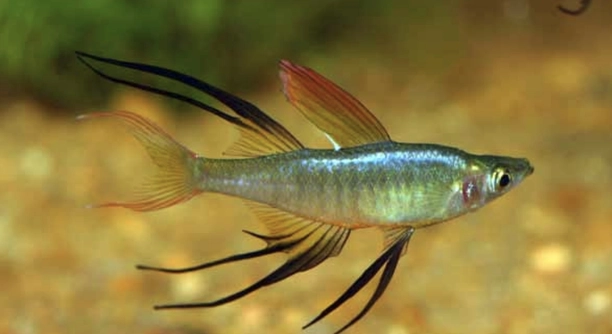
Threadfins are graceful fish often seen gliding through shallow waters. They rely on their sensory systems to locate food and navigate safely, making their daily routines precise and coordinated. Observing them can feel quietly fascinating.
When the filter is off, threadfins may struggle to find clean water and adequate oxygen. They often swim less actively, focus on areas with some movement, and may show signs of stress, relying on instinct to cope with the sudden change.
Understanding their behavior in unfiltered water helps maintain a healthier environment. Observing their responses provides insight into keeping them safe and comfortable in various conditions.
Signs Threadfins Show When the Filter Stops
When the filter stops, threadfins begin to react quickly to the changing environment. They may swim near the surface more often, searching for oxygen-rich water. Some may stay closer to corners or edges, appearing less energetic than usual. Their gills move faster, and fins may twitch as they adjust. Changes in water clarity often catch their attention, and they may avoid murky areas or sudden debris. Feeding patterns also shift, with some threadfins losing appetite or becoming more selective about where they eat. The absence of water movement can make them cluster together, creating small groups to feel more secure. Over time, stress may show as paler coloration or brief bursts of erratic swimming. Observing these behaviors helps identify issues before they worsen, allowing for timely intervention. Maintaining awareness of these subtle changes ensures threadfins stay healthier, even during temporary filtration problems.
Proper observation allows you to notice early stress signs and act before conditions worsen.
Threadfins’ sensitivity to their environment highlights the importance of monitoring water quality closely. They respond almost immediately when conditions change, giving visible signals that should not be ignored. Even short periods without a filter can affect their metabolism and oxygen intake. Some individuals adapt faster, moving slowly to conserve energy, while others may dart rapidly, seeking better conditions. Patterns in swimming, group formation, and feeding behavior all provide clues about their well-being. Quick responses such as adjusting position or clustering demonstrate their natural coping mechanisms. Recognizing these reactions early can prevent long-term health problems, like weakened immune response or reduced growth. Adjusting water parameters, adding temporary aeration, and observing their interactions can make a big difference. Threadfins are resilient, but consistent care and attention are crucial to maintain balance in their environment and ensure they continue to thrive in the aquarium or natural setting.
How to Support Threadfins Without a Filter
Even without a filter, threadfins can remain relatively comfortable with proper care. Temporary solutions include aerating the water and removing debris manually to maintain clarity.
Providing oxygen and reducing waste buildup is essential. Frequent small water changes help stabilize the environment. Moving some water through a portable pump or sponge can mimic gentle filtration. Monitoring temperature and pH is also important, as unfiltered water can fluctuate more than expected. Avoid overfeeding, because uneaten food increases toxins quickly. Creating hiding spots or open swimming areas gives threadfins space to feel secure. Each small adjustment helps reduce stress and encourages normal behavior. Observing the fish closely during this time allows you to respond to sudden changes, ensuring their comfort until filtration is restored. Patience and consistent attention are key in helping threadfins cope with the temporary challenge effectively.
Supporting threadfins without a filter requires awareness and quick actions. They rely on clean, oxygenated water to stay healthy. Without constant filtration, waste can accumulate, oxygen can drop, and subtle changes can become significant quickly. To help them, you must monitor the tank closely, perform partial water changes, and maintain gentle water movement. Using aerators or temporary pumps helps prevent stagnation. Feeding should be controlled to avoid excess waste, and observing their swimming and interactions gives clues about stress. Creating areas with shelter or open swimming space reduces anxiety, allowing threadfins to adjust naturally. These steps maintain a safer environment until the filter is back, minimizing risks associated with poor water quality. Consistent attention and small interventions make a notable difference in their comfort, overall health, and ability to cope with filtration downtime.
Adjusting Feeding Habits
Threadfins eat less when water quality drops. Overfeeding makes stress worse and can lead to harmful waste accumulation in the tank.
Reducing meal size and spacing out feedings helps threadfins stay comfortable during filtration issues. Offer smaller portions more frequently to encourage eating without overloading the water. Choose easily digestible food and remove uneaten bits quickly. Some threadfins may refuse food initially, so patience is key. Monitoring feeding behavior gives insight into their stress levels and overall health, allowing adjustments to prevent digestive or metabolic problems. Temporary changes in diet can help maintain energy while the filter is off.
Even with smaller portions, maintaining a balanced diet is important. Include protein sources and occasional plant matter to meet nutritional needs. Observing which foods are accepted helps determine their preferences under stress. Keep the water clean from leftover food to prevent toxins. Adjust feeding times to match when threadfins are most active, usually early morning or late afternoon. Consistency in feeding reduces anxiety and encourages normal behavior. Small, careful interventions help threadfins remain healthy until regular filtration resumes, minimizing long-term stress or illness.
Monitoring Water Conditions
Water temperature and oxygen levels fluctuate quickly without filtration. Regular checks prevent sudden harmful changes.
Frequent testing is essential. Temperature swings can stress threadfins, so use a thermometer to track changes. Aeration helps maintain oxygen levels, and partial water changes reduce waste buildup. Keep pH and hardness within safe ranges, as these affect fish metabolism and comfort. Observing water clarity also indicates potential problems before they affect health.
Even small imbalances in water chemistry can cause noticeable stress. Removing debris promptly reduces toxins, while gentle water movement encourages oxygen circulation. Aerators or small pumps simulate filter action, keeping water healthier temporarily. Watch for signs like rapid gill movement, unusual swimming patterns, or color fading. Consistent attention to these details ensures threadfins maintain energy and behave normally. Adjusting water conditions carefully prevents long-term health issues and supports recovery until filtration is restored, creating a safer environment during temporary challenges.
Providing Hiding Spots
Threadfins feel safer with places to hide when the filter is off. Rocks, plants, or small decorations create shelter and reduce stress.
Even temporary additions like floating plants can give them security. These hiding spots encourage natural behavior and prevent frantic swimming in open areas.
Encouraging Gentle Swimming
Without water flow from a filter, threadfins may stop moving much. Gentle currents or slight water movement keep them active. They maintain energy and circulation by swimming slowly around the tank, avoiding sudden bursts that waste energy or increase stress.
Observing Social Behavior
Threadfins may cluster or separate more than usual. Watching interactions helps identify stress, illness, or dominance issues.
FAQ
How long can threadfins survive without a filter?
Threadfins can manage for a short period without a filter, usually a few hours to a day, depending on tank size and water conditions. Smaller tanks require more frequent attention because oxygen levels drop faster. Partial water changes and aeration can extend survival, but long-term absence of filtration increases stress and health risks.
What is the best way to provide oxygen when the filter is off?
Using an air pump or aerator is the simplest approach. Even gently moving the water surface improves gas exchange. Pouring water back into the tank from a cup or container can add some movement. Regular monitoring of gill activity helps gauge if oxygen levels are sufficient.
Can threadfins eat normally without a filter?
Feeding should be adjusted. Smaller, more frequent meals are safer to prevent water contamination. Some threadfins may refuse food initially, but offering easy-to-digest flakes or pellets usually works. Removing leftover food promptly is critical to prevent ammonia buildup.
What are the early signs of stress in threadfins?
Rapid gill movement, staying near the surface, fading color, or erratic swimming are common indicators. Some may isolate themselves or cluster unusually. Observing behavior daily helps detect stress before serious health issues occur.
Do temperature changes affect threadfins without a filter?
Yes. Filters often stabilize water temperature, so sudden fluctuations can stress them. Using a heater or checking room temperature can prevent problems. Even a few degrees difference may impact activity, appetite, and immunity.
Is it safe to keep other fish with threadfins when the filter is off?
Compatibility is more important than ever. Aggressive species or fish that stir up sediment can worsen stress. If possible, separate sensitive species temporarily. Calm, passive fish are less likely to trigger panic or competition for oxygen.
How often should water be changed without a filter?
Small, frequent changes are better than a large, infrequent one. Removing 10–20% of water a few times per day helps reduce toxins while keeping conditions stable. Always replace water with dechlorinated, temperature-matched water.
Will adding plants help during filter downtime?
Yes, live plants absorb some waste and release oxygen, slightly improving water quality. Floating or rooted plants offer hiding spots too. They cannot replace filtration but help threadfins feel more secure and reduce the immediate impact of stagnant water.
What should I do if threadfins show signs of illness?
Immediate water changes, aeration, and isolation of sick fish are key. Stress can make them more vulnerable to infections. Adjust feeding and monitor closely. If symptoms persist, seek advice from an aquatic veterinarian.
Can temporary manual filtration help?
Yes. Using a sponge, small pump, or moving water with a cup can mimic filter action. This helps circulate water, reduce waste buildup, and maintain oxygen levels. Even partial filtration minimizes stress and protects long-term health.
How can I reduce long-term stress after the filter is restored?
Return the tank to normal conditions slowly. Resume regular feeding, maintain stable water parameters, and observe behavior closely. Some threadfins may take time to regain normal activity. Consistent care helps prevent lasting damage from temporary filtration loss.
Are there any preventive steps to avoid issues when the filter stops?
Having a backup pump, extra aeration, and monitoring tools like thermometers and water test kits is helpful. Regular maintenance reduces the chance of unexpected failures. Awareness of their behavior allows proactive care and keeps threadfins comfortable during brief disruptions.
What is the most important thing to focus on during filter downtime?
Oxygen levels, water clarity, and fish behavior should be the priority. Quick response to changes and small interventions can prevent stress from becoming serious health problems. Close observation and gentle adjustments make a significant difference in outcomes.
Can I rely on air stones alone without a filter?
Air stones provide oxygen but do not remove waste. They are a helpful temporary measure, but water changes and careful feeding are still needed. Combining aeration with partial filtration or manual water movement is the safest approach.
How do I know when conditions are safe again?
Monitor water clarity, odor, temperature, and gill activity. Threadfins returning to normal swimming patterns and feeding habits indicates that the environment is stabilizing. Once the filter is running and water parameters are consistent, regular care can resume.
Are threadfins more sensitive than other fish?
They are moderately sensitive due to their reliance on oxygen-rich water and stable conditions. Quick adjustments and observation help prevent stress-related problems that might not be as obvious in hardier species. Consistency and attention are key to keeping them healthy.
Can stress from filter loss affect growth?
Yes. Extended periods of poor water quality can slow growth and reduce appetite. Temporary stress may not have long-term effects if corrected quickly, but repeated or prolonged disruptions can impair development and overall health.
What are quick signs that water needs immediate attention?
Cloudiness, strong odor, rapid gill movement, or lethargy indicates rising toxins or low oxygen. Immediate partial water changes and aeration are necessary to prevent serious consequences.
Is it okay to leave the filter off overnight?
Short periods may be tolerable if aeration and partial water movement are in place. Larger tanks or active fish are more resilient. Careful observation during this time is essential to catch early stress signs and respond promptly.
How do I reduce risk during future filter maintenance?
Plan ahead with temporary aeration, small pumps, or pre-measured water changes. Monitor parameters before and during maintenance. Keeping threadfins comfortable and secure reduces stress and ensures stability even when equipment is briefly offline.
Are there behavioral cues that show recovery after filtration resumes?
Threadfins returning to normal swimming, feeding regularly, and spreading out evenly indicate recovery. Vibrant coloration and calmer gill movement also signal improved conditions. Observing these cues confirms that interventions were effective and stress has decreased.
This FAQ addresses common concerns about keeping threadfins safe, comfortable, and healthy when filtration is interrupted, offering practical, step-by-step guidance for temporary care.
Threadfins are delicate fish that rely heavily on clean, oxygenated water to thrive. When a filter stops working, even briefly, their environment changes quickly. Water quality can decline, oxygen levels drop, and waste can build up, which can stress the fish. Observing their behavior during these times is important. Changes in swimming patterns, gill movement, or appetite often signal that the fish are under stress. Small adjustments, such as aerating the water, removing debris, or providing hiding spots, can make a noticeable difference. Even simple measures, like partial water changes or moving water gently with a cup, help keep the environment safer for them until the filter is running again. Paying attention to these details ensures threadfins remain healthier and experience less discomfort during short periods without filtration.
Feeding habits should also be adjusted when the filter is off. Overfeeding can quickly lead to water contamination, which worsens the stress on the fish. Smaller, more frequent meals work best, and uneaten food should be removed promptly to prevent toxin buildup. Threadfins may be hesitant to eat at first, but offering easy-to-digest food encourages them to maintain energy without overwhelming the tank. Providing a balanced diet even during this time is crucial to support overall health and prevent long-term issues. Observing which foods are accepted can give insight into their condition and comfort. Combined with clean water and oxygen support, careful feeding helps threadfins continue to function normally and avoid digestive or metabolic problems.
Finally, keeping a close eye on water conditions is essential. Temperature, pH, and oxygen levels can fluctuate more without a filter, and threadfins are sensitive to these changes. Regular monitoring and small interventions prevent sudden drops in health or behavior issues. Adding temporary aeration, moving water gently, and performing partial water changes all contribute to a safer environment. Observing social interactions within the tank is also important, as clustering or unusual separation can indicate stress. Threadfins are resilient, but they respond best to a stable, attentive environment. By understanding their needs and acting promptly when the filter is off, it is possible to minimize stress, maintain their health, and help them return to normal behavior once filtration is restored. Consistent care, patience, and awareness make a significant difference in ensuring threadfins stay comfortable and thrive even during brief periods of disrupted water flow.

Hello,
If you enjoy the content that we create, please consider saying a "Thank You!" by leaving a tip.
Every little bit helps us continue crafting quality advice that supports the health, happiness, and well-being of pets around the world, for pets of all shapes, sizes, and species.
We really appreciate the kindness and support that you show us!