
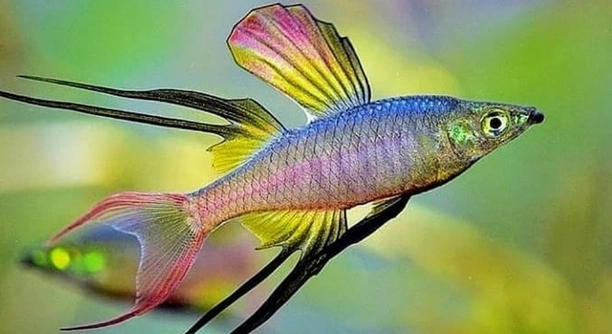
Have you ever noticed how threadfins move differently when sounds ripple through the water? These fish respond to their surroundings in unique ways, making them fascinating creatures to observe in both natural and controlled environments.
Threadfins possess a specialized lateral line system that allows them to detect vibrations and pressure changes in the water, effectively perceiving nearby activity. This system enables them to sense movements and sounds without relying on traditional hearing mechanisms.
Understanding the ways threadfins perceive their environment can reveal surprising insights about fish behavior and aquatic communication. Exploring these abilities sheds light on how these creatures interact with their surroundings.
How Threadfins Sense Vibrations
Threadfins rely heavily on their lateral line system, a network of sensory organs running along their sides. This system detects water movements and vibrations, allowing the fish to respond to nearby activity even without audible sound. Each segment of the lateral line contains tiny hair cells that pick up pressure changes, signaling the brain to interpret movements. For example, when another fish swims past, the subtle shift in water pressure alerts the threadfin. This ability is crucial for both feeding and avoiding predators. In addition, threadfins use these vibrations to coordinate schooling behavior, maintaining distance and direction with other fish. Unlike human hearing, this sense doesn’t require ears but is highly effective in aquatic environments. Observing threadfins in tanks or in the wild shows how sensitive they are, reacting to even gentle disturbances. The system provides a continuous update on the surrounding environment, helping threadfins stay safe and efficient hunters in murky waters.
This vibration detection is the main way threadfins “hear” what is happening nearby, compensating for limited auditory ability.
The lateral line system also contributes to navigation. In rivers or coastal waters, where visibility can be low, threadfins rely on sensing currents, obstacles, and other creatures. By feeling pressure waves, they adjust their swimming patterns quickly, avoiding collisions and finding food. This sensory mechanism allows them to thrive in varied habitats, from shallow estuaries to deeper coastal regions.
Communication Through Water Movements
Threadfins often signal each other using subtle water disturbances, which other fish can interpret quickly.
These movements can indicate aggression, mating readiness, or alertness to predators. Schools of threadfins use synchronized swimming to create patterns of vibrations that keep the group coordinated. In feeding, one fish’s motion can trigger the rest to follow, optimizing hunting efficiency. Researchers have observed that threadfins can differentiate between familiar and unfamiliar vibrations, suggesting a level of social recognition. These signals are usually too faint for humans to notice, yet they carry meaningful information for the fish. By studying these interactions, we gain insight into how aquatic creatures maintain complex social structures without relying on vocalization or eyesight alone. Threadfins’ ability to communicate through water movements highlights the sophistication of fish sensory systems and their adaptation to underwater life. Over time, these small vibrations play a significant role in survival, reproduction, and social organization.
Adaptation to Noisy Environments
Threadfins adjust their sensitivity depending on the level of surrounding vibrations. In areas with constant water movement, they filter out background noise to focus on relevant signals.
This adaptability allows threadfins to remain aware of predators or prey even in turbulent waters. Their lateral line system can prioritize sudden or irregular vibrations over constant background currents. When rivers are swollen or tides are strong, threadfins continue to detect smaller disturbances, giving them a survival advantage. This selective sensitivity ensures that they are not overwhelmed by every movement in the water. Over time, threadfins become finely tuned to the specific environment they inhabit, whether calm estuaries or fast-flowing coastal regions. This adjustment helps them maintain feeding efficiency and avoid threats, demonstrating the flexibility of their sensory system. Researchers note that fish in quieter habitats often respond to subtler vibrations, showing that their senses can calibrate based on local conditions and daily activity patterns.
By tuning out constant water noise, threadfins preserve attention for more important environmental cues, which aids in survival.
Their ability to focus also affects schooling behavior. When swimming in groups, threadfins detect movements from nearby fish and adjust speed or direction accordingly. This coordinated response is especially important in dense schools where collisions could be dangerous. Fish at the edges of a school often experience stronger water disturbances and must respond faster. By interpreting vibration patterns correctly, threadfins maintain group cohesion. This system also helps them react to sudden threats, such as predators entering the water. Individual fish use subtle pressure changes to signal others, allowing the school to move almost as a single organism. Over time, these finely tuned reactions increase the survival chances of the entire group while maintaining efficient foraging and protection strategies.
Comparing Threadfins to Other Fish
Threadfins’ lateral line sensitivity is higher than in many other species, giving them distinct advantages. They detect smaller pressure changes that other fish might miss.
Other fish, like bass or snapper, also rely on lateral line systems but typically respond to larger disturbances. Threadfins can sense vibrations from distant movements or subtle shifts in water, making them more alert to both prey and predators. This heightened awareness affects feeding, schooling, and navigation behaviors, allowing them to occupy niches where less sensitive species might struggle. Studies comparing species show that threadfins often react faster to sudden stimuli, giving them a survival edge in competitive environments. Additionally, their ability to differentiate vibration patterns can support social recognition within schools. Such precision in sensing pressure changes reflects an evolutionary refinement that allows threadfins to thrive in habitats with varying flow conditions. Understanding these differences emphasizes how sensory adaptations shape behavior and ecological roles.
Role of the Lateral Line in Hunting
Threadfins use their lateral line to detect prey movements in the water, even in low visibility. Subtle vibrations from small fish or invertebrates guide their hunting strategy efficiently.
By sensing these vibrations, threadfins can strike quickly and accurately. This method reduces wasted energy and increases feeding success.
Schooling and Safety
Swimming in schools, threadfins rely on vibrations from neighbors to maintain formation. Each fish adjusts speed and direction based on sensed movements, keeping the group cohesive.
This coordination also helps detect predators early. A sudden change in water pressure triggers a rapid, synchronized response, enhancing survival.
Sensory Limitations
Threadfins cannot hear airborne sounds like humans. Their perception is limited to waterborne vibrations, making them highly specialized but sensitive in aquatic environments.
Their reliance on water movements emphasizes the importance of the lateral line system for daily survival.
FAQ
How do threadfins detect movement in the water?
Threadfins rely on their lateral line system, which runs along their sides. Tiny hair cells within this system sense pressure changes and vibrations in the surrounding water. When another fish swims nearby or an object disturbs the water, these signals travel to the brain, alerting the fish to movement. This system functions as their primary sensory tool for detecting both prey and predators. Unlike humans, threadfins do not rely on ears for sound but can interpret subtle vibrations with surprising accuracy. The sensitivity of this system allows them to respond quickly to changes in their environment, whether swimming alone or within a school.
Can threadfins hear sounds like humans do?
Threadfins do not hear airborne sounds the way humans or land animals do. Their sensory abilities are limited to detecting vibrations traveling through water. This means they cannot respond to sounds above the water surface but are extremely adept at sensing disturbances underwater. The lateral line system provides them with a “map” of their surroundings based on pressure changes, helping them navigate and interact with other fish. This adaptation is particularly effective in murky waters or at night when vision is limited.
Why is the lateral line so important for threadfins?
The lateral line is essential for survival. It allows threadfins to hunt efficiently, avoid predators, and communicate with other fish through water movements. When swimming in groups, each fish adjusts to the signals from neighbors, maintaining the school’s shape and direction. The system also helps them detect subtle environmental changes, such as shifts in current or nearby obstacles. Without this sensory network, threadfins would struggle to thrive in both calm and turbulent waters, making them more vulnerable to threats.
Do all fish have a lateral line system?
Most fish possess a lateral line system, but sensitivity varies by species. Some rely on it primarily for predator detection, while others, like threadfins, use it for hunting, social coordination, and environmental awareness. The structure and number of sensory segments differ, affecting how precisely fish can interpret water movements. Threadfins are considered highly sensitive compared to many other fish, allowing them to detect smaller disturbances and subtle changes that less specialized species might miss.
How do threadfins use vibrations to communicate?
Threadfins create and interpret water movements to convey information. Slight changes in swimming patterns or fin movements generate vibrations detectable by others in the group. These signals can indicate aggression, mating readiness, or alertness to danger. In schools, this form of non-verbal communication ensures coordination and survival, allowing threadfins to respond collectively to threats or opportunities in their environment.
Can humans hear what threadfins detect?
Humans cannot perceive the tiny vibrations threadfins sense. Their detection is highly specialized and occurs within the water, which carries pressure changes differently from air. While instruments can measure these movements, human senses alone cannot replicate the threadfin’s level of awareness. Observing their reactions provides indirect insight into what they perceive, but the exact experience of these vibrations remains outside human capability.
Does water quality affect threadfin sensing?
Yes, water clarity, temperature, and current influence how effectively threadfins detect vibrations. Strong currents can mask subtle movements, while pollutants or debris may interfere with pressure signals. Clear, calm water allows the lateral line system to function optimally, giving threadfins a better chance to hunt, evade predators, and maintain social coordination.
How quickly can threadfins react to detected movements?
Threadfins respond almost immediately to relevant vibrations. The lateral line system transmits pressure changes to the brain rapidly, triggering reflexive adjustments in swimming. This quick response is vital in avoiding predators or capturing prey, and it allows them to maintain cohesion in schools even in chaotic environments.
Are there differences between juvenile and adult threadfins in sensing?
Juvenile threadfins often have less developed lateral lines, making them slightly less sensitive to subtle vibrations. As they grow, the system matures, improving their ability to detect predators, prey, and social cues. Adult threadfins benefit from fully developed sensory segments, giving them an advantage in navigation, hunting, and survival.
Can threadfins adapt to new environments?
Threadfins can adjust the sensitivity of their lateral line system based on local conditions. In noisy or turbulent waters, they filter out constant background movements to focus on relevant signals. This adaptability ensures that they remain efficient hunters and maintain social cohesion even when environmental conditions change. Their ability to tune sensory responses highlights their resilience and evolutionary refinement.
How do researchers study threadfin sensory abilities?
Scientists observe threadfins in controlled tanks or natural habitats, measuring reactions to vibrations, obstacles, and water disturbances. High-speed cameras, pressure sensors, and behavioral experiments help quantify their sensitivity and response times. These studies reveal how lateral line systems contribute to feeding, schooling, and survival, improving our understanding of aquatic sensory adaptations.
What role does schooling play in threadfin survival?
Schooling allows threadfins to collectively respond to vibrations, enhancing predator detection and foraging efficiency. Fish at the edges detect threats first and signal the rest of the group through water movements. This synchronized behavior reduces individual risk while maximizing the school’s ability to exploit food resources, demonstrating the critical interplay between lateral line sensing and social behavior.
Final Thoughts
Threadfins are remarkable fish, largely because of how they perceive their surroundings. Unlike humans, they do not rely on traditional hearing to understand what is happening around them. Instead, they use their lateral line system, a sensitive network of organs along their sides that detects vibrations and pressure changes in the water. This system allows them to sense nearby movements, whether it is a predator approaching, a potential prey swimming past, or the subtle shifts caused by other threadfins in a school. It is a highly specialized adaptation that enables them to respond quickly and efficiently, even in conditions where visibility is limited. Observing threadfins in both natural and controlled environments demonstrates just how finely tuned this sensory system is and how it guides almost every aspect of their behavior.
The lateral line system is not just about detecting danger or locating food. It also plays a key role in social interactions. Threadfins swimming in schools rely on the tiny vibrations created by their neighbors to maintain formation and direction. Each fish interprets these movements and adjusts its speed or angle, which helps the group stay cohesive. In this way, the lateral line system acts as both a safety mechanism and a coordination tool. Even small variations in water pressure can communicate information about changes in the environment, such as a predator nearby or a shift in current. Threadfins’ ability to detect and interpret these subtle signals shows the complexity of their sensory world, which functions in ways humans might not easily notice but is essential for their survival.
Understanding threadfins’ sensory abilities also sheds light on how aquatic species adapt to their environment. The way they filter out background noise in turbulent waters or focus on relevant signals demonstrates adaptability and evolutionary refinement. It is clear that threadfins have developed an efficient system that balances awareness, communication, and survival. Their lateral line system is a reminder that not all creatures experience the world as humans do, and that much of their behavior depends on senses beyond sight or sound as we know it. Studying these fish can offer valuable insights into aquatic life, including how fish interact with one another and respond to environmental challenges. Appreciating these abilities highlights the sophistication of threadfins and emphasizes the importance of protecting their habitats so these finely tuned behaviors can continue to thrive.

Hello,
If you enjoy the content that we create, please consider saying a "Thank You!" by leaving a tip.
Every little bit helps us continue crafting quality advice that supports the health, happiness, and well-being of pets around the world, for pets of all shapes, sizes, and species.
We really appreciate the kindness and support that you show us!