
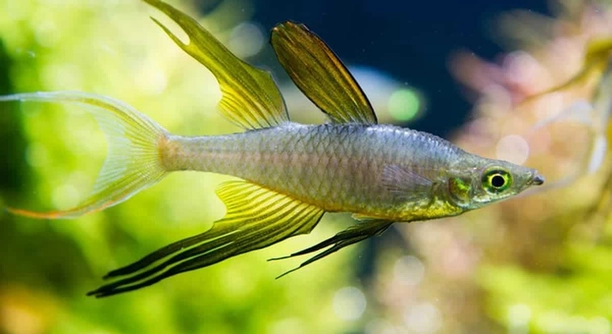
Threadfins are fascinating fish known for their slender bodies and long, delicate fins. They thrive in well-maintained environments and enjoy interaction, whether with other fish or attentive caretakers. Extended periods of isolation can influence their natural behavior and health.
When left alone too long, threadfins may exhibit signs of stress, reduced activity, or irregular feeding patterns. Prolonged isolation can affect their immune system, making them more susceptible to illness and potentially altering their usual social interactions and swimming behavior.
Observing these subtle changes can help ensure threadfins remain healthy and active. Understanding their needs allows for better care and a more balanced aquatic environment.
Signs of Stress in Threadfins
Threadfins are sensitive to their surroundings, and prolonged isolation can cause visible signs of stress. They may swim less actively, hide more often, or linger near the bottom of the tank. Changes in coloration are also common, with some threadfins appearing duller than usual. Loss of appetite can occur, and you might notice irregular feeding habits or missed meals. Stress can weaken their immune system, making them more vulnerable to infections or diseases. Even subtle changes, like increased fin clamping or unusual movements, can indicate discomfort. Observing these behaviors early is essential for maintaining their health. Adjusting the environment by adding hiding spaces or ensuring proper tank conditions can help reduce stress. Paying attention to water quality, including temperature, pH, and cleanliness, is critical, as threadfins are particularly sensitive to fluctuations. Regular interaction and monitoring help identify problems before they escalate, ensuring that the fish remain active, healthy, and visually vibrant.
Addressing stress promptly can prevent long-term health issues.
Providing proper enrichment and maintaining stable tank conditions reduces stress, helping threadfins regain their normal behavior and vitality.
Behavioral Changes When Isolated
Threadfins left alone for extended periods may show altered swimming patterns or decreased social interaction. They may ignore feeding times or respond less to movement in the tank.
Prolonged isolation can also affect their overall behavior in more complex ways. Threadfins are naturally social, and isolation may lead to repetitive movements, listless swimming, or unusual aggression when other fish are introduced. They may start avoiding areas of the tank they once frequented or show increased hiding tendencies. Over time, lack of stimulation can cause lethargy, affecting both physical and mental health. These behavioral changes often indicate that the fish are experiencing discomfort or mild stress, even if no visible disease is present. Monitoring and adjusting tank conditions, such as providing companions or environmental enrichment, can help restore natural behavior. Consistent care, attention to diet, and stable water conditions encourage recovery. Observing their daily habits carefully allows for timely intervention and helps maintain a healthy, active environment that supports their natural tendencies and long-term well-being.
Environmental Factors Affecting Threadfins
Poor water quality can quickly impact threadfins, especially when left alone too long. Temperature fluctuations, high ammonia levels, and low oxygen can stress them, causing illness or lethargy. Regular checks are crucial to prevent problems before they escalate.
Maintaining a stable environment requires consistent monitoring. Threadfins are highly sensitive to changes in temperature and pH levels. Even small fluctuations can disrupt their metabolism and feeding patterns. Filtration systems must be checked frequently to ensure proper oxygenation and removal of waste. Adding plants or decorations can provide shelter and reduce stress, helping them feel more secure. Proper lighting schedules support natural behavior and activity. Overall, attention to these environmental details ensures threadfins remain healthy and active, even when caretakers cannot interact daily.
Sudden changes, such as adding new fish or altering the tank layout, can further disturb threadfins. Avoid abrupt adjustments and make gradual improvements to minimize stress. Regular water testing, careful feeding, and consistent observation will help maintain a balanced aquatic environment and promote long-term wellbeing.
Feeding and Nutritional Needs
Threadfins require a consistent feeding routine to stay healthy. Skipping meals or offering low-quality food can lead to nutrient deficiencies and reduced energy levels.
A balanced diet is critical for their overall health. Threadfins thrive on a variety of high-quality pellets, frozen foods, and occasional live foods. Feeding small amounts multiple times a day mimics natural grazing and supports digestion. Overfeeding should be avoided, as leftover food can degrade water quality and increase stress. Nutrient-rich diets strengthen immune systems and improve coloration, keeping them vibrant. Providing food that meets their dietary requirements supports growth, reproductive health, and natural behavior patterns, ensuring threadfins remain active and resilient over time.
Monitoring their feeding habits also helps identify potential issues early. Changes in appetite or feeding behavior can indicate stress or illness, allowing for timely intervention. Maintaining consistency in diet, portion size, and feeding schedule ensures that threadfins receive adequate nutrition, supporting both their physical health and mental well-being. Attention to diet helps prevent long-term complications and fosters a stable, thriving tank environment for all fish.
Social Interaction and Companionship
Threadfins are naturally social and benefit from the presence of other compatible fish. Extended periods alone can lead to boredom, stress, and unusual behavior. Observing their interactions helps ensure they remain comfortable and active.
Adding companions gradually can reduce loneliness and encourage normal social behavior. Avoid overcrowding, as too many fish can increase stress and competition for resources.
Impact of Tank Size
A small or overcrowded tank can exacerbate the effects of isolation. Threadfins need space to swim freely and explore, which supports both physical and mental health. Proper tank size allows for natural movement, reduces stress, and encourages healthy activity levels.
Observation and Monitoring
Careful observation is key to maintaining threadfins’ health. Watching for changes in behavior, feeding, or appearance helps catch issues early and ensures timely intervention.
FAQ
How long can threadfins be left alone?
Threadfins can tolerate short periods without interaction, but extended isolation can cause stress and behavioral changes. Ideally, they should be checked daily, with feeding and observation to ensure they remain healthy and active. Long periods without attention can lead to reduced appetite, lethargy, or unusual swimming patterns.
What are the signs of stress in threadfins?
Stress can show in several ways. Dull coloration, clamped fins, hiding frequently, or avoiding food are common indicators. Some threadfins may swim erratically or stay near the bottom of the tank. Observing these behaviors early allows for quick adjustments in care. Stress may also weaken their immune system.
Can threadfins recover from isolation?
Yes, recovery is possible with proper care. Reintroducing social companions or increasing interaction can help. Ensuring stable water quality, consistent feeding, and environmental enrichment promotes recovery. The process may take several days or weeks, depending on the duration of isolation and the individual fish’s temperament.
What environmental adjustments help reduce stress?
Providing hiding spots, plants, or decorations can make threadfins feel secure. Maintaining consistent water temperature, oxygen levels, and pH is crucial. Gradual changes to the tank layout or introducing new fish slowly helps reduce stress. Proper lighting and minimal sudden disturbances also support calm behavior.
How should I feed threadfins when I am away?
Automated feeders can help maintain consistent feeding schedules. Offering high-quality pellets or frozen foods in small portions prevents overfeeding and water contamination. Avoid leaving excessive food in the tank, as it can spoil and affect water quality, increasing stress for the fish.
Do threadfins need companions?
While not strictly required, companions improve social interaction and reduce boredom. Compatible fish can encourage natural swimming patterns and activity. Avoid aggressive or overly dominant species, as this can increase stress and conflict, undermining the benefits of companionship.
What health issues arise from prolonged isolation?
Extended isolation may lead to weakened immune systems, decreased appetite, and increased vulnerability to infections. Behavioral changes, such as lethargy or repetitive movements, can also appear. Early detection and environmental adjustments are essential to prevent long-term health consequences.
How can I monitor threadfins effectively?
Daily observation is key. Watch their swimming patterns, feeding behavior, and physical appearance. Take note of any changes, even subtle ones, and adjust tank conditions or feeding routines as needed. Keeping a log can help track behavior trends and identify potential problems early.
Are there ways to keep threadfins stimulated?
Yes, providing environmental enrichment, such as plants, hiding spots, or gentle current changes, keeps them active. Introducing safe variations in feeding routines or occasional tank rearrangements can also engage their natural curiosity, reducing the negative effects of isolation.
How do I know if isolation has caused permanent issues?
Permanent issues are rare if intervention is timely. Persistent lethargy, ongoing appetite loss, or chronic stress behaviors may indicate long-term effects. Consistent care, proper nutrition, and a stable environment typically allow threadfins to regain normal behavior and overall health within weeks.
Can stress from isolation affect reproduction?
Yes, stress can reduce reproductive activity. Threadfins may show decreased mating behaviors, lower egg production, or delayed spawning. Addressing isolation, improving environmental conditions, and providing proper nutrition often restores normal reproductive behavior over time.
What are the best practices for preventing stress during absence?
Maintain stable water conditions, consistent feeding schedules, and provide hiding places. Automating feeding and arranging occasional interaction or monitoring by a caretaker helps minimize stress. Avoid sudden tank changes, overhandling, or introducing incompatible species during these periods. Proper preparation ensures threadfins remain healthy and active.
Is it normal for threadfins to change behavior after isolation?
Yes, temporary behavioral changes are common. Reduced swimming, hiding more, or altered feeding habits may appear initially. With consistent care and gradual reintroduction to social or environmental stimulation, threadfins generally return to their normal activity levels.
How often should I check water quality for threadfins?
Daily or every other day is ideal, especially when fish are left alone. Monitor pH, temperature, ammonia, nitrite, and nitrate levels. Maintaining stable water conditions is critical for preventing stress, illness, and abnormal behavior, particularly during periods of limited interaction.
Can I leave threadfins alone during vacations?
Short absences can be managed with automated feeders, proper water maintenance, and a safe tank setup. For longer periods, having a trusted caretaker check on them ensures feeding, water quality, and observation for stress or health issues, minimizing the risks of isolation.
What immediate actions help stressed threadfins?
Introduce hiding spaces, adjust water quality, and ensure consistent feeding. Gradually reintroducing companions or environmental enrichment helps reduce stress. Observing their behavior closely and addressing any signs of illness or abnormal activity is essential for recovery.
Do threadfins prefer specific tank setups when alone?
They benefit from stable, enriched environments with adequate space, plants, and hiding spots. Minimal disturbances, consistent lighting, and proper filtration improve comfort. Avoid overcrowding or frequent changes, as threadfins are sensitive to stress from sudden environmental shifts.
Can threadfins show personality changes after long isolation?
Yes, temporary personality changes like shyness, reduced curiosity, or increased hiding may occur. Most threadfins gradually return to their usual behaviors once environmental conditions, social interaction, and stimulation are restored consistently.
How important is regular observation for long-term health?
Regular observation is crucial. Monitoring behavior, feeding, and physical condition allows early intervention, prevents illness, and supports long-term well-being. Even small adjustments based on observations can significantly improve a threadfin’s quality of life and overall activity levels.
Are certain species better companions for threadfins?
Yes, peaceful, similarly sized fish are ideal companions. Aggressive or highly territorial species can increase stress. Choosing compatible tank mates encourages social behavior, reduces boredom, and promotes a balanced, harmonious aquatic environment for threadfins.
How does water temperature affect isolated threadfins?
Fluctuating temperatures increase stress and can suppress appetite or immune response. Maintaining stable, species-appropriate temperatures supports normal metabolism, feeding, and activity, helping threadfins stay healthy even when left alone for short periods.
Can adding plants improve isolated threadfins’ behavior?
Yes, plants provide shelter, reduce stress, and encourage natural exploration. They offer hiding spaces, enrich the environment, and help mimic a more natural habitat, which benefits both mental and physical health of threadfins during periods of limited interaction.
What role does lighting play in threadfin care?
Consistent lighting supports natural circadian rhythms, activity patterns, and feeding behavior. Sudden changes or prolonged darkness can cause stress, while balanced lighting helps maintain overall health and encourages normal movement within the tank.
How quickly should I respond to abnormal behavior?
Immediate observation and adjustment are key. Noticing changes in swimming, feeding, or coloration early allows for prompt intervention, preventing more serious stress or illness, and improving chances for full recovery.
Is there a difference between short-term and long-term isolation effects?
Short-term isolation may cause minor behavioral changes like brief hiding or reduced activity. Long-term isolation can lead to stress, weakened immunity, and more noticeable behavioral or health issues, requiring careful observation and intervention to restore normal function.
Can enrichment activities fully replace social interaction?
Enrichment helps reduce stress and boredom but cannot fully replace social interaction. Threadfins benefit from companionship, environmental stimulation, and attention from caretakers to maintain optimal health and behavior patterns.
How do I know if my threadfins are happy?
Active swimming, normal feeding, bright coloration, and regular interaction with companions are signs of well-being. Calm, confident movement around the tank and minimal hiding indicate they are comfortable in their environment.
What steps ensure threadfins remain healthy when alone?
Maintain stable water conditions, provide a balanced diet, and include environmental enrichment. Use automated feeders if necessary, observe behavior regularly, and introduce companions gradually when appropriate. Consistency and attention to detail are key to supporting long-term health and activity.
Can stress from isolation lead to disease?
Yes, stress can weaken the immune system, making threadfins more vulnerable to infections and illness. Maintaining stable tank conditions, proper feeding, and monitoring behavior reduces the risk and helps prevent long-term health issues.
How often should I interact with threadfins?
Daily interaction, even brief, is ideal. Feeding, observing, or gentle environmental adjustments help maintain activity and mental stimulation. Regular engagement supports their social needs and overall well-being.
Are there specific signs that indicate permanent behavioral changes?
Persistent lethargy, ongoing appetite loss, or extreme shyness may indicate long-term effects. Most threadfins recover with proper care, but extended isolation without intervention increases the likelihood of lasting behavioral changes.
What is the best way to prevent isolation stress?
Ensure consistent feeding, stable water conditions, environmental enrichment, and, if possible, suitable tank mates. Monitoring daily and addressing minor issues promptly prevents stress from escalating and helps threadfins maintain healthy, natural behavior.
Can introducing new fish help isolated threadfins?
Yes, introducing compatible companions gradually can encourage social behavior and reduce boredom. Careful observation during introductions is important to prevent aggression and ensure a harmonious tank environment.
How does tank cleanliness affect threadfins during isolation?
Clean water reduces stress, supports immune function, and prevents disease. Regular water changes, proper filtration, and removal of uneaten food are essential for maintaining health during periods of limited interaction.
Are there long-term benefits to consistent interaction?
Consistent care strengthens immune systems, maintains normal behavior, and prevents stress-related illnesses. Regular interaction promotes active swimming, healthy feeding, and overall vitality, contributing to a thriving aquatic environment.
Can stress affect lifespan?
Chronic stress can shorten lifespan by weakening the immune system and causing health complications. Maintaining proper care, environment, and social interaction helps threadfins live longer, healthier lives.
How do I slowly reintroduce companions?
Introduce new fish gradually in a separate section or with a divider. Observe interactions closely, ensuring no aggression or stress. Over time, remove the divider to allow safe integration while maintaining a stable environment.
Are all threadfins equally sensitive to isolation?
Individual temperament varies. Some threadfins handle brief solitude better, while others show stress quickly. Observing each fish’s behavior helps tailor care and environmental adjustments to individual needs.
How important is diet variety during isolation?
A varied, nutrient-rich diet supports immune function and mental stimulation. Offering different types of food prevents boredom and ensures threadfins receive all essential nutrients, especially during periods with limited social interaction.
What is the most critical factor for isolated threadfins?
Stable environment, proper diet, and regular observation are essential. These elements prevent stress, maintain health, and support natural behavior, even when caretakers are not constantly present.
Can stress impact coloration?
Yes, stressed threadfins may show duller colors or fading patterns. Reducing stress through proper care, enrichment, and social interaction helps restore vibrant coloration and overall appearance.
How do I balance activity and rest for threadfins?
Provide open swimming space and areas for hiding or resting. Stable lighting, proper diet, and environmental enrichment allow threadfins to balance activity with periods of calm, promoting overall health and well-being.
Are there signs that indicate isolation is affecting development?
In young threadfins, slowed growth, delayed feeding responses, or weaker swimming may indicate negative effects from isolation. Proper care, diet, and social interaction help support healthy development and natural behaviors.
How can I make tank maintenance easier for isolated threadfins?
Regular water checks, automated feeders, and pre-planned cleaning schedules minimize disturbance while ensuring optimal conditions. Maintaining consistency reduces stress and supports healthy behavior.
What long-term changes help prevent isolation stress?
Stable tank conditions, regular feeding, enrichment, compatible companions, and consistent observation create an environment where threadfins remain active, healthy, and resilient, even during periods with limited interaction.
Is occasional solo time harmful?
Short periods alone are generally safe if environmental conditions, feeding, and water quality are maintained. Problems usually arise with extended or frequent isolation without attention to care.
How do I encourage natural behavior in isolated threadfins?
Provide a well-structured environment with hiding spots, plants, and gentle water currents. A balanced diet, consistent interaction, and proper companions encourage normal swimming, feeding, and social behaviors, supporting both physical and mental health.
Can stress from isolation be completely avoided?
While brief solitude is usually manageable, complete prevention is unlikely. Careful monitoring, environmental enrichment, and regular interaction minimize stress and its negative impacts, keeping threadfins healthier and more active over time.
How important is tank size for preventing stress?
Adequate tank size allows natural movement and exploration, reducing stress and promoting healthy behavior. Crowded conditions increase tension and can exacerbate the negative effects of isolation, making space a critical factor in long-term well-being.
Can isolation affect reproduction long-term?
Yes, prolonged stress may delay or reduce reproductive activity. Providing a stable environment, proper diet, and gradual reintroduction of companions restores normal breeding behavior and increases reproductive success.
How do I know when threadfins have fully recovered?
Active swimming, regular feeding, bright coloration, and normal social behavior indicate recovery. Consistent observation and care confirm that threadfins have returned to their healthy, natural state after isolation.
Are there common mistakes when caring for isolated threadfins?
Overfeeding, sudden tank changes, neglecting water quality, or introducing incompatible fish are common errors. Avoiding these mistakes ensures threadfins remain healthy, active, and stress-free.
How can I track behavior changes effectively?
Keep a log of feeding, swimming patterns, and social interactions. Regular notes help identify trends, detect early signs of stress, and guide adjustments in care or environment to maintain optimal health.
Is it better to provide multiple small hiding spaces or one large area?
Multiple small hiding spots are preferable. They offer flexibility, reduce stress, and allow threadfins to retreat comfortably, promoting natural behavior and a sense of security in the tank environment.
Do lighting cycles affect behavior during isolation?
Yes, consistent light and dark cycles support normal activity and rest patterns. Sudden changes can increase stress, while stable lighting encourages healthy movement, feeding, and social interactions when companions are present.
Can enriched environments fully prevent isolation stress?
Enrichment reduces stress but does not fully replace social interaction. A combination of proper care, stimulation, and companionship ensures threadfins maintain physical and mental well-being.
How long does it take for threadfins to regain normal behavior?
Recovery usually occurs within days to weeks, depending on isolation duration and individual temperament. Gradual reintroduction of companions and stable environmental conditions supports the process effectively.
Are certain threadfins more resilient to isolation?
Yes, temperament varies by individual. Some tolerate brief solitude without issues, while others are more sensitive. Observing each fish helps determine care adjustments for optimal health.
What are the most effective ways to reduce isolation stress?
Stable water conditions, a balanced diet, environmental enrichment, gradual social introductions, and daily observation are the most effective strategies. These measures prevent stress, support recovery, and maintain healthy behavior.
Can isolation affect growth in young threadfins?
Yes, stress and reduced activity can slow growth. Ensuring proper diet, environmental stimulation, and occasional social interaction supports healthy development and natural behavior in young fish.
How do I know if stress is temporary or long-term?
Temporary stress shows mild behavioral changes that improve quickly with adjustments. Persistent lethargy, poor appetite, or ongoing hiding may indicate longer-term effects requiring more intensive care and monitoring.
Are automated feeders reliable for extended absences?
Yes, if used correctly. Automated feeders provide consistent portions and schedules, maintaining feeding routines while avoiding overfeeding. Combined with stable water conditions, they help reduce stress during short absences.
How can I make observation easier when away?
Setting up cameras or using caretakers to monitor behavior ensures changes are noticed early. Detailed logs of feeding, activity, and social interactions provide insight and help prevent problems during absences.
Can isolation stress affect coloration permanently?
Permanent color changes are rare. Temporary dulling or fading is common under stress, but normal coloration typically returns with proper care, environmental stability, and reduced stress levels.
How do I balance tank maintenance with minimizing stress?
Perform water changes and cleaning gradually, avoiding sudden disruptions. Use gentle filtration adjustments, maintain consistent temperatures, and limit disturbances to support threadfins’ comfort during maintenance routines.
Does stress affect appetite in threadfins?
Yes, stressed fish often eat less or ignore food entirely. Providing a calm environment, proper diet, and gradual social stimulation helps restore normal feeding behavior and overall health.
Can threadfins experience boredom alone?
Yes, isolation can lead to boredom, reduced activity, and unusual behavior. Environmental enrichment, proper diet, and occasional interaction help keep them mentally engaged and physically active.
Are there indicators of long-term health issues from isolation?
Chronic lethargy, persistent appetite loss, stunted growth, or repeated hiding suggest potential long-term effects. Timely intervention and proper care reduce these risks and support recovery.
How important is water circulation for isolated threadfins?
Proper water movement ensures oxygenation, distributes nutrients, and mimics natural currents. This supports activity, reduces stress, and maintains a healthy environment even when fish are alone.
What is the safest way to introduce new companions?
Use gradual introduction methods, such as dividers or separate holding areas. Monitor for aggression and stress, allowing threadfins to adapt slowly. Proper planning ensures compatibility and reduces negative effects on behavior.
Can stress impact longevity?
Yes, chronic stress can shorten lifespan by weakening immune function and increasing susceptibility to disease. Consistent care and stable environments help threadfins live longer, healthier lives.
How do I ensure threadfins remain active when alone?
Provide hiding spots, plants, gentle currents, and enrichment activities. Balanced feeding schedules and environmental consistency encourage natural swimming and exploration, supporting both mental and physical health.
Are there signs that indicate threadfins are thriving?
Bright coloration, active swimming, normal feeding, and social engagement with companions indicate good health. Calm movement and exploratory behavior show they are comfortable in their environment.
How frequently should companions be rotated or introduced?
Avoid frequent changes. Introduce companions gradually, ensuring compatibility, to maintain stability. Excessive rotation can increase stress and disrupt established behavior patterns.
Can stress from isolation affect immune response?
Yes, prolonged stress can reduce immune function, making threadfins more prone to infections and disease. Maintaining stable water conditions, proper nutrition, and social interaction helps prevent immune suppression.
How do I provide mental stimulation for isolated threadfins?
Introduce plants, hiding spots, and gentle water currents. Occasional variation in tank layout
Final Thoughts
Threadfins are delicate fish that respond strongly to their environment and social conditions. When left alone for too long, they can experience stress, behavioral changes, and reduced overall health. Observing their behavior closely is essential to understanding how isolation affects them. Signs of stress can be subtle, such as slight changes in swimming patterns, less frequent feeding, or duller coloration. Paying attention to these small details allows caretakers to intervene before minor issues become more serious. Consistency in care, including regular feeding, water quality maintenance, and environmental stability, is critical for keeping threadfins healthy, whether they are alone for short periods or longer stretches.
Providing the right environment can greatly reduce the negative effects of isolation. A tank with adequate space, stable water conditions, and natural features like plants and hiding spots can help threadfins feel secure and maintain normal behavior. Environmental enrichment is important, as it encourages swimming, exploration, and mental stimulation. Even small adjustments, like ensuring proper lighting cycles or gentle water movement, contribute to their comfort and well-being. Threadfins are sensitive to sudden changes, so gradual adjustments are best. Careful planning of tank setup and ongoing observation ensure that these fish remain active, healthy, and stress-free over time.
Social interaction is another important factor in threadfin care. While they can survive periods alone, companionship from compatible tank mates helps maintain natural behavior and prevents boredom. Gradual introductions of new fish or careful observation of interactions can reduce the risk of aggression or stress. Even when companions are not possible, maintaining a consistent routine and providing environmental stimulation will support mental and physical health. Overall, understanding the needs of threadfins, observing their behavior, and making gradual, thoughtful adjustments to their environment are key to promoting long-term health and vitality. Proper care ensures these fish remain active, vibrant, and resilient, even during times when they are left alone.

Hello,
If you enjoy the content that we create, please consider saying a "Thank You!" by leaving a tip.
Every little bit helps us continue crafting quality advice that supports the health, happiness, and well-being of pets around the world, for pets of all shapes, sizes, and species.
We really appreciate the kindness and support that you show us!