
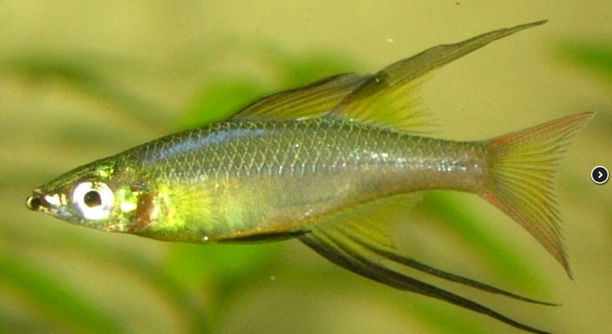
Have you ever thought about what happens to your threadfins when the power suddenly goes out, leaving their tank without filtration or aeration?
Threadfins may experience stress after a power outage due to decreased oxygen levels and water quality changes. Without filtration and aeration, waste accumulates quickly, which can impact their health and overall behavior inside the aquarium environment.
Learning how threadfins respond during these moments helps you provide better care and keep them safe in unexpected situations.
How Threadfins React Without Power
When a power outage strikes, threadfins experience changes almost instantly inside their tank. The first concern is oxygen. Without aeration, oxygen levels begin to drop, making it harder for them to breathe. This can cause visible stress such as rapid gill movement or unusual swimming patterns. Filtration loss also means waste builds up quickly, creating poor water quality that threadfins are not equipped to handle. As ammonia and toxins increase, their immune system weakens, making them more vulnerable to illness. Even a short period without circulation can leave them uncomfortable. Longer outages place their health at greater risk.
The impact may not be visible right away, but stress builds silently. Threadfins rely heavily on stable water conditions, so disruptions often influence their health later. Stress can affect their feeding, coloration, and natural behavior for several days after power is restored.
Providing immediate care is essential. Monitoring them closely ensures they remain healthy once normal conditions return.
Supporting Threadfins After Power Returns
Threadfins need extra attention after a power outage. Stable water conditions must be restored gradually to prevent further stress. Sudden shifts in temperature or water chemistry can cause even greater harm. Care should focus on oxygen, cleanliness, and stability.
Once the power returns, avoid rushing to clean everything at once. Instead, check water quality parameters carefully and perform small water changes if needed. This helps dilute toxins without overwhelming the threadfins. Restoring aeration quickly is critical, as oxygenation allows them to regain balance. Feeding should be light during the first day, since their digestive system may still be recovering from stress. Observe their behavior closely, looking for signs of recovery such as steady swimming and normal breathing. Over the next few days, gradually return to a normal routine, keeping their environment calm and stable. By restoring conditions gently, you can help threadfins recover fully and prevent lasting effects from the outage.
Handling Stress in Threadfins
Threadfins often respond to stress with quick, noticeable changes. They may swim erratically, hide more than usual, or show duller colors. These signs mean they are trying to cope with sudden discomfort in their environment.
Stress management begins with stable water quality. Regular testing after a power outage helps you see if toxins are building up. Even small spikes in ammonia can affect threadfins significantly. Adding gentle aeration tools, like battery-powered air pumps, can help reduce oxygen loss if power goes out again. A quiet, stable environment also prevents them from feeling overwhelmed.
Feeding habits may also change after stress. Threadfins might refuse food for a short while, which is normal. Offer smaller meals once they seem more comfortable, avoiding excess waste that could pollute the tank. Observing their recovery patiently helps ensure they return to normal behavior without unnecessary disruption.
Maintaining Water Quality
Good water quality is the key to keeping threadfins healthy. Power outages can disturb the balance, making the tank less safe. Checking parameters regularly ensures you know when small changes become big problems. Clean water helps them recover faster after stress.
When adjusting water conditions, avoid sudden changes. Threadfins are sensitive to quick shifts in temperature and pH. Perform small water changes spread over several days to stabilize their environment. Replace filter media carefully if it was affected during the outage, but avoid replacing everything at once. Doing too much at once can strip away beneficial bacteria, worsening the imbalance. By taking a gradual approach, you keep the aquarium stable while supporting the natural recovery process. Patience with maintenance makes a big difference in how well your threadfins handle stress and continue to thrive after disruptions.
Feeding Threadfins After Outages
Threadfins may eat less after stress, so it is best to start with small amounts of food. This prevents uneaten food from spoiling water quality and keeps their system from becoming overwhelmed.
Light feeding also gives them time to adjust as their energy slowly returns. Avoid offering heavy meals immediately, as their digestion can be weaker after stressful conditions. Consistency is more important than volume during recovery.
Watching Their Behavior
Behavioral signs reveal much about threadfins after a power outage. If they swim steadily, breathe normally, and interact with each other, they are likely recovering well. Erratic movement, surface gasping, or hiding can signal ongoing stress or poor water conditions.
Preventing Future Issues
Having backup tools like battery-powered air pumps or portable filters reduces risks during outages. Planning ahead keeps oxygen flowing and stabilizes water quality, which gives threadfins a safer environment. Preparation makes recovery easier and protects their long-term health.
FAQ
How long can threadfins survive without power?
Threadfins can survive several hours without power, but the exact time depends on tank size, stocking levels, and water temperature. Oxygen levels drop quickly in smaller or heavily stocked tanks. Warmer water holds less oxygen, making outages riskier. Extra precautions are needed.
What signs show that threadfins are stressed after a power outage?
Threadfins may breathe rapidly, swim close to the surface, or act restless. They might also lose some of their natural color or hide more often. These changes are clear signs they are under stress from unstable water conditions.
Should I feed threadfins during a power outage?
It is better not to feed them during outages. Uneaten food creates more waste, which increases ammonia levels when filtration is not running. Waiting until the power returns keeps the water cleaner and prevents extra stress on their system.
What should I do first when the power returns?
The first step is to restore aeration and filtration gently. This helps oxygen levels recover quickly. Next, test the water for ammonia, nitrites, and pH stability. If levels are unsafe, perform a small water change. Avoid big changes all at once.
How can I prevent water quality from crashing during an outage?
Keep battery-operated air pumps or manual aerators on hand. These devices keep oxygen moving in the water, slowing down harmful changes. A clean tank with regular maintenance also lasts longer during outages since waste and toxins do not build up as fast.
Do threadfins need light during a power outage?
Threadfins do not need light during short outages. Darkness may even help reduce stress by keeping their environment calmer. Once power returns, resume their normal light cycle gradually instead of suddenly switching bright lights on.
Can threadfins recover fully after repeated outages?
Yes, threadfins can recover, but repeated outages increase their stress levels and weaken their immune system. Frequent disruptions make them more prone to illness. Supporting their recovery with clean water, steady aeration, and light feeding helps them remain healthy long-term.
What is the best way to manage temperature drops?
If power is out in cooler weather, cover the aquarium with blankets to hold warmth. Avoid placing the tank near drafts or windows. When power returns, warm the tank slowly to avoid sudden shifts that could harm the threadfins.
Should I clean the filter immediately after power returns?
Do not clean the entire filter right away. Beneficial bacteria inside may have died during the outage, but some can survive. Rinse lightly with tank water if it smells foul, but avoid scrubbing it clean. Replace media gradually over time.
How often should I check my threadfins after an outage?
Check them several times a day for the first few days. Watch their swimming, breathing, and appetite closely. Subtle signs like slower movements or avoiding food can signal lingering stress, allowing you to step in quickly with care.
Why do threadfins lose color after stress?
Threadfins often lose some brightness in their scales when stressed. This is a natural reaction to conserve energy. Once they feel safe again and the water stabilizes, their colors usually return to normal without lasting damage.
Can adding plants help during power outages?
Live plants can help slightly by producing oxygen during daylight. However, they also consume oxygen at night, so they are not a complete solution. Plants are beneficial but should not replace proper aeration methods during power disruptions.
What are the risks if I ignore water testing after power outages?
Skipping water tests risks leaving harmful toxins unnoticed. Ammonia and nitrite spikes often occur after outages. These toxins damage gills, weaken immunity, and make threadfins more prone to disease. Testing allows you to take action before problems become severe.
Are young threadfins more vulnerable to outages?
Yes, younger threadfins are more fragile. Their bodies are less equipped to handle unstable conditions, making them more sensitive to oxygen loss and poor water quality. They require closer monitoring and gentler care to recover safely after power is restored.
What backup equipment is most useful for outages?
Battery-powered air pumps are the most helpful. Portable filters and heaters are also useful for longer outages. Having spare batteries, water conditioners, and test kits ensures you can react quickly and reduce risks during unexpected disruptions.
How long does it take threadfins to recover?
Recovery time varies depending on the severity of the outage. Mild stress can improve in a day or two, while more serious disruptions may take a week. Consistent monitoring and stable water conditions help shorten the recovery period significantly.
Can threadfins die from short outages?
Most threadfins survive short outages, especially in well-maintained tanks. However, tanks that are overcrowded or poorly maintained increase the risks. Even brief disruptions can cause harm if oxygen levels drop too quickly or waste builds up faster than expected.
What steps help reduce long-term effects after outages?
Keep the tank calm, avoid overfeeding, and monitor water closely. Regular small water changes help restore balance. Adding gentle aeration and keeping the environment stable gives threadfins the best chance at full recovery without ongoing stress or health problems.
Why is patience important after an outage?
Patience ensures you do not overcorrect or cause more harm. Threadfins need time to regain strength. Small steps, careful observation, and gradual improvements are safer than quick fixes. Rushing can create instability, while calm care supports steady recovery and resilience.
Final Thoughts
Caring for threadfins after a power outage is about more than simply restoring the lights and filtration. These fish are sensitive, and their health depends on stability inside the aquarium. Even short outages create shifts in oxygen levels, waste buildup, and temperature changes. Each of these can stress threadfins, leaving them more vulnerable in the days that follow. Paying attention to the small details, such as water testing, careful feeding, and slow adjustments, makes a real difference in how they recover. A tank that feels stable and calm allows threadfins to regain their balance without extra strain. When you take time to notice their behavior, you can respond quickly if they show signs of ongoing stress. This type of gentle care ensures that the disruption does not linger longer than necessary.
Preparing for outages before they happen also helps protect threadfins. Backup equipment, such as battery-powered aerators and portable heaters, can keep the tank safer during unexpected power cuts. Even simple steps like keeping the aquarium covered with a blanket in colder weather help maintain conditions until electricity returns. While these preparations may seem small, they provide threadfins with the support they need to handle unstable periods. Taking action ahead of time is easier than trying to fix problems once they develop. By investing in simple tools and planning, you create a cushion of safety for your fish. This approach reduces stress for both you and your threadfins when outages happen without warning.
Threadfins rely on their environment for everything, from oxygen to food and overall health. They cannot adapt quickly to sudden changes, which makes your role as their caretaker especially important during outages. Consistency, patience, and observation form the foundation of effective recovery. Instead of rushing to correct every issue at once, focusing on gradual improvements prevents further harm. Over time, you will notice that your threadfins return to their natural behavior, showing color, activity, and feeding patterns that reflect comfort. Their resilience becomes stronger when you handle challenges with steady, gentle care. A power outage does not have to leave lasting harm if you respond thoughtfully. By giving attention to their needs and preparing ahead, you help threadfins continue to thrive in a safe and balanced aquarium, no matter what disruptions may come.

Hello,
If you enjoy the content that we create, please consider saying a "Thank You!" by leaving a tip.
Every little bit helps us continue crafting quality advice that supports the health, happiness, and well-being of pets around the world, for pets of all shapes, sizes, and species.
We really appreciate the kindness and support that you show us!