
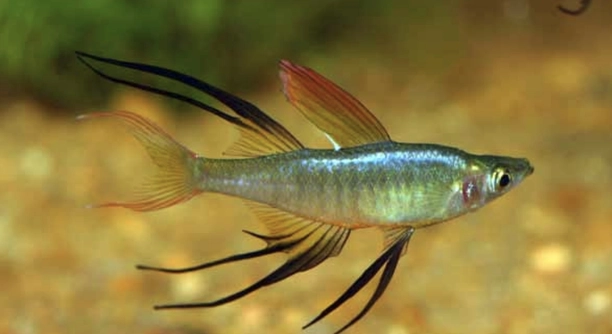
Do you ever bring home new fish and feel unsure about how they might affect the health of your existing aquarium pets? Introducing new species can sometimes create hidden problems that are not easy to notice right away.
The primary reason you should quarantine new threadfin rainbowfish is to prevent the spread of harmful parasites and diseases. Isolating them in a separate tank reduces risks, ensures healthier acclimation, and promotes long-term stability within your established aquarium.
Protecting your aquarium begins with small steps, and understanding why quarantine matters will guide you toward safer and healthier fishkeeping practices.
Reason 1: Preventing the Spread of Hidden Illness
Threadfin rainbowfish may look healthy when purchased, but appearances can be deceiving. Many fish carry pathogens or parasites that remain hidden until stress triggers an outbreak. Quarantining them allows you to monitor behavior, eating patterns, and overall condition in a controlled space. This step provides time to detect issues before they affect your main aquarium. A separate tank serves as both a safeguard and a diagnostic tool, reducing the chance of introducing harmful bacteria or parasites into your established system. This simple precaution helps protect your other fish while supporting a safer introduction process for the newcomers.
Keeping new fish in quarantine ensures stability for your aquarium and gives you confidence that each addition is healthy and well-adjusted.
Quarantine also helps limit stress on both the new fish and the established tank inhabitants. Stress-related illness spreads quickly, but by allowing your rainbowfish to adapt slowly, you are giving them the best chance to thrive. A calm and controlled environment helps their immune systems stay strong, creating healthier tank dynamics. Without quarantine, one unexpected issue could lead to a chain reaction of sickness among your fish, often causing losses that could have been prevented. Careful observation during this period is invaluable.
Reason 2: Allowing Proper Acclimation
New environments can be overwhelming for fish, especially delicate species like threadfin rainbowfish. Quarantine provides a safe and stable environment where they can gradually adjust without competition or aggression.
During quarantine, you can fine-tune water conditions to match their needs more closely. This period gives them time to adjust to diet changes and develop resilience before entering the larger community tank. It also makes it easier to address any signs of stress, such as loss of appetite or unusual swimming patterns. A quarantine tank acts as a controlled setting where you can observe carefully without distractions. By monitoring closely, you can identify problems early, administer treatments if needed, and ensure that the fish are thriving. This thoughtful acclimation period results in healthier, more confident rainbowfish that integrate more smoothly into your aquarium. In the long run, this practice helps your entire tank remain balanced and stable.
Reason 3: Reducing Aggression Risks
Quarantining threadfin rainbowfish lowers the chance of immediate aggression from established tank mates. Separating them allows careful observation of their behavior and prevents unnecessary conflicts that could cause injury or stress to both new and existing fish.
Aggression is common when introducing new species into a community tank. Established fish often defend their territory, leading to fights or bullying that weaken the newcomers. A quarantine period helps prevent these initial clashes. During this time, rainbowfish build strength and adapt without pressure from dominant species. Once released into the main aquarium, they are more resilient and better equipped to handle social interactions. This smoother transition reduces the stress for both groups and helps maintain peace within the tank, avoiding situations that might compromise health or create lasting conflicts among the fish.
Quarantine also allows you to identify the natural temperament of your threadfin rainbowfish. Some may be shy and need extra time before facing a larger group, while others may display bold or active traits right away. Observing them in isolation gives you insight into how they may interact later. This knowledge helps you adjust tank setups, hiding spaces, or stocking choices to support better harmony once integration occurs. Careful preparation during this stage builds a more balanced community aquarium.
Reason 4: Protecting Your Investment
Fishkeeping requires time, effort, and financial investment. Quarantining new threadfin rainbowfish is a simple way to protect that commitment. One overlooked illness can quickly spread, causing losses that are costly and frustrating to manage afterward.
By quarantining, you reduce the risk of introducing harmful conditions that can wipe out months or years of progress in your aquarium. Treatments, medications, and water changes become easier in a smaller quarantine tank, saving time and effort while ensuring targeted care. This proactive step also protects the health of other fish you may have purchased previously. Instead of reacting to problems after they spread, you are preventing them from happening in the first place. This approach supports long-term stability, lowers expenses on emergency treatments, and allows your aquarium to remain a thriving and enjoyable environment for both you and your fish.
Reason 5: Easier Observation of Health
Quarantine makes it simpler to watch for subtle health problems. In a smaller tank, you can notice changes in appetite, swimming patterns, or appearance more quickly, which helps with early intervention and treatment.
Threadfin rainbowfish may carry parasites or bacterial infections that develop slowly. Keeping them isolated ensures you can act quickly without risking your established aquarium. Early treatment in a controlled space often leads to better recovery outcomes and minimizes stress for the fish involved.
Reason 6: Simplified Treatment Process
Treating fish in a quarantine tank is more effective and less disruptive than medicating the entire aquarium. Medication doses are easier to manage in smaller water volumes, and treatments won’t negatively affect sensitive species or live plants in your main tank. A controlled setup also reduces costs, since fewer supplies are needed.
Reason 7: Encouraging Long-Term Stability
By isolating new fish first, you build a stronger foundation for your aquarium. Healthy introductions keep the environment balanced, reduce risks, and give every species a better chance to thrive together peacefully.
FAQ
How long should I quarantine new threadfin rainbowfish?
A quarantine period of four to six weeks is recommended. This length of time allows enough opportunity to monitor for hidden diseases, parasites, or unusual behavior. Even if the fish appear healthy, issues often take time to become noticeable. During this period, watch for appetite changes, weight loss, rapid breathing, or spots on the fins and body. The goal is to ensure the fish remain consistently healthy before they join your main aquarium. Shortening this process can lead to risks that affect all your fish, so patience is an important part of protecting your aquarium.
What size tank is best for quarantine?
A 10- to 20-gallon tank usually works well for threadfin rainbowfish. Since they are small, they don’t require a large space during quarantine. However, the tank should still provide enough room for swimming and natural behavior. Using a sponge filter and heater will help maintain stable water quality and temperature. Decorations or hiding spots such as PVC pipes or plants can reduce stress. A bare-bottom setup makes cleaning easier and helps with observing waste or other changes that might signal health problems. The tank should be simple, but still comfortable enough to keep the fish relaxed.
Do I need special equipment for a quarantine tank?
Basic equipment is enough. A heater, sponge filter, thermometer, and air pump usually cover all needs. Keeping this equipment separate from your main aquarium prevents cross-contamination. Using nets, siphons, or buckets only for the quarantine tank is important because sharing tools can transfer harmful pathogens. The setup doesn’t need to be fancy or expensive. What matters is consistency in water quality and cleanliness. Having a dedicated quarantine system makes the process smoother and safer while ensuring your main aquarium remains stable and unaffected.
Should I use medication during quarantine, even if fish look healthy?
It’s not always necessary to medicate unless symptoms appear. Overusing medications can cause stress and weaken fish immunity. Instead, focus on observation, good water quality, and proper feeding. If parasites or diseases do show up, then targeted medication can be applied. Some aquarists choose to do preventive treatments such as deworming, but this depends on personal preference. Keeping fish under watch is the most reliable method to ensure they are healthy without exposing them to unnecessary chemical stress. Always research medication types before use, and follow instructions carefully.
How do I feed threadfin rainbowfish during quarantine?
Provide a balanced diet of small, high-quality foods such as micro-pellets, live baby brine shrimp, or daphnia. Offering a varied diet strengthens immunity and helps them settle in more comfortably. Feeding small amounts two to three times daily prevents overfeeding and reduces waste buildup. Uneaten food should be removed quickly to keep the water clean. Observation during feeding is especially useful because it reveals whether the fish are eating normally or showing signs of illness. A healthy appetite is one of the clearest indicators that your fish are adjusting well in quarantine.
Can I quarantine multiple new fish together?
Yes, you can place multiple new threadfin rainbowfish together, especially if they came from the same source. However, avoid mixing them with fish from different suppliers in the same quarantine tank. Different sources can introduce separate pathogens that may spread between the groups. If you purchase from separate places, it’s better to quarantine them individually in different tanks or in separate rounds. Keeping quarantine groups consistent minimizes risks, makes monitoring easier, and allows treatments to be more precise if problems arise.
What signs should I watch for during quarantine?
Look for visible signs such as white spots, frayed fins, clamped fins, rapid gill movement, and unusual swimming patterns. Subtle behaviors like hiding excessively or refusing food can also signal issues. Regular observation is essential, since rainbowfish may try to hide discomfort until illness worsens. Checking the fish several times daily helps catch early changes. Recording observations in a notebook can make it easier to spot patterns over the weeks. Acting early ensures treatments are more effective, protecting not only the new rainbowfish but also your established aquarium.
What water conditions are best for threadfin rainbowfish in quarantine?
Threadfin rainbowfish prefer soft to moderately hard water with a slightly acidic to neutral pH. Aim for a temperature between 75 and 80°F (24–27°C). Stability is more important than perfection, so avoid sudden fluctuations in pH or temperature. Frequent water changes, usually 20 to 30 percent weekly, keep the tank clean and stress levels low. Using a sponge filter ensures gentle filtration without creating strong currents. Matching these parameters to your main tank helps the transition later. Consistent conditions in quarantine allow the fish to adapt more easily and remain healthy.
Why is quarantine important if the store says their fish are healthy?
Even if a store claims their fish are disease-free, stress from shipping and new environments can still trigger illness. Many pathogens remain dormant until the fish experience stress, which weakens their immune system. Relying only on the seller’s claims risks your entire aquarium. A separate quarantine ensures you can confirm health with your own observation and gives you control over treatments if necessary. This proactive step avoids preventable losses and preserves the balance in your tank. Taking a little extra time is far safer than facing a potential outbreak later.
What if I skip quarantine altogether?
Skipping quarantine may save time initially, but it risks introducing parasites, bacteria, or viruses into your main aquarium. Once these spread, they are much harder to treat and often result in higher costs, stress, and possible losses. Treating an entire aquarium is more complicated than treating a small quarantine tank. The potential consequences outweigh the convenience of skipping this step. In the long run, quarantining saves effort and prevents disappointment. For the safety of your threadfin rainbowfish and your established fish community, quarantine remains one of the most important practices in fishkeeping.
Final Thoughts
Quarantining new threadfin rainbowfish may feel like an extra step, but it is one of the most valuable habits in fishkeeping. A quarantine tank gives you control over observation, health management, and acclimation. It separates the new fish from potential risks in your main aquarium and reduces stress for everyone involved. This simple precaution not only protects your established fish but also makes it easier to detect and treat issues before they spread. While it requires patience and space, the effort pays off by keeping your aquarium stable and your fish healthier for the long term.
Many aquarists discover the importance of quarantine only after facing a major problem. Once an illness spreads through a community tank, treatment becomes difficult, expensive, and sometimes heartbreaking. By practicing quarantine from the beginning, you prevent these challenges before they occur. The process gives new fish the chance to regain strength after transport, settle into new water conditions, and show natural behavior without competition or aggression. These benefits make them more confident and resilient once they join your aquarium. Protecting your investment of time, care, and resources starts with something as simple as setting up a separate space for new arrivals.
Quarantine is not only about protecting your fish but also about creating a reliable and stress-free experience for yourself. Knowing that your threadfin rainbowfish have been properly observed and cared for brings peace of mind and confidence in every addition you make. Over time, this habit builds a stronger foundation for your aquarium and allows you to enjoy it without constant worries about unexpected outbreaks. The health and balance of your aquarium are shaped by small, consistent choices, and quarantine is one of the most effective. By making it a regular practice, you give your fish the best environment to thrive while also giving yourself the reassurance that your aquarium is safe, stable, and enjoyable to maintain.

Hello,
If you enjoy the content that we create, please consider saying a "Thank You!" by leaving a tip.
Every little bit helps us continue crafting quality advice that supports the health, happiness, and well-being of pets around the world, for pets of all shapes, sizes, and species.
We really appreciate the kindness and support that you show us!