
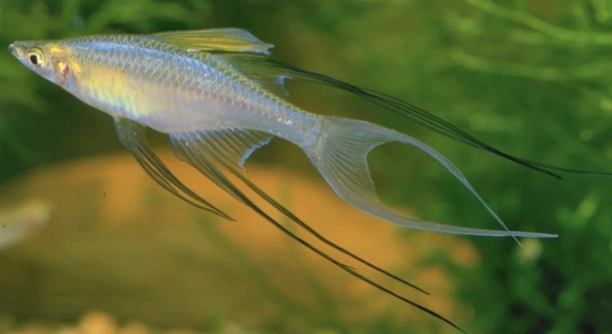
Threadfins are graceful fish often seen gliding through calm waters, yet even these skilled swimmers can experience confusion or stress. Their movements and behaviors change subtly when they encounter situations that overwhelm their senses or instincts.
When threadfins are confused or overwhelmed, they tend to reduce movement and stay close to familiar structures. This behavior minimizes exposure to threats and conserves energy, allowing them to regain orientation while processing unfamiliar environmental cues.
Observing these reactions can offer insights into their natural habits and help caretakers support their wellbeing in various aquatic settings.
Signs of Stress in Threadfins
Threadfins display several subtle signs when they feel stressed or overwhelmed. Their swimming may become erratic, with sudden bursts followed by long pauses. Some will hover near the tank walls or bottom, avoiding open spaces. Changes in appetite are also common, as a stressed fish may refuse food or nibble only occasionally. Coloration can shift slightly, appearing duller than usual, reflecting internal discomfort. They may also group tightly with others, seeking comfort in numbers. Observing these behaviors carefully allows for early intervention before stress impacts health more severely. Noticing these small shifts requires patience, but it can make a significant difference. Adjusting water flow, lighting, and reducing sudden disturbances helps threadfins feel safer. Creating a predictable environment lets them regain confidence and resume normal patterns of swimming, feeding, and social interaction. Regular observation and minor environmental adjustments are essential for their long-term wellbeing.
Recognizing these stress indicators early helps prevent long-term health problems in threadfins.
Consistent monitoring and slight environmental changes can greatly improve their comfort. Proper tank setup, hiding spaces, and gradual exposure to new stimuli reduce confusion. Healthy threadfins are active, eat well, and display normal coloration, signaling that the environment suits their needs.
How Threadfins Cope With Confusion
Threadfins cope by limiting activity when overwhelmed, staying near familiar areas.
They rely on instinctive behaviors to navigate stressful situations. Remaining close to objects like rocks or plants gives them a sense of security. Slower swimming conserves energy, allowing them to process new information and regain orientation. Sometimes they form small groups, using the presence of others to feel safer. This grouping behavior helps reduce anxiety while maintaining social cohesion. Environmental enrichment, such as structured hiding spots or gentle water currents, supports these coping strategies. Observing their reactions over time provides insights into their comfort levels and helps caretakers anticipate needs. By responding to stress cues appropriately, you can ensure that threadfins remain active and healthy while adjusting to new or challenging conditions. Their ability to recover depends largely on maintaining consistent care, gentle handling, and a stable habitat that mirrors natural settings. Regular observation ensures that any changes in behavior are addressed promptly.
Environmental Triggers
Sudden changes in water temperature, lighting, or noise can overwhelm threadfins. Even minor disruptions in their surroundings may trigger confusion, causing them to behave unusually or seek shelter.
Threadfins are sensitive to shifts in their environment. Rapid changes in water temperature or flow can make them disoriented and stressed. Bright lights or sudden loud noises may startle them, prompting erratic swimming or hiding. These fish rely on stable conditions to feel secure. Maintaining consistent water quality, temperature, and gentle lighting helps prevent confusion. Adding plants or structures provides familiar landmarks. Gradual adjustments are essential when altering the tank setup, as sudden modifications can disturb their comfort. Observing reactions to new elements helps identify potential stress points and ensures threadfins remain calm and active.
Behavioral changes due to environmental triggers often include reduced feeding, sluggish movement, or clustering in safe spots. By understanding their natural preferences, caretakers can provide supportive conditions that minimize stress. Monitoring and adjusting the environment carefully promotes both mental and physical health for threadfins. Familiarity with surroundings builds confidence, letting them explore safely while reducing the risk of harm.
Social Influences
Interactions with other fish can affect threadfins’ stress levels and behavior. Aggressive or overly active tankmates can cause confusion or withdrawal.
Threadfins are social but sensitive to the behavior of companions. Overcrowding or aggressive tankmates may force them into hiding, altering normal swimming patterns. When paired with calmer fish, threadfins show more stable behavior and better feeding habits. Observing their reactions to each new companion is crucial to maintain balance in the tank. Conflicts or dominance displays may stress weaker individuals, causing them to avoid open areas. Structured spaces and visual barriers help reduce tension. Gradual introductions and careful monitoring prevent overwhelming experiences. Ensuring compatible companions allows threadfins to maintain social bonds without compromising wellbeing, creating a harmonious environment that encourages natural activity and reduces anxiety.
Feeding Challenges
Threadfins may eat less or miss meals when confused or stressed. Sudden changes in feeding routines can make them hesitant to approach food.
Offering familiar food at consistent times helps them regain comfort. Overfeeding or introducing too many new foods at once can worsen stress, so gradual adjustments are best.
Behavioral Adjustments
When overwhelmed, threadfins may reduce movement, hover near structures, or form tight groups. These behaviors help them feel safer and regain orientation. They rely on instinct to navigate their environment until they feel secure again.
Habitat Modifications
Adding plants, rocks, or gentle water flow helps threadfins feel more secure. Familiar structures give them landmarks to navigate safely and reduce stress.
FAQ
How can I tell if my threadfin is stressed or confused?
Signs of stress in threadfins include erratic swimming, staying close to the tank walls, hiding, or reduced appetite. Coloration may appear slightly dull, and they might group together for comfort. Observing these subtle changes regularly can help detect problems early before long-term health is affected.
What environmental factors most commonly confuse threadfins?
Rapid changes in water temperature, flow, or lighting can overwhelm threadfins. Loud noises, sudden movements near the tank, and introducing unfamiliar objects may also trigger stress. Providing a stable, predictable environment with gentle lighting and consistent water conditions helps threadfins feel secure. Gradual adjustments are essential.
Do threadfins react differently around other fish?
Yes, threadfins are sensitive to tankmates’ behavior. Aggressive or highly active fish can cause confusion or withdrawal. Calmer companions promote stable behavior and proper feeding. Monitoring introductions and using visual barriers or structured spaces helps reduce stress, allowing threadfins to maintain social comfort without conflict.
How should I feed a confused or stressed threadfin?
Offer familiar foods at regular times, keeping portions small. Avoid introducing too many new foods at once. Stress can reduce appetite, so patience is key. Feeding in quiet conditions near familiar hiding spots encourages eating and helps them feel safe while regaining normal routines.
Can habitat modifications help threadfins cope?
Yes, adding plants, rocks, and other structures gives threadfins landmarks to navigate safely. Gentle water flow and hiding spaces reduce stress and provide security. Familiar structures allow them to explore without feeling exposed, helping them regain confidence and return to natural swimming patterns.
How long does it take for threadfins to recover from confusion?
Recovery time depends on the severity of stress and environmental conditions. Minor confusion may last hours to a day, while longer disruptions may take several days. Consistent care, stable conditions, and gentle observation help threadfins adjust more quickly and resume normal behaviors.
Are there specific warning signs that need immediate attention?
Yes, if threadfins stop eating for several days, show rapid breathing, sustained lethargy, or visible injury, these require urgent attention. Persistent hiding or isolation may indicate serious stress or illness. Immediate action, such as checking water quality and consulting a veterinarian, is crucial to prevent complications.
Can stress in threadfins affect their long-term health?
Chronic stress can weaken the immune system, reduce growth, and increase susceptibility to disease. Consistently monitoring behavior, maintaining stable conditions, and addressing stressors promptly helps prevent long-term health problems and ensures that threadfins remain active and resilient.
Is group behavior important for stressed threadfins?
Yes, threadfins often cluster with others when confused or overwhelmed. This instinctive behavior provides safety and reduces anxiety. Grouping can help them feel more secure, though overcrowding should be avoided. Balanced social settings support mental and physical wellbeing while maintaining natural activity patterns.
What steps can prevent confusion and stress in the first place?
Maintaining consistent water conditions, gentle lighting, structured hiding spots, and compatible tankmates is essential. Gradual introductions of new elements, careful feeding routines, and minimal sudden disturbances help threadfins feel secure. Regular observation ensures problems are addressed quickly, keeping them healthy and comfortable over time.
How does water quality impact threadfin behavior?
Poor water quality causes stress and disorientation. High ammonia, nitrite, or nitrate levels, fluctuating temperature, and low oxygen can confuse threadfins. Regular testing, water changes, and filtration maintenance are critical. Stable, clean water supports healthy behavior, feeding, and overall resilience.
Are there behavioral cues that indicate recovery?
Yes, returning to normal swimming patterns, resuming regular feeding, vibrant coloration, and exploring the tank are signs of recovery. Increased interaction with calm tankmates and reduced hiding indicate that the threadfin feels secure and is adjusting well to its environment.
Can enrichment activities help?
Introducing gentle environmental enrichment, like plants, rocks, and safe water currents, encourages natural behaviors. Exploration in a safe setting reduces stress, builds confidence, and stimulates mental engagement. Overly sudden or complex enrichment should be avoided to prevent additional confusion.
Do threadfins need special attention during tank changes?
Yes, moving or rearranging a tank can confuse threadfins. Gradual adjustments, maintaining familiar structures, and monitoring behavior afterward help them adapt. Minimizing disturbances during cleaning or maintenance keeps them calm and prevents long-term stress.
What role does lighting play in threadfin behavior?
Bright, fluctuating, or sudden lighting changes can disorient threadfins. Stable, moderate lighting with gradual transitions helps them navigate and feel safe. Providing shaded areas or plants for refuge allows them to adjust naturally and reduces stress.
How important is observation for preventing stress?
Regular observation is critical. Noticing subtle changes in swimming, appetite, coloration, or social behavior allows early intervention. Consistent monitoring helps identify triggers, adjust care routines, and maintain a supportive environment, keeping threadfins healthy and comfortable.
Can stressed threadfins recover fully?
Yes, with consistent care, stable conditions, and attention to environmental and social needs, threadfins can recover completely. Timely intervention and gentle handling ensure they regain confidence, resume normal behaviors, and thrive in their habitat.
What are common mistakes that worsen stress?
Sudden changes in water, aggressive tankmates, overfeeding, frequent handling, and loud disturbances can worsen confusion. Ignoring subtle behavior changes delays recovery. Gradual, careful adjustments, stable routines, and a supportive environment are essential to prevent prolonged stress or health issues.
How can I make the tank feel more predictable for threadfins?
Providing consistent lighting, water flow, and feeding times helps threadfins feel secure. Structured hiding spots, gradual environmental changes, and calm tankmates reinforce predictability. Predictable routines allow them to navigate safely, reducing stress and supporting normal behavior over time.
Are there signs of improvement to watch for after stress interventions?
Yes, increased swimming activity, returning to normal feeding patterns, exploring the tank, brighter coloration, and calmer interactions with tankmates indicate improvement. Observing these signs confirms that environmental adjustments and care strategies are effective, helping threadfins regain stability and confidence.
Can stress impact reproduction in threadfins?
Yes, prolonged stress may reduce reproductive activity or success. Ensuring a stable, low-stress environment with proper nutrition and compatible companions supports healthy breeding behaviors. Minimizing disturbances and maintaining consistent conditions promotes reproductive readiness and overall wellbeing.
What is the best approach if multiple stress factors occur simultaneously?
Address the most immediate threats first, such as water quality or aggressive tankmates. Gradually adjust other factors while monitoring behavior closely. Prioritizing stability, safe hiding spots, and consistent feeding helps threadfins cope effectively, preventing compounded stress and supporting recovery.
Are some threadfins more sensitive than others?
Individual sensitivity varies. Some react strongly to minor changes, while others tolerate small disturbances. Understanding each fish’s behavior and adjusting care routines accordingly ensures that all threadfins feel secure, reducing stress and supporting long-term health.
How does tank size influence stress levels?
Smaller tanks can limit movement and increase encounters with tankmates, heightening stress. Larger, well-structured tanks provide space for hiding, exploration, and social comfort. Proper sizing and layout reduce confusion and allow threadfins to display natural behaviors.
Can threadfins recognize their environment over time?
Yes, threadfins learn landmarks, hiding spots, and feeding areas. Familiarity increases confidence and reduces stress. Sudden changes disrupt this recognition, so maintaining consistency supports natural orientation, making them feel safer and more secure in their habitat.
What role does water flow play in managing stress?
Gentle water flow simulates natural conditions and provides cues for navigation. Strong or turbulent currents may overwhelm threadfins, causing disorientation. Adjusting flow to match natural preferences supports comfort, promotes normal swimming, and helps reduce confusion in stressful situations.
Are there signs that a tank setup is unsuitable?
Excessive hiding, erratic swimming, poor feeding, or prolonged clustering can indicate an unsuitable environment. Reviewing water quality, tankmates, space, and structures helps identify problems. Addressing these factors promptly ensures threadfins feel safe, active, and healthy.
How do seasonal changes affect threadfins?
Temperature fluctuations and light variation during seasonal changes can confuse threadfins. Gradual adjustments in water temperature, lighting, and feeding schedules help them adapt. Maintaining stability and monitoring behavior prevents seasonal stress from impacting health or activity levels.
Can diet adjustments improve resilience to stress?
Yes, a balanced diet supports health, immunity, and energy levels, helping threadfins cope with stress. Introducing variety gradually and maintaining consistent feeding routines reduces confusion. High-quality food promotes recovery and supports overall wellbeing in challenging conditions.
What is the best way to introduce new tankmates?
Introduce new fish slowly and monitor interactions closely. Use visual barriers or separate compartments initially to prevent overwhelming existing threadfins. Gradual exposure reduces stress and allows everyone to establish comfort and social balance safely.
How often should I observe my threadfins for signs of confusion?
Daily observation is ideal. Noticing subtle changes in swimming, feeding, social interactions, and coloration helps catch stress early. Regular monitoring ensures timely interventions, preventing long-term health problems and supporting consistent comfort in the tank.
Are there natural behaviors that indicate threadfins feel safe?
Yes, normal swimming patterns, exploring open areas, regular feeding, and social interactions with calm tankmates indicate comfort. Bright coloration and relaxed posture further show they feel secure. Observing these behaviors confirms that care and environment meet their needs.
Do threadfins communicate stress to others?
Indirectly, yes. Their reactions, like clustering or sudden movements, may influence tankmates’ behavior. Observing social interactions helps identify stress and ensures interventions support both individual and group wellbeing. Proper management maintains harmony and reduces confusion.
Can stress cause physical health problems in threadfins?
Prolonged stress can weaken immunity, slow growth, and increase susceptibility to disease. Maintaining stable conditions, proper diet, and observing behavior closely prevents stress-related health issues and ensures threadfins remain active and resilient.
How should I respond if a threadfin stops eating suddenly?
Check water quality, tankmates, and environmental changes immediately. Offer familiar foods in safe spots and reduce disturbances. Persistent refusal to eat may indicate stress or illness, requiring intervention, monitoring, and possibly consultation with an aquatic veterinarian.
Is there a way to prevent stress from handling?
Minimize handling and move threadfins gently only when necessary. Use nets carefully and avoid sudden movements. Frequent or rough handling increases confusion and anxiety. Creating predictable routines during maintenance reduces stress effectively.
Can gradual exposure help threadfins adjust to new environments?
Yes, slow introductions to changes in water, lighting, structures, or tankmates help threadfins adapt without overwhelming them. Gradual exposure reduces confusion, promotes confidence, and encourages normal swimming and feeding behaviors while maintaining overall wellbeing.
Do stress-reducing strategies differ for young versus adult threadfins?
Young threadfins are more sensitive and may require extra hiding spots and gentle care. Adults tolerate minor disturbances better but still benefit from stability. Adjusting strategies to age ensures both juveniles and adults feel secure and maintain normal behaviors.
How can I make observation easier without causing stress?
Watch quietly from outside the tank or use indirect lighting to reduce disturbances. Avoid tapping or sudden movements. Gentle, consistent observation allows monitoring of behavior, feeding, and interactions while keeping threadfins calm and comfortable.
What are subtle signs of recovery after stress?
Returning to normal swimming, resuming regular feeding, exploring open areas, interacting with tankmates, and brightened coloration indicate recovery. Gradual return to natural behaviors shows confidence and adjustment to the environment, confirming that interventions are effective.
How do I balance enrichment with avoiding stress?
Introduce gentle changes, such as new plants or structures, slowly and monitor responses. Avoid sudden or excessive alterations. Enrichment should encourage natural behaviors without overwhelming threadfins, supporting mental stimulation and environmental familiarity simultaneously.
Can water chemistry changes cause confusion even if other conditions seem fine?
Yes, fluctuations in pH, hardness, or dissolved oxygen can stress threadfins. Even subtle shifts may affect orientation, feeding, and social behavior. Regular testing and stable maintenance prevent confusion, supporting overall health and consistent behavior in the tank.
What is the most effective way to maintain long-term stability for threadfins?
Consistent water quality, gentle lighting, predictable feeding schedules, appropriate tankmates, and structured hiding spots create a stable environment. Regular observation and gradual adjustments ensure that threadfins remain comfortable, active, and resilient, reducing the risk of confusion or stress over time.
Can stress have lasting behavioral effects?
Prolonged or repeated stress may cause long-term changes, such as increased hiding, reduced activity, or poor feeding habits. Early intervention, environmental adjustments, and consistent care minimize lasting effects, helping threadfins return to natural behaviors and maintain health.
How important is gradual change compared to sudden interventions?
Gradual change is crucial. Sudden interventions can overwhelm threadfins, causing confusion and stress. Slow adjustments in water conditions, tankmates, feeding routines, or structures allow them to adapt safely and maintain normal behaviors while reducing risk of health complications.
Are there differences in stress responses between species of threadfins?
Yes, different species may vary in sensitivity to environmental or social factors. Understanding species-specific needs, such as preferred water flow, social grouping, and habitat structure, ensures interventions are effective and stress is minimized.
How can I encourage natural exploration without causing stress?
Provide structured hiding spots, gentle water flow, and familiar landmarks. Encourage gradual movement through the tank while maintaining calm surroundings. This allows threadfins to explore safely, build confidence, and remain engaged without triggering confusion or anxiety.
Can seasonal lighting adjustments reduce stress?
Gradual changes in lighting to mimic natural conditions can help threadfins adapt smoothly. Sudden shifts may confuse or stress them. Providing shaded areas and consistent routines ensures comfort and supports normal daily behaviors.
How do I know when my threadfin has fully adjusted to a new tank?
Normal swimming patterns, regular feeding, exploring open areas, bright coloration, and calm interactions with companions indicate full adjustment. Observing these behaviors consistently confirms that the threadfin feels secure and confident in its environment.
Are there specific signs that a tank layout is ideal for stress reduction?
Adequate hiding spots, clear swim paths, gentle water flow, and visual barriers that reduce aggression indicate an ideal layout. Threadfins show comfort by swimming openly, feeding regularly, and interacting calmly with tankmates, signaling that the environment supports wellbeing.
Can stress management differ based on tank size?
Yes, larger tanks provide space for hiding and exploration, reducing stress. Small tanks require careful planning to prevent overcrowding and ensure sufficient structures. Proper layout, compatible companions, and consistent care mitigate stress regardless of size.
How do I prevent long-term behavioral changes from repeated stress?
Consistently monitor behavior, maintain stable conditions, avoid sudden changes, and address stressors promptly. Providing supportive structures, calm tankmates, and predictable routines prevents confusion from becoming habitual, ensuring threadfins retain natural activity patterns and healthy interactions.
Is water temperature the most critical factor for threadfin stress?
Water temperature is very important. Sudden shifts can disorient or overwhelm threadfins. Stable temperature, gradual changes, and monitoring with reliable equipment ensure comfort, normal behavior, and reduced risk of stress-related health issues.
How should I respond if multiple threadfins show signs of confusion?
Check environmental conditions, water quality, tankmates, and feeding routines immediately. Gradually address each factor while observing reactions. Prioritizing stability and safety helps all affected threadfins recover effectively without compounding stress or confusion.
Can threadfins adapt to minor stressors over time?
Yes, gradual exposure to predictable minor stressors can build resilience. However, repeated or severe stress should be avoided, as it may cause lasting behavioral or health effects. Balancing gentle adaptation with a stable environment ensures long-term wellbeing.
What is the best way to combine observation, enrichment, and feeding for minimal stress?
Observe quietly, offer familiar foods consistently, and introduce gentle enrichment slowly. Avoid sudden changes or disturbances. Coordinating these elements carefully ensures threadfins remain comfortable, mentally engaged, and confident while minimizing confusion and stress.
Are some behaviors irreversible if stress is ignored?
Prolonged stress without intervention can lead to persistent hiding, reduced activity, poor feeding, or weakened immunity. Early detection and appropriate environmental adjustments are essential to prevent long-term or irreversible effects on behavior and health.
How can I identify subtle social stress among tankmates?
Look for clustering, avoidance, or sudden retreats when others move. Changes in feeding order, aggression, or altered swimming patterns indicate social stress. Addressing group dynamics, providing visual barriers, and ensuring compatible companions reduce confusion and anxiety among threadfins.
Can poor nutrition worsen confusion in threadfins?
Yes, inadequate or inconsistent diets can weaken energy levels, reduce focus, and increase stress. Consistent, balanced feeding supports recovery, cognitive function, and resilience, helping threadfins cope with environmental or social challenges more effectively.
What is the role of water clarity in threadfin comfort?
Cloudy or murky water can disorient threadfins, reduce visibility, and increase stress. Clear, well-filtered water allows them to navigate safely, find food, and maintain normal social interactions, reducing confusion and supporting overall wellbeing.
Are there long-term benefits to a stable, enriched environment?
Yes, consistent structure, gentle enrichment, and calm tankmates promote confidence, natural behaviors, and stress resilience. Threadfins in stable environments feed well, interact appropriately, and maintain health, reducing the risk of long-term behavioral or physical problems.
Can observing feeding patterns reveal confusion?
Yes, hesitation, missing meals, or inconsistent feeding indicate stress or confusion. Tracking feeding behavior alongside environmental changes helps identify triggers and informs adjustments to improve comfort and support natural habits.
How do I know if my interventions are effective?
Signs of improvement include normal swimming, consistent feeding, exploration, calm social interactions, and brighter coloration. Observing these behaviors confirms that environmental adjustments, social management, and feeding routines are reducing stress and supporting recovery.
Is it normal for threadfins to occasionally act confused?
Occasional disorientation can occur, especially during minor changes or new introductions. Temporary confusion usually resolves quickly with stable conditions, gentle handling, and familiar surroundings, indicating normal adjustment rather than persistent stress.
How can I balance multiple stress-reducing strategies at once?
Prioritize stability in water quality, lighting, feeding, tankmates, and structures. Introduce minor changes gradually and monitor responses. Coordinating these strategies ensures threadfins remain comfortable, active, and confident without being overwhelmed by simultaneous interventions.
Are hiding spots always beneficial?
Yes, hiding spots offer security, reduce anxiety, and provide landmarks for navigation. However, excessive hiding may indicate stress or insufficient
Final Thoughts
Threadfins are sensitive fish that respond strongly to changes in their environment. Even small disturbances in water temperature, flow, lighting, or the presence of other tankmates can affect their behavior. Stress and confusion may show up in subtle ways, such as hiding, reduced movement, hesitation to eat, or unusual swimming patterns. Observing these signs carefully is important because threadfins rely on consistency to feel secure. When their environment is predictable and calm, they are more likely to display normal behaviors, maintain healthy feeding habits, and interact comfortably with other fish. Paying attention to these small details can make a significant difference in their wellbeing.
Providing a stable and supportive habitat is the most effective way to reduce stress and prevent confusion in threadfins. Structured hiding spots, plants, rocks, and gentle water flow create familiar landmarks that help them navigate their surroundings. Gradual changes to the tank, such as introducing new fish, adjusting water flow, or rearranging decorations, are better tolerated than sudden shifts. Feeding routines also play a role in their comfort. Offering familiar foods at consistent times encourages normal eating habits and reduces anxiety. Monitoring water quality, including temperature, oxygen levels, and chemical balance, is equally important. Clean and stable conditions allow threadfins to focus on natural behaviors instead of being overwhelmed by environmental stressors. Consistent observation and small, deliberate adjustments help keep them confident and healthy over time.
Understanding threadfins’ natural responses to stress can improve both their health and their daily experience. Social factors, such as the behavior of other fish, can also impact their comfort, making compatible companions and proper tank spacing crucial. Recognizing when threadfins are confused or overwhelmed allows for timely interventions, preventing long-term effects on behavior and physical health. Over time, threadfins can adapt and recover if given supportive conditions, predictable routines, and careful attention to their environment. Creating a habitat that meets their needs promotes natural activity, calm interactions, and steady feeding habits. By maintaining consistent care and observing changes closely, caretakers can help threadfins thrive, ensuring that they remain active, resilient, and comfortable in their aquatic home.

Hello,
If you enjoy the content that we create, please consider saying a "Thank You!" by leaving a tip.
Every little bit helps us continue crafting quality advice that supports the health, happiness, and well-being of pets around the world, for pets of all shapes, sizes, and species.
We really appreciate the kindness and support that you show us!