
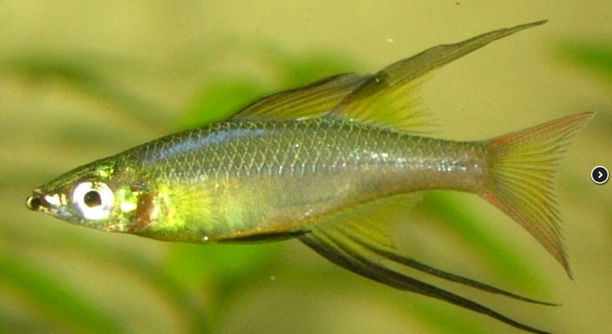
Have you ever noticed your threadfin rainbowfish gliding gently across the tank, seemingly at peace? These fish display subtle behaviors that signal comfort and well-being. Observing their calmness can reveal much about their environment and health.
Threadfin rainbowfish exhibit calmness through specific visual cues, including steady swimming, relaxed fins, smooth gill movements, vibrant coloration, consistent schooling behavior, minimal hiding, and gentle interaction with tankmates. Each of these signs indicates a stable, stress-free state.
Recognizing these visual signals helps ensure your fish thrive while maintaining a peaceful and balanced aquarium environment. It provides insight into their comfort and overall health.
Steady Swimming Patterns
Observing threadfin rainbowfish swim calmly across the tank is one of the clearest indicators of their comfort. Calm fish tend to move smoothly without sudden bursts of speed or erratic changes in direction. Their movements are deliberate, coordinated, and often synchronized with other fish. When swimming steadily, they explore their environment methodically, inspecting plants, decorations, and open spaces without showing signs of panic. Rapid darting or frequent hiding usually signals stress or discomfort, which may be related to water quality, temperature, or tank companions. Maintaining a consistent swimming pattern also reflects that the fish are healthy and well-fed. Tank size plays a role as well; overcrowded tanks can restrict smooth movement, while spacious tanks allow for more natural swimming behaviors. Observing their posture while swimming can further confirm their calm state. Calm threadfin rainbowfish often hold their fins slightly extended and maintain a horizontal orientation, signaling a relaxed attitude.
Steady swimming indicates contentment and proper adaptation to the tank environment. These patterns reveal that the fish are not stressed or threatened.
When fish swim calmly, it also helps establish harmony in the tank. Fish that move steadily interact better with their tankmates, avoid collisions, and maintain schooling behavior naturally. Observing these patterns daily allows you to detect changes early. Any sudden changes in swimming, such as frantic bursts or resting at the bottom for long periods, may indicate stress, illness, or water issues. Paying attention to these movements helps ensure interventions are timely. Adjusting water temperature, checking filtration, and monitoring feeding routines contribute to maintaining a peaceful swimming environment. Over time, calm swimming contributes to longer lifespan, vibrant coloration, and more predictable behavior, creating a visually pleasant and healthier aquarium. Consistency in observing these patterns builds confidence in your ability to maintain optimal conditions.
Relaxed Fin Movements
Relaxed fins are a subtle yet important indicator of calmness in threadfin rainbowfish.
Fins that are gently extended, without clamping or rapid fluttering, show the fish is at ease. Tight or constantly moving fins can suggest stress or discomfort. Monitoring fin behavior regularly ensures a healthy, stress-free environment for your fish. Proper diet, water quality, and compatible tankmates support natural, relaxed fin movements. These gentle signals reflect the fish’s overall state of well-being, indicating that your tank setup provides a secure and stable habitat.
Smooth Gill Movements
Smooth gill movements indicate that threadfin rainbowfish are breathing comfortably and are not under stress. Rapid or erratic gill activity can signal poor water quality, low oxygen, or illness, while consistent, gentle movements reflect calmness and proper acclimation to their environment.
Observing gill motion is essential for monitoring fish health. When gills move in a steady, rhythmic pattern, it shows that oxygen levels are sufficient and the fish are not exerting themselves unnecessarily. Sudden increases in gill rate can be an early warning of stress caused by overcrowding, sudden temperature changes, or aggressive tankmates. Regular observation helps maintain a stable environment.
Smooth gill movements also support overall energy balance in the fish. Fish with relaxed breathing are better able to feed, swim steadily, and interact with other tankmates without conflict. They can maintain vibrant coloration and a healthy immune system. Over time, consistent monitoring of gill activity ensures that the aquarium remains a safe and calm habitat, allowing threadfin rainbowfish to thrive and demonstrate natural behaviors freely.
Vibrant Coloration
Bright and consistent coloration is a key visual sign of calmness in threadfin rainbowfish. Dull or fading colors may indicate stress, poor diet, or unsuitable water conditions, whereas vibrant hues reflect a healthy, comfortable fish.
Coloration can fluctuate due to light exposure, age, or breeding cycles, but generally, calm fish maintain vivid and uniform patterns. Vibrant colors also signal proper nutrition, adequate tank conditions, and minimal stress from tankmates. Fish that are frequently hiding or showing erratic behavior may lose their natural brilliance over time.
Maintaining stable water parameters, providing a balanced diet, and avoiding aggressive companions helps preserve their coloration. Observing color changes daily allows early detection of stress or health issues. When threadfin rainbowfish display bright, lively colors, it reflects a balanced environment and attentive care. Consistent monitoring ensures that these fish continue to look their best while exhibiting calm, natural behaviors that enhance the overall appeal of the aquarium.
Consistent Schooling Behavior
Threadfin rainbowfish that swim together in a coordinated group demonstrate calmness and security. Disorganized or isolated swimming can indicate stress, illness, or discomfort, while synchronized movements suggest a stable and comfortable tank environment.
Regular schooling reduces stress and supports natural social behavior. Calm fish often stay close to their group, maintaining rhythm and spacing that reflects confidence and safety. Observing this behavior helps confirm overall well-being and proper adaptation to the tank.
Minimal Hiding
Fish that remain mostly visible and explore the tank show signs of calmness. Frequent hiding may indicate fear, stress, or poor tank conditions.
Providing sufficient cover and open swimming areas balances security with freedom. Minimal hiding reflects confidence in their environment and comfort with tankmates.
Gentle Interaction with Tankmates
Threadfin rainbowfish exhibit calmness through peaceful interactions. They avoid aggressive chasing or nipping, allowing harmonious coexistence. Calm fish respect space, share swimming areas, and maintain distance when needed, demonstrating social stability. This behavior supports overall tank harmony and ensures less stress for all fish in the community.
Relaxed Body Posture
A relaxed body posture is another clear sign of calmness. Fish hold themselves horizontally, fins slightly extended, and avoid sudden jerky movements, indicating comfort and low stress levels within the tank.
FAQ
How can I tell if my threadfin rainbowfish is stressed?
Signs of stress include erratic swimming, clamped fins, frequent hiding, faded coloration, and rapid gill movements. Stressed fish may avoid tankmates, eat less, or linger near the bottom. Observing daily behavior and noting changes helps identify early signs, allowing adjustments in water quality, tank setup, and diet.
What is the best tank environment for calm threadfin rainbowfish?
A spacious tank with clean, filtered water, stable temperature, and gentle lighting encourages calm behavior. Provide plants, decorations, and hiding spots while keeping swimming areas open. Balanced social groups with compatible species reduce aggression and stress, allowing natural schooling and peaceful interaction.
How important is water quality for calmness?
Water quality is critical. Parameters like pH, temperature, ammonia, nitrite, and nitrate levels must remain stable. Poor water quality causes stress, illness, and color fading. Regular testing, partial water changes, and proper filtration maintain a healthy environment that promotes calmness and supports natural behavior.
Can diet affect my fish’s calmness?
Yes. A balanced diet of high-quality flakes, pellets, and occasional live or frozen foods ensures proper nutrition. Well-fed fish display smoother swimming, vibrant colors, and relaxed fins. Irregular feeding or poor-quality food may cause agitation, erratic swimming, and weakened immune systems.
How do I encourage schooling behavior?
Keep threadfin rainbowfish in small groups of at least six. Calm, well-fed fish naturally swim together. Avoid mixing with aggressive species that disrupt the school. Providing open swimming areas and consistent water conditions helps the group maintain rhythm and reduces stress.
What signs show my fish are comfortable with tankmates?
Peaceful interactions indicate comfort. Fish swim near each other without chasing or nipping, share space evenly, and respect boundaries. Calm fish maintain relaxed fins and body posture even when near other species. Aggression or isolation may signal incompatibility or stress.
How do I monitor gill movements for stress?
Observe the rate and rhythm of gill motion. Steady, smooth movements indicate calm breathing, while rapid or irregular gill activity signals stress, low oxygen, or illness. Checking gill behavior daily helps identify environmental problems early.
Why is consistent coloration important?
Bright, even coloration reflects health and low stress. Dull or patchy colors suggest poor water quality, disease, or inadequate nutrition. Maintaining proper diet, tank conditions, and compatible tankmates supports natural, vibrant coloration.
Are hiding spots necessary for calmness?
Yes, but balance is key. Fish need shelter for security, but excessive hiding can indicate stress or discomfort. Provide plants, rocks, or decorations while leaving open swimming areas. Observing their use of hiding spots helps gauge comfort levels.
How often should I observe my fish for calmness?
Daily observation is recommended. Noting swimming patterns, fin position, coloration, gill movements, and interaction with tankmates helps detect subtle changes. Early detection of stress or illness ensures timely intervention and maintains a stable, calm environment for your threadfin rainbowfish.
Can lighting affect calmness?
Lighting impacts activity levels and stress. Moderate, consistent lighting encourages natural behavior and coloration. Sudden changes or overly bright lights can cause hiding, erratic swimming, or color fading. Simulating a natural day-night cycle helps maintain a calm, healthy environment.
How do I know if my fish are relaxed during feeding?
Relaxed fish approach food calmly, without frantic competition or hiding. They maintain smooth swimming and gentle fin movements. Aggressive or erratic feeding indicates stress or inadequate nutrition, signaling adjustments may be needed in feeding quantity or method.
What role does tank size play in calmness?
Adequate space allows natural swimming, schooling, and social interaction. Crowded tanks lead to stress, aggression, and hiding. Providing enough room for movement ensures relaxed behavior, smooth swimming, and better overall health.
How can I reduce stress in a new tank?
Acclimate fish slowly, monitor water parameters, and provide shelters. Introduce compatible tankmates gradually. Minimize sudden disturbances, maintain proper feeding, and ensure stable lighting. A calm, predictable environment supports adaptation and promotes peaceful behavior.
What daily habits help maintain calmness?
Observe behavior, check water quality, feed consistently, and monitor tankmates. Clean tanks and maintain stable conditions. Consistency reduces stress, supports health, and encourages natural, calm behaviors in threadfin rainbowfish.
This FAQ provides practical guidance to ensure your threadfin rainbowfish remain relaxed, healthy, and vibrant while thriving in a balanced aquarium environment.
Final Thoughts
Threadfin rainbowfish are delicate and visually striking fish that show their comfort and calmness through subtle behaviors. Observing these behaviors closely allows you to understand their needs and maintain a healthy, balanced tank. Signs like steady swimming, relaxed fins, smooth gill movements, vibrant coloration, consistent schooling, minimal hiding, and gentle interactions with tankmates provide insight into their overall well-being. Paying attention to these signals helps ensure that the fish are not experiencing stress or discomfort. A calm fish is a healthy fish, and maintaining this state requires consistent care, observation, and an appropriate environment tailored to their natural habits.
Maintaining water quality is one of the most critical factors in keeping threadfin rainbowfish calm. Stable parameters, including temperature, pH, ammonia, nitrite, and nitrate levels, directly influence their behavior. Clean water, proper filtration, and regular partial water changes prevent stress and allow the fish to display natural behaviors. A balanced diet with high-quality flakes, pellets, and occasional live or frozen foods supports energy levels, vibrant coloration, and overall health. Tank size and setup also play an important role. A spacious tank with both open swimming areas and carefully placed hiding spots allows the fish to feel secure while moving freely. Overcrowding or incompatible tankmates can lead to erratic swimming, hiding, or aggression, which are clear signs of stress. Monitoring daily behavior ensures any issues are addressed promptly, preserving a calm and stable environment.
Behavioral observation remains a key tool for maintaining a peaceful aquarium. Noticing how fish swim together, interact, and respond to their environment provides essential information about their comfort. Calm threadfin rainbowfish display coordinated schooling, smooth fin and gill movements, and relaxed postures, reflecting a secure and stress-free habitat. These signs also indicate that feeding routines, tank conditions, and social groupings are appropriate. Consistency in care, attention to detail, and awareness of subtle behavioral changes allow you to provide the best environment possible. By observing and responding to these visual cues, you create a tank where threadfin rainbowfish can thrive, showing their natural beauty, calm behavior, and healthy development. A focus on these aspects ensures the aquarium remains both visually appealing and supportive of the fish’s long-term well-being.

Hello,
If you enjoy the content that we create, please consider saying a "Thank You!" by leaving a tip.
Every little bit helps us continue crafting quality advice that supports the health, happiness, and well-being of pets around the world, for pets of all shapes, sizes, and species.
We really appreciate the kindness and support that you show us!