
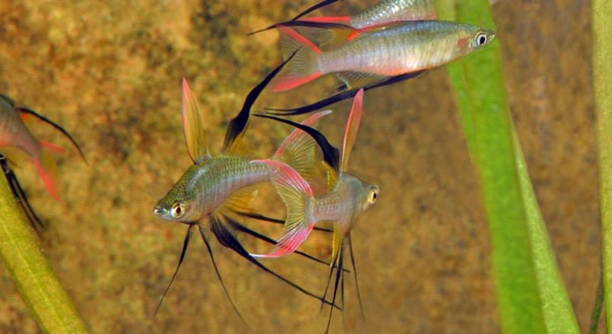
Do your threadfins sometimes seem restless or stressed when placed with other fish in your tank? Observing their behavior can help you understand how they feel and what interactions may be causing tension.
When threadfins do not tolerate their tankmates, they often display aggressive or avoidance behaviors. These actions include chasing, nipping, hiding, or isolating themselves. Understanding these responses is essential for maintaining a balanced and stress-free aquarium environment.
Recognizing these signs early helps you adjust tank conditions and protect your threadfins’ well-being effectively. Small changes can make a big difference in harmony.
Signs of Discomfort in Threadfins
Threadfins often show subtle signs when they are uncomfortable with tankmates. You might notice them swimming erratically or lingering at the edges of the tank. They can become more aggressive during feeding times, chasing smaller fish or snapping at anyone who comes too close. At other times, they may withdraw completely, staying hidden behind decorations or under ledges for long periods. Changes in their swimming patterns, loss of appetite, or unusual hiding are all indicators that they are stressed. These behaviors are not always sudden; they can develop over days or weeks, making careful observation important. Monitoring your tank daily allows you to notice small changes before they become serious problems. Tank layout and the number of fish can influence these behaviors significantly. Threadfins are social yet sensitive fish, and their interactions with others can affect their overall health and comfort in the tank.
Consistent observation of your threadfins’ behavior helps identify tension early. Minor adjustments can prevent major conflicts.
Properly arranging your tank with open swimming areas, hiding spots, and compatible companions can reduce stress. By separating aggressive fish and creating zones for retreat, you allow threadfins to feel secure. Feeding routines, water quality, and careful selection of tankmates all play a role in minimizing stress. Adjusting these factors gradually encourages balanced interactions and healthier behavior patterns.
Managing Aggression and Isolation
Aggressive or isolated behavior can be managed with careful adjustments.
Separating problem fish temporarily can reduce stress while you evaluate tank dynamics. Introduce new tankmates gradually, ensuring compatibility in size, temperament, and swimming habits. Rearranging tank decorations helps break established territories and reduces conflicts. Maintaining excellent water quality and feeding schedules also plays a key role. Observing interactions over several days reveals which fish are compatible and which require permanent separation. Providing visual barriers and distinct zones allows threadfins to retreat and regain confidence. Consistency and patience are essential; sudden changes can worsen stress. Over time, these adjustments create a calmer, more balanced environment where threadfins feel secure, interact normally, and exhibit natural behaviors without constant conflict or retreat. Maintaining this balance improves their overall health and reduces the likelihood of injury or chronic stress. Proper planning and observation allow you to foster a peaceful tank community effectively.
Adjusting Tank Conditions
Small changes in tank conditions can make a big difference for threadfins. Adjusting decorations, hiding spots, and swimming space helps reduce stress. Proper water flow and temperature are essential. Keeping the tank clean ensures healthier interactions.
Rearranging tank decorations can break up established territories, which often reduces aggression. Providing multiple hiding spots gives threadfins safe areas to retreat when they feel threatened. Open swimming areas are just as important to allow natural movement and reduce competition for space. Monitoring water parameters such as temperature, pH, and oxygen levels ensures that all fish remain healthy. Regular cleaning of filters and substrate helps prevent buildup of waste, which can stress sensitive fish. Gradual adjustments are better than sudden changes, allowing threadfins to acclimate without increasing tension. Observing their behavior after each change is crucial to see if the modifications are effective or need further tweaks.
Feeding routines also impact behavior. Consistent schedules, appropriate portions, and quality food minimize competition and aggression. Offering varied food prevents boredom and supports overall health. Balanced nutrition strengthens immune systems and reduces stress-related illnesses. Keeping a calm feeding environment prevents chasing and territorial disputes. Over time, these small adjustments help threadfins feel more secure, allowing them to interact peacefully.
Selecting Compatible Tankmates
Choosing the right companions prevents many behavioral issues in threadfins. Avoid aggressive or overly territorial species. Size compatibility is also key, as threadfins may feel threatened by larger fish or stress smaller ones.
It is important to introduce new tankmates slowly. Quarantining new fish before adding them prevents disease and allows you to observe temperament. Choose species with similar swimming patterns and activity levels to prevent constant chasing or competition for space. Socially calm fish reduce stress and encourage natural behaviors in threadfins. Avoid overcrowding, as limited space increases tension and aggression. Observing interactions over the first few weeks helps identify incompatible pairings early. Adjusting tank layout and feeding routines can further support harmony among different species.
Monitoring ongoing interactions is essential. Even initially compatible fish may develop conflicts over time. Watch for signs of bullying, hiding, or changes in appetite. If problems arise, separating or rearranging the tank can restore balance. Selecting companions carefully, introducing them gradually, and maintaining proper tank conditions are all key steps in fostering a peaceful and healthy aquarium environment for threadfins.
Observing Behavioral Changes
Threadfins often give clear signs when they are uncomfortable or stressed. Watch for changes in swimming patterns, appetite, or social interactions. Noticing these early helps prevent serious conflicts or health issues in the tank.
Stress can make threadfins more aggressive or withdrawn. Recording behaviors over several days can reveal patterns and triggers, allowing timely adjustments in tank setup or feeding routines.
Feeding and Nutrition
Proper feeding routines reduce tension among tankmates. Consistent schedules, portion sizes, and food types help prevent competition. Threadfins benefit from high-quality protein sources and occasional vegetable matter for balanced nutrition. Offering food in multiple spots can reduce aggression, ensuring all fish receive enough without chasing or stress.
Environmental Enrichment
Adding plants, rocks, and open swimming areas encourages natural behaviors. These enrichments reduce stress and provide places for threadfins to explore, hide, and establish personal space.
FAQ
How can I tell if my threadfins dislike their tankmates?
Threadfins show discomfort in several ways. They may chase, nip, or constantly swim away from certain fish. Some hide frequently or avoid open areas. Loss of appetite or irregular swimming patterns are also common signs. Observing behavior daily helps identify tensions early and prevents escalation.
What should I do if my threadfins are aggressive?
Aggression often stems from stress, overcrowding, or incompatible tankmates. Rearranging decorations and creating hiding spots can reduce tension. Separating aggressive individuals temporarily allows them to calm down. Maintaining proper water conditions, consistent feeding routines, and gradual introductions of new fish also helps minimize aggressive behavior over time.
Can stress affect threadfins’ health?
Yes, stress can weaken their immune system, making them more prone to disease. Frequent hiding, erratic swimming, or poor appetite are warning signs. Ensuring stable water conditions, proper diet, and peaceful tankmates supports overall health and reduces stress-related illnesses.
Is tank size important for threadfin behavior?
Absolutely. Threadfins need sufficient swimming space to feel secure. Overcrowded tanks increase tension and aggression. A larger tank with clear swimming areas and distinct zones for hiding ensures comfort, reduces conflicts, and promotes natural behaviors. Proper space allows threadfins to coexist peacefully with compatible companions.
How often should I monitor my threadfins’ interactions?
Daily observation is best. Even subtle changes in swimming patterns, feeding behavior, or social interactions can indicate stress or conflict. Keeping a brief record of behaviors helps track improvements after tank adjustments or changes in companions. Consistent monitoring allows quick interventions when necessary.
Are certain fish better companions for threadfins?
Yes, calm, similarly sized, and non-territorial species make the best tankmates. Avoid overly aggressive or very small fish that might be targeted. Social compatibility ensures threadfins remain confident, healthy, and stress-free while reducing the likelihood of chasing or hiding.
Can rearranging the tank help reduce conflicts?
Rearranging decorations breaks established territories and gives threadfins new boundaries. Adding rocks, plants, or hiding areas allows them to retreat when needed. Open swimming areas reduce competition and promote natural movement. Gradual changes prevent additional stress while improving overall tank harmony.
What feeding strategies help minimize aggression?
Feeding in multiple spots prevents dominant fish from chasing others. Consistent schedules and portion sizes reduce competition. Providing high-quality protein and occasional vegetables keeps threadfins healthy. Balanced nutrition supports calm behavior and helps all fish receive adequate food without stress.
Should I quarantine new fish before adding them?
Quarantining new fish prevents disease and allows assessment of temperament. Observing behavior during quarantine helps identify potential conflicts. Gradual introductions, along with careful monitoring after release into the main tank, reduce aggression and ensure a peaceful environment for threadfins.
How do I handle persistent bullying or isolation?
If aggression or isolation continues, separating the problem fish may be necessary. Adjusting tank layout, providing more hiding spots, or reconsidering tankmates can restore balance. Persistent observation and timely interventions are key to maintaining a safe and stress-free environment for all fish.
Can environmental enrichment improve threadfin behavior?
Yes, adding plants, rocks, and varied swimming zones encourages exploration and natural behaviors. Hiding spots reduce stress, while open areas allow free movement. Enrichment prevents boredom and promotes calm interactions, helping threadfins coexist peacefully with compatible tankmates.
What signs indicate that adjustments are working?
Reduced chasing, more even swimming patterns, regular feeding, and confident exploration indicate improvement. Threadfins that spend less time hiding or show healthier appetites are adapting well. Continuous observation ensures that adjustments are effective and lasting.
How do I maintain long-term harmony in a mixed tank?
Select compatible species, maintain proper tank conditions, and provide adequate space. Gradually introduce new fish, offer multiple hiding areas, and feed consistently. Regular observation and timely interventions prevent conflicts. Long-term harmony comes from ongoing care, patience, and understanding your threadfins’ needs.
Can aggression return after initial improvement?
Yes, changes in tankmates, overcrowding, or environmental stress can trigger renewed aggression. Continued monitoring and adjustments, including rearranging the tank or separating fish if necessary, help manage these situations. Staying attentive ensures threadfins remain healthy and stress-free.
Are there signs that a tankmate is incompatible long-term?
Persistent chasing, constant hiding, injury, or refusal to eat indicate incompatibility. Despite adjustments, some fish may never coexist peacefully. Recognizing these signs early allows you to make permanent changes, such as relocating one of the fish, to protect threadfins’ well-being.
How important is water quality for social behavior?
Very important. Poor water quality increases stress, which can amplify aggression or isolation. Regular testing and maintenance of pH, temperature, and oxygen levels support healthy interactions and overall health. A stable environment reduces tension and promotes calm, natural behavior.
Can diet alone reduce conflict?
A balanced diet helps but is not a complete solution. Proper feeding prevents competition-related aggression, but tank layout, compatible companions, and environmental enrichment are also necessary to reduce tension effectively. A combination of factors ensures threadfins remain calm and healthy.
What is the best way to introduce a new tankmate?
Introduce new fish slowly, ideally after a quarantine period. Observe behavior in a controlled manner and provide multiple hiding spots. Gradual acclimation prevents sudden stress and reduces the chance of aggression, allowing threadfins to adjust peacefully to new companions.
How do I know when to permanently separate fish?
If repeated interventions fail and stress behaviors continue, permanent separation is necessary. Signs include ongoing chasing, injury, chronic hiding, or loss of appetite. Protecting threadfins’ health and well-being should always be the priority when determining compatibility.
Can threadfins adapt to initially stressful tankmates over time?
Sometimes, with gradual introductions, environmental enrichment, and consistent care, threadfins can adjust to new companions. However, persistent aggression or stress may indicate inherent incompatibility, requiring separation for the health of all fish.
What daily practices help maintain a calm tank?
Observe behaviors, maintain water quality, feed consistently, and monitor interactions. Small daily adjustments, along with regular cleaning and enrichment, prevent stress buildup and help threadfins remain confident and comfortable in their environment.
Are hiding spots more important than open swimming areas?
Both are crucial. Hiding spots reduce stress, while open swimming areas allow natural movement and social interaction. A balance ensures threadfins feel secure and prevents overcrowding-related aggression, promoting healthy behaviors.
How can I tell if my threadfins are happy?
Happy threadfins swim confidently, feed regularly, and interact calmly with tankmates. They explore the tank, use hiding spots as needed, and show no signs of chronic stress or aggression. Consistent positive behaviors indicate a well-balanced environment.
Do seasonal changes affect behavior?
Yes, temperature fluctuations, light changes, or water parameter shifts can alter activity levels and social interactions. Maintaining stable conditions helps threadfins remain comfortable and prevents stress-induced conflicts throughout the year.
Can enrichment alone solve aggressive behavior?
Enrichment helps but is not a standalone solution. Proper tankmates, feeding, water quality, and space are all necessary. Combined with environmental adjustments, enrichment promotes calmer, more natural behavior and reduces stress-related aggression.
What role does observation play in long-term care?
Observation is essential. Daily monitoring reveals subtle changes, identifies stress or aggression early, and allows timely interventions. Long-term care relies on understanding behaviors and responding appropriately to maintain a healthy, peaceful environment for threadfins.
How do I balance multiple needs in a mixed tank?
Provide adequate space, compatible companions, hiding spots, and consistent feeding. Monitor interactions and adjust tank layout or populations as needed. Balancing these factors ensures all fish, including threadfins, coexist peacefully with minimal stress.
Can small adjustments prevent serious injuries?
Yes, minor changes like rearranging decorations, separating aggressive individuals, or adjusting feeding spots can prevent chasing and fights. Early intervention protects threadfins and tankmates, avoiding long-term harm or stress.
What are common mistakes that increase tension?
Overcrowding, incompatible species, inconsistent feeding, poor water quality, and lack of hiding spots increase stress and aggression. Avoiding these mistakes helps maintain a calm, healthy tank environment for threadfins and their companions.
How do I know when interventions are successful?
Improved swimming patterns, calm interactions, regular feeding, and reduced hiding indicate success. Continued observation confirms that changes are effective and long-lasting, ensuring threadfins’ comfort and well-being.
Are threadfins more sensitive than other fish?
Threadfins are moderately sensitive to changes in tankmates, space, and water conditions. They respond quickly to stress, making careful observation, proper tank setup, and gradual adjustments essential to their health and comfort.
Can stress be reversed once it occurs?
Yes, stress can often be reduced with improved tank conditions, compatible companions, hiding spots, and consistent care. Quick recognition and intervention are key to restoring calm behavior and maintaining long-term health.
Is it better to prevent problems than fix them?
Absolutely. Careful planning, proper tankmate selection, and proactive observation prevent conflicts, reduce stress, and minimize the need for corrective interventions. Prevention ensures threadfins remain healthy and interactions remain positive.
Do threadfins require different care than other schooling fish?
While similar in basic needs, threadfins are sensitive to tankmate behavior and environmental changes. Extra attention to space, social dynamics, and hiding areas helps prevent stress and promotes natural behaviors.
Can diet changes influence social behavior?
Balanced nutrition supports overall health, which can reduce stress-induced aggression. Feeding multiple locations and high-quality food prevents competition, helping threadfins coexist peacefully.
How long does it take to see improvements?
Improvements vary but often appear within days to weeks after adjustments. Gradual changes and consistent monitoring allow threadfins to adapt without additional stress, leading to calmer, healthier interactions.
Are some threadfins naturally more aggressive?
Yes, individual temperament can vary. Even with ideal conditions, some may display occasional aggression. Observing patterns and providing space or separation ensures safety and comfort for all fish.
Can water quality issues mimic aggression?
Poor water conditions can cause stress behaviors that resemble aggression. Maintaining clean, stable water prevents these issues and supports overall health, reducing misinterpreted behaviors.
Should I ever rehome a problematic tankmate?
If repeated adjustments fail, rehoming may be the best solution. Protecting threadfins’ health and well-being takes priority over maintaining a particular setup. Permanent separation often resolves persistent stress or conflict effectively.
How do I keep long-term harmony with multiple threadfins?
Provide ample space, multiple hiding spots, balanced feeding, and compatible companions. Observe behaviors regularly and adjust tank conditions as needed. Consistency and attention help maintain a peaceful, healthy environment for all threadfins.
Can threadfins be trained to reduce aggression?
While not “trained” in the traditional sense, consistent routines, feeding, and environmental stability encourage calmer behaviors. Predictable patterns reduce stress and allow threadfins to adapt to their tankmates naturally.
What are subtle signs of stress I might miss?
Erratic swimming, slight color changes, hiding more often, or mild fin clamping indicate stress. Paying attention to these small cues allows early interventions before problems escalate.
How important is patience in managing behavior?
Patience is crucial. Gradual changes, slow introductions, and careful monitoring prevent further stress. Threadfins respond best to consistent, calm adjustments over time rather than sudden interventions.
Can stress affect breeding or growth?
Yes, chronic stress can reduce appetite, stunt growth, and interfere with breeding behaviors. Maintaining a calm, comfortable environment supports healthy development and reproductive potential.
Is it okay to mix juveniles with adults?
Mixing sizes can increase aggression, as adults may chase or stress juveniles. Careful observation, adequate space, and hiding areas help mitigate risks if mixed groups are unavoidable.
Do threadfins prefer certain tank zones?
They often favor mid to upper levels for swimming but need lower-level hiding spots for retreat. Providing both zones ensures comfort and natural behavior.
Can lighting impact behavior?
Yes, sudden bright lights or inconsistent schedules can increase stress. Gradual lighting changes and consistent day-night cycles promote calm behavior.
How often should I reassess tank layout?
Reassessing every few weeks or after introducing new fish helps maintain harmony. Adjusting decorations and hiding spots prevents conflict and supports healthy interactions.
Are visual barriers useful?
Yes, visual barriers reduce direct line-of-sight aggression. Rocks, plants, and partitions give threadfins places to retreat and feel secure, minimizing chasing or tension.
What’s the best way to track behavior over time?
Keep a simple log of swimming patterns, feeding behavior, and social interactions. Noting changes daily allows quick identification of stressors and effectiveness of adjustments.
Can multiple minor adjustments replace a major intervention?
Often, yes. Small, consistent improvements in tank layout, feeding, and enrichment gradually reduce stress and aggression without drastic changes, creating a balanced and peaceful environment.
How do I balance enrichment with open swimming space?
Ensure hiding spots and decorations do not overcrowd the tank. Leave enough open areas for natural movement while providing retreats. This balance reduces stress and promotes healthy interactions.
Are threadfins territorial?
They can be moderately territorial, especially around feeding areas or favorite hiding spots. Providing multiple zones and open swimming space reduces disputes and stress.
Can seasonal water changes affect behavior?
Yes, sudden changes in temperature, pH, or flow can trigger stress and aggression. Gradual adjustments help threadfins adapt safely.
Do threadfins need companions?
They are social but selective. Compatible companions reduce stress, encourage natural behavior, and prevent boredom, but careful monitoring is required to maintain harmony.
How important is consistency in daily care?
Consistency in feeding, cleaning, and observation prevents stress, reduces aggression, and supports healthy social interactions. Routine care fosters a stable environment.
Can introducing one new fish at a time help?
Yes, gradual introductions allow threadfins to adjust without being overwhelmed. Observing reactions ensures compatibility and reduces stress.
What long-term benefits come from proper care?
Proper care results in calm behavior, healthier fish, and a stable tank environment. Threadfins thrive with minimal stress, natural interactions, and fewer health issues, creating a more enjoyable aquarium overall.
How do I respond if behavior worsens suddenly?
Check water quality, feeding, tankmates, and environment immediately. Temporary separation or additional hiding spots may be needed. Quick intervention prevents injury and chronic stress.
Is it possible for threadfins to coexist peacefully long-term?
Yes, with proper tank size, compatible companions, hiding spots, enrichment, and consistent care, threadfins can maintain calm, healthy interactions indefinitely.
What is the most important takeaway?
Observation, patience, and proactive adjustments are key. Understanding behaviors, maintaining proper conditions, and supporting natural instincts ensures threadfins remain comfortable, healthy, and stress-free.
Can behavior monitoring prevent costly mistakes?
Yes, early detection of stress, aggression, or incompatibility prevents injury, illness, and long-term problems. Monitoring protects fish health and tank harmony efficiently.
Are there any permanent solutions for persistent conflicts?
Sometimes separation or rehoming is necessary. While adjustments often work, permanent solutions protect threadfins’ health and reduce chronic stress.
Does tank complexity affect behavior?
A balanced environment with hiding spots and open swimming areas reduces tension. Too simple or too crowded setups can increase aggression and stress.
Can seasonal feeding changes influence behavior?
Minor adjustments for growth or activity changes are fine. Consistent portioning and multiple feeding spots reduce competition and maintain calm behavior.
How often should I review fish compatibility?
Regularly, especially when adding new fish or noticing behavioral changes. Early evaluation prevents long-term stress and ensures a peaceful tank environment.
Can enrichment alone calm aggressive fish?
Enrichment helps but must be combined with compatible companions, proper space, and routine care. Together, these factors reduce aggression effectively.
Are threadfins naturally shy or bold?
Temperament varies by individual. Some are naturally bold, others more cautious. Observing personality helps determine tankmate compatibility and ideal environment.
Can gradual environmental changes improve adaptation?
Yes, slow modifications in decorations, hiding spots, and feeding routines allow threadfins to adjust without stress, fostering calm and natural behavior.
Do threadfins interact differently with males and females?
Behavior may vary slightly, but personality, size, and compatibility are more influential than sex. Observing interactions ensures peaceful coexistence.
Is it better to adjust tankmates or environment first?
Both matter, but adjusting the environment often reduces tension immediately. If problems persist, evaluating tankmate compatibility becomes necessary.
Can stress cause permanent behavioral changes?
Prolonged stress may lead to lasting fear or aggression. Early intervention and consistent care minimize long-term effects and restore normal behavior.
How do I know if my adjustments are enough?
Threadfins swim confidently, feed well, explore, and interact calmly. Consistent positive behaviors indicate successful interventions and a balanced tank environment.
Are there tools to help monitor behavior?
Simple observation logs, photos, or short video recordings can track changes over time, helping identify stress triggers and evaluate the effectiveness of adjustments.
Can enrichment reduce boredom?
Yes, varied hiding spots, plants, and swimming zones keep threadfins engaged. Reduced boredom supports calmer interactions and healthier overall behavior.
Do I need to separate aggressive juveniles?
If aggression persists, temporary separation is necessary. Juveniles may require extra space and hiding spots to prevent injury and stress.
Can social hierarchy affect behavior?
Yes, dominant and submissive roles develop naturally. Providing enough space and hiding spots reduces tension from these dynamics.
Are there warning signs before aggression escalates?
Frequent chasing, tail nipping, hiding, or flaring fins often precede serious conflicts. Recognizing these early allows timely intervention.
How often should I clean the tank to reduce stress?
Regular maintenance, such as weekly partial water changes and filter cleaning, prevents waste buildup and reduces tension among fish.
Does water current impact behavior?
Strong currents may stress some threadfins, while others enjoy moderate flow. Adjusting current to their comfort promotes calm and natural swimming patterns.
Can visual stimulation reduce stress?
Yes, plants and decorations provide visual barriers and engagement. These elements reduce direct line-of-sight aggression and give fish safe retreat zones.
Is it okay to mix multiple threadfin species?
Mixing species requires careful observation of temperament, size, and space needs. Some combinations work well, while others may increase stress and aggression.
How important is temperature stability?
Sudden temperature changes stress threadfins,
Final Thoughts
Caring for threadfins requires attention to both their physical and social needs. Observing their behavior closely is essential for understanding how they feel about their tankmates and environment. Small signs, such as hiding, chasing, or changes in swimming patterns, can indicate discomfort or stress. Recognizing these early helps prevent long-term problems, including injuries, disease, or chronic stress. Adjusting the tank layout, adding hiding spots, and providing open swimming areas allows threadfins to feel more secure. A well-organized tank reduces tension between fish and encourages natural behaviors. Maintaining proper water quality is just as important as arranging the physical environment. Stable parameters for temperature, pH, and oxygen levels help threadfins stay healthy, resilient, and calm. Feeding routines also play a crucial role. Providing consistent schedules, appropriate portion sizes, and high-quality food minimizes competition and keeps aggression to a minimum. Threadfins respond well to predictable environments where they feel safe and supported.
Selecting compatible tankmates is another key factor in maintaining harmony. Threadfins are social but can be sensitive to overly aggressive or territorial fish. Pairing them with calm, similarly sized, and non-territorial species creates a more peaceful atmosphere. Gradually introducing new fish and observing interactions over several days allows you to identify potential conflicts before they escalate. Even fish that seem compatible at first may develop tensions over time, so ongoing observation is necessary. Environmental enrichment, such as plants, rocks, and open swimming areas, gives threadfins space to retreat and explore. These additions reduce boredom, prevent stress, and allow natural behaviors to emerge. When problems persist, separating aggressive individuals or adjusting tankmates may be required. Making these changes promptly protects the health and well-being of all fish in the tank. Consistency and patience are critical. Gradual adjustments, rather than sudden changes, are more effective in helping threadfins adapt comfortably.
Long-term success with threadfins depends on a combination of careful observation, environmental management, and consistent care. Regularly monitoring behavior, feeding habits, and tank conditions allows early detection of stress or conflict. Small, proactive changes—whether rearranging decorations, adding hiding spots, or adjusting feeding practices—can prevent major issues and ensure the fish remain healthy. Maintaining a balanced tank environment supports calm social interactions and reduces the likelihood of aggression or isolation. Threadfins thrive when their needs for space, security, companionship, and nutrition are met. By focusing on these aspects, you create an environment where threadfins feel comfortable, confident, and free to display natural behaviors. Providing ongoing care and attention ensures that your aquarium remains a healthy, peaceful habitat, promoting long-term happiness and well-being for your threadfins and their companions. Consistency, patience, and a careful approach to tank management are the most reliable ways to maintain a thriving aquatic community.

Hello,
If you enjoy the content that we create, please consider saying a "Thank You!" by leaving a tip.
Every little bit helps us continue crafting quality advice that supports the health, happiness, and well-being of pets around the world, for pets of all shapes, sizes, and species.
We really appreciate the kindness and support that you show us!