
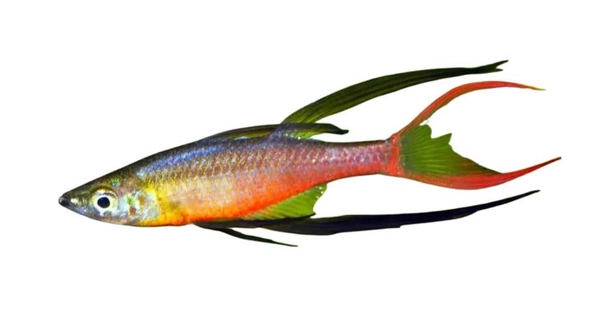
Do you ever find yourself wondering how threadfins respond when sudden changes in water chemistry alter the environment they rely on each day?
When the water chemistry shifts, threadfins adjust through behavioral changes such as altering their swimming patterns, feeding habits, and schooling formations. These adaptations help them cope with stress, maintain balance, and increase their survival in fluctuating aquatic conditions.
By understanding these changes, you can gain clearer insight into how threadfins maintain resilience and protect themselves in challenging environments.
How Threadfins React to Shifting Water Chemistry
Threadfins are highly sensitive to their environment, and even subtle shifts in water chemistry can trigger noticeable changes in their behavior. When oxygen levels drop, they may move closer to the surface where oxygen is higher, adjusting their swimming pace to conserve energy. Shifts in pH can make them more cautious, sometimes leading to reduced feeding or tighter schooling patterns. These adjustments act as protective measures, helping them cope with stress and remain safe in uncertain conditions. Observing these responses provides valuable insight into how well they adapt to sudden fluctuations in their aquatic environment.
Their ability to sense and react quickly allows threadfins to survive conditions that might otherwise overwhelm more delicate species.
Changes in water chemistry can also influence their feeding habits. Threadfins may eat less when stressed, and in some cases, they alter their foraging behavior completely. Understanding these shifts helps identify when water conditions may be putting stress on them.
Environmental Stress and Long-Term Effects
Environmental stress caused by shifting water chemistry has a direct impact on threadfin health. Over time, repeated exposure to unstable conditions can weaken their immune system, making them more vulnerable to disease. For example, poor oxygen levels or high ammonia can limit growth and reduce reproductive success. While threadfins often adjust in the short term through changes in swimming and feeding, the longer these unfavorable conditions persist, the harder it becomes for them to thrive. Recognizing these signs early helps prevent long-term harm and ensures they remain active, healthy, and balanced in their environment.
Extended stress does more than affect the individual—it influences the entire group. Threadfins rely on schooling behavior for safety, but instability can disrupt this natural coordination, making them more exposed to threats. By maintaining stable water chemistry and monitoring changes closely, it becomes possible to support their natural behavior and preserve their resilience.
Behavioral Adjustments in Stressful Conditions
When water chemistry shifts, threadfins often display quick behavioral adjustments. They may swim closer together, reduce their activity, or change depth levels to find more stable areas. These actions are immediate responses meant to increase comfort and maintain survival under stressful aquatic conditions.
Threadfins also modify their feeding when conditions are not favorable. A sudden drop in water quality can make them eat less or completely avoid food until balance returns. This reduced appetite protects their bodies from added strain. Over time, consistent changes in feeding behavior can indicate ongoing stress, making it easier to detect problems before they worsen.
Another adjustment threadfins make is altering their swimming patterns. They may become less active or shift into tighter groups when water conditions are unstable. These shifts are protective measures, helping them conserve energy, avoid predators, and adapt as quickly as possible until conditions improve.
Physical Health and Immune Response
Stress caused by poor water chemistry does not remain only behavioral—it affects physical health too. Prolonged exposure to unstable conditions weakens their natural defenses. Threadfins may become more prone to infections, slower in growth, and less successful in reproduction, which can affect their long-term survival.
A weakened immune system also impacts their appearance and movement. Signs such as frayed fins, duller coloration, or unusual swimming styles often appear when water conditions remain harmful for too long. These physical indicators show that the fish are struggling, and without correction, long-term damage can develop. Regular monitoring helps prevent this decline by keeping conditions within safe limits.
Feeding Behavior Under Changing Conditions
Threadfins often reduce their food intake when the water chemistry shifts. Lower appetite is a natural response, preventing added stress on their system while they adjust to less favorable conditions and focus on maintaining balance.
In some cases, they may alter foraging strategies. Instead of open-water feeding, threadfins might choose safer, calmer areas with more stable conditions. This behavior ensures they still gain nourishment while minimizing exposure to stressors caused by unstable water chemistry.
Reproductive Impact
Shifts in water chemistry can affect threadfin reproduction significantly. Poor water quality reduces spawning activity, and stressed fish may produce fewer eggs or none at all. Additionally, offspring survival rates can decline when environmental conditions remain unstable, leading to reduced growth in populations over time.
Group Dynamics
Schooling behavior may weaken when water chemistry becomes unstable. Threadfins sometimes scatter or swim in tighter, irregular groups, disrupting their usual coordination. This change increases vulnerability to predators and shows the strong link between stable conditions and healthy group movement.
FAQ
What causes water chemistry to shift in a threadfin habitat?
Water chemistry can shift due to several factors, including pollution, temperature fluctuations, excess organic waste, or sudden rainfall introducing new elements into the water. These changes alter pH, oxygen, or ammonia levels, creating stressful conditions for threadfins. Monitoring helps identify problems early and ensures balance is restored quickly.
How do threadfins react when oxygen levels drop?
When oxygen levels decrease, threadfins often swim closer to the water’s surface where oxygen is more abundant. They may reduce activity to conserve energy and sometimes school more tightly. These adjustments improve their chances of maintaining balance until oxygen levels return to normal.
Can poor water quality affect threadfin growth?
Yes, prolonged exposure to poor water quality can limit growth. Stress and reduced feeding lead to weaker development, and their bodies direct more energy toward survival instead of growth. Over time, this can result in smaller, less active fish that are more vulnerable to disease.
Why do threadfins eat less when stressed?
Threadfins reduce their appetite during stress to protect their bodies. Eating less prevents digestive strain in conditions that are already challenging. This behavior is temporary, but if water chemistry remains unstable for too long, long-term health can decline due to reduced nutrition and energy reserves.
What visible signs show that threadfins are stressed by water chemistry?
Stress often appears through physical changes. You might see duller colors, frayed fins, or unusual swimming patterns. In addition, threadfins may isolate themselves or alter their schooling behavior. These outward signs signal internal stress caused by unstable or harmful water conditions.
How does pH affect threadfins?
Threadfins are sensitive to changes in pH. A drop or spike can make them more cautious, less active, and reduce their feeding. If pH levels remain outside their preferred range, stress builds up, leading to weakened immunity and potential long-term health problems.
Can water chemistry changes disrupt reproduction?
Yes, threadfin reproduction is strongly affected by unstable conditions. Stress reduces spawning, lowers egg production, and decreases the chances of offspring survival. Healthy, stable water chemistry supports successful reproduction, while fluctuations can delay or even prevent breeding altogether, impacting the population over time.
Why is schooling behavior important during stressful conditions?
Schooling helps threadfins protect themselves from predators and conserve energy. When water chemistry shifts, their schooling behavior often changes, becoming tighter or disorganized. Disrupted group movement makes them more vulnerable, showing how closely environmental stability is tied to survival strategies.
How quickly do threadfins respond to water chemistry changes?
Threadfins respond almost immediately. A sudden drop in oxygen or a shift in pH can trigger fast behavioral adjustments such as swimming near the surface or reducing activity. These quick reactions help them survive sudden stress while they wait for conditions to improve.
What long-term effects occur if water quality is not restored?
If poor conditions persist, threadfins face weakened immune systems, stunted growth, reduced reproductive success, and disrupted schooling. Over time, the population can decline significantly. Long-term exposure to harmful chemistry reduces resilience, making it harder for them to adapt and survive future environmental challenges.
How can monitoring help protect threadfins?
Monitoring water chemistry ensures harmful changes are detected early. Regular testing of pH, oxygen, and ammonia levels allows intervention before conditions worsen. By maintaining balance, it’s possible to reduce stress, support natural behavior, and protect the long-term health of threadfin populations.
Are threadfins more resilient than other fish?
Threadfins show strong adaptability through their quick behavioral changes, but they are not immune to prolonged stress. While some species may tolerate harsher conditions, threadfins rely heavily on stable environments. Their resilience is effective in the short term, but constant imbalance leads to lasting health issues.
Can improving habitat stability reverse stress in threadfins?
Yes, restoring stable water chemistry often allows threadfins to recover. Once oxygen, pH, and other key levels return to balance, feeding, swimming, and schooling behaviors normalize. Early correction prevents permanent damage, making habitat stability crucial for their continued health and resilience.
Why is understanding threadfin behavior important?
Observing their reactions provides early signs of environmental stress. Behavior such as reduced feeding, tighter schooling, or unusual swimming highlights problems before they worsen. Recognizing these patterns ensures that corrective steps can be taken to maintain both individual health and population stability.
What role does temperature play in water chemistry stress?
Temperature shifts can change oxygen levels and alter chemical balances in water. Higher temperatures reduce oxygen, making threadfins struggle more. Combined with other stressors, temperature swings intensify pressure on their bodies, forcing them to adapt quickly or risk declining health.
Final Thoughts
Threadfins are fascinating fish, and their reactions to shifting water chemistry show just how finely tuned they are to their environment. Every small change in oxygen, pH, or ammonia levels can set off visible behavioral adjustments. These reactions are not random but carefully developed survival strategies that allow threadfins to cope with challenges in real time. Swimming closer to the surface, schooling tighter, eating less, or slowing their movements are all signs of adaptation. Yet these same signs also act as signals, warning us when conditions are becoming unfavorable. By noticing these behaviors, it becomes possible to recognize problems earlier, creating an opportunity to restore balance before long-term harm develops. Threadfins are not simply responding to stress—they are showing us, through their actions, the importance of maintaining a stable aquatic habitat.
Water chemistry does not only affect short-term behaviors; it has lasting effects on growth, reproduction, and immune strength. When conditions remain unstable, threadfins may stop spawning, eat less, and become more prone to illness. These effects do not just weaken individual fish but can spread across entire populations over time. This is why observing both physical and behavioral changes matters. Duller colors, frayed fins, or unusual swimming patterns are signs that conditions are pushing the fish beyond their ability to adapt. Long-term stress reduces their resilience, making it more difficult for them to recover even if conditions later improve. Stability is not only about comfort but about protecting their ability to thrive for years to come. By supporting balanced chemistry, we help preserve both their natural behavior and their long-term survival.
The story of threadfins and water chemistry highlights the deep connection between environment and life. These fish remind us that even small fluctuations can carry significant consequences when left unchecked. Their adaptability is impressive, but it is not limitless. They can only adjust so much before stress becomes overwhelming. This is why monitoring, maintaining, and protecting water quality is essential. It is not simply about preventing harm but about encouraging resilience, health, and balance in a delicate ecosystem. Watching how threadfins react to their surroundings is like reading an early warning system in nature—one that signals when changes are becoming too much. By listening to these signals and ensuring stability, we support the continued vitality of threadfins and the harmony of the waters they depend on. Their behavior teaches us that environmental balance is more than science—it is a lifeline for survival.

Hello,
If you enjoy the content that we create, please consider saying a "Thank You!" by leaving a tip.
Every little bit helps us continue crafting quality advice that supports the health, happiness, and well-being of pets around the world, for pets of all shapes, sizes, and species.
We really appreciate the kindness and support that you show us!