
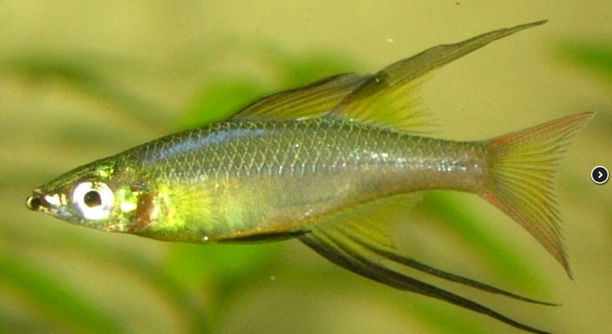
Content threadfin rainbowfish are small, vibrant freshwater fish often kept in home aquariums. Observing them in groups can be rewarding, as they display a variety of behaviors that indicate their comfort and social dynamics.
A content group of threadfin rainbowfish exhibits consistent schooling behavior, regular feeding responses, and calm interactions. These habits reflect well-adjusted fish that thrive in stable environments with proper care, suitable tank conditions, and minimal stress from external disturbances.
Recognizing these behaviors can help ensure your rainbowfish remain healthy, happy, and socially harmonious in your aquarium over time.
Observing Social Behavior
Threadfin rainbowfish are naturally social and thrive in groups. Watching them interact can reveal a lot about their comfort level. In a content group, they often swim together in synchronized patterns, creating a sense of cohesion. This schooling behavior helps reduce stress and signals that the tank environment is suitable for them. When they feel safe, individual fish are less likely to hide and more likely to explore the entire aquarium.
Regular interaction among the group also indicates good social structure, which is crucial for their overall well-being.
Paying attention to how they respond to each other can help you spot changes in behavior early, ensuring the group remains harmonious and healthy. Observing them regularly strengthens your understanding of their habits, allowing for better care and tank management. This attention can prevent potential health or stress issues and foster a balanced aquatic environment.
Feeding Patterns
A content group of rainbowfish shows consistent and calm feeding behavior. They approach food eagerly but without aggressive competition.
Feeding at regular intervals and providing a balanced diet is essential. Overfeeding or inconsistent schedules can stress the group and disrupt their social balance. Observing their reactions during feeding helps identify shy or dominant fish. It also ensures all members receive proper nutrition, which supports vibrant coloration and overall health. Maintaining a consistent feeding routine helps the group remain relaxed and reduces unwanted conflicts. Nutrient-rich foods that include flakes, pellets, and occasional live or frozen options provide necessary proteins and vitamins.
Regular monitoring of feeding behaviors allows for timely adjustments to portions and diet types. It also highlights any changes in appetite that may indicate illness or environmental stress. Ensuring all fish can feed without interference keeps the group cohesive and maintains their energetic, healthy presence. Over time, this consistent care helps sustain their natural social dynamics, encourages proper growth, and promotes long-term vitality.
Tank Environment
Maintaining stable water conditions is key for content threadfin rainbowfish. Temperature, pH, and cleanliness directly impact their health. Frequent water changes and proper filtration support a calm, thriving group.
A well-maintained tank ensures that fish are active and display natural behaviors. Threadfin rainbowfish are sensitive to sudden changes, so monitoring water parameters regularly helps prevent stress and illness. Providing hiding spots and open swimming areas balances safety with freedom, which encourages natural schooling. Plants and gentle décor reduce aggression and create a sense of security. A balanced tank environment fosters healthy interactions and keeps the group cohesive.
Consistent care of the tank extends beyond cleanliness. Lighting, temperature stability, and compatible tank mates contribute to a harmonious habitat. Observing the group daily helps identify any early signs of discomfort. Proper maintenance prevents waterborne diseases and stress-induced behaviors, allowing rainbowfish to display their vibrant colors and social habits. Investing time in their environment directly improves their quality of life and longevity.
Health Indicators
Healthy threadfin rainbowfish are active, alert, and maintain vibrant colors. Dull coloration or lethargy can signal issues.
Monitoring physical and behavioral indicators is essential for long-term care. Regularly check fins, scales, and gill movement for abnormalities. Healthy fish respond promptly to food and interact calmly within the group. Signs of illness, such as clamped fins, erratic swimming, or reduced appetite, require immediate attention to prevent spreading disease. Early detection of stress or health changes can make a significant difference in recovery.
Maintaining overall health involves diet, water quality, and observing interactions. Balanced nutrition supports immunity, while stable water conditions minimize stress. Avoid overcrowding and ensure proper oxygenation. Providing a clean and consistent environment allows rainbowfish to display natural behaviors and strengthens resilience against disease. Regular observation and prompt action when issues arise ensure a long, healthy, and harmonious life for the group.
Swimming Patterns
Threadfin rainbowfish in a content group swim in coordinated formations, often moving together across the tank. This synchronized movement reflects comfort and security within their environment.
Changes in swimming patterns can indicate stress, illness, or social tension. Observing these patterns daily helps identify issues early.
Resting Behavior
A content group shows periods of calm resting, often near plants or low-traffic areas of the tank. They remain alert but relaxed during these times.
Interaction with Tank Mates
Rainbowfish interact gently with other compatible species, avoiding aggressive behaviors. Calm, balanced interactions help maintain harmony in a mixed community tank.
Response to Environment
Threadfin rainbowfish react calmly to changes in lighting, decorations, or mild water adjustments. Stressful or abrupt changes can disrupt group behavior and health.
FAQ
How many threadfin rainbowfish should I keep together?
Threadfin rainbowfish are schooling fish, so they do best in groups of at least six. Smaller groups can become stressed or shy, which affects their health and behavior. Keeping a proper group size ensures they feel secure, display natural behaviors, and maintain social harmony in the tank.
What is the ideal tank size for a group?
A minimum of 30 gallons is recommended for a small group of six to eight fish. Larger groups require more space to prevent overcrowding and maintain water quality. Adequate swimming space allows them to school naturally and reduces aggression or stress.
What water conditions do they prefer?
They thrive in slightly alkaline water with a pH of 7.0–8.0 and temperatures between 74–82°F (23–28°C). Regular monitoring of water parameters is important, as sudden changes can cause stress or illness. Gentle filtration and consistent water changes help maintain a stable environment.
What should I feed them?
A varied diet including high-quality flakes, pellets, and occasional frozen or live foods ensures proper nutrition. Feeding small amounts two to three times daily prevents overfeeding and supports vibrant colors, active swimming, and overall health. Observing their appetite helps spot any potential health issues early.
How can I tell if my fish are healthy?
Healthy threadfin rainbowfish display bright colors, clear eyes, and smooth fins. They swim actively and interact calmly with the group. Watch for signs of stress such as clamped fins, lethargy, or erratic swimming. Regular observation and proper care help prevent common health problems.
Can they live with other fish?
Yes, they can coexist with other peaceful species of similar size. Avoid aggressive or fin-nipping fish. Proper compatibility ensures that rainbowfish maintain a calm and balanced social structure, reducing stress and promoting long-term health.
Do they need plants or decorations in the tank?
Yes, live or artificial plants provide hiding spots and reduce stress. Open swimming areas allow for schooling behavior. A balanced layout with plants and decor encourages natural behavior while keeping the group comfortable and secure.
How often should I clean the tank?
Partial water changes of 20–25% weekly help maintain water quality. Cleaning the substrate and removing uneaten food prevents harmful buildup. Maintaining a clean environment supports healthy interactions and reduces the risk of disease.
What signs indicate stress in the group?
Stress may appear as erratic swimming, hiding, loss of color, or aggression. Sudden environmental changes, poor water quality, or overcrowding are common triggers. Identifying stress early allows for quick corrective measures, ensuring the group remains harmonious.
Can they breed in a home aquarium?
Yes, they can spawn if conditions are suitable. A well-maintained tank with plants for laying eggs encourages natural breeding. Removing adults after eggs are laid helps prevent predation and ensures the survival of the fry.
How long do threadfin rainbowfish live?
With proper care, they can live up to five years. Maintaining water quality, providing a balanced diet, and ensuring a stress-free environment contributes to their longevity. Regular observation and consistent care improve their overall quality of life.
Are there any common diseases I should watch for?
Ich, fin rot, and bacterial infections are possible if water quality declines. Early detection through regular observation and prompt treatment helps prevent serious outbreaks. Maintaining a stable and clean environment minimizes disease risks and keeps the group healthy.
Is lighting important for their well-being?
Moderate lighting supports natural activity and highlights their colors. Too much direct light can stress them, while too little can reduce activity. Providing a consistent day-night cycle helps maintain normal behavior and overall health.
Can I add new fish to an established group?
Yes, but introduce new fish gradually to minimize stress. Quarantining newcomers before adding them prevents disease and helps them integrate smoothly into the existing social structure. Observation during the first few days is crucial to ensure compatibility.
How do I maintain vibrant colors in my fish?
A varied diet with high-quality foods, proper lighting, and clean water enhances coloration. Stress reduction through a stable tank environment also helps maintain bright, healthy colors throughout their lives. Consistent care ensures they remain visually striking and active.
Do they require any special equipment?
Standard aquarium equipment such as a heater, filter, and proper lighting is sufficient. Adding plants, hiding spots, and gentle water flow improves comfort and encourages natural behaviors. Advanced equipment is not necessary but can enhance long-term care and stability.
How often should I observe their behavior?
Daily observation helps detect changes in appetite, swimming patterns, or interactions. Early detection of health or social issues allows timely intervention, maintaining a content and harmonious group in the tank.
Can stress affect their lifespan?
Yes, prolonged stress can weaken their immune system and reduce longevity. Stable water conditions, a proper group size, and minimal disturbances are essential for preventing stress and supporting overall health and lifespan.
Is tank location important?
Placing the tank in a quiet area with stable temperature and low vibration reduces stress. Avoid direct sunlight, high traffic areas, or sudden disturbances. A calm environment helps the group remain relaxed and active.
What are the best practices for long-term care?
Maintain water quality, provide a balanced diet, observe behavior, and avoid overcrowding. Ensure consistent environmental conditions and a proper social group. These practices support health, social harmony, and vibrant coloration over the lifespan of the rainbowfish.
Can I use artificial plants instead of live ones?
Yes, artificial plants offer hiding spots and reduce maintenance. Ensure they are smooth and safe to prevent fin damage. A mix of open swimming areas and cover supports natural schooling behavior and overall contentment.
What should I do if one fish becomes sick?
Isolate the affected fish immediately to prevent disease spread. Treat according to the specific illness and monitor water quality closely. Maintaining a clean environment and following proper care routines minimizes health risks for the remaining group.
How can I encourage natural behavior?
Provide a spacious tank, plants, and regular feeding schedules. Avoid sudden changes and maintain consistent water parameters. Observing and accommodating their social and environmental needs allows them to display natural behaviors and maintain group cohesion.
Can they tolerate slightly cooler water?
They prefer stable temperatures within 74–82°F but can tolerate slight deviations temporarily. Extended exposure to colder water can reduce activity, stress the fish, and increase susceptibility to illness, so monitoring temperature is important for long-term health.
How do I prevent aggression within the group?
Maintaining a proper group size, avoiding overcrowding, and providing hiding spaces reduces competition and stress. Observing interactions helps identify dominant individuals, and ensuring a balanced environment keeps the group harmonious and reduces conflicts.
Is it important to match fish sizes?
Yes, similar-sized fish reduce aggression and ensure fair access to food. Large size differences can lead to bullying or stress, disrupting group dynamics. Keeping the group size balanced promotes harmony and consistent natural behavior.
Can they live in a planted tank only?
Yes, a planted tank with adequate swimming space provides shelter and encourages natural schooling. Plants reduce stress and offer hiding spots, but open areas must remain for active movement and group cohesion.
How do I introduce new decorations safely?
Add decorations gradually and rinse thoroughly to remove debris or chemicals. Monitor fish responses to ensure changes do not cause stress. Proper introduction prevents disruption of established social behavior and maintains a calm environment.
What are the signs of proper group cohesion?
Synchronized swimming, calm feeding, and relaxed resting indicate harmony. Fish interact gently without aggression, maintain bright colors, and display normal energy levels. Observing these behaviors confirms a content and well-adjusted group.
How often should I perform water tests?
Weekly testing for pH, ammonia, nitrite, and nitrate helps maintain optimal water conditions. Consistent monitoring prevents sudden changes that can stress or harm the group. Prompt corrective action ensures a healthy and stable environment.
Do they need a special substrate?
A fine gravel or sand substrate is ideal. It allows plants to root, prevents injuries, and supports natural behavior. Avoid sharp or rough materials that could damage fins and stress the fish.
What is the best temperature range for breeding?
Around 78–80°F encourages spawning. Stable water parameters and sufficient cover for eggs increase success rates. Maintaining optimal temperature and conditions ensures healthy fry development and reduces risks to adults.
Can stress affect breeding behavior?
Yes, stressed fish may avoid spawning or display aggression. A calm, stable environment with proper group size and hiding spots supports natural breeding behavior and fry survival.
How important is a balanced diet for growth?
Balanced nutrition supports proper growth, vibrant coloration, and immune function. Combining flakes, pellets, and live or frozen foods ensures all nutritional needs are met. Feeding consistently prevents malnutrition and promotes healthy development.
Should I remove uneaten food immediately?
Yes, removing leftovers prevents water quality issues and reduces risk of disease. Uneaten food can decompose, releasing harmful substances, and disrupt the balance of the tank. Prompt cleanup maintains a healthy environment for the group.
Can they recognize their tank environment?
Yes, threadfin rainbowfish quickly adapt to their surroundings and establish territories. Familiarity reduces stress and promotes natural schooling and feeding behaviors. Consistent care reinforces their comfort and confidence in the tank.
Do lighting changes affect behavior?
Sudden or extreme changes can stress them. A consistent day-night cycle with moderate lighting supports natural activity, resting patterns, and vibrant coloration. Gradual adjustments help maintain calm and reduce disruption of group behavior.
Are they sensitive to chemicals in water?
Yes, chlorine, heavy metals, and cleaning residues can harm them. Using treated water and avoiding chemical exposure preserves health, reduces stress, and maintains vibrant coloration and activity levels.
How often should I rearrange the tank?
Rearrangements should be minimal and gradual. Frequent changes can cause stress, disrupt schooling, and trigger hiding or aggression. Stability supports content behavior and a harmonious group.
Can they adapt to new tank mates quickly?
Adaptation depends on temperament and environment. Gradual introductions, quarantine, and monitoring interactions help new fish integrate while minimizing stress and conflict. Observing behavior ensures smooth incorporation into the existing group.
What is the best way to monitor their growth?
Regular observation and occasional measurement help track development. Healthy growth is consistent and proportional. Sudden changes may indicate dietary, environmental, or health issues requiring attention.
How can I reduce stress from external factors?
Place the tank in a low-traffic area, avoid sudden loud noises, and maintain consistent temperature and lighting. Minimizing disturbances supports calm, natural behavior and group cohesion.
Can they tolerate temporary water parameter fluctuations?
Short-term minor fluctuations may be tolerated, but extended or extreme changes can cause stress, illness, or behavioral issues. Maintaining stable conditions is critical for long-term health.
What signs indicate a harmonious group?
Calm interactions, synchronized swimming, balanced feeding, and relaxed resting show cohesion. Consistent energy levels and vibrant colors indicate comfort, health, and social stability.
How do I handle sudden illness in the group?
Immediate isolation, targeted treatment, and monitoring of water quality are essential. Prompt action reduces spread, minimizes stress, and increases the chance of recovery for affected individuals.
Can seasonal changes affect behavior?
Yes, changes in temperature, lighting, and water chemistry can influence activity, feeding, and schooling. Gradual adjustments help maintain normal behavior and reduce stress during seasonal transitions.
Do they respond to human presence?
Yes, they may approach the glass during feeding or movement around the tank. Calm interactions indicate trust, curiosity, and comfort in their environment.
Is water hardness important?
Moderate hardness supports health and vibrant coloration. Extreme softness or hardness can cause stress, affect physiology, and reduce overall vitality. Maintaining recommended parameters ensures stable conditions.
How can I encourage schooling behavior?
Keep proper group size, maintain open swimming areas, and provide a stress-free environment. Consistent care and gentle observation reinforce natural synchronized swimming and group cohesion.
What are common signs of overcrowding?
Frequent aggression, hiding, stunted growth, and erratic swimming indicate overcrowding. Providing adequate space and adjusting group size prevents stress, maintains health, and supports natural behavior.
Can they tolerate slight pH variations?
Minor fluctuations are usually tolerated, but prolonged extremes can cause stress, illness, or behavioral changes. Monitoring and maintaining stable pH supports contentment and group cohesion.
How do I prevent fin damage?
Use smooth decorations, avoid aggressive tank mates, and maintain clean water. Proper care reduces injuries and supports healthy growth and natural swimming behavior.
What is the ideal diet variety?
A mix of flakes, pellets, and occasional live or frozen foods ensures complete nutrition. Variety supports growth, vibrant coloration, and immune function. Consistent feeding schedules enhance overall health.
Do they require specialized filtration?
Standard aquarium filtration is sufficient. Gentle flow and effective waste removal maintain water quality and comfort. Overly strong currents can stress the group, so balance is key.
How can I monitor social hierarchy?
Observe feeding order, swimming patterns, and interactions. Calm dominance without aggression indicates a healthy social structure. Intervention is rarely needed if the hierarchy is balanced and the group remains cohesive.
Are there seasonal feeding adjustments needed?
Temperature changes can affect appetite. Slightly reduced feeding in cooler months may be appropriate, while maintaining balanced nutrition year-round supports health, energy, and coloration.
Can stress affect coloration?
Yes, stress can dull colors, reduce activity, and indicate discomfort. Stable water, proper nutrition, and minimal disturbances preserve vibrant, healthy coloration.
How do I know when to replace filter media?
Follow manufacturer guidelines and monitor water clarity. Replacing filter media before it becomes ineffective prevents water quality issues and maintains a healthy environment for the group.
Can they live with bottom-dwelling species?
Yes, peaceful bottom dwellers are suitable tank mates. Avoid aggressive or fin-nipping species to maintain harmony and prevent stress within the group.
What is the best way to acclimate new fish?
Float the bag in the tank, gradually mix tank water, and monitor behavior. Slow acclimation reduces shock, stress, and potential health issues during introduction.
Do they need frequent tank rearrangements?
Minimal rearrangement is best. Stability reduces stress, preserves social structure, and allows them to establish consistent territories. Gradual changes are better tolerated if needed.
How can I tell if the tank is too small?
Signs include aggression, hiding, stunted growth, and erratic swimming. Adequate space ensures natural schooling, reduces stress, and supports overall health.
Is quarantine necessary for new fish?
Yes, quarantining prevents disease introduction and allows monitoring for health issues. Proper quarantine protects the existing group and maintains a stable environment.
What is the effect of overfeeding?
Overfeeding can foul water, cause obesity, and trigger stress or aggression. Providing measured portions maintains health, water quality, and balanced group behavior.
How can I maintain stable water temperature?
Use a reliable heater, monitor daily, and avoid drafts or direct sunlight. Consistency prevents stress, supports normal behavior, and promotes overall health.
Do they prefer calm or flowing water?
They prefer gentle currents. Strong flow can cause stress and disrupt schooling. Adjust filtration or decorations to create calm swimming areas while maintaining circulation.
How do I handle fin rot?
Isolate affected fish, maintain clean water, and treat with appropriate medication. Early intervention prevents spread and ensures recovery. Preventing stress and maintaining water quality minimizes recurrence.
Can they adapt to different lighting schedules?
Yes, gradual changes are tolerated. Consistent day-night cycles reduce stress, support natural activity, and maintain vibrant coloration. Abrupt changes can disrupt behavior.
What should I do if dominant fish harass others?
Increase hiding spots, provide more space, or separate aggressive individuals temporarily. Observing interactions ensures the group remains balanced and stress-free.
Is regular observation really necessary?
Yes, daily checks help detect health issues, social problems, or environmental changes. Early intervention keeps the group content and prevents complications.
Can I keep them with fast-moving species?
Slower, peaceful fish are better companions. Fast, aggressive swimmers can stress threadfin rainbowfish and disrupt schooling, feeding, and resting behaviors.
How often should I feed live or frozen foods?
Once or twice weekly is sufficient. Supplementing flakes and pellets ensures balanced nutrition while encouraging natural hunting and foraging behavior.
Can stress reduce lifespan?
Yes, chronic stress weakens immunity, reduces growth, and shortens life. Maintaining calm conditions, proper diet, and social harmony preserves longevity.
How important is consistent care?
Consistent feeding, water maintenance, and observation are crucial. Routine care supports health, natural behavior, and overall contentment within the group.
Do they respond differently to artificial vs. live plants?
Both provide cover, but live plants offer subtle water benefits. Either type supports hiding, reduces stress, and encourages natural schooling behavior.
Can they tolerate slight ammonia spikes?
No, even minor ammonia increases stress and damages gills. Regular testing and prompt correction prevent long-term harm.
How can I encourage interaction within the group?
Provide open swimming areas, balanced nutrition, and minimal stress. Stable, clean conditions promote natural schooling, calm feeding, and social cohesion.
Is water aeration important?
Yes, adequate oxygen supports activity, growth, and health. Gentle aeration prevents stagnation without creating strong currents that could stress the fish.
Do they prefer specific tank shapes?
Longer tanks support schooling and swimming behavior better than tall, narrow tanks. Sufficient horizontal space allows natural movement and reduces stress.
What precautions should I take when traveling with them?
Use secure containers, stable temperature, and minimal handling. Gradual acclimation to the tank upon return prevents stress and ensures smooth adjustment.
Can they live in brackish water?
No, they are strictly freshwater fish. Exposure to brackish conditions can cause stress, health problems, and disrupt natural behavior.
Are there any seasonal behavior changes?
Slight changes in activity or feeding may occur with temperature shifts, but stable tank conditions minimize disruption. Monitoring ensures consistent health and behavior.
How do I prevent algae overgrowth?
Regular cleaning, balanced lighting, and proper feeding minimize algae. Maintaining water quality reduces nutrient buildup and supports a healthy environment for the group.
Can they tolerate occasional crowding?
Short-term crowding may be tolerated, but prolonged overcrowding causes stress, aggression, and health issues. Adequate tank space is essential for long-term contentment.
What is the best way to monitor water clarity?
Visual checks, combined with regular testing for ammonia, nitrites, and nitrates, ensure optimal conditions. Maintaining clear water supports health, behavior, and vibrant coloration.
Do they respond to seasonal daylight changes?
Gradual changes are acceptable, but abrupt shifts can stress the fish. Maintaining consistent lighting helps preserve normal behavior and activity levels.
Threadfin rainbowfish are small, vibrant freshwater fish that bring life and movement to any aquarium. Observing a well-adjusted group can be rewarding, as their synchronized swimming, calm interactions, and active feeding reflect a healthy social structure. Maintaining these habits requires attention to their environment, including water quality, temperature, and proper tank size. A content group of rainbowfish will display natural schooling behavior, explore their tank with confidence, and rest calmly in sheltered areas. Watching these behaviors develop over time can be satisfying, as it shows that your care is directly contributing to the well-being of the fish. The simplicity of their needs—stable water, adequate space, and proper nutrition—makes them approachable for hobbyists, yet their social habits provide a layer of complexity that makes observing them interesting. A group that is active, vibrant, and harmonious is a clear sign that their basic needs are being met consistently.
Proper feeding is another critical factor in maintaining a healthy group. Rainbowfish thrive on a varied diet, including high-quality flakes, pellets, and occasional frozen or live foods. Providing food in measured amounts two to three times daily prevents overfeeding and ensures all members of the group receive proper nutrition. Observing how each fish responds to feeding can reveal subtle changes in behavior or health, allowing for early intervention if issues arise. Over time, consistent feeding routines support natural behavior, growth, and coloration, making the fish more visually striking. Feeding is not just about nutrition; it is also a window into the group’s social dynamics. A balanced feeding environment reduces aggression, allows shy fish to access food, and strengthens the overall cohesion of the group. Maintaining attention to these details ensures that the group remains active, healthy, and visually vibrant.
Environmental care is equally important. Threadfin rainbowfish are sensitive to sudden changes in water conditions, temperature, or lighting, so a stable, predictable environment is essential. Regular water changes, monitoring pH and temperature, and providing gentle filtration help reduce stress and maintain health. Including plants, decorations, and open swimming areas balances safety and freedom, encouraging natural behavior while offering security. A well-maintained environment minimizes the risk of disease and supports the group’s overall contentment. Even small adjustments, like adding hiding spots or ensuring adequate lighting, can make a significant difference in how comfortable the fish feel in their tank. Observing the group regularly helps identify any early signs of stress, illness, or social imbalance, allowing prompt action. By combining proper nutrition, careful environmental management, and close attention to social habits, you can maintain a healthy, harmonious, and visually appealing group of threadfin rainbowfish that thrive in a home aquarium.
Word count: 412

Hello,
If you enjoy the content that we create, please consider saying a "Thank You!" by leaving a tip.
Every little bit helps us continue crafting quality advice that supports the health, happiness, and well-being of pets around the world, for pets of all shapes, sizes, and species.
We really appreciate the kindness and support that you show us!